
Managing your blood sugar doesn’t have to be confusing. Whether you live in Dubai or elsewhere in the UAE and are dealing with diabetes, prediabetes, or metabolic concerns, knowing the after food sugar level normal range is essential to stay healthy, avoid complications, and live with confidence.
In this guide, we’ll explain what happens inside your body after a meal, what a normal range looks like, how it differs for people with diabetes, and when you should seek expert care from an endocrinologist.
What Is Diabetes Mellitus?
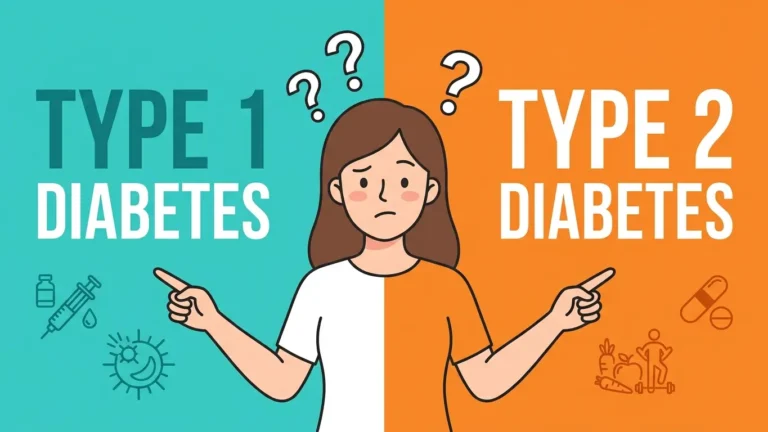
Diabetes mellitus is a chronic condition characterized by high blood glucose (sugar) levels due to problems with insulin, a hormone produced by the pancreas that helps glucose enter your cells for energy. When insulin doesn’t work well or your body doesn’t produce enough, glucose stays in the bloodstream, leading to elevated levels.
There are three major categories:
- Type 1 diabetes: pancreas produces little or no insulin.
- Type 2 diabetes: body becomes resistant to insulin or doesn’t produce enough.
- Gestational diabetes: develops during pregnancy and usually resolves after birth but increases future risk of type 2 diabetes.
High blood glucose over time can damage nerves, blood vessels, and organs like the heart, kidneys, eyes, and brain, increasing risks of heart disease, stroke, and other complications if not managed effectively.
Symptoms of High Blood Glucose Level
High blood sugar (hyperglycemia) can present subtly at first. Common symptoms include:
- Increased thirst and dry mouth
- Frequent urination
- Fatigue and weakness
- Blurred vision
- Slow wound healing
- Unintended weight changes
If these symptoms persist, it’s important to check your glucose levels and consult a healthcare provider.
Why Do Blood Sugar Levels Matter?
Blood glucose is your body’s main energy source, derived from the carbohydrates you eat. When levels stay too high or drop too low:
- Your energy metabolism becomes disrupted.
- Organs like the heart and kidneys face stress over time.
- You have higher risks for cardiovascular disease, nerve damage, and vision loss.
Keeping blood glucose within normal ranges helps prevent long-term complications and supports overall wellbeing.
How Does Food Affect Your Blood Sugar?
Food composition directly impacts how your glucose levels change:
- Carbohydrates raise blood sugar the most, especially refined carbs and sugary drinks.
- Proteins and fats digest more slowly and cause a gentler rise.
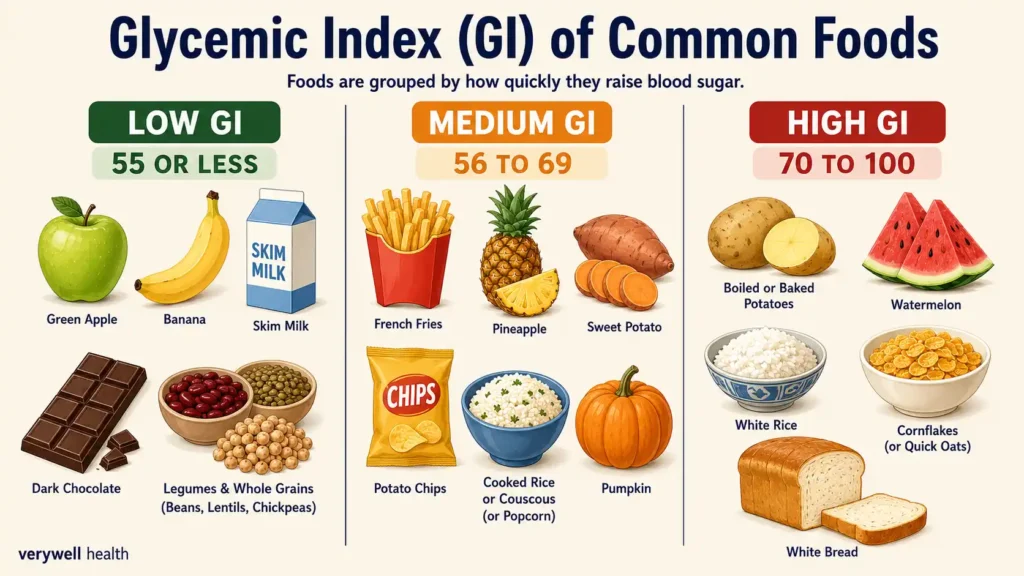
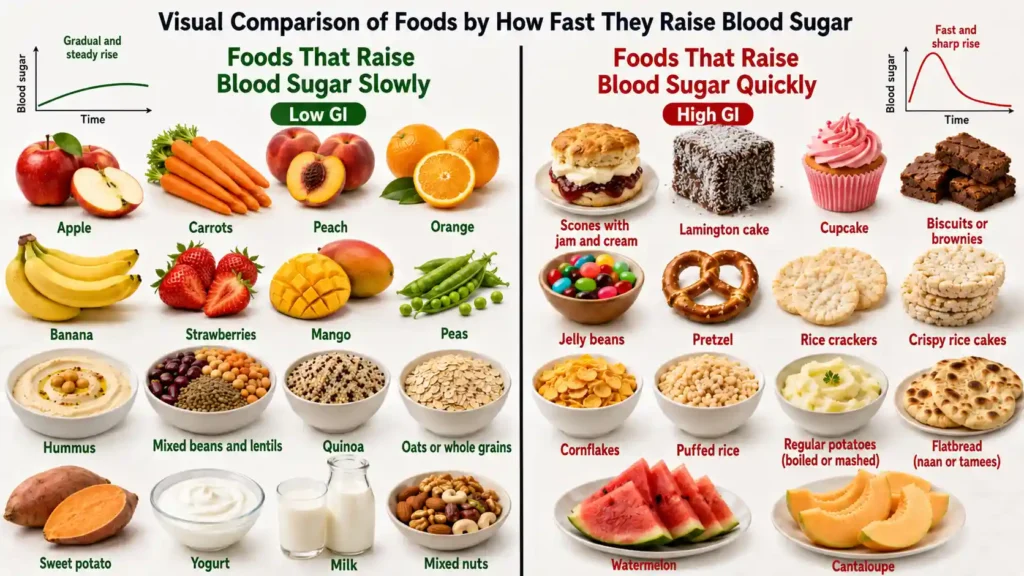
- High‑glycemic foods spike glucose quickly; low‑glycemic foods cause gradual increases and smaller peaks.
That’s why making smart food choices, including balanced meals with fibre, lean protein, and healthy fats, is critical in glucose control.
Why Is It Important to Keep Your Blood Sugar Levels in Check?
Keeping your glucose levels in the recommended range helps:
- Reduce symptoms like fatigue and thirst
- Prevent damage to organs and nerves
- Reduce risk of heart disease, stroke, kidney disease
- Help you maintain energy, mood, and weight balance
Good glucose control also improves quality of life and decreases the need for emergency care.
When Should I Measure My Blood Sugar During the Day?
To get the most meaningful readings:
- Fasting (before eating): typically in the morning before breakfast
- Post‑meal: around 1 to 2 hours after starting your meal (this is when glucose typically peaks)
- Before bed: as advised by your doctor
- Anytime you feel symptoms of high or low blood sugar
Monitoring at these key times helps you understand how food, activity, stress, and medication affect your glucose.
How to Monitor Blood Sugar Level
You can monitor glucose with:
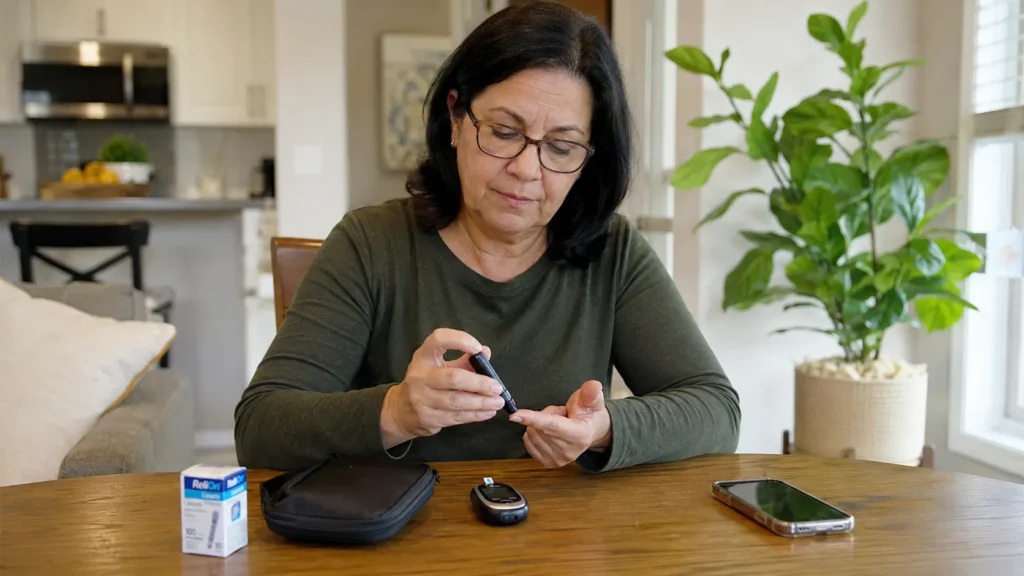
- Glucometer (finger‑prick test): quick spot checks
- Continuous Glucose Monitor (CGM): tracks changes throughout the day
- Laboratory tests: fasting glucose or post‑meal glucose checks ordered by your doctor
Record your readings and bring them to your endocrinologist or diabetes care provider for better guidance.
After Food Sugar Level Normal Ranges
Let’s break down what after food sugar level normal range means for different situations:
After Food Sugar Level Normal Range for Non‑Diabetic Person
In people without diabetes:
- Immediately after eating (30‑60 minutes): levels rise but typically stay well below drastic elevations.
- 1 hour after eating: may peak depending on food type.
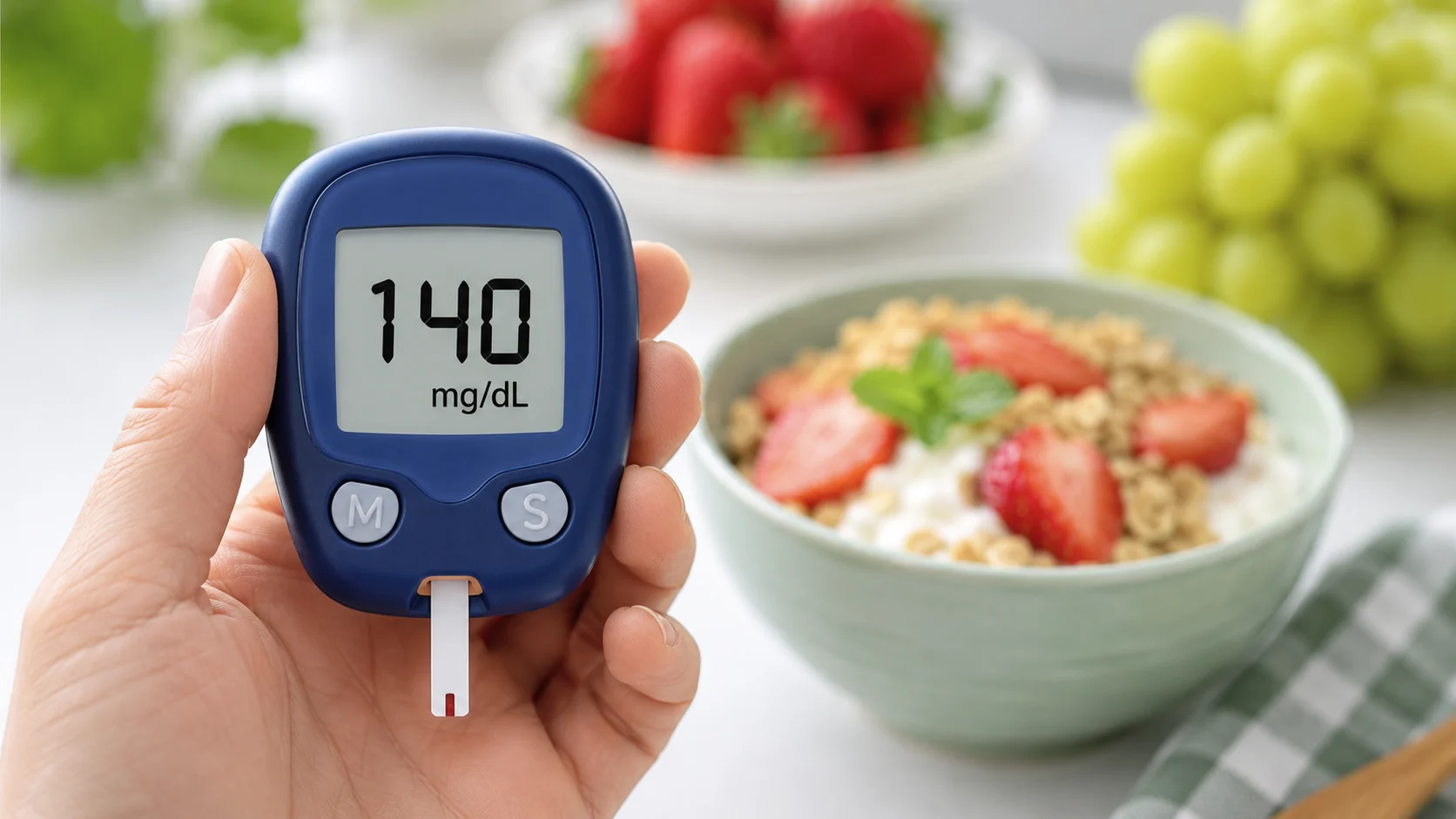
- 2 hours after eating: usually should return to below 140 mg/dL (about 7.8 mmol/L).
This reflects efficient insulin response and healthy glucose metabolism.
After Food Sugar Level Normal Range for Diabetic Patients
For people diagnosed with diabetes:
- 1 to 2 hours after eating: target is generally less than 180 mg/dL (about 10.0 mmol/L) for most adults, as per clinical guidance.
- Specific targets can vary based on age, medication, insulin use, and personal doctor guidance.
After Food Sugar Level Normal Range in Pregnancy
In pregnancy (including gestational diabetes):
- 1 hour after eating: recommended targets may be lower than in non‑pregnancy (often around 140 mg/dL or less).
- 2 hours after eating: many guidelines suggest 120 mg/dL or below.
Pregnancy glucose targets are tighter due to effects on both mother and fetus.
Read also about type 1 diabetes and type 2 diabetes treatment solutions with Dr Ali in Dubai.
What Is a Normal Blood Sugar Level Immediately After Eating?
Your actual peak after eating depends on:
- What and how much you ate
- Your insulin response
- Your activity level after the meal
Most people see peak glucose between 30–90 minutes after a meal, then a gradual fall. However, the official target ranges focus on the 1–2‑hour marks since this gives the most consistent and reliable results.
Before Food Sugar Level Normal Ranges
Blood sugar measured before meals (fasting or pre‑meal):
- Before Food Sugar Level Normal Range for Non‑Diabetic Person:
Typical fasting or before meal: 70–99 mg/dL (4.0–5.4 mmol/L). - Before Food Sugar Level Normal Range for Diabetic Patients:
Fasting/pre‑meal target: roughly 80–130 mg/dL (4.4–7.2 mmol/L), depending on treatment plan and endocrinologist advice. - Before Food Sugar Level Normal Range in Pregnancy:
Usually kept below 95 mg/dL after an overnight fast or before meals.
What Are the Types of Food That Affect Blood Sugar Level the Most?
Foods that tend to raise your blood glucose levels quickly include:
- Sugary drinks (sodas, juices)
- White bread, rice, and refined pasta
- Pastries, desserts, sweet snacks
- High glycemic index carbohydrates
Foods with slower effects include:
- Vegetables and legumes
- Whole grains
- Lean proteins
- Healthy fats (nuts, seeds, olive oil)
Balancing meals with protein and fibre helps slow glucose spikes and improve overall stability.
What Is the Target Blood Sugar Level for Everyone?
While individual targets vary, here are broadly accepted goals:
|
Timing
|
Non‑Diabetic
|
Diabetes
|
Pregnancy
|
|---|---|---|---|
|
Before meals
|
70–99 mg/dL
|
80–130 mg/dL
|
<95 mg/dL
|
|
1–2 hrs after eating
|
<140 mg/dL
|
<180 mg/dL
|
~<120–140 mg/dL
|
Talk to your doctor for personalized targets based on your health needs.
When Should You Consult an Endocrinologist?
Consult an endocrinologist if:
- You have high readings persistently
- You’re newly diagnosed with diabetes or prediabetes
- You’re struggling to understand your glucose patterns
- You notice symptoms like frequent thirst, fatigue, or vision changes
- You’re planning pregnancy or have gestational diabetes
An endocrinologist can tailor treatment, lifestyle guidance, and monitoring so you achieve optimal control.
Book Your Consultation with dr ali aldibbiat Now
If you’re in Dubai or anywhere in the UAE and need expert help understanding your glucose levels, discovering your after food sugar level normal range, or managing diabetes effectively, it’s time to take action. Visit Dr Ali Aldibbiat’s website to book your personalised consultation and get professional endocrinology support.
Don’t neglect your health; book your consultation now with Dr Ali Aldibbiat in Dubai.

Frequently Asked Quistions
What is type 2 diabetes sugar level?
Type 2 diabetes is diagnosed when fasting glucose is ≥126 mg/dL or your A1C is ≥6.5%. After meals, levels often exceed normal ranges without proper control.
What is the best time to check blood sugar?
The best times are fasting (before breakfast) and 1–2 hours after meals, when glucose peaks.
What are the first signs of diabetes?
Early signs include increased thirst, frequent urination, fatigue, blurred vision, and unexplained weight changes.
Which organ is most affected by diabetes?
The pancreas (insulin production) and blood vessels (heart, kidneys, nerves) are significantly affected by chronic high glucose.
What foods lower blood sugar quickly?
Foods like fibre‑rich vegetables, high‑fibre legumes, lean proteins, and moderate portions can help stabilise blood sugar.
Final Thoughts
Understanding the after food sugar level normal range empowers you to take control of your health. Whether you’re managing diabetes, prediabetes, or just want optimal metabolic wellbeing, regular monitoring and informed lifestyle choices are your strongest tools. For personalized guidance and expert care in Dubai and across the UAE, don’t hesitate — book a consultation with Dr Ali Aldibbiat today.