

Adrenal & Pituitary Disorders in Dubai: Expert Specialist Care by Dr. Ali Aldibbiat
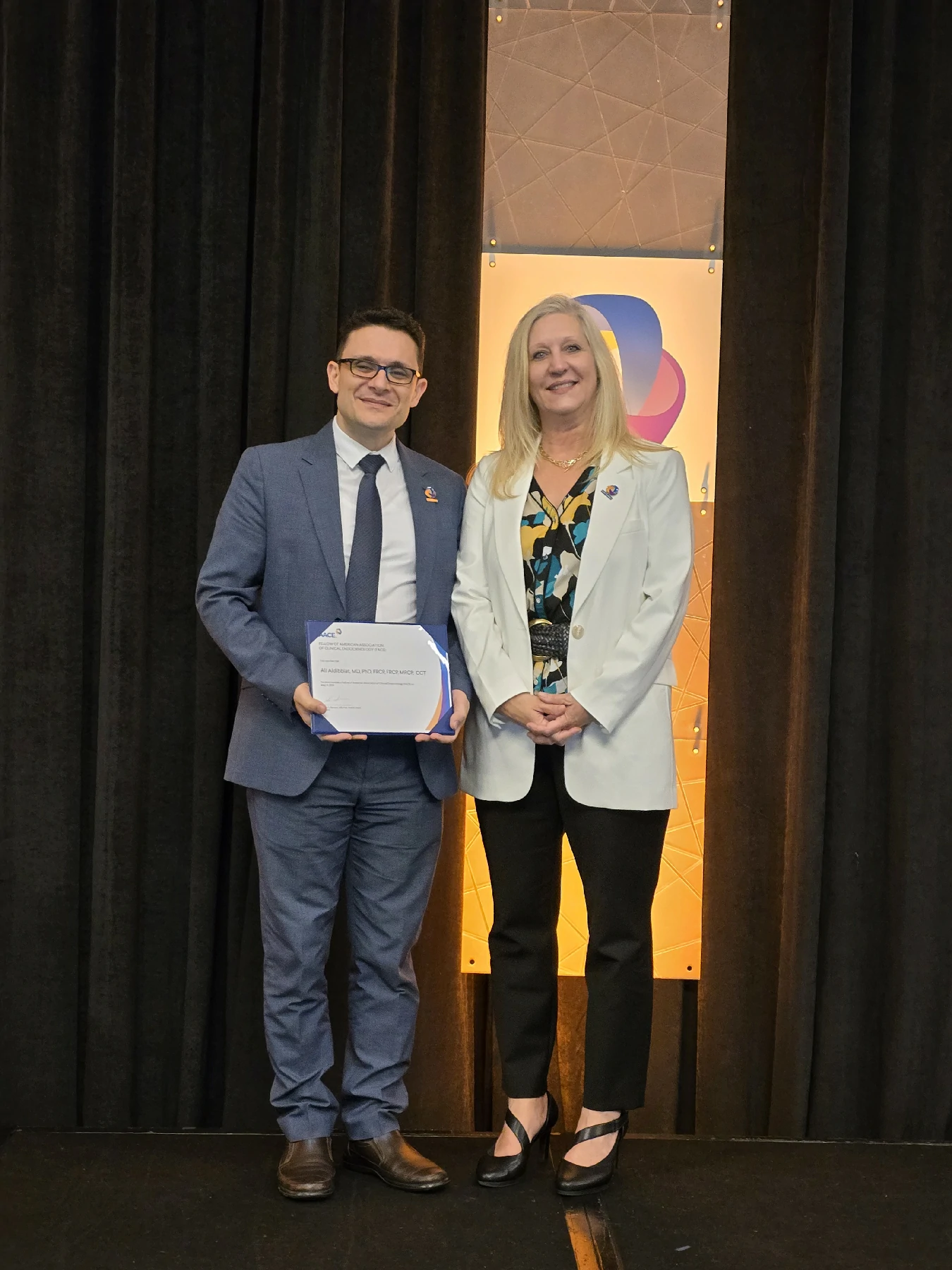
MD/PhD | FRCP London & Edinburgh | FACE | SCOPE-Certified | Consultant Endocrinologist | Jumeirah, Dubai
Adrenal and pituitary disorders are among the most complex conditions in endocrinology, rare enough to be missed by non-specialists yet serious enough that delayed diagnosis causes significant harm. Cushing syndrome, prolactinoma, acromegaly, pituitary adenomas, Conn syndrome, and adrenal insufficiency each require expert hormonal evaluation, precise biochemical testing, and in many cases specialist imaging before a management plan can be built. Dr. Ali Aldibbiat provides specialist adrenal and pituitary disorder care in Dubai at his Jumeirah clinic with over 20 years of experience in complex endocrine conditions.
What Are Adrenal and Pituitary Disorders?
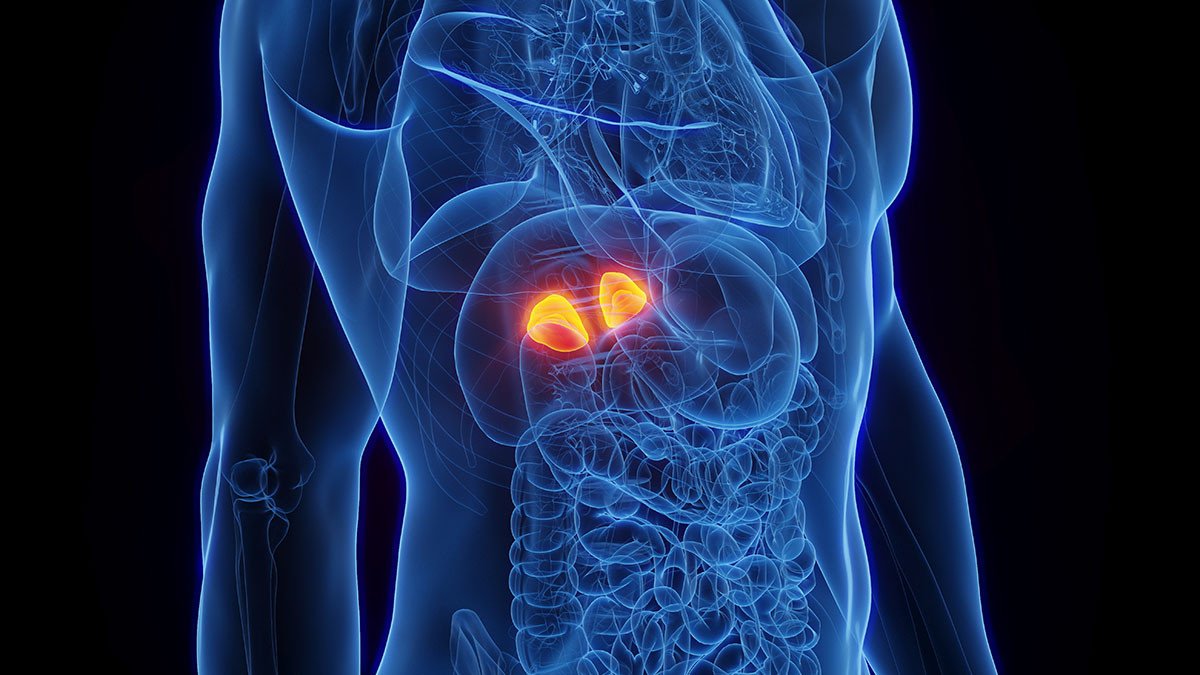
Adrenal and pituitary disorders are conditions caused by the over- or under-production of hormones from the adrenal glands (which sit above the kidneys) or the pituitary gland (a pea-sized gland at the base of the brain).
The HPA Axis & Master Controller
Together, the pituitary and adrenal glands form part of the hypothalamic-pituitary-adrenal (HPA) axis, the central hormonal control system governing cortisol, aldosterone, growth hormone, prolactin, and ACTH production.
The pituitary gland acts as the master controller of the endocrine system, sending hormonal signals to the adrenal glands, thyroid, gonads, and liver.
Tumors & Hormonal Pathways
When a pituitary tumor develops, it may produce excess hormone, causing Cushing disease (ACTH excess), acromegaly (growth hormone excess), or prolactinoma (prolactin excess), or it may compress surrounding pituitary cells and disrupt their function.
The adrenal glands respond to pituitary signals but can also develop independent tumors producing excess cortisol, aldosterone, or adrenaline.
The Diagnostic Rarity Reality
These are not common conditions. Cushing syndrome affects an estimated 10-15 per million people per year. Acromegaly affects 6 per million. Phaeochromocytoma is even rarer.
This rarity is precisely why adrenal and pituitary disorders are so frequently missed by non-specialist clinicians and why the delays between symptom onset and correct diagnosis average 7 years for Cushing syndrome and 10 years for acromegaly globally.
Specialist Dubai Clinical Expertise
Specialist adrenal and pituitary disorder care in Dubai requires expertise across all of these pathways. Adrenal-pituitary disorders in Dubai encompass a wide spectrum from common to rare endocrine conditions.
In Dubai, where access to specialist endocrinology is available, adrenal and pituitary disorders can be diagnosed and treated far more rapidly than the global average.
Adrenal and Pituitary Conditions Treated in Dubai
Dr. Ali Aldibbiat's specialized practice covers five core conditions requiring advanced biochemical validation and target imaging paths.
Adrenal Fatigue & Disorders
Covers full dysfunction spectrum: Addison disease, Conn syndrome (hyperaldosteronism causing hypertension), pheochromocytoma, and adrenal incidentalomas discovered on imaging.
Explore ManagementCushing's Syndrome
Caused by prolonged excess cortisol. Presents with central obesity, hypertension, and muscle weakness. Confirmed via 24-hour urinary cortisol and dexamethasone tests.
Explore ManagementPituitary Adenomas
Benign tumors classified as functioning or non-functioning. Can cause headaches, visual field loss, or direct hypopituitarism. Evaluated primarily using target pituitary MRI.
Explore ManagementHyperprolactinemia
Elevated prolactin causing amenorrhea, galactorrhea, and infertility. Frequently driven by prolactinomas, which typically respond highly effectively to medical cabergoline treatments.
Explore ManagementAcromegaly
Driven by excess growth hormone from a pituitary GH-secreting adenoma. Causes progressive enlargement of hands, feet, and facial structures. Monitored through primary IGF-1 screening.
Explore ManagementAdrenal Fatigue & Disorders
Covers full dysfunction spectrum: Addison disease, Conn syndrome (hyperaldosteronism causing hypertension), pheochromocytoma, and adrenal incidentalomas discovered on imaging.
Explore ManagementCushing's Syndrome
Caused by prolonged excess cortisol. Presents with central obesity, hypertension, and muscle weakness. Confirmed via 24-hour urinary cortisol and dexamethasone tests.
Explore ManagementPituitary Adenomas
Benign tumors classified as functioning or non-functioning. Can cause headaches, visual field loss, or direct hypopituitarism. Evaluated primarily using target pituitary MRI.
Explore ManagementHyperprolactinemia
Elevated prolactin causing amenorrhea, galactorrhea, and infertility. Frequently driven by prolactinomas, which typically respond highly effectively to medical cabergoline treatments.
Explore ManagementAcromegaly
Driven by excess growth hormone from a pituitary GH-secreting adenoma. Causes progressive enlargement of hands, feet, and facial structures. Monitored through primary IGF-1 screening.
Explore ManagementSymptoms of Adrenal & Pituitary Disorders
These conditions often overlap with common complaints like fatigue. Recognizing the specific clusters below warrants a specialist adrenal-pituitary assessment in Dubai.
Central Obesity & Weakness
Neurological & Vision Defects
Refractory Secondary Hypertension
Unexplained Gonadal Axis Failure
Somatropic Structural Changes
Paroxysmal Catecholamine Surges
Seek Urgent Evaluation
Central Weight Gain With Muscle Weakness
Weight gain concentrated around the abdomen, face (moon face), and upper back (buffalo hump) combined with thinning limbs and proximal muscle weakness is the classic presentation of Cushing syndrome.
Distinguishing Criterion: It is clearly distinguished from ordinary obesity by the specific tissue redistribution pattern and associated features, including secondary systemic hypertension and easy dermal bruising.
Headaches and Visual Field Loss
A pituitary adenoma large enough to press directly upward on the optic chiasm causes a characteristic bitemporal visual field defect, which leads to the progressive loss of peripheral vision on both sides.
Distinguishing Criterion: Persistent unexplained headaches paired with any subtle visual change warrant immediate high-resolution pituitary MRI, a core initial pathway in Dubai.
High Blood Pressure With Low Potassium
Hypertension that remains highly difficult to control using standard therapeutic multi-drug regimens, particularly when accompanied biochemically by low serum potassium, muscle fatigue, and excessive urination.
Distinguishing Criterion: This represents the classic presentation of primary hyperaldosteronism, currently documented as the most under-diagnosed cause of secondary hypertension.
Unexplained Hormonal Disruption
Irregular or completely absent menstrual periods combined with galactorrhea (unexpected milk production) in women, or erectile dysfunction paired with low testosterone states in male patients without an obvious localized cause.
Distinguishing Criterion: These findings should prompt immediate specialized serum prolactin testing. Hyperprolactinemia is highly treatable but frequently mismanaged for years due to a lack of recognition.
Progressive Enlargement of Hands, Feet, & Features
Shoes, gloves, and rings no longer fitting over time, alongside a gradual coarsening of structural facial features, jaw enlargement (prognathism), and widely spaced dental configurations developing over several years.
Distinguishing Criterion: Often accompanied clinically by excessive sweating, persistent joint pains, and secondary diabetes. Early measurement of serum IGF-1 remains the definitive gold standard.
Episodic Hypertension With Headaches & Sweating
The classic clinical triad consisting of episodic severe paroxysmal hypertension, severe headaches, and profuse sweating running in short bursts or paroxysms lasting from minutes to hours.
Distinguishing Criterion: Highly suggestive of pheochromocytoma, a rare but potentially life-threatening adrenaline-secreting adrenal tumor requiring urgent plasma free metanephrine analytics.
Critical Indicators Requiring Same-Day Assessment
Bitemporal visual field loss (loss of peripheral vision) paired with sudden, acute headache may indicate pituitary apoplexy—a serious neuroendocrine emergency demanding immediate same-day medical intervention.
Hypertensive Crisis Note: Severe hypertensive spikes accompanied by sudden headache, profuse sweating, and palpitations are strong indicators of active phaeochromocytoma. Both systemic presentations require urgent, specialized evaluation in Dubai.
How Dr. Ali Diagnoses Adrenal and Pituitary Disorders in Dubai
A systematic approach prioritizing biochemical confirmation before localization imaging to completely eliminate incidental overdiagnosis.
Cortisol & ACTH (Cushing Screen)
Utilizes 24-hour urinary free cortisol, late-night salivary checks, and overnight dexamethasone suppression testing. Morning ACTH tracking separates primary adrenal masses from central pituitary vectors.
Prolactin & IGF-1 Diagnostics
Prolactin measurements exceeding 500 mU/L initiate direct pituitary MRI validation paths. Age-adjusted serum IGF-1 screenings identify somatropic growth hormone adenomas prior to glucose load testing.
Aldosterone & Renin Ratio
Essential for hypertenstive control paths and accidental adrenal masses. Aldosterone-to-renin ratios over 30 establish the screening threshold for Conn's syndrome detection protocols.
Pituitary MRI & Adrenal CT
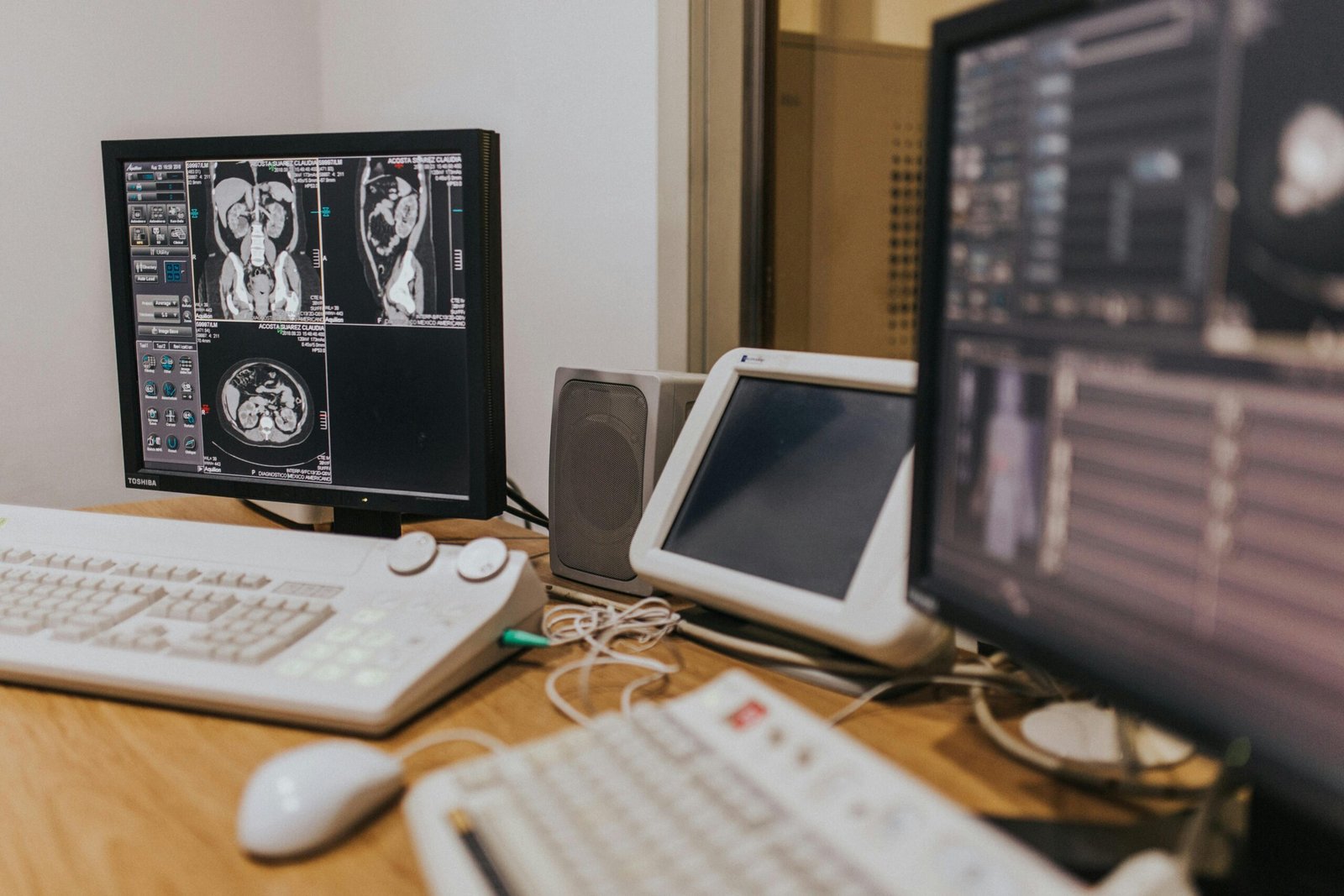
Gadolinium contrast MRI maps structural microadenomas and relations to the optic chiasm. Thin-slice adrenal CT sweeps classify adenomas, pheochromocytomas, and tissue washout properties.
Cortisol & ACTH (Cushing Screen)
Utilizes 24-hour urinary free cortisol, late-night salivary checks, and overnight dexamethasone suppression testing. Morning ACTH tracking separates primary adrenal masses from central pituitary vectors.
Prolactin & IGF-1 Diagnostics
Prolactin measurements exceeding 500 mU/L initiate direct pituitary MRI validation paths. Age-adjusted serum IGF-1 screenings identify somatropic growth hormone adenomas prior to glucose load testing.
Aldosterone & Renin Ratio
Essential for hypertenstive control paths and accidental adrenal masses. Aldosterone-to-renin ratios over 30 establish the screening threshold for Conn's syndrome detection protocols.
Pituitary MRI & Adrenal CT
Gadolinium contrast MRI maps structural microadenomas and relations to the optic chiasm. Thin-slice adrenal CT sweeps classify adenomas, pheochromocytomas, and tissue washout properties.
Adrenal and Pituitary Disorder Treatment in Dubai
Dr. Ali Aldibbiat manages the complete, integrated treatment pathway combining modern medical management, surgical coordination, and structured long-term protocols.
Medical Treatment for Pituitary Adenomas
Surgical Pathway Coordination
For patients tracking toward transsphenoidal pituitary surgery (Cushing disease, non-functioning macroadenomas, acromegaly) or direct adrenalectomy (Conn syndrome, pheochromocytoma).
Adrenal Insufficiency Hormone Replacement
Comprehensive clinical management for primary adrenal insufficiency (Addison disease) or secondary adrenal insufficiency vectors to completely stabilize systemic performance metrics.
Mandatory Safety Architecture: Explicit sick day parameters, emergency localized hydrocortisone injection training, and a mandatory Steroid Emergency Card are provided to every patient.
Long-Term Monitoring & Surveillance
| Condition Profile | Biochemical Metric Timeline | Imaging Control Loop |
|---|---|---|
| Prolactinoma | Annual serum prolactin metrics | Annual target pituitary MRI |
| Cushing Disease | Regular cortisol tracking for recurrence | Structured 10-year surveillance maps |
| Acromegaly | 6-monthly serum IGF-1 screenings | Annual contrast pituitary MRI |
| Non-functioning Adenomas | Hormonal axis panel clearance | Annual MRI for 3 years, then bi-yearly |
Related Conditions and Silos
Adrenal and pituitary dysfunctions rarely exist in isolation. They form direct pathophysiological loops with metabolic, thyroid, and diabetic clinical pathways.
Metabolic Disorders
Metabolic syndrome, obesity, dyslipidemia, and fatty liver are clinical conditions closely linked to adrenal and pituitary disorders through pathogenic cortisol excess vectors and systemic insulin resistance loops.
Thyroid Disorders
Hypothyroidism and hyperthyroidism represent critical clinical differential diagnoses as well as frequently co-existing endocrine system conditions within complex adrenal and pituitary disorder presentations.
Diabetes Management
Comprehensive tracking of Type 1, Type 2, and gestational diabetes—specifically including secondary diabetes variants directly caused by cortisol excess in Cushing syndrome and growth hormone excess in acromegaly.
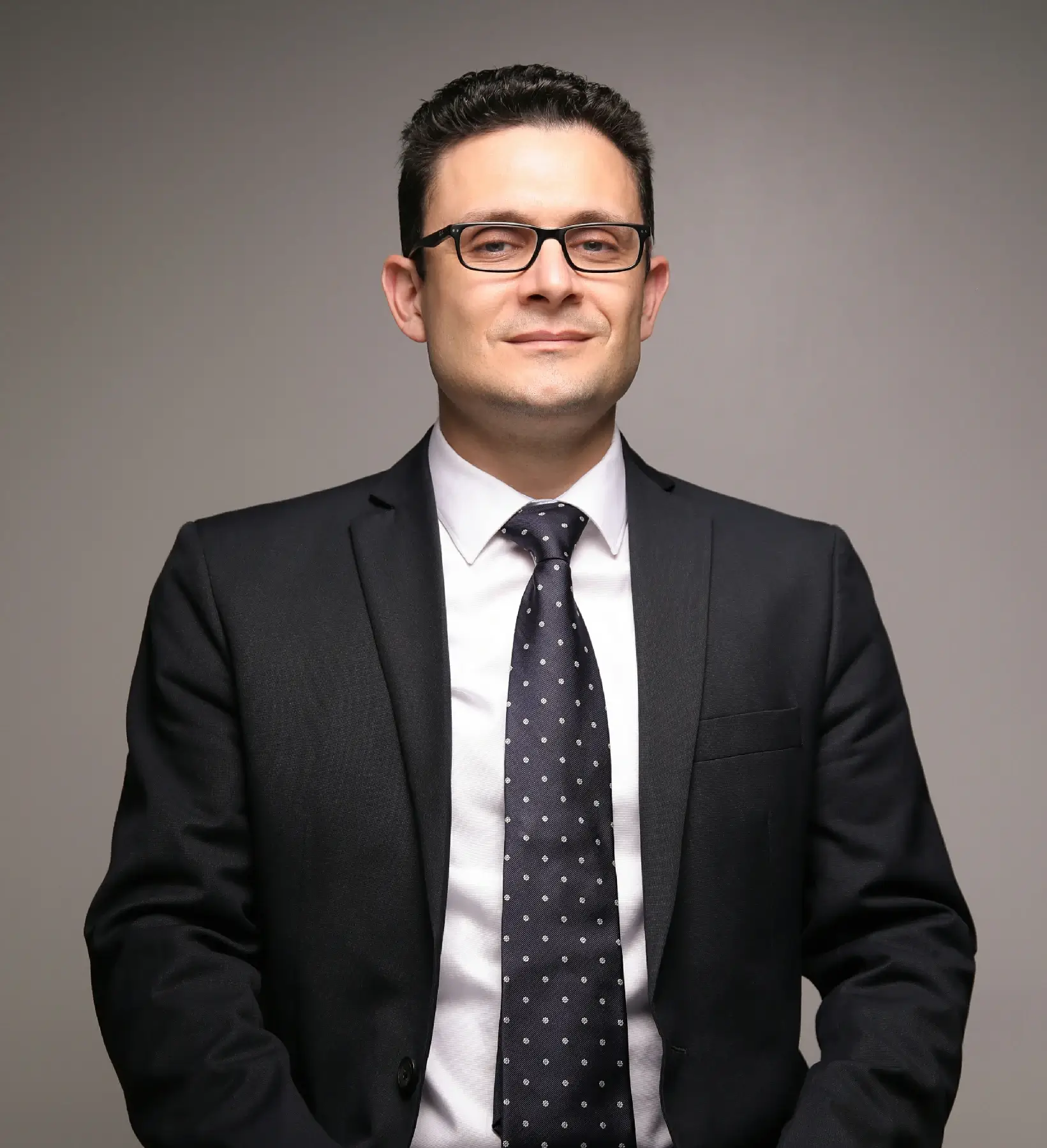
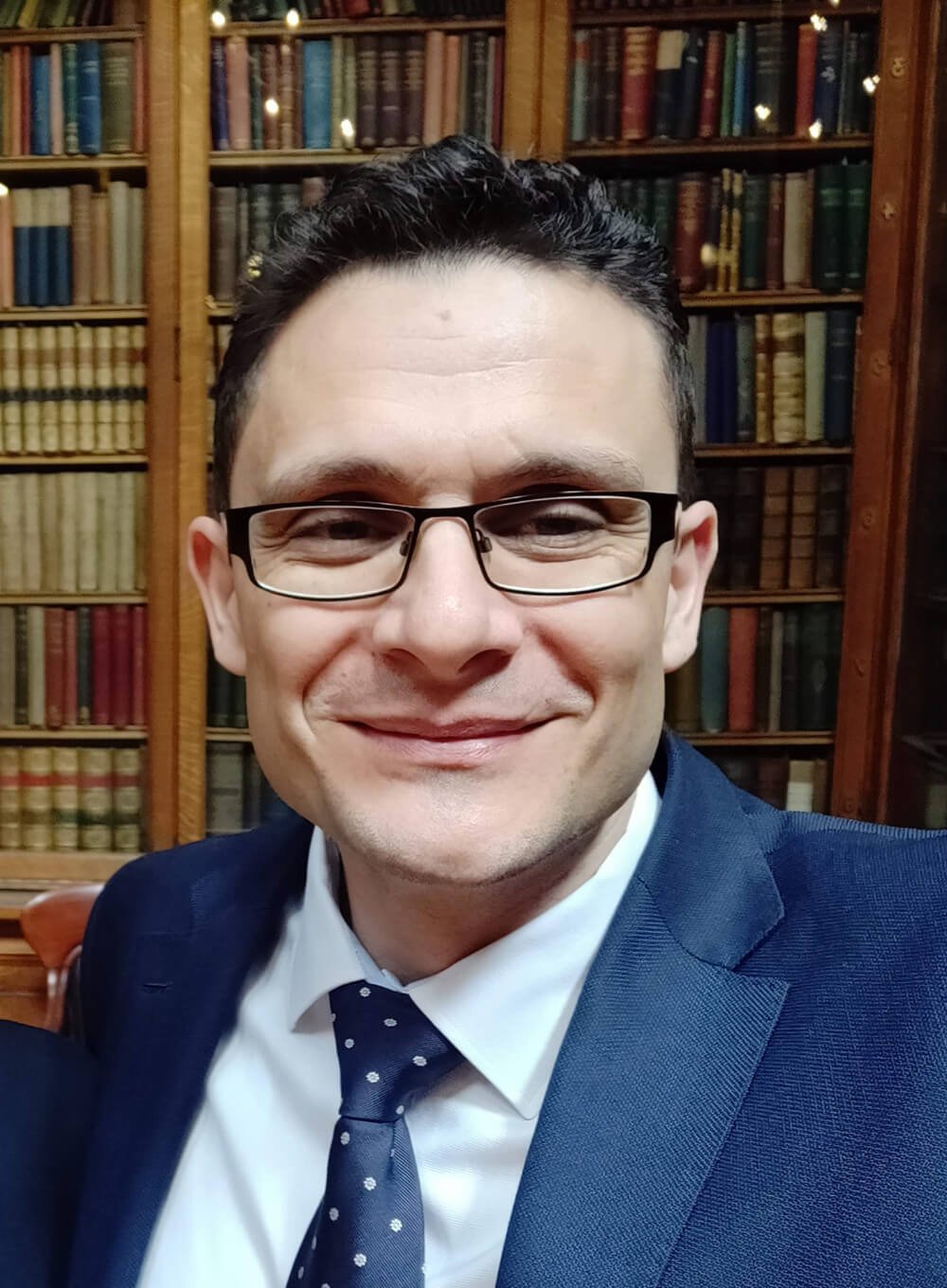
Fact-Checked By Dr. Ali Aldibbiat | MD | PhD | FRCP (London) | FRCP (Edinburgh) | FACE | Associate Professor
Why Choose Dr. Ali Aldibbiat?
Over 20 years of specialist endocrinology clinical experience driving an evidence-based pathway for complex adrenal-pituitary conditions.
Biochemical Confirmation First
Ordering a pituitary MRI before proving hormonal excess leads to unnecessary overdiagnosis. Up to 10% of the general population has incidental pituitary lesions. Dr. Ali performs complete biochemical confirmation before any imaging sweeps.
Medical-First Adenoma Protocols
The majority of functioning pituitary adenomas, particularly prolactinomas, respond remarkably well to Cabergoline and do not require invasive surgery. This clear clinical approach completely avoids unnecessary surgical morbidity loops for patients.
Complete Surgical Pathway Coordination
When surgery is the indicated treatment path, Dr. Ali manages every continuous metric step: pre-surgical endocrine optimization, critical post-operative cortisol monitoring to track insufficiency risks, and long-term surveillance loops.
Jumeirah Clinic Portal
109 Century Plaza, Jumeirah Beach Rd, Jumeirah 1, Dubai
Endocrinologist Available in Dubai, UAE
Ready to Take Control of Your Type 2 Diabetes?
Dr. Ali Aldibbiat offers specialist Type 2 diabetes consultations at his Jumeirah clinic in Dubai, including HOMA-IR assessment, personalized treatment plan, and remission evaluation. No referral required.
📅 Book a Consultation
What Our Patients Say
Real feedback from individuals who received specialist endocrinology and hormone care.
The speed of diagnosis here was incredible. After years of looking for answers globally, everything was sorted out in weeks.
Highly professional medical approach. They explained the complex HPA axis interactions clearly and put my mind at ease.
Finding a true specialist who understands rare endocrine conditions is difficult. This clinic is a gem in Dubai.
Exceptional clinical team. The administrative pathways and specialist attention are up to premium international standards.
Very thorough diagnostic checks and structured follow-ups. The medical treatment plans are completely individualized.
As a clinician myself, I can confidently say the deep specialist endocrine expertise shown here is absolutely top-tier.
The speed of diagnosis here was incredible. After years of looking for answers globally, everything was sorted out in weeks.
Highly professional medical approach. They explained the complex HPA axis interactions clearly and put my mind at ease.
Finding a true specialist who understands rare endocrine conditions is difficult. This clinic is a gem in Dubai.
Exceptional clinical team. The administrative pathways and specialist attention are up to premium international standards.
Very thorough diagnostic checks and structured follow-ups. The medical treatment plans are completely individualized.
As a clinician myself, I can confidently say the deep specialist endocrine expertise shown here is absolutely top-tier.
The diagnostics are rapid, precise, and completely managed on-site. Very grateful for the streamlined medical protocols.
A premium clinical environment with exceptional medical personnel. They really take time to look into patient details.
Excellent coordination between clinical teams. My long-term hormone management plan has been perfectly customized.
Outstanding care pathway. The diagnosis was accelerated and accurately tracked across multiple endocrine loops.
The clinical experience is completely seamless. Truly senior medical professionals operating in high-end spaces.
Everything from the initial consultation to laboratory checks is handled with extreme efficiency and premium medical expertise.
The diagnostics are rapid, precise, and completely managed on-site. Very grateful for the streamlined medical protocols.
A premium clinical environment with exceptional medical personnel. They really take time to look into patient details.
Excellent coordination between clinical teams. My long-term hormone management plan has been perfectly customized.
Outstanding care pathway. The diagnosis was accelerated and accurately tracked across multiple endocrine loops.
The clinical experience is completely seamless. Truly senior medical professionals operating in high-end spaces.
Everything from the initial consultation to laboratory checks is handled with extreme efficiency and premium medical expertise.
Frequently Asked Questions Metabolic Treatments in Dubai
Symptoms of adrenal gland disorders vary by condition. Cushing syndrome (excess cortisol) causes central weight gain, moon face, buffalo hump, purple stretch marks, high blood pressure, muscle weakness, and diabetes. Adrenal insufficiency (Addison disease) causes fatigue, weight loss, low blood pressure, salt craving, and skin darkening. Conn syndrome (excess aldosterone) causes resistant hypertension and low potassium. Phaeochromocytoma causes episodic severe hypertension, headache, sweating, and palpitations. Any combination of these symptoms warrants a specialist adrenal-pituitary disorder Dubai assessment with a full biochemical and hormonal workup.
A pituitary adenoma is a benign (non-cancerous) tumor of the pituitary gland. Most are not dangerous in terms of spreading to other organs, but they cause harm through hormone excess or hormone deficiency and through pressure on surrounding structures, including the optic nerves (causing visual field loss) and other pituitary cells. Functioning adenomas produce excess hormones, causing Cushing disease (ACTH), prolactinoma (prolactin), or acromegaly (growth hormone). Most pituitary adenomas are treated effectively with medication or surgery. Dr. Ali Aldibbiat manages the complete pituitary adenoma pathway as part of his adrenal pituitary disorders Dubai practice.
Cushing syndrome is caused by prolonged excess cortisol. The most common cause is exogenous long-term steroid medication. Endogenous Cushing syndrome is caused by a pituitary adenoma producing excess ACTH (Cushing disease—70% of cases), an adrenal adenoma or carcinoma producing excess cortisol directly, or rarely an ectopic ACTH-secreting tumor. Diagnosis as part of adrenal pituitary disorders in Dubai requires biochemical confirmation, late-night salivary cortisol, 24-hour urinary free cortisol, or a dexamethasone suppression test before imaging. Dr. Ali Aldibbiat provides the full Cushing syndrome diagnostic pathway at his Jumeirah clinic.
In most cases, yes. The most common cause of hyperprolactinemia is a prolactinoma, a benign pituitary tumor that responds extremely well to cabergoline (a dopamine agonist). Cabergoline normalizes prolactin in 80-90% of patients, restores periods and fertility in women, normalizes testosterone in men, and shrinks the tumor in the majority of cases. Surgery is rarely required for prolactinoma. Medication-induced hyperprolactinemia resolves when the causative drug is stopped. Dr. Ali Aldibbiat provides specialist prolactinoma management as part of his adrenal pituitary disorders Dubai care without surgical referral in the majority of cases.
Acromegaly is caused by excess growth hormone from a pituitary adenoma. Signs develop gradually over years and include enlargement of hands and feet (rings and shoes no longer fit), coarsening of facial features with frontal bossing and jaw enlargement, widely spaced teeth, deepening of the voice, excessive sweating, joint pain, and in many cases diabetes. Headaches and visual field loss occur if the tumor presses on the optic chiasm. IGF-1 is the primary screening test. Early adrenal pituitary disorder diagnosis in Dubai prevents cardiovascular and metabolic complications from years of uncontrolled growth hormone excess.
A consultant endocrinologist is the appropriate specialist for adrenal and pituitary disorders in Dubai. Dr. Ali Aldibbiat provides specialist adrenal and pituitary disorder care at 109 Century Plaza, Jumeirah Beach Road, Jumeirah 1, Dubai covering Cushing syndrome, pituitary adenomas, hyperprolactinemia, acromegaly, adrenal insufficiency, and Conn syndrome. His diagnostic workup includes cortisol, ACTH, prolactin, IGF-1, aldosterone, renin, and pituitary or adrenal MRI or CT where indicated. Searching for an adrenal pituitary specialist near me or a pituitary specialist near me in Dubai? Book at /contact/book-appointment/ or call +971 58 588 2295.
Dr. Ali Aldibbiat’s Endocrinology Clinic in Dubai, UAE
Dr. Ali Aldibbiat runs an endocrinology clinic at 109 Century Plaza, Jumeirah Beach Road, Jumeirah 1, Dubai, UAE. He also sees patients at Mediclinic City Hospital, Dubai. Patients from across Dubai, Abu Dhabi, Sharjah, and the wider UAE and Gulf region travel to his Jumeirah clinic for specialist endocrine and metabolic care. If you are searching for the best endocrinologist near me in Dubai, no referral is required; book directly at draliendo.com.