
Vitality Health Calculator Patient Connection Hub

Type 2 Diabetes in Dubai: Precision Diagnosis & Treatment by Dr. Ali Aldibbiat

MD/PhD | FRCP London & Edinburgh | FACE | SCOPE-Certified | Consultant Endocrinologist | Jumeirah, Dubai

Dr. Ali Aldibbiat is a consultant endocrinologist in Dubai specializing in the precision diagnosis and treatment of Type 2 diabetes using HOMA-IR metabolic profiling, GLP-1 therapy, SGLT2 inhibitors, and remission protocols to deliver outcomes that go far beyond standard care. With an MD/PhD, Fellowship of the Royal College of Physicians (London & Edinburgh), and Fellowship of the American Association of Clinical Endocrinology, Dr. Ali delivers world-class Type 2 diabetes care at his Jumeirah clinic in Dubai. No referral required  book directly at draliendo.com.

What Is Type 2 Diabetes?

Type 2 diabetes is a chronic metabolic condition in which the body becomes resistant to insulin or fails to produce sufficient insulin, causing persistently elevated blood glucose levels that, untreated, damage the heart, kidneys, nerves, and eyes.


Type 2 diabetes is the most common form of diabetes, accounting for approximately 95% of all cases globally. In the UAE, prevalence rates are among the highest in the world, driven by lifestyle factors, genetic predisposition, and the high rates of metabolic syndrome across the region. Unlike Type 1 diabetes, which is an autoimmune condition present from childhood, Type 2 diabetes develops gradually, typically in adulthood, though it is increasingly seen in younger patients.

The core mechanism is insulin resistance: the body’s cells stop responding effectively to insulin, forcing the pancreas to compensate by producing more. Over years, this overproduction exhausts beta cells, insulin output falls, and blood glucose rises. What makes Type 2 diabetes particularly dangerous is that this process often occurs without any noticeable symptoms for years, meaning many patients in Dubai are already living with complications by the time they are diagnosed.

Type 2 Diabetes Treatment Options

There is no single correct treatment for Type 2 diabetes; the right approach depends on your HbA1c, HOMA-IR score, body composition, cardiovascular risk profile, and personal goals. Dr. Ali Aldibbiat builds every treatment plan from the metabolic data up, not from a standard protocol.

Lifestyle and Nutrition
First Line

Lifestyle & Medical Nutrition Therapy

For patients with early Type 2 diabetes or prediabetes, intensive lifestyle intervention, personalized medical nutrition therapy, structured physical activity, and weight management remain the most evidence-based first-line treatments. Dr. Ali's precision approach identifies which dietary pattern works for your specific insulin resistance profile.
Oral Medications
Targeted Therapy

Oral & Injectable Medications

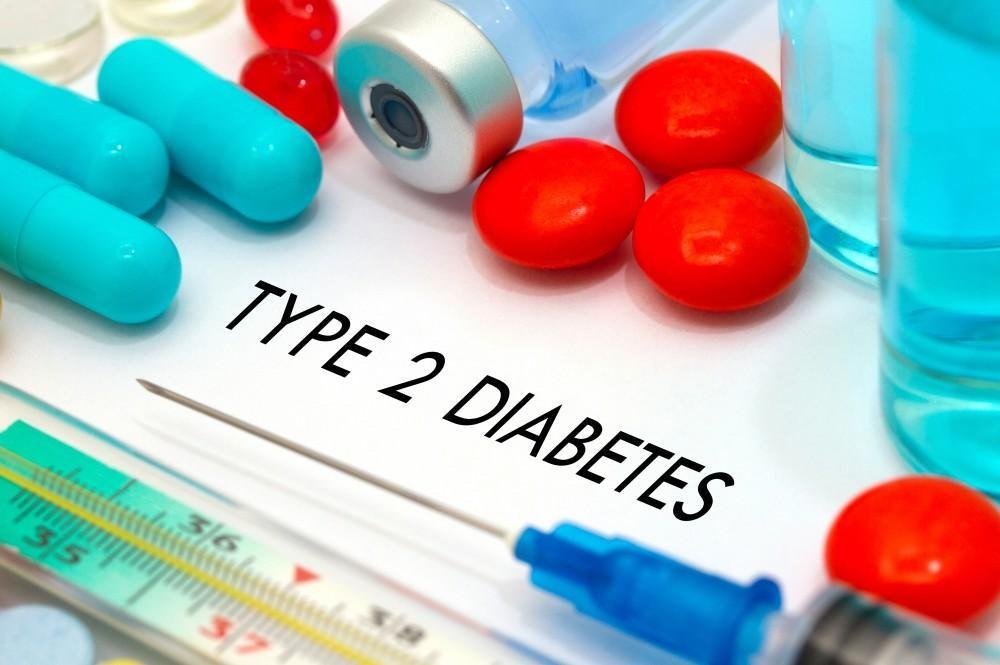
When lifestyle intervention alone is insufficient, Dr. Ali selects medications based on your metabolic profile: Metformin, oral GLP-1 RAs such as oral semaglutide or Rybelsus, SGLT2 inhibitors, DPP-4 inhibitors, and sulfonylureas. Every medication decision is made with your cardiovascular risk, kidney function, and weight goals in mind.

GLP-1 Receptor Agonists
Ozempic & Mounjaro

GLP-1 Receptor Agonists

The most significant advance in Type 2 diabetes treatment in a generation. GLP-1 and GIP/GLP-1 agonists lower blood glucose, reduce cardiovascular risk, drive significant weight loss, and, in many patients, support Type 2 diabetes remission. Dr. Ali is one of Dubai's most experienced clinicians in prescribing these medications, monitoring, and dose optimization.
Insulin Therapy
When Required

Insulin Therapy

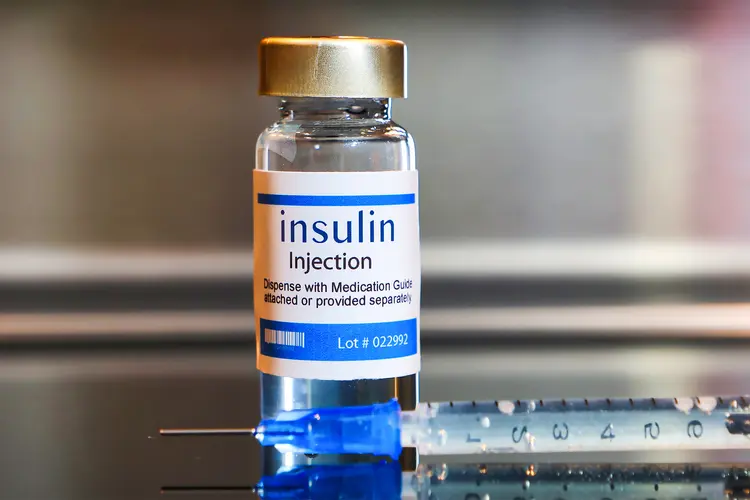
Not all patients with Type 2 diabetes require insulin, but for those with significantly elevated HbA1c, beta-cell exhaustion, or failure to respond to oral agents, insulin therapy is the most effective option. Dr. Ali uses CGM-guided insulin titration to achieve precise glucose targets while minimizing hypoglycemia risk.

How Type 2 Diabetes Is Diagnosed

At Dr. Ali Aldibbiat’s clinic in Dubai, no Type 2 diabetes treatment decision is made before a comprehensive metabolic assessment is complete. Standard GP tests catch overt diabetes; Dr. Ali’s protocol catches it years earlier.

HbA1c Blood Test

HbA1c

HbA1c

The standard diagnostic test — measures average blood glucose over 2-3 months. An HbA1c of 6.5% or above confirms Type 2 diabetes. HbA1c 5.7-6.4% indicates prediabetes.

Fasting Plasma Glucose

Fasting Plasma Glucose

Fasting Plasma Glucose

Fasting glucose of 7.0 mmol/L (126 mg/dL) or above on two occasions confirms Type 2 diabetes. Measured alongside fasting insulin to calculate HOMA-IR.

HOMA-IR

HOMA-IR

HOMA-IR

The precision tool that sets Dr. Ali apart. HOMA-IR detects insulin resistance up to 10 years before overt type 2 diabetes develops, allowing preventive intervention.

CGM Sensor

Continuous Glucose Monitoring

CGM

A 14-day CGM captures glucose patterns invisible to standard fasting tests, including post-meal spikes, glucose variability, and nocturnal hypoglycemia.

Metabolic Panel

Full Metabolic Panel

Full Metabolic Panel

Thyroid function, full lipid profile, liver enzymes, kidney function, urine microalbumin, vitamin D, CRP, full blood count, and NT-proBNP.

Causes & Risk Factors for Type 2 Diabetes

Type 2 diabetes does not have a single cause; it develops through a combination of genetic predisposition, metabolic dysfunction, and lifestyle factors. Understanding your specific risk profile is the first step in prevention or early intervention.

Visceral fat, fat stored around the organs rather than under the skin, drives chronic low-grade inflammation and directly impairs insulin receptor function. Even modest weight loss (5-10% of body weight) significantly improves insulin sensitivity.

Physical inactivity reduces the ability of muscle cells to take up glucose, the primary mechanism of insulin-mediated glucose clearance. Regular aerobic exercise and resistance training are among the most evidence-based interventions for Type 2 diabetes prevention.

Having a first-degree relative with Type 2 diabetes significantly increases lifetime risk. Several genetic variants affecting insulin secretion and sensitivity have been identified. Genetic testing can also provide insight into an individual’s lifetime risk of developing Type 2 diabetes. HOMA-IR testing can detect insulin resistance years before diabetes develops.

South Asian, Arab, and Middle Eastern populations have a significantly higher genetic predisposition to insulin resistance and Type 2 diabetes compared to European populations and often develop the condition at lower BMI levels.

Risk increases with age as beta-cell function naturally declines. However, Dr. Ali increasingly sees Type 2 diabetes in patients in their 20s and 30s in Dubai driven by dietary patterns, inactivity, and metabolic syndrome.

The cluster of abdominal obesity, high blood pressure, high triglycerides, low HDL, and elevated fasting glucose -- the most direct precursor to Type 2 diabetes. Dr. Ali treats metabolic syndrome as a medical emergency requiring immediate precision intervention.

Can Type 2 Diabetes Be Reversed?

Yes, in many cases, type 2 diabetes can be put into remission. Remission means achieving normal blood glucose levels without diabetes medication. It is most achievable in patients who have had diabetes for fewer than 10 years, have lost significant weight, and have preserved beta-cell function.


The evidence for Type 2 diabetes remission has grown significantly over the past decade. Large clinical trials, including the DIRECT trial, have demonstrated that sustained weight loss of 15 kg or more puts type 2 diabetes into remission in the majority of patients with shorter disease duration. GLP-1 receptor agonists have further expanded the pool of patients who can achieve and sustain remission.

Dr. Ali Aldibbiat’s approach to Type 2 diabetes remission uses HOMA-IR monitoring to track insulin resistance in real time, adjusting the treatment protocol as beta-cell function recovers. For appropriate patients, this precision-guided remission program delivers outcomes that standard diabetes management simply cannot match. Not every patient achieves full remission, but every patient can achieve significantly better glucose control than they currently have.

Type 2 vs. Type 1 Diabetes: What Is the Difference?

Both Type 1 and Type 2 diabetes involve high blood glucose, but the mechanisms, onset patterns, and treatments are fundamentally different.

Factor
Type 2 Diabetes
Type 1 Diabetes
Mechanism
Insulin resistance + beta-cell decline
Autoimmune beta-cell destruction
Onset
Gradual typically adulthood
Sudden typically childhood/young adult
Insulin production
Reduced over time
Absent from onset
Primary treatment
Lifestyle + oral/injectable medications
Lifelong insulin therapy
Remission possible?
Yes with weight loss + GLP-1 therapy
No

Why Choose Dr. Ali Aldibbiat for Type 2
Diabetes Treatment in Dubai?

The outcome of Type 2 diabetes treatment depends on the precision of diagnosis, the breadth of treatment options, and the experience of the clinician. Dr. Ali Aldibbiat brings a combination of academic research depth, clinical expertise, and technology access that no other diabetes doctor in Dubai replicates.

1

MD/PhD -- Islet Transplantation & Beta-Cell Research

Original doctoral research in islet transplantation, beta-cell regeneration, and insulin signaling directly relevant to Type 2 diabetes treatment and remission. Few clinicians in the UAE bring this level of research depth to the clinic.

2

FRCP London & Edinburgh Dual Fellowship

Fellowship of the Royal College of Physicians from both London and Edinburgh is among the most rigorous clinical credentials available in British medicine.

3

GLP-1 & Remission Protocol Expertise

Dr. Ali is one of Dubai’s most experienced clinicians in GLP-1 receptor agonist therapy, including semaglutide (Ozempic) and tirzepatide (Mounjaro), for Type 2 diabetes, with expertise in remission protocols, dose optimization, and CGM-guided monitoring.

4

HOMA-IR Precision Diagnostics

Unlike standard diabetes clinics that rely solely on HbA1c, Dr. Ali uses HOMA-IR insulin resistance testing to detect and quantify the root cause of Type 2 diabetes, enabling genuinely targeted treatment rather than symptomatic glucose control.

5

25+ Years' Specialist Experience

More than two decades managing complex Type 2 diabetes cases across the UK and UAE, including patients who have failed multiple previous treatment regimens and those seeking remission after years of inadequate control.

Complications of Untreated Type 2 Diabetes

Uncontrolled Type 2 diabetes is a leading cause of preventable death and disability in the UAE. The complications are serious, but most are entirely preventable with early, precise intervention.
Cardiovascular Disease

Cardiovascular Disease

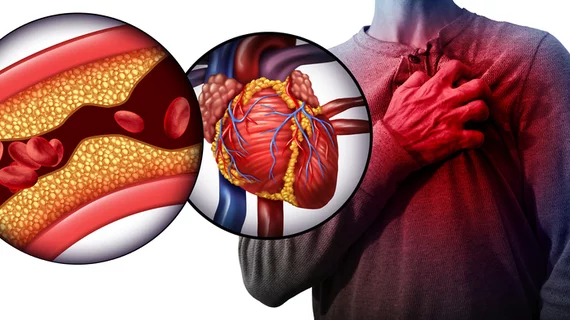
8 in 10 patients with Type 2 diabetes die of cardiovascular causes. Chronic hyperglycemia damages arterial walls, accelerates atherosclerosis, and dramatically increases the risk of heart attack and stroke.
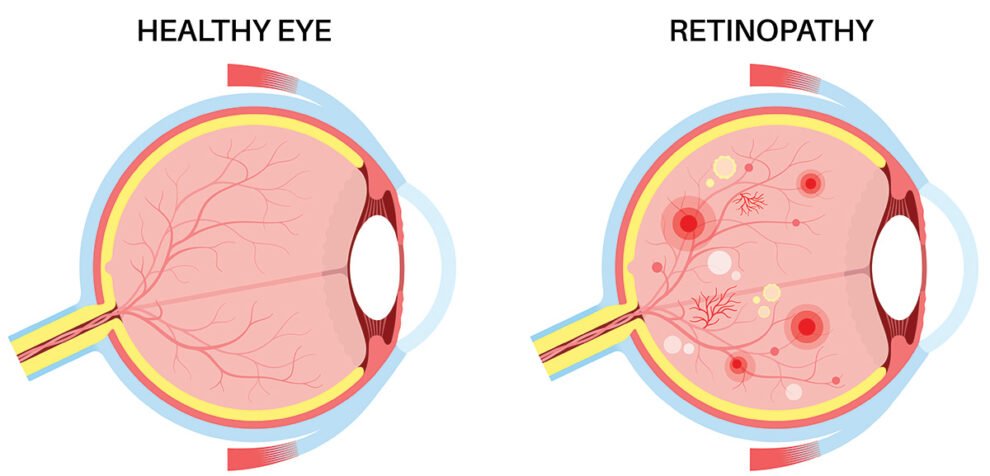
Diabetic Retinopathy

Diabetic Retinopathy

The leading cause of blindness in working-age adults. Microvessel damage in the retina progresses silently. Dr. Ali uses AI-augmented retinal screening with no need for dilating eye drops to provide an instant assessment of your retinal health.
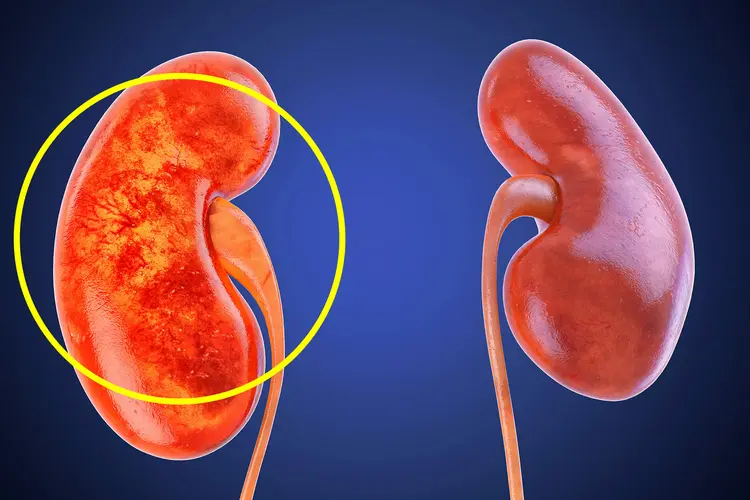
Diabetic Nephropathy

Diabetic Nephropathy

The leading cause of kidney failure in the UAE. Elevated blood glucose and blood pressure damage the kidney’s filtration system, measurable via urine microalbumin years before function is significantly impaired.

Peripheral Neuropathy

Peripheral Neuropathy

Nerve damage causes numbness, burning pain, and complete loss of sensation in the feet, leading to undetected wounds. Dr. Ali uses advanced Sudoscan testing for a quick and objective assessment, without needles.
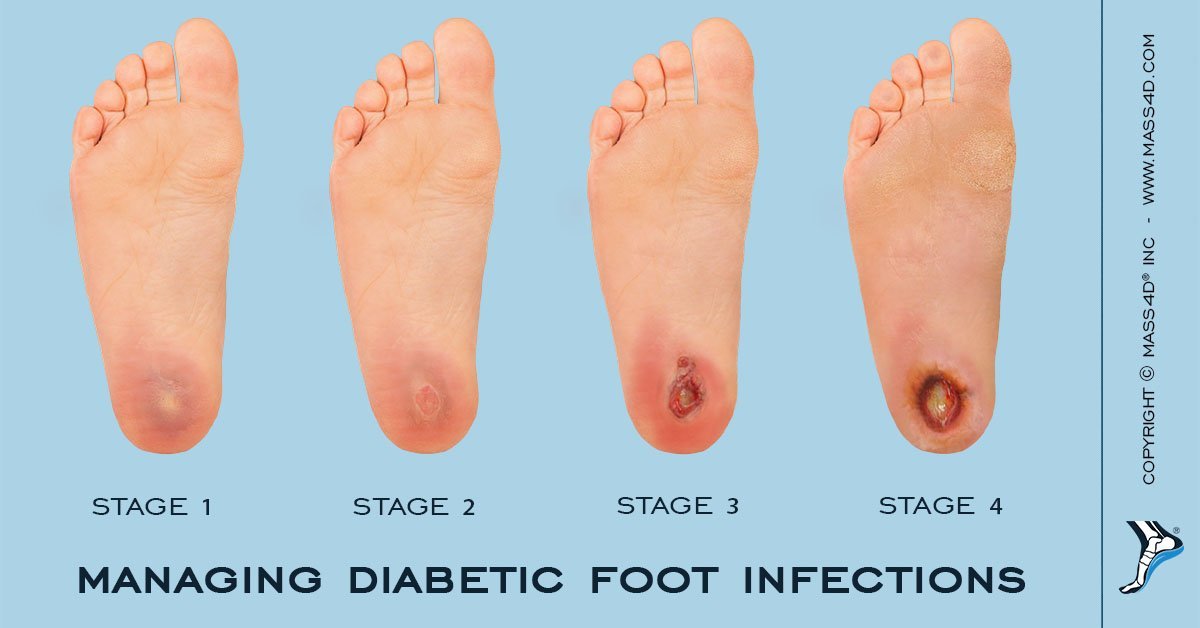
Diabetic Foot Disease

Diabetic Foot Disease

A combination of neuropathy, poor circulation, and impaired immunity creates the conditions for diabetic foot ulcers, a leading cause of lower limb amputation. Dr. Ali uses the monofilament test and Sudoscan to detect early neuropathy.
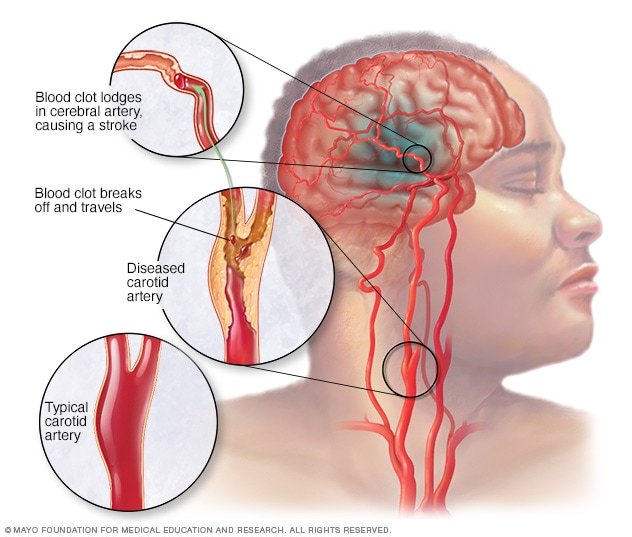
Stroke

Stroke

Patients with Type 2 diabetes are 2-4 times more likely to have a stroke. Cardiovascular risk reduction — through glucose control, blood pressure management, and lipid optimisation — is built into every treatment plan.
Related Conditions and Services

Endocrinologist Available in Dubai, UAE

Ready to Take Control of Your Type 2 Diabetes?

Dr. Ali Aldibbiat offers specialist Type 2 diabetes consultations at Newcastle Vitality Polyclinic Jumeirah clinic in Dubai, including HOMA-IR assessment, personalized treatment plan, and remission evaluation. No referral required.

📅 Book a Consultation

What Patients Say

Dr. Ali Aldibbiat’s Type 2 diabetes patients come from across Dubai and the UAE, many having spent years on inadequate treatment before finding the precision care that actually works.

Frequently Asked Questions Metabolic Treatments in Dubai

Type 2 diabetes is a chronic metabolic condition in which the body becomes resistant to insulin or produces insufficient insulin, causing persistently elevated blood glucose. It is the most common form of diabetes, accounting for ~95% of all cases, and is particularly prevalent in the UAE due to lifestyle and genetic factors. Unlike Type 1 diabetes, Type 2 is largely preventable and, in many cases, reversible with the right treatment. Dr. Ali Aldibbiat offers precise type 2 diabetes diagnosis and treatment at his Jumeirah clinic in Dubai; no referral is required.

Yes, Type 2 diabetes can be put into remission in many patients. Remission means achieving normal blood glucose levels without diabetes medication. It is most achievable in patients diagnosed within the past 10 years, with significant weight loss (typically 10-15 kg) and preserved beta-cell function. Dr. Ali Aldibbiat uses GLP-1 receptor agonist therapy (Ozempic, semaglutide), HOMA-IR monitoring, and precision nutrition protocols to support remission in appropriate patients at his Dubai clinic.

Type 2 diabetes is often asymptomatic for years. When symptoms do appear, they include excessive thirst, frequent urination, persistent fatigue, blurred vision, slow wound healing, tingling or numbness in the hands and feet, recurrent infections, and unexplained weight changes. Many patients in Dubai are diagnosed only after routine blood tests or when complications have already begun. If you have risk factors, family history, obesity, metabolic syndrome, or UAE or South Asian heritage, early HOMA-IR screening is strongly recommended.

Type 2 diabetes treatment depends on your HbA1c, insulin resistance level (HOMA-IR), cardiovascular risk, and body composition. Dr. Ali Aldibbiat’s treatment options include lifestyle modification and medical nutrition therapy (first-line); oral medications (metformin, SGLT2 inhibitors, and DPP-4 inhibitors); GLP-1 receptor agonists (Ozempic and Mounjaro—for glucose control, weight loss, and remission); and insulin therapy when indicated. Every Type 2 diabetes treatment plan at draliendo.com is built on metabolic data, not a standard protocol.

Type 1 diabetes is an autoimmune condition where the immune system destroys insulin-producing beta cells — it is present from childhood, requires lifelong insulin therapy, and cannot be reversed. Type 2 diabetes develops gradually through insulin resistance and beta-cell decline, typically in adulthood, and can often be managed or reversed with lifestyle changes, oral medications, and GLP-1 therapy. Dr. Ali Aldibbiat treats both Type 1 and Type 2 diabetes at his Jumeirah clinic in Dubai.

Not necessarily. Many patients with type 2 diabetes are successfully managed with lifestyle changes, oral medications, and GLP-1 receptor agonists without ever needing insulin. Insulin is used when HbA1c remains significantly elevated despite optimal oral therapy, when beta-cell function is severely impaired, or during periods of acute illness. Dr. Ali Aldibbiat determines whether insulin is needed based on your HOMA-IR score, HbA1c trajectory, and metabolic profile, not a one-size-fits-all protocol.

Dr. Ali Aldibbiat’s Endocrinology Clinic in Dubai, UAE

Dr. Ali Aldibbiat runs an endocrinology Newcastle Vitality Polyclinic at 109 Century Plaza, Jumeirah Beach Road, Jumeirah 1, Dubai, UAE. He also sees patients at Mediclinic City Hospital, Dubai. Patients from across Dubai, Abu Dhabi, Sharjah, and the wider UAE and Gulf region travel to his Jumeirah clinic for specialist endocrine and metabolic care. If you are searching for the best endocrinologist near me in Dubai, no referral is required; book directly at draliendo.com.