

Type 1 Diabetes Specialist in Dubai: Expert Diagnosis and Insulin Management
20+ Years Clinical Experience | FRCP (London) | FRCP (Edinburgh) | PhD Researcher | Associate Professor | Jumeirah, Dubai
Type 1 diabetes is a lifelong autoimmune condition requiring expert, personalized management from the moment of diagnosis. In Dubai, Dr. Ali Aldibbiat combines 20 years of specialist endocrinology experience with original research in islet transplantation and beta-cell science to deliver precision care. From advanced insulin therapy and continuous glucose monitoring to emerging treatments, including closed-loop systems, patients seeking type 1 diabetes treatment in Dubai access the full range of contemporary management at his Jumeirah clinic. Whether you are newly diagnosed or seeking better control, specialist type 1 diabetes treatment is available now.
What Is Type 1 Diabetes?
FEATURED SNIPPET TARGET Type 1 diabetes is a chronic autoimmune condition in which the immune system attacks and destroys the insulin-producing beta cells of the pancreas. Without insulin, the body cannot regulate blood glucose. Lifelong insulin therapy is required from the point of diagnosis. It can develop at any age, though onset is most common in children, adolescents, and young adults. |
Unlike Type 2 diabetes, which often develops gradually due to insulin resistance and lifestyle factors, Type 1 diabetes is not caused by diet, weight, or inactivity. The immune system’s attack on the beta cells is triggered by a combination of genetic predisposition and environmental factors, including certain viral exposures. The result is a permanent deficiency of insulin, the hormone responsible for allowing glucose to enter cells and provide energy. Patients seeking type 1 diabetes treatment in Dubai require close supervision from a specialist endocrinologist throughout their lives to prevent serious complications.
In the UAE, Type 1 diabetes accounts for a smaller proportion of overall diabetes cases compared to Type 2, but the management demands are significantly higher. Continuous monitoring of blood glucose levels, precise insulin dosing, and regular review by an endocrinologist are not optional they are essential. Dr. Ali Aldibbiat’s clinic at Jumeirah Beach Road, Dubai, offers comprehensive type 1 diabetes treatment in Dubai supported by advanced diagnostics and the latest insulin delivery technologies.
Type 1 Diabetes Treatment in Dubai
There is currently no cure for Type 1 diabetes. Treatment in Dubai focuses on achieving stable blood glucose levels through insulin therapy, continuous monitoring, and lifestyle management. Dr. Ali Aldibbiat builds personalized treatment plans for every patient at his Jumeirah clinic.
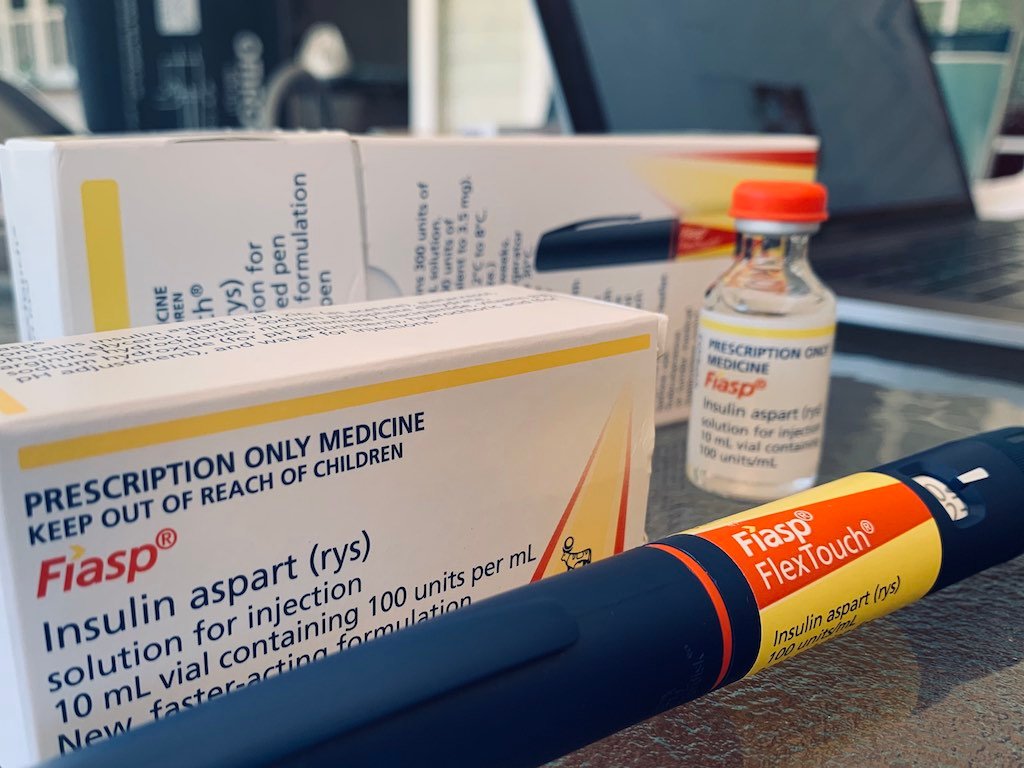
Rapid-Acting Insulin
Administered before meals to manage postprandial glucose spikes. Examples include insulin aspart (NovoRapid), insulin lispro (Humalog), and insulin glulisine. Dosing is calculated per carbohydrate intake and current glucose level.
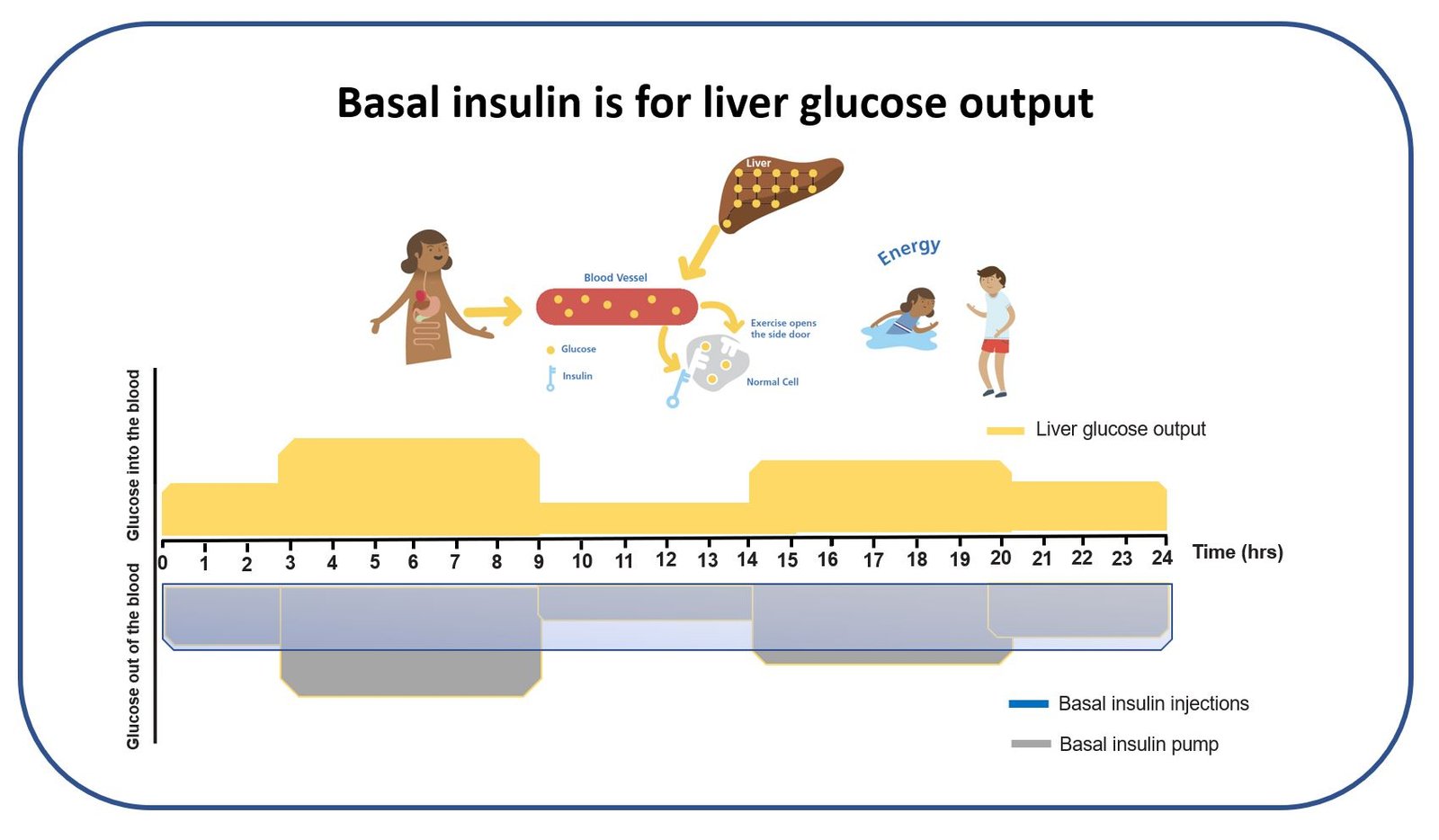
Long-Acting (Basal) Insulin
Administered once or twice daily to maintain background insulin levels. Examples include insulin glargine (Lantus, Toujeo) and insulin detemir (Levemir). Basal-bolus regimens combining rapid and long-acting insulin are the gold standard for Type 1.
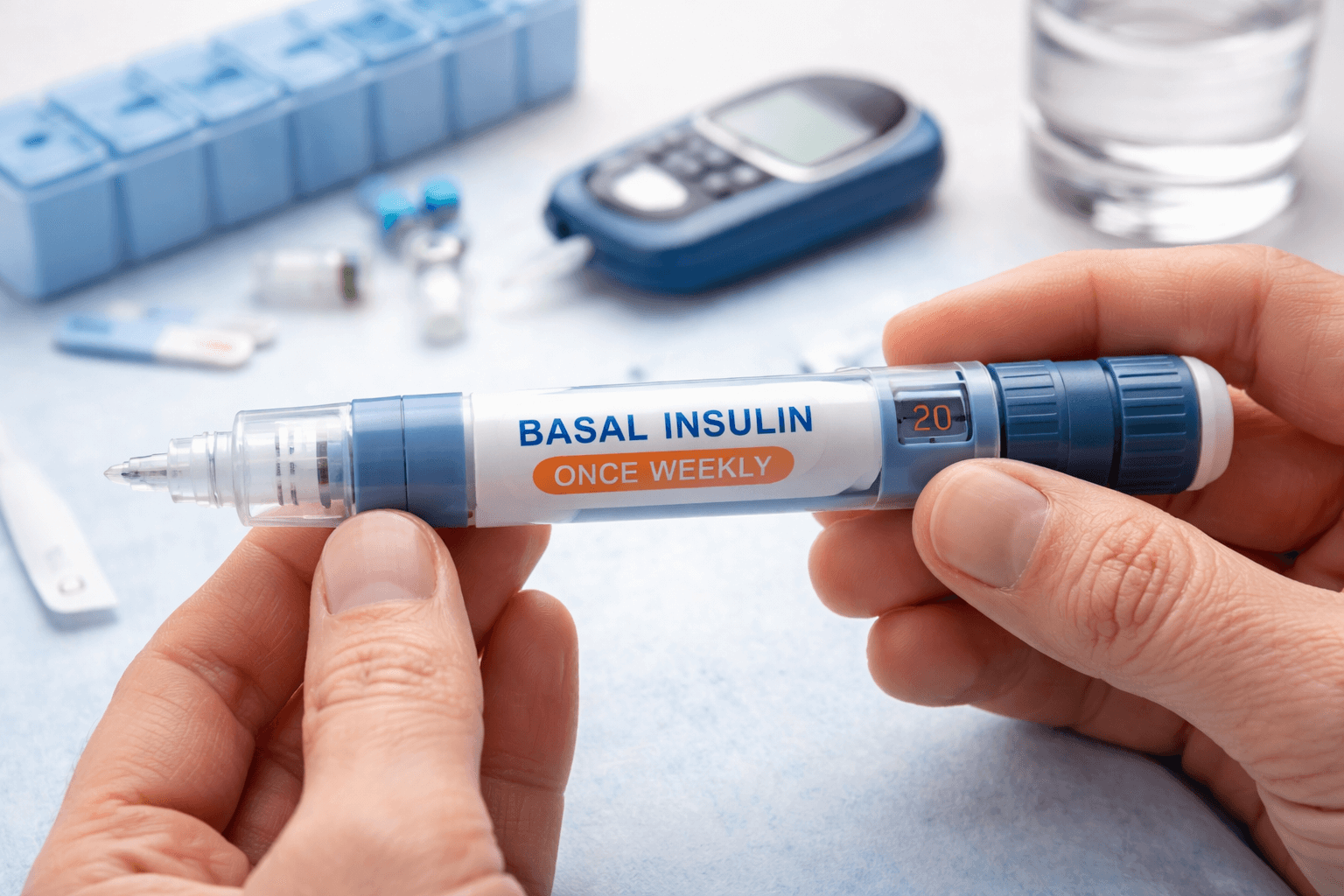
Insulin Pen Therapy
Insulin pens (reusable or disposable) are the most widely used delivery method. They are convenient, discreet, and allow precise dosing. All major insulin brands are available across Dubai pharmacies.
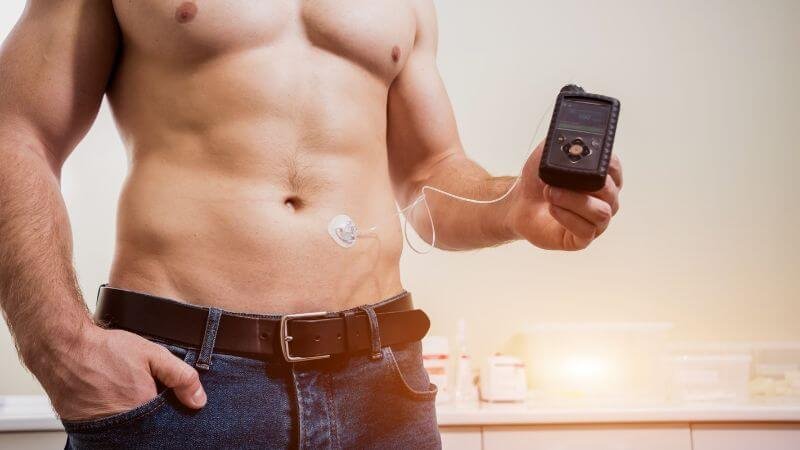
Insulin Pump (CSII) Therapy
Insulin pumps deliver a continuous basal rate of rapid-acting insulin via a cannula placed under the skin. Bolus doses are programmed before meals. Pumps are particularly beneficial for patients with highly variable glucose patterns or frequent hypoglycemia.
Carbohydrate Counting
Effective Type 1 management requires patients to calculate insulin doses based on carbohydrate intake and target blood glucose. Dr. Ali's clinical team provides structured education in insulin-to-carb ratios and correction factors for Dubai patients.
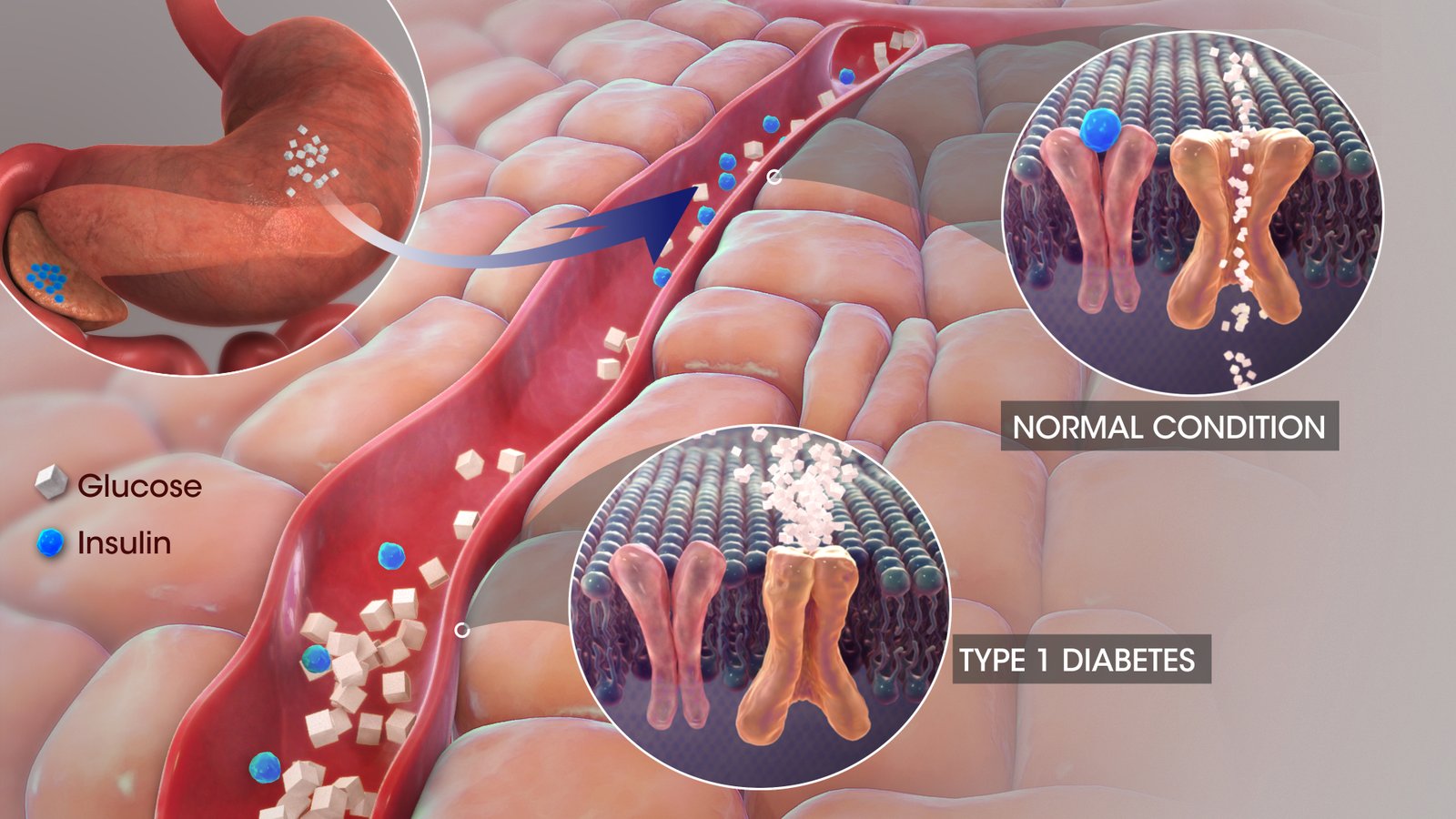
Insulin therapy alone is not sufficient for optimal type 1 diabetes treatment in Dubai. Regular HbA1c monitoring, structured review appointments, and adjustment of therapy in response to lifestyle changes and new clinical data are all part of comprehensive care. Patients attending Dr. Ali Aldibbiat's Dubai clinic benefit from a consistent, evidence-based framework reviewed against international ADA, EASD, and ATTD guidelines.
Symptoms of Type 1 Diabetes
Type 1 diabetes can present suddenly and with significant severity. Recognizing the early warning signs and seeking prompt medical treatment can prevent dangerous complications.
Excessive Thirst
Persistent and intense thirst that does not resolve with fluid intake. The body attempts to dilute elevated blood glucose levels.
Frequent Urination
High glucose levels cause the kidneys to work harder to filter excess sugar, leading to increased urine output.
Weight Loss
Because the body cannot access glucose, it breaks down fat and muscle, resulting in rapid weight loss.
Extreme Fatigue
Without insulin to facilitate glucose uptake, the body is starved of energy. Persistent fatigue occurs.
Blurred Vision
Rapid fluctuations in blood glucose levels cause fluid shifts in the lens of the eye, leading to blurred vision.
Warning: Diabetic Ketoacidosis (DKA)
If untreated, Type 1 diabetes can progress to DKA, a life-threatening emergency. Symptoms include fruity-smelling breath, nausea, vomiting, abdominal pain, and rapid breathing. Seek emergency care immediately.
If you or your child are experiencing any of these symptoms in Dubai, do not delay. Early diagnosis and prompt treatment prevents DKA and establishes lifelong management.
Book AppointmentAdvanced Technology for Type 1 Diabetes Management
Dubai offers some of the most advanced diabetes technology available globally. Integration of real-time monitoring and automated insulin delivery systems is now the standard of care. Dr. Ali Aldibbiat ensures patients have access to the full range of contemporary treatments.
Continuous Glucose Monitoring
CGM devices such as FreeStyle Libre and Dexcom G7 provide real-time blood glucose readings without finger-prick tests. Alarms warn of impending highs and lows, significantly reducing hypoglycemia risk.
Insulin Pump Therapy
Particularly effective for patients with dawn phenomenon, frequent nocturnal hypoglycemia, or highly variable glucose patterns. Combined with CGM, pump therapy enables tighter control with less effort.
Closed-Loop Systems
Hybrid closed-loop systems automatically adjust insulin delivery based on CGM glucose readings, reducing both hypoglycemia and hyperglycemia. These represent the current frontier of Type 1 diabetes technology.
Teplizumab (Tzield)
The first approved therapy that can delay the progression to full clinical Type 1 diabetes in high-risk individuals. Represents an opportunity for early intervention for those with a family history.
Islet Transplantation Research & Type 1 Diabetes Science
Dr. Ali Aldibbiat's academic career is defined by original research. His PhD focused on islet transplantation, beta-cell regeneration, and stem cell therapy, placing him at the intersection of clinical care and cutting-edge science.
As Adjunct Associate Professor at MBRU Dubai, he translates laboratory insights into real-world clinical outcomes for patients in the UAE.
Type 1 vs Type 2 Diabetes: The Core Differences
While both involve high blood sugar, they are fundamentally different diseases requiring distinct clinical approaches.
A definitive diagnosis is the first step to effective management. If you are experiencing symptoms or need a specialist review in Dubai, our clinic provides comprehensive testing including C-peptide and GAD antibodies.
Schedule a Specialist ConsultationType 1 Diabetes Complications
Expert-led type 1 diabetes treatment in Dubai aims to prevent long-term damage. Understanding these risks is the first step toward proactive health management.
EMERGENCY: Diabetic Ketoacidosis (DKA)
DKA is a life-threatening emergency caused by a lack of insulin. If symptoms like fruity breath, vomiting, or confusion appear, seek immediate medical care in Dubai.
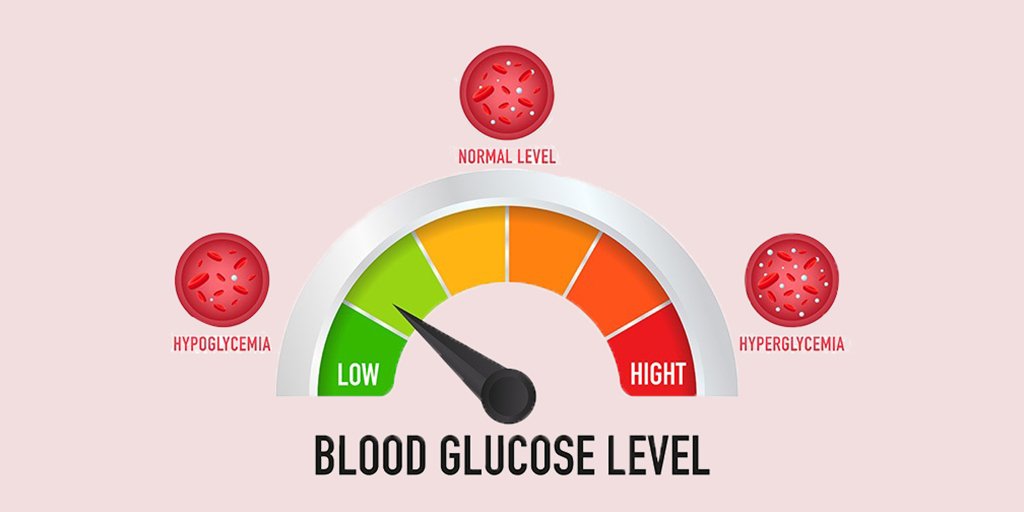
Hypoglycemia
Low blood sugar can occur suddenly. Symptoms include shakiness, sweating, and confusion. CGM technology is vital for real-time alerts and prevention.
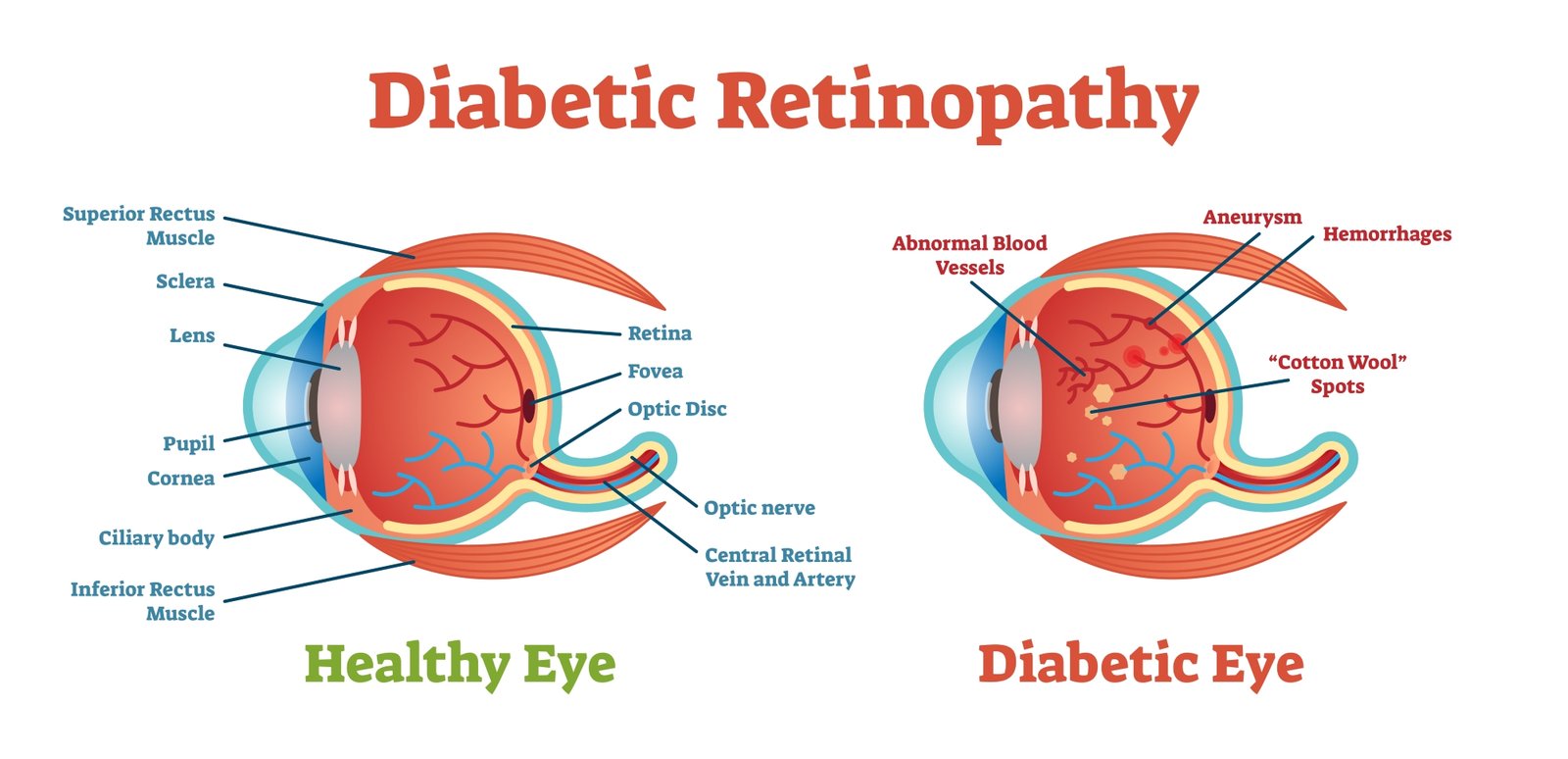
Diabetic Retinopathy
Chronic high glucose damages retinal vessels. Annual screenings are essential for early detection and preserving vision for Type 1 patients.
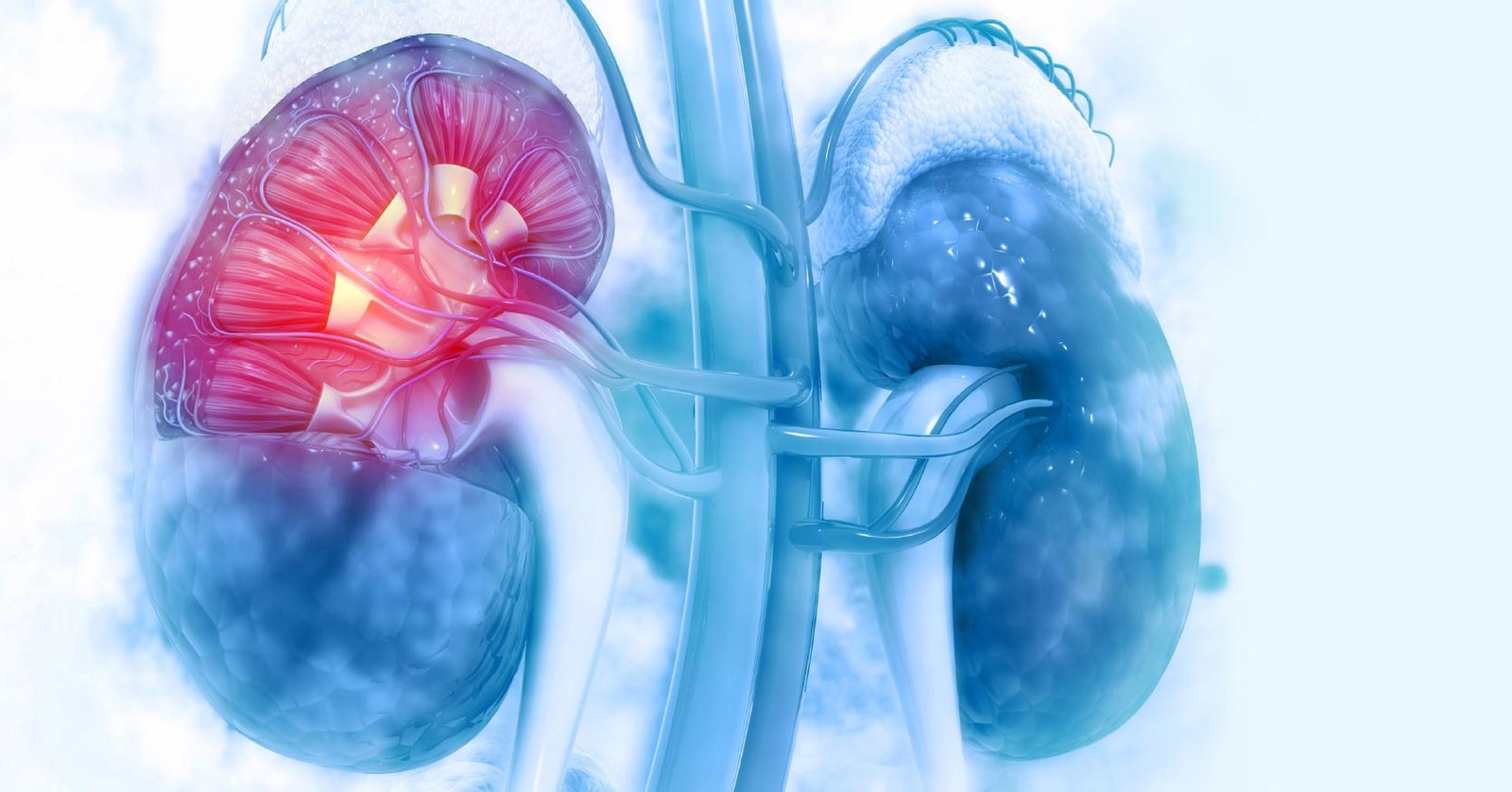
Diabetic Nephropathy
Kidney function can be impacted by long-term hyperglycemia. We focus on blood pressure control and regular testing to ensure kidney health.

Diabetic Neuropathy
Nerve damage often starts in the feet. Regular foot examinations and precise glucose management are the most effective ways to reduce this risk.
Living With Type 1 Diabetes
Practical clinical expertise combined with ongoing support to make long-term treatment sustainable in Dubai.

Dietary Precision
We provide structured education in carbohydrate counting and glycemic index to help you navigate Dubai’s food scene with confidence and accurate insulin matching.

Active Lifestyle
Don't let Type 1 stop your fitness. We develop bespoke insulin adjustment protocols and carbohydrate plans for exercise, ensuring safety and performance.
Ramadan Protocols
Fasting with Type 1 requires specialist risk stratification. Dr. Ali established clinical protocols for safe fasting, supported by real-time CGM monitoring.
Heat & Travel
Navigating Dubai's summer heat is critical for insulin stability. We provide counseling on storage solutions and travel medical documentation for global mobility.
Metabolic Health Calculator
Assess your clinical risk indicators with Dr. Ali's assessment tool.
Related Conditions and Services
Diabetes Management Hub
Overview of all diabetes types managed at Dr. Ali's Dubai clinic.
Type 2 Diabetes Treatment
Understanding the differences and overlaps between Type 1 and Type 2.
Continuous Glucose Monitoring (CGM) - To Build
Advanced glucose monitoring technology for Type 1 patients in Dubai.
Why Choose Dr. Ali Aldibbiat for Type 1
Diabetes in Dubai?
1
Research Depth - PhD in Islet Transplantation
Dr. Ali Aldibbiat is not only a practicing clinician. His original doctoral research addresses the biological mechanisms at the heart of Type 1 diabetes: islet cell transplantation, beta-cell regeneration, and insulin signaling. Patients seeking type 1 diabetes treatment in Dubai receive care informed by one of the most scientifically grounded specialists in the region.
2
Advanced Technology Access
From CGM to insulin pump therapy and closed-loop systems, Dr. Ali’s Jumeirah clinic is equipped to prescribe, manage, and optimize the full range of type 1 diabetes treatment in Dubai. No referrals are required; all are managed under one roof by a specialist endocrinologist near me.
3
Dual Royal College Fellowship - FRCP (London) + FRCP (Edinburgh)
Holding FRCP fellowships from both London and Edinburgh places Dr. Ali Aldibbiat among a very small group of consultants providing type 1 diabetes treatment in Dubai who meet the highest standards of UK postgraduate medical training. These fellowships are awarded for demonstrated excellence in clinical practice and examination performance.
What Patients Say
I would like to thank Dr. Ali Aldibbiat. He is an exceptional doctor, highly experienced in his specialty, and fully dedicated to his patients' healing.

The hospital has very great services and experienced doctors. Thanks to Dr. Ali Aldibbiat, he knew my issues from the first time. Although I have been to many places, no one could find what I was going through.
I visit Dr. Ali AlDibbiat, the endocrinologist here, who is excellent and very patient. His treatment has significantly improved my diabetes control.
Endocrinologist Available in Dubai, UAE
Ready to Take Control of Your Type 2 Diabetes?
Dr. Ali Aldibbiat offers specialist Type 2 diabetes consultations at his Jumeirah clinic in Dubai, including HOMA-IR assessment, personalized treatment plan, and remission evaluation. No referral required.
📅 Book a Consultation
Diagnostic Precision
Accurate diagnosis is the foundation of effective Type 1 treatment. Every new patient undergoes a structured workup to ensure the correct path from day one.
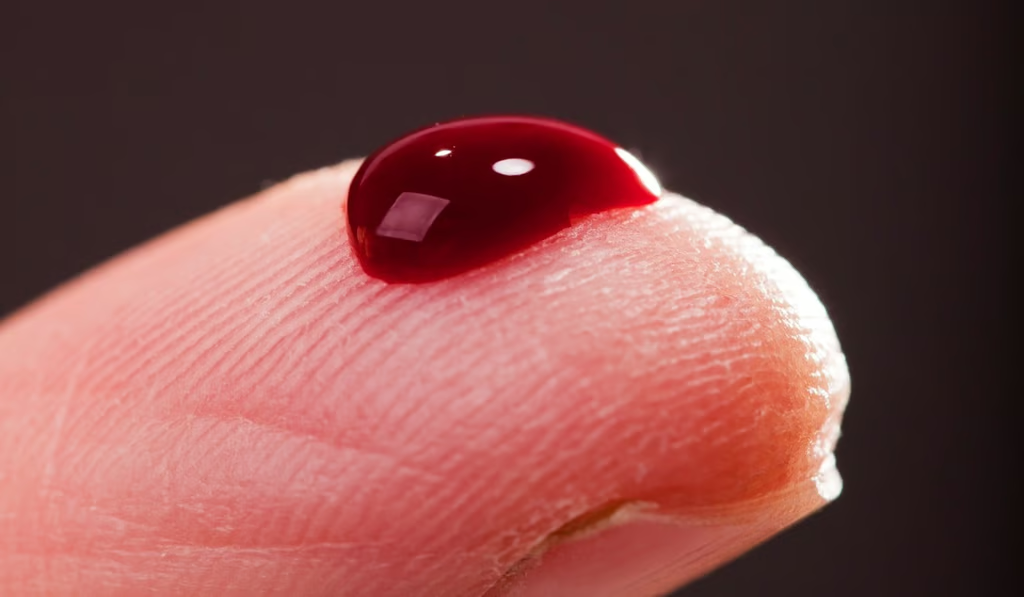
Fasting Blood Glucose
Conducted after an 8-hour fast. Readings of 7.0 mmol/L (126 mg/dL) or above on two separate occasions establish the baseline diabetes status.
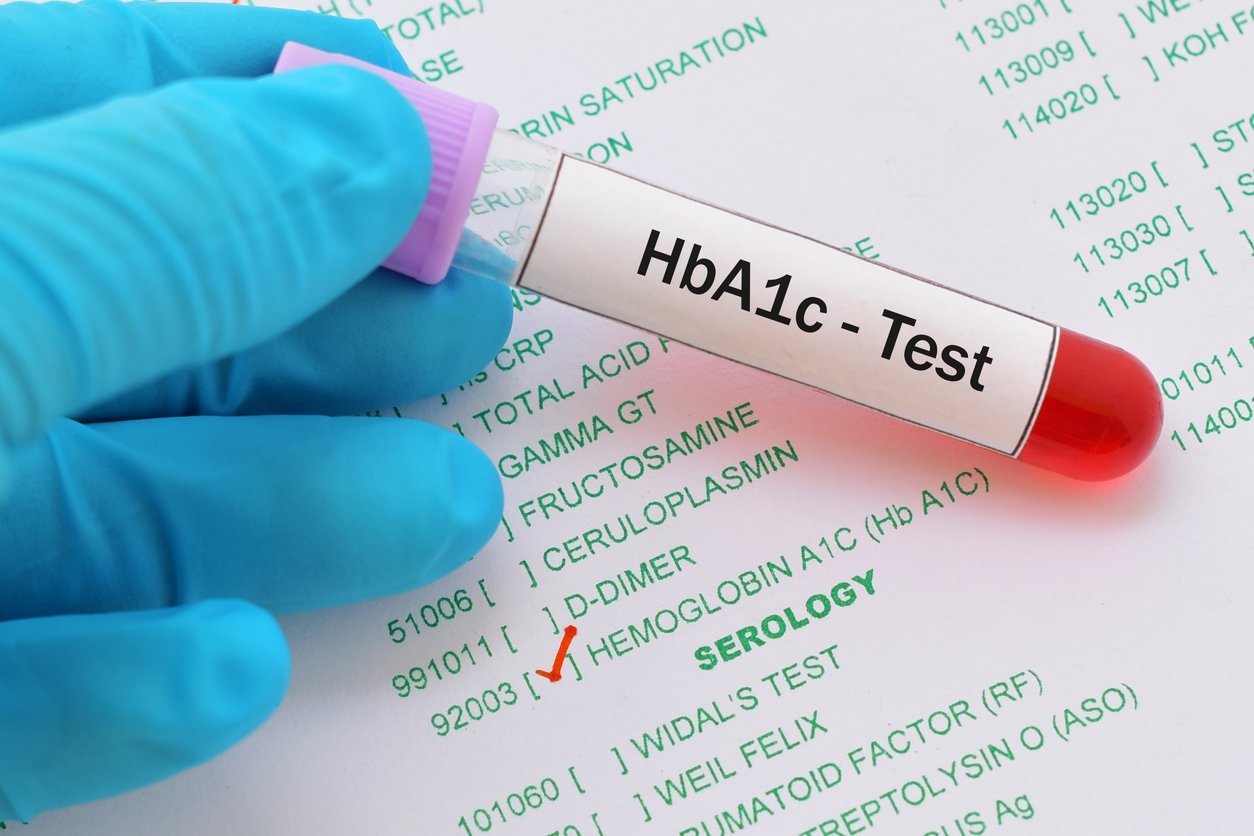
HbA1c Analysis
Measures your average blood sugar over 3 months. In Type 1 cases, we often see significantly elevated levels at the time of first clinical presentation.
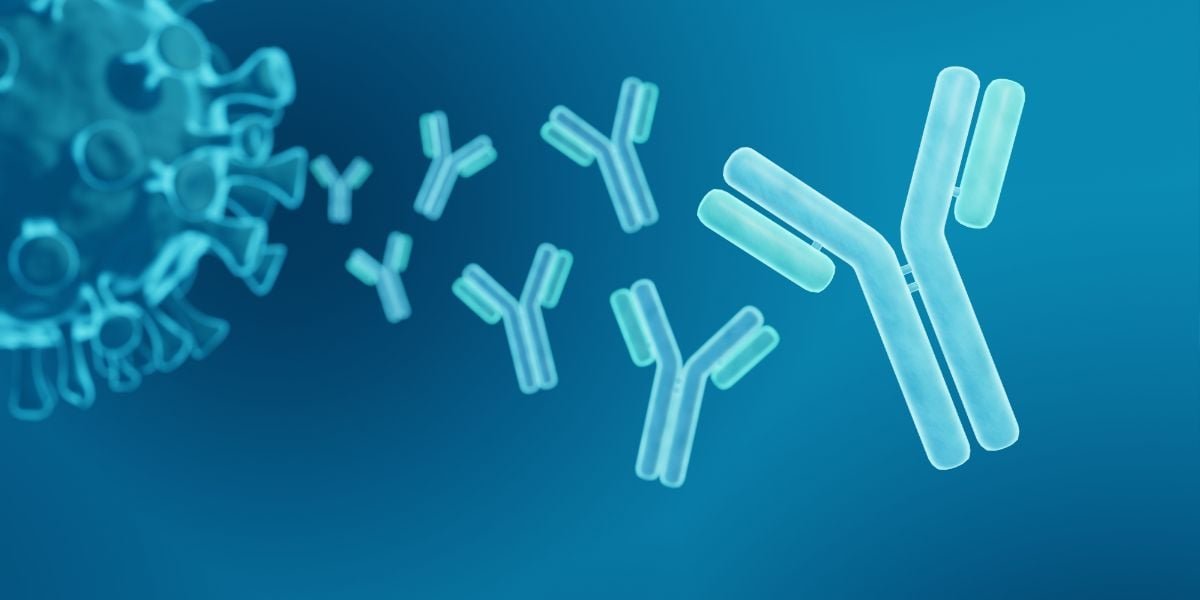
GAD Antibody Testing
Crucial for typing. These autoantibodies are present in Type 1 but absent in Type 2, allowing us to rule out other forms of diabetes precisely.
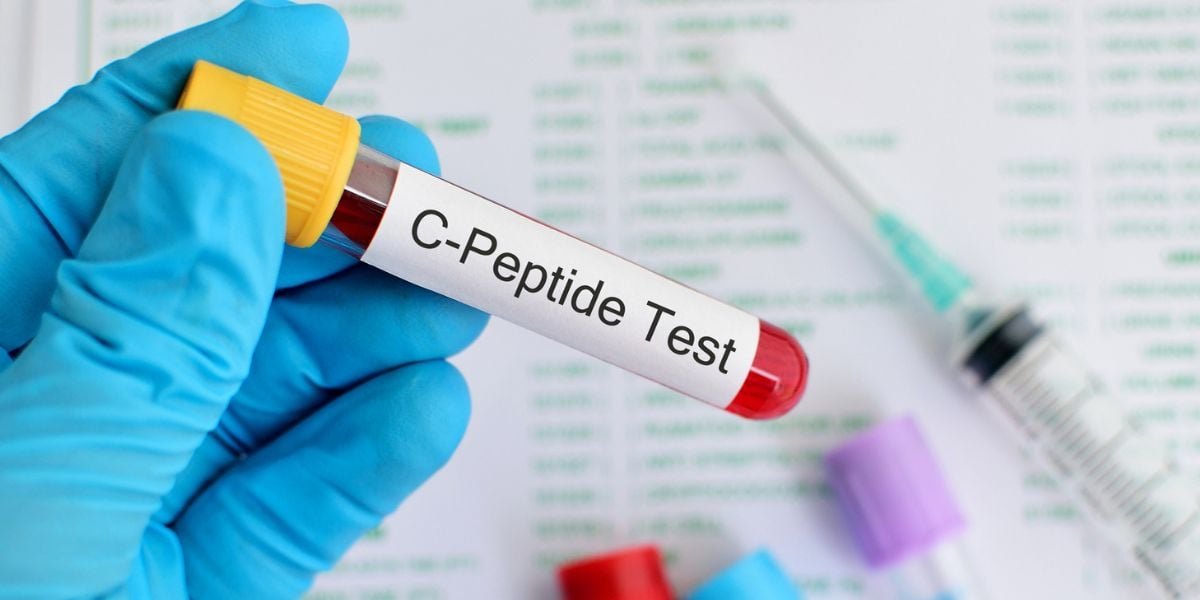
C-Peptide Evaluation
Confirms insulin production levels. Low or undetectable C-peptide is the hallmark of Type 1, helping to distinguish it from LADA in adult patients.
Correct classification determines your future health path. Our diagnostic precision ensures you receive an evidence-based roadmap tailored to your specific biology.
Frequently Asked Questions Metabolic Treatments in Dubai
There is currently no cure for Type 1 diabetes. The autoimmune destruction of beta cells is irreversible with existing therapies. However, with modern type 1 diabetes treatment in Dubai, including insulin therapy, continuous glucose monitoring, and expert specialist management, patients can achieve excellent blood glucose control and live full, healthy lives. Research into beta-cell regeneration and stem cell therapy, including work conducted by Dr. Ali Aldibbiat, continues to progress globally.
Type 1 diabetes is an autoimmune condition in which the immune system destroys insulin-producing beta cells. Patients require insulin from diagnosis and produce little or none independently. Type 2 diabetes is characterised by insulin resistance and progressive beta-cell insufficiency, is strongly associated with lifestyle factors, and may be managed initially without insulin. Both conditions require specialist care, but treatment pathways differ fundamentally. See the comparison table above for a full breakdown.
The precise cause of Type 1 diabetes is not fully understood. It is established that the immune system mistakenly attacks insulin-producing beta cells in the pancreas, but the trigger for this autoimmune response is multifactorial. Genetic factors, particularly HLA gene variants, increase susceptibility. Environmental triggers, including certain viral infections, appear to initiate or accelerate the autoimmune process in genetically predisposed individuals. Type 1 diabetes is not caused by diet, sugar intake, or being overweight.
Type 1 diabetes can develop at any age, despite being historically referred to as juvenile diabetes. While onset is most common in children, adolescents, and young adults, a significant proportion of new Type 1 diagnoses occur in adults over 30. In adults, late-onset autoimmune diabetes (LADA) can present similarly to Type 2, making specialist evaluation and autoantibody testing essential for accurate diagnosis. Dr. Ali Aldibbiat’s Dubai clinic sees patients of all ages with Type 1 and LADA.
Fasting during Ramadan with type 1 diabetes carries a substantial risk of hypoglycemia, hyperglycemia, and diabetic ketoacidosis and is generally considered high risk. Whether a specific patient can safely fast is an individual clinical decision. Dr. Ali Aldibbiat provides pre-Ramadan consultations for Muslim patients in Dubai, reviewing insulin regimens, establishing monitoring protocols, and advising on whether fasting is safe in each individual case. Do not fast with Type 1 diabetes without prior consultation with your endocrinologist.
Physical activity generally lowers blood glucose in Type 1 diabetes by increasing insulin sensitivity and glucose uptake by muscles. This effect can persist for several hours after exercise, increasing hypoglycemia risk. The type and duration of exercise matter—aerobic exercise tends to lower glucose, while high-intensity anaerobic activity can temporarily raise it. Dr. Ali Aldibbiat develops personalized exercise management plans for Type 1 patients, including guidance on pre-exercise glucose targets and insulin adjustment strategies.
Significant advances in Type 1 diabetes treatment are emerging. Teplizumab (Tzield) can delay progression to full Type 1 in high-risk individuals. Closed-loop (artificial pancreas) systems now automate insulin delivery based on real-time CGM data. Stem cell-based approaches to beta-cell regeneration remain in clinical trials but show promise. CGM technology continues to improve, with smaller devices, longer wear, and integration with insulin pumps. Patients in Dubai consulting Dr. Ali Aldibbiat have access to guidance on all current and emerging therapies.
Type 1 diabetes treatment in Dubai should be managed by a consultant endocrinologist, a specialist in hormonal and metabolic conditions, including all forms of diabetes. Dr. Ali Aldibbiat offers specialist type 1 diabetes treatment in Dubai with a specific clinical and research focus. His clinic at 109 Century Plaza, Jumeirah Beach Road, Jumeirah 1, Dubai, provides comprehensive type 1 diabetes treatment, including diagnosis, insulin optimization, advanced technology, and ongoing specialist review. Contact +971 58 588 2295 or book at /contact-2/. Also search for type 1 diabetes treatment near me.
Dr. Ali Aldibbiat’s Endocrinology Clinic in Dubai, UAE
Dr. Ali Aldibbiat runs an endocrinology clinic at 109 Century Plaza, Jumeirah Beach Road, Jumeirah 1, Dubai, UAE. He also sees patients at Mediclinic City Hospital, Dubai. Patients from across Dubai, Abu Dhabi, Sharjah, and the wider UAE and Gulf region travel to his Jumeirah clinic for specialist endocrine and metabolic care. If you are searching for the best endocrinologist near me in Dubai, no referral is required; book directly at draliendo.com.

