
Erectile Dysfunction
Erectile dysfunction is not always an isolated problem. Hormonal imbalance, diabetes, metabolic health, circulation, medication and emotional wellbeing can all play a role. A specialist assessment helps uncover what is actually happening — discreetly and without judgement.
What Is Erectile Dysfunction?
Erectile dysfunction is not simply an age-related change. In many men, it reflects a treatable hormonal, vascular, neurological or metabolic condition that deserves proper clinical assessment.
Erectile dysfunction is the persistent difficulty achieving or maintaining an erection sufficient for satisfactory sexual activity.
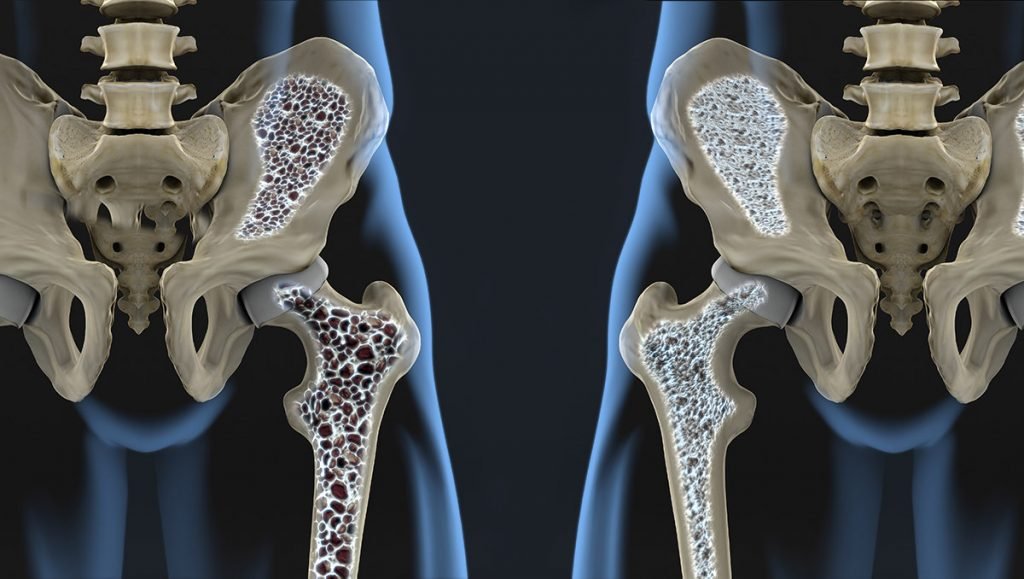
A normal erection depends on coordinated interaction between hormones, blood vessels, nerves and metabolic health. A disruption anywhere within this system can contribute to erectile dysfunction.
Hormonal
Testosterone, prolactin, pituitary and thyroid function.
Vascular
Healthy arterial inflow and the ability to retain blood.
Neurological
Nerve signalling, including diabetes-related nerve damage.
Metabolic
Diabetes, insulin resistance, weight and blood pressure.
Treatment works best when the hormonal, metabolic and vascular drivers are identified rather than focusing only on temporary symptom relief.
Erectile dysfunction rarely has only one cause.
A successful treatment strategy starts by understanding what is driving the problem. Hormonal health, circulation, metabolic conditions, medication, lifestyle and emotional wellbeing can overlap — which is why specialist assessment matters.
The real question is not only “How do we treat ED?”
It is “Why is it happening in the first place?” Looking beyond the symptom allows treatment to address the wider hormonal and metabolic picture instead of relying only on short-term solutions.
Testosterone & hormonal imbalance
Low testosterone and other endocrine disorders may affect sexual desire, energy, mood and erectile function.
Diabetes & metabolic health
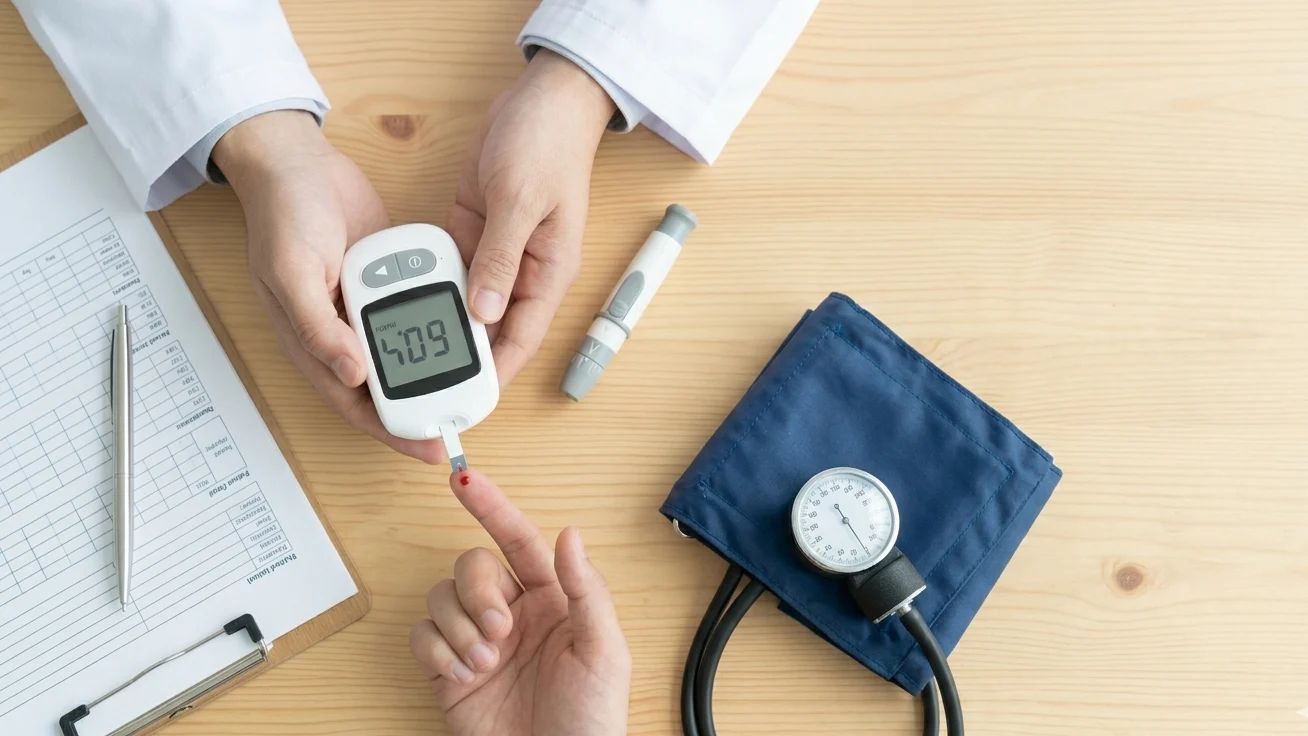
High glucose, insulin resistance and obesity can affect both nerve function and blood vessels involved in erections.
Circulation & cardiovascular health
Erectile function depends on healthy blood flow, making vascular and cardiovascular health an important part of the clinical picture.
Stress, sleep & lifestyle
Anxiety, poor sleep, smoking, alcohol, inactivity and relationship stress may cause or worsen erectile problems.
The cause can be multifactorial. Several contributors may be present at the same time, which is why treatment should follow assessment rather than assumptions.
Book an assessment →Symptoms of Erectile Dysfunction and When to Seek Specialist Help
Hormonal ED often appears as a group of sexual, energy, mood, and body-composition changes. The pattern helps direct the workup.
- ED has remained consistent for more than 3 months.
- Libido or morning erections have noticeably reduced.
- You have diabetes, obesity, or metabolic syndrome.
- You are under 50 with no clear temporary cause.
Difficulty Achieving or Maintaining an Erection
Clinically significant when consistent for three months or more and not explained by acute stress, alcohol, or fatigue alone.
Reduced Morning Erections
A decrease or loss of spontaneous morning erections can be an important clue in the hormonal assessment.
Decreased Libido
Reduced sexual desire alongside ED increases suspicion of testosterone or another endocrine driver.
Fatigue and Low Energy
Persistent fatigue, reduced motivation, and declining muscle performance may accompany testosterone deficiency.
Mood Changes
Low mood, irritability, reduced confidence, or depression may be part of a wider hormonal symptom pattern.
Weight Gain and Muscle Loss
Increasing central fat with reduced lean mass points toward insulin resistance, metabolic syndrome, or low testosterone.
How Erectile Dysfunction Is Diagnosed in Dubai
Diagnosis begins by mapping the endocrine and metabolic causes before deciding which treatment path is appropriate.
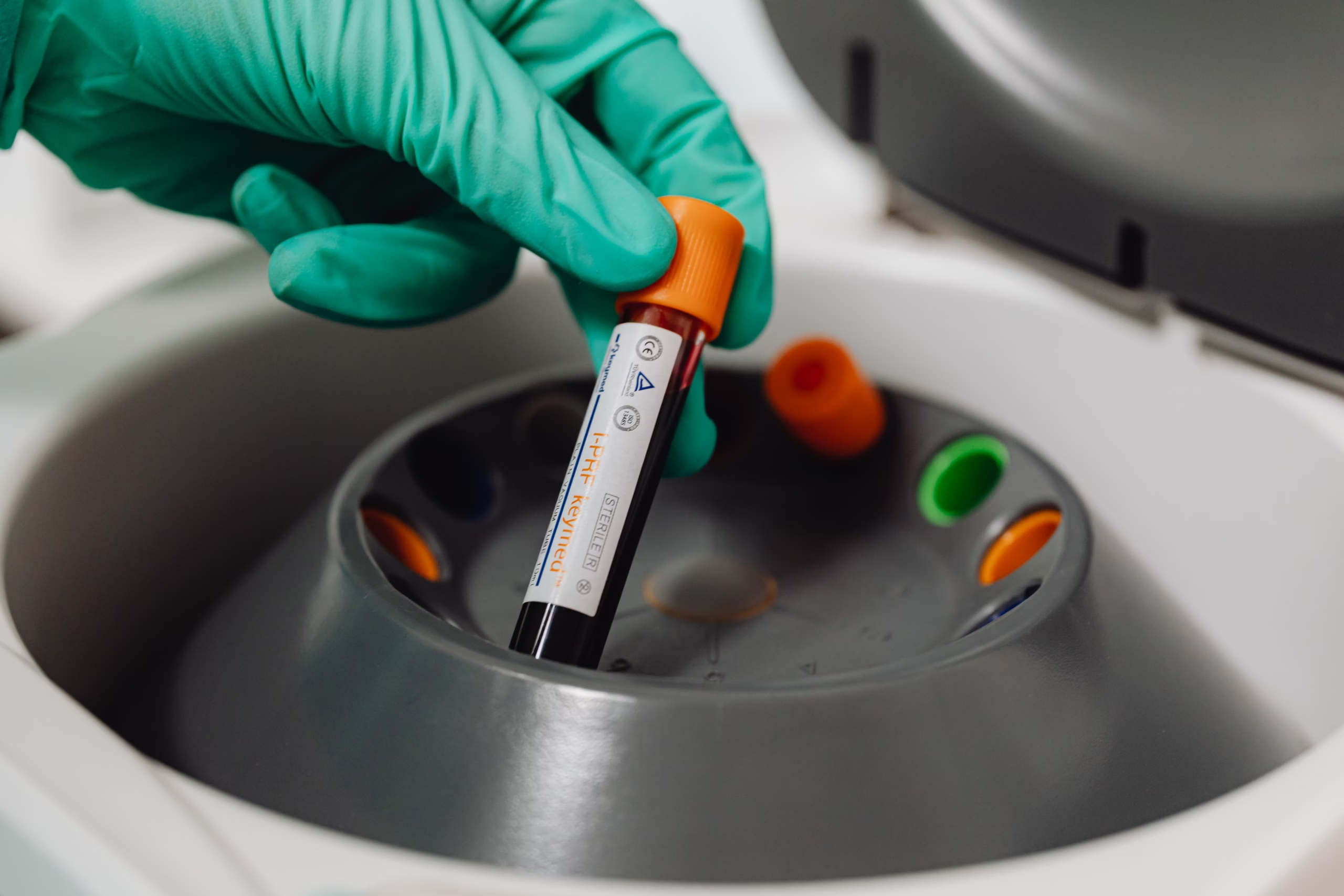
Testosterone Panel
Total testosterone, free testosterone and SHBG show the biologically available hormone level. A low result is confirmed on a separate morning.
Pituitary Hormones + Prolactin
LH and FSH help distinguish testicular from pituitary causes. Prolactin testing checks for hormonal suppression from hyperprolactinemia.
Metabolic and Diabetes Panel
Glucose, HbA1c, fasting insulin, lipids and blood pressure identify diabetes, insulin resistance and vascular risk affecting erectile function.
Thyroid Function
TSH and free T4 assess underactive or overactive thyroid function as a treatable contributor to libido and erectile symptoms.
The structured workup brings the hormonal, metabolic and cardiovascular picture together so treatment addresses the active causes, not only the symptom.
Book Your Hormonal Workup →A Personalised Hormonal Approach
The most effective treatment depends on the active cause. Dr. Ali Aldibbiat builds each plan around the patient’s confirmed hormonal, metabolic, vascular, and lifestyle profile.
One profile. Multiple coordinated levers.
Treatment may combine hormone correction, metabolic optimisation, medication, and lifestyle support. The combination is selected only after the diagnostic workup is complete.
Testosterone Replacement Therapy
When low testosterone is confirmed on two separate morning measurements, and symptoms and safety checks support treatment, TRT may be offered as an injection, gel, or patch.
PDE5 Inhibitors, in the Right Role
Sildenafil or tadalafil can support erectile response, but they are most useful within a complete plan. Untreated testosterone deficiency or poorly controlled diabetes can limit response.
Prolactin-Lowering Therapy
When elevated prolactin suppresses testosterone and contributes to ED, treatment targets the prolactin disorder itself. The plan depends on the cause, including medication, thyroid, or pituitary disease.
Diabetes and Metabolic Optimisation
Glucose control, insulin sensitivity, weight, blood pressure, lipids, and testosterone are managed as one connected clinical picture rather than separate problems.
Lifestyle Support That Reinforces Treatment
Aerobic activity, weight reduction where appropriate, smoking cessation, and better sleep support endothelial function, insulin sensitivity, and the normal nocturnal hormone rhythm.
The required tests and treatment pathway are discussed clearly at the consultation, including expected monitoring and follow-up.
Discuss Your Treatment Options →Erectile Dysfunction & Diabetes
Diabetes can affect erectile function through several overlapping pathways. Nerve signalling, vascular health and testosterone can all be affected, which is why diabetes-related ED benefits from a combined endocrine and metabolic approach.
Three biological pathways can converge on the same symptom.
Autonomic Neuropathy
Nerve damage can disrupt the signals that initiate and sustain erection.
Diabetic Vasculopathy
Vascular damage reduces arterial inflow and endothelial response.
Associated Low Testosterone
Diabetes and insulin resistance are frequently accompanied by reduced testosterone and libido.
One coordinated clinical plan.
Instead of treating each contributor separately, the management strategy brings glucose control, insulin resistance, hormonal assessment and ED treatment into one pathway.

experience
Why Choose Dr. Ali for Erectile Dysfunction Treatment in Dubai?
Dr. Ali Aldibbiat brings more than 20 years of specialist endocrinology experience to erectile dysfunction care. His work in testosterone deficiency, diabetes, insulin resistance, and pituitary disorders allows the hormonal and metabolic causes of ED to be evaluated together.
This is particularly valuable for men who have not responded fully to standard ED medication or whose wider symptoms suggest an endocrine cause.
Root-Cause Endocrinology
Testosterone, prolactin, thyroid, diabetes, and insulin resistance are investigated as one clinical picture.
Combined Diabetes and ED Care
Metabolic control and erectile function are managed together rather than in separate treatment pathways.
Evidence-Based TRT
Testosterone is prescribed only after biochemical deficiency, symptoms, and clinical suitability are established.
Begin with a complete hormonal and metabolic workup, then move forward with a treatment plan built around your diagnosis.
Book a Private Consultation →What Our Patients Say
I would like to thank Dr. Ali Aldibbiat. He is an exceptional doctor, highly experienced in his specialty, and fully dedicated to his patients’ healing.
The hospital has very great services and experienced doctors. Thanks to Dr Ali Aldibbiat he knew my issues from the first time. Although I have been to many places no one could find what I was going through.
I visit Dr. Ali AlDibbiat the endocrinologist here who is excellent and very patient. His treatment has significantly improved my diabetes control.
Related Conditions and Treatments
Male Hormonal Health Hub
Explore the connected hormonal conditions affecting energy, sexual health, weight, and long-term wellbeing.
Coming Soon
Low Testosterone
Understand diagnosis, morning testing, treatment eligibility, and long-term monitoring in Dubai.

Diabetes Management
Specialist support for type 1, type 2, insulin resistance, and diabetes-related complications.
Explore the Page →Specialist erectile dysfunction treatment in Dubai addresses multiple potential causes. Erectile dysfunction has hormonal, vascular, neurological, and psychological causes. The most common hormonal causes are low testosterone (hypogonadism), elevated prolactin, and diabetes-related hormonal disruption. Vascular causes - damage to blood vessels from diabetes, hypertension, or smoking - are the most prevalent organic driver. In Dubai, where diabetes affects approximately 19% of adults, the combination of hormonal and vascular factors accounts for the majority of ED cases. A comprehensive hormonal and metabolic workup identifies the specific cause and guides the most effective erectile dysfunction treatment in Dubai.
Yes. Low testosterone is one of the most important hormonal causes requiring erectile dysfunction treatment in Dubai. Testosterone is essential for libido, penile sensitivity, and the neurological pathways underlying erection. Low testosterone - total testosterone below 12 nmol/L on two separate morning measurements - directly causes reduced sexual desire and erectile difficulty. Absent or reduced morning erections are a specific indicator of testosterone deficiency. Testosterone replacement therapy (TRT), when testosterone deficiency is confirmed and contraindications excluded, significantly improves erectile function, libido, energy, and mood. Dr. Ali Aldibbiat tests total and free testosterone, LH, FSH, SHBG, and prolactin at the first consultation at his Jumeirah, Dubai clinic.
Yes. Erectile dysfunction treatment in Dubai covers the full spectrum of hormonal and metabolic causes. Erectile dysfunction is highly treatable - the key is identifying the underlying cause before selecting treatment. Dr. Ali Aldibbiat provides specialist erectile dysfunction treatment in Dubai at 109 Century Plaza, Jumeirah Beach Road, Jumeirah 1. His approach covers the full hormonal evaluation (testosterone, prolactin, thyroid), metabolic assessment (diabetes, insulin resistance), and personalised treatment including TRT where testosterone deficiency is confirmed, PDE5 inhibitors on an optimised hormonal foundation, and metabolic optimisation for diabetes-related ED. No referral required. Book through WhatsApp or call +971 58 588 2295.
The best erectile dysfunction treatment in Dubai depends on the specific hormonal or metabolic cause. For hormonal ED from low testosterone: TRT is the definitive treatment. For diabetes-related ED: optimising HbA1c, treating insulin resistance, and addressing associated low testosterone produces the most meaningful improvement. PDE5 inhibitors (sildenafil, tadalafil) work significantly better when the hormonal environment is first optimised - they are less effective in the context of untreated testosterone deficiency. Dr. Ali Aldibbiat builds a personalised erectile dysfunction treatment plan for each Dubai patient based on their specific hormonal and metabolic profile.
Yes. Diabetes-related erectile dysfunction treatment in Dubai requires an integrated hormonal and metabolic approach. Diabetes is the leading organic cause of erectile dysfunction globally - up to 75% of men with long-standing type 2 diabetes develop significant ED. The mechanisms are threefold: autonomic neuropathy disrupts the nerve signals controlling erection, vascular damage reduces penile blood flow, and diabetes is strongly associated with low testosterone. In Dubai, where diabetes affects approximately 19% of adults, diabetic ED is the most common pattern seen in clinical practice. Managing both conditions simultaneously - optimising diabetes control with GLP-1 therapy and addressing testosterone deficiency - is Dr. Ali Aldibbiat’s integrated approach at his Dubai clinic.
For specialist erectile dysfunction treatment in Dubai that addresses hormonal and metabolic root causes, a consultant endocrinologist is the right first step. A consultant endocrinologist is the right specialist when erectile dysfunction has hormonal or metabolic drivers - including low testosterone, diabetes, insulin resistance, elevated prolactin, or thyroid disorders. Dr. Ali Aldibbiat provides specialist erectile dysfunction treatment in Dubai at 109 Century Plaza, Jumeirah Beach Road, Jumeirah 1, Dubai. His diagnostic workup covers testosterone, LH, FSH, SHBG, prolactin, TSH, HbA1c, and fasting insulin, identifying all treatable causes at the first consultation. Search for “erectile dysfunction treatment near me” or “ED specialist near me” to book. Call +971 58 588 2295 or contact the clinic through WhatsApp.
Erectile Dysfunction Care in Jumeirah
Dr. Ali Aldibbiat’s clinic at 109 Century Plaza, Jumeirah Beach Road, Jumeirah 1 provides discreet specialist assessment for men from across Dubai and the wider UAE — with a focus on hormonal, metabolic and long-term health.