
Acromegaly Treatment in Dubai: Growth Hormone Disorder Care by Dr. Ali Aldibbiat
20+ Years Clinical Experience | FRCP (London) | FRCP (Edinburgh) | PhD Researcher | FACE | Associate Professor | Jumeirah, Dubai
Acromegaly is caused by excess growth hormone, almost always from a benign pituitary adenoma, and develops so gradually that the average patient lives with the condition for 10 years before diagnosis. Acromegaly treatment in dubai requires recognizing a symptom pattern that changes slowly enough to escape notice in routine consultations: enlarging hands and feet, coarsening facial features, and the metabolic complications that accompany years of growth hormone excess. Dr. Ali Aldibbiat provides specialist acromegaly treatment in Dubai at his Jumeirah clinic with IGF-1 testing, pituitary MRI, and coordinated surgical and medical management.
What Is Acromegaly?
Acromegaly is a condition caused by chronic excess growth hormone production in adults, almost always from a benign pituitary adenoma. Growth hormone stimulates the liver to produce IGF-1 (insulin-like growth factor 1), and it is this sustained IGF-1 excess that drives the gradual enlargement of bones, soft tissue, and internal organs characteristic of acromegaly. Because the changes develop so slowly, the average diagnostic delay from symptom onset is approximately 10 years.
Adult Presentation & Bone Changes
In children and adolescents whose growth plates have not yet fused, the same growth hormone excess produces gigantism, with excessive height as the dominant feature.
In adults, since growth plates are fused, the excess growth hormone instead causes bone thickening, soft tissue overgrowth, and organ enlargement rather than increased height. Acromegaly treatment in Dubai begins with recognizing this distinct adult presentation, which is frequently mistaken for normal aging or weight gain in its early stages.
Rarity & Clinical Awareness
Acromegaly affects approximately 6 people per million per year, making it a genuinely rare condition that endocrinologists encounter far less frequently than common metabolic disorders.
This rarity, combined with the slow pace of physical change, explains the typically lengthy delay before acromegaly treatment in Dubai or elsewhere is initiated. Patients, family members, and even treating physicians often only recognize the change in appearance retrospectively when comparing old photographs.
What Causes Acromegaly?
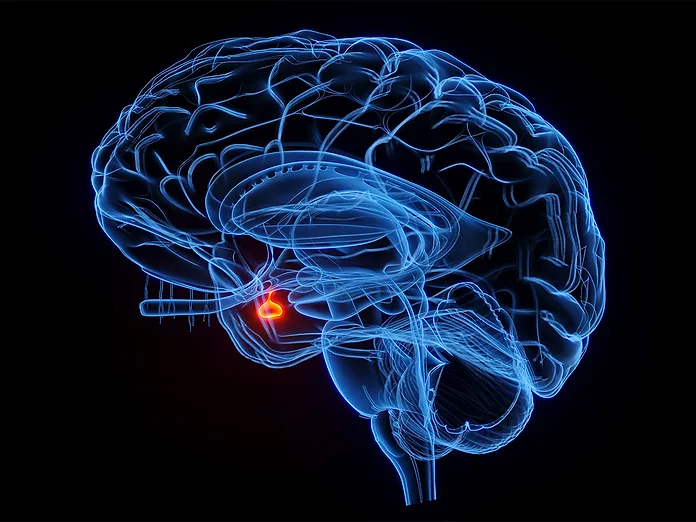
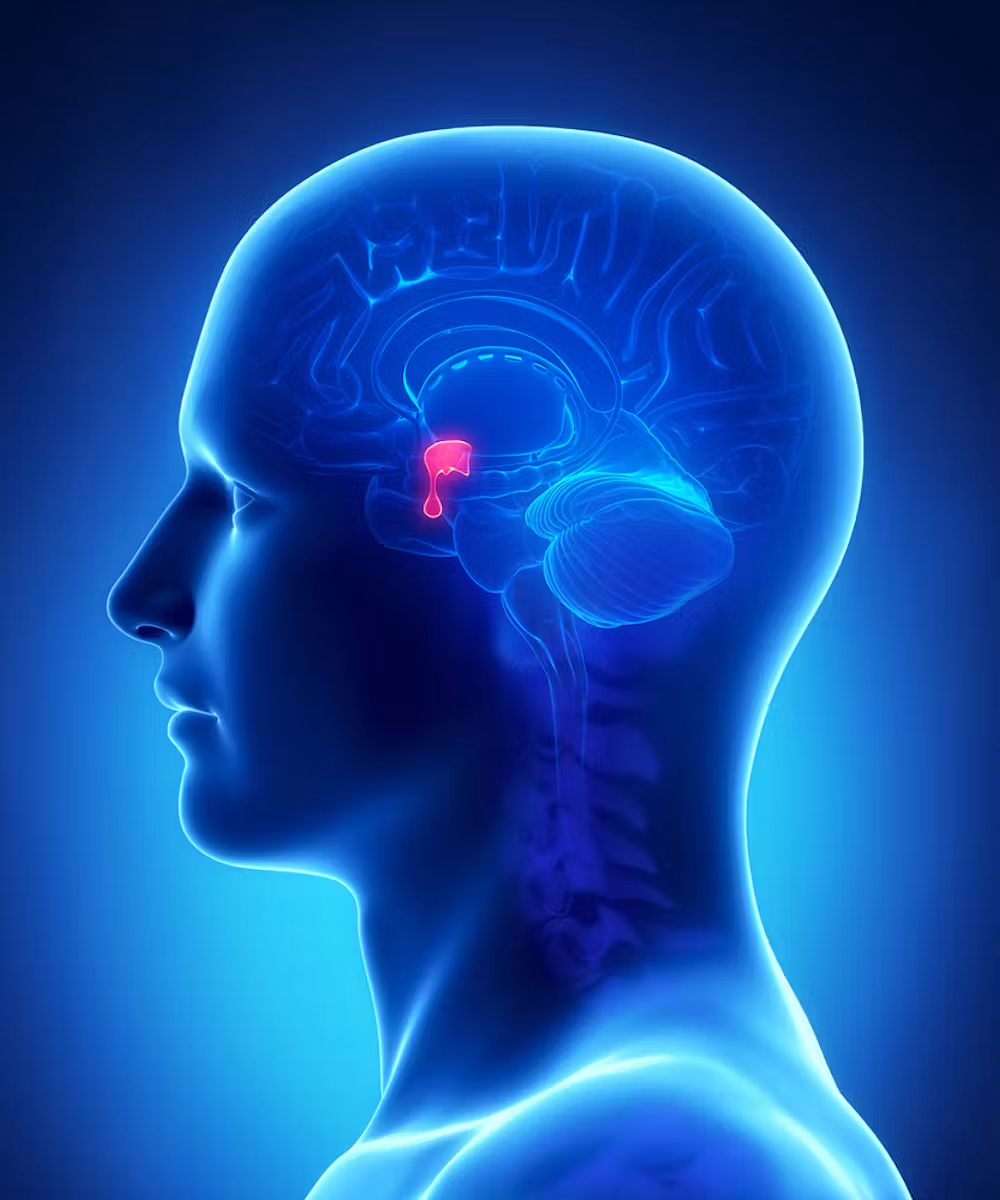
Acromegaly treatment in Dubai is guided by understanding the source of excess growth hormone, which in the overwhelming majority of cases is a pituitary adenoma.
Growth Hormone-Secreting Pituitary Adenoma
Accounts for over 95% of acromegaly cases. A benign pituitary adenoma autonomously secretes excess growth hormone, independent of the body's normal feedback regulation. These adenomas are frequently macroadenomas (10mm or above) at the time of diagnosis.
Full classification context →Ectopic Growth Hormone-Releasing Hormone (GHRH)
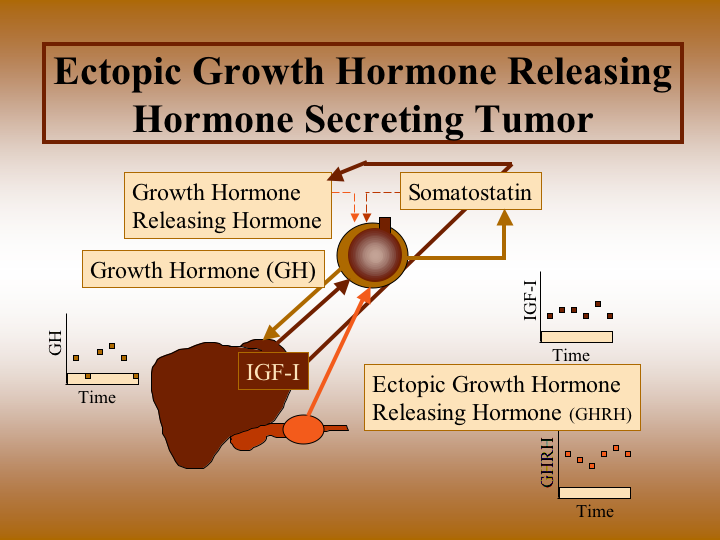
A rare cause is when a tumor outside the pituitary, such as a pancreatic or lung neuroendocrine tumor, secretes growth hormone-releasing hormone, which in turn drives the pituitary to overproduce growth hormone. Requires whole-body imaging.
McCune-Albright Syndrome & Genetic Syndromes
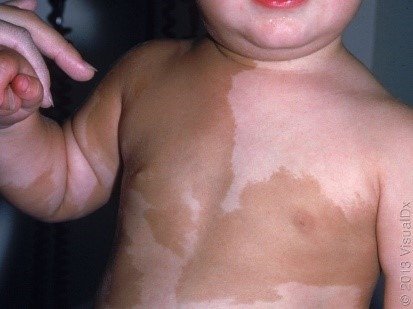
A small proportion of acromegaly cases occur as part of genetic syndromes, including McCune-Albright syndrome and multiple endocrine neoplasia type 1 (MEN1), where acromegaly occurs alongside other endocrine tumors. Requires clinical family history review.
Symptoms of Acromegaly
Acromegaly symptoms develop so gradually that they are frequently noticed first by family members or attributed to aging, weight gain, or general health decline rather than recognized as a distinct medical condition.
Enlargement of Hands & Feet
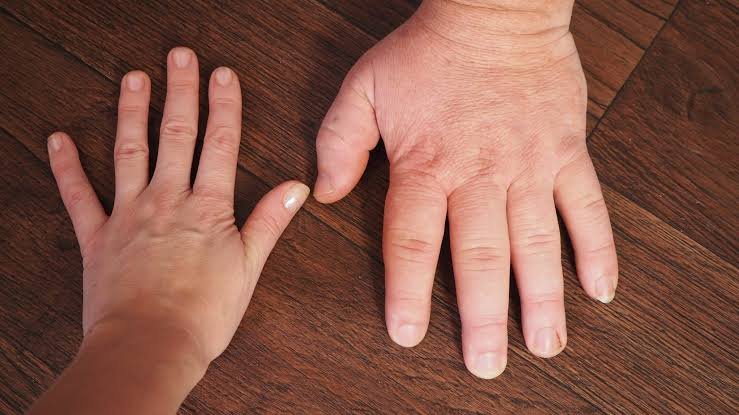
Rings no longer fitting, shoe size increasing in adulthood, and hands and feet becoming visibly larger and broader are among the earliest and most specific signs of acromegaly. This change typically occurs over years rather than months, making it easy to overlook.
Clinical SignCoarsening Facial Features
Frontal bossing (a more prominent brow), jaw enlargement (prognathism), thickening of the lips and nose, and widely spaced teeth from jaw growth produce a gradual change in facial appearance that is often most apparent when comparing photographs taken years apart.
Clinical SignExcessive Sweating & Skin Changes
Growth hormone excess increases sweat gland activity, causing prominent and sometimes embarrassing excessive sweating. Skin also tends to thicken and become oilier, and skin tags are common.
Clinical SignJoint Pain & Carpal Tunnel
Cartilage and soft tissue overgrowth cause joint pain, particularly in the hands, knees, and spine, and frequently lead to carpal tunnel syndrome from soft tissue swelling around the wrist nerves. Joint symptoms can be a significant source of disability if acromegaly remains untreated.
Clinical SignVoice Deepening & Sleep Apnoea
Enlargement of the vocal cords and surrounding structures causes a deepening of the voice. Soft tissue overgrowth in the airway commonly causes obstructive sleep apnea, which itself contributes to fatigue, daytime sleepiness, and cardiovascular strain.
Clinical SignDiabetes & Metabolic Changes
Growth hormone directly antagonizes insulin action, frequently causing new-onset diabetes or worsening existing diabetes. Acromegaly treatment in Dubai should always include glucose assessment, as diabetes is present in a substantial proportion of acromegaly patients at diagnosis.
Clinical SignEnlargement of Hands & Feet
Rings no longer fitting, shoe size increasing in adulthood, and hands and feet becoming visibly larger and broader are among the earliest and most specific signs of acromegaly. This change typically occurs over years rather than months, making it easy to overlook.
Clinical SignCoarsening Facial Features
Frontal bossing (a more prominent brow), jaw enlargement (prognathism), thickening of the lips and nose, and widely spaced teeth from jaw growth produce a gradual change in facial appearance that is often most apparent when comparing photographs taken years apart.
Clinical SignExcessive Sweating & Skin Changes
Growth hormone excess increases sweat gland activity, causing prominent and sometimes embarrassing excessive sweating. Skin also tends to thicken and become oilier, and skin tags are common.
Clinical SignJoint Pain & Carpal Tunnel
Cartilage and soft tissue overgrowth cause joint pain, particularly in the hands, knees, and spine, and frequently lead to carpal tunnel syndrome from soft tissue swelling around the wrist nerves. Joint symptoms can be a significant source of disability if acromegaly remains untreated.
Clinical SignVoice Deepening & Sleep Apnoea
Enlargement of the vocal cords and surrounding structures causes a deepening of the voice. Soft tissue overgrowth in the airway commonly causes obstructive sleep apnea, which itself contributes to fatigue, daytime sleepiness, and cardiovascular strain.
Clinical SignDiabetes & Metabolic Changes
Growth hormone directly antagonizes insulin action, frequently causing new-onset diabetes or worsening existing diabetes. Acromegaly treatment in Dubai should always include glucose assessment, as diabetes is present in a substantial proportion of acromegaly patients at diagnosis.
Clinical SignWhen Should You See a Doctor for Acromegaly?
Seek specialist acromegaly treatment Dubai assessment if you notice the following, particularly in combination:
Physical Feature Changes
Your hands, feet, or facial features have noticeably changed over recent years, particularly if rings or shoes no longer fit; this gradual change pattern is highly suggestive of acromegaly.
New Onset Diabetes
New onset diabetes alongside any physical change in hand, foot, or facial appearance warrants growth hormone and IGF-1 testing.
Joint Pain & Carpal Tunnel
Joint pain or carpal tunnel syndrome developing alongside excessive sweating and changes in appearance.
Headaches & Vision Disturbance
Persistent headaches with visual disturbance may indicate a growth hormone-secreting pituitary macroadenoma affecting the optic chiasm.
External Observation
A family member or friend has commented that your appearance has changed significantly: this external observation is often more reliable than self-assessment in acromegaly.
Snoring & Sleep Apnoea
Snoring or sleep apnoea developing alongside other features described above.
Recommended Low-Burden First Step
Because acromegaly progresses so slowly and the changes are easy to attribute to normal aging, a single IGF-1 blood test is a reasonable and low-burden first step whenever the symptom pattern above is recognized. Specialist acromegaly treatment in Dubai then ensures the complete diagnostic pathway follows correctly from an abnormal result.
Complications of Untreated Acromegaly
Untreated acromegaly carries a significantly increased mortality rate, primarily through cardiovascular disease, making early acromegaly treatment in Dubai important well beyond cosmetic considerations.
Cardiovascular Disease
Growth hormone excess causes cardiac enlargement (acromegalic cardiomyopathy), hypertension, and accelerated atherosclerosis. Untreated acromegaly carries roughly double the mortality rate of the general population, predominantly from cardiovascular causes, underscoring why biochemical control through acromegaly treatment in Dubai significantly improves long-term outcomes.
Diabetes & Metabolic Complications
Persistent growth hormone excess worsens insulin resistance over time, and a substantial proportion of untreated acromegaly patients develop diabetes, with its own associated long-term complications affecting the eyes, kidneys, and cardiovascular system.
Joint Destruction
Years of untreated growth hormone excess cause progressive and ultimately irreversible joint damage from cartilage overgrowth and subsequent degeneration, often requiring joint replacement surgery. Unlike soft tissue changes, joint damage frequently does not reverse even after successful acromegaly treatment in Dubai.
Colon Polyps & Cancer Risk
Acromegaly is associated with an increased risk of colon polyps and colorectal cancer, attributed to the proliferative effects of sustained IGF-1 excess on colonic tissue. Colonoscopy screening is recommended at diagnosis and at regular intervals thereafter for patients with acromegaly.
How Acromegaly Is Diagnosed in Dubai
Acromegaly diagnosis follows a clear biochemical sequence: screening with IGF-1, confirming with a glucose suppression test, then localizing the source with a pituitary MRI. Dr. Ali Aldibbiat's diagnostic protocol for acromegaly treatment in Dubai follows this sequence consistently.
Step 1: IGF-1 Measurement
IGF-1 is the primary screening test for acromegaly, reflecting average growth hormone exposure over recent weeks rather than the highly variable moment-to-moment growth hormone level. An elevated age-adjusted IGF-1 is the first biochemical step in every acromegaly treatment Dubai assessment.
Step 2: Oral Glucose Tolerance Test (OGTT)
In healthy individuals, growth hormone suppresses to below 1 mcg/L following an oral glucose load. Failure to suppress confirms the diagnosis of acromegaly biochemically, distinguishing genuine growth hormone excess from a borderline elevated IGF-1 result that requires no further action.
Step 3: Pituitary MRI
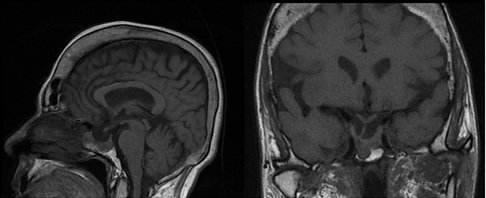
Once acromegaly is biochemically confirmed, pituitary MRI with gadolinium contrast identifies the growth hormone-secreting adenoma in the large majority of cases, characterizing its size and relationship to the optic chiasm and cavernous sinus for surgical planning.
Step 4: Assessment for Complications
Echocardiogram to assess for acromegalic cardiomyopathy, sleep study if sleep apnea is suspected, colonoscopy for polyp screening, and glucose and lipid testing for metabolic complications. This complication screen is performed alongside diagnosis, not deferred until after acromegaly treatment Dubai begins.
Acromegaly Treatment in Dubai: Surgery, Medication, & Monitoring
Acromegaly treatment in Dubai follows a structured approach: transsphenoidal surgery is first-line for most patients, with medical therapy used for residual or recurrent disease or as primary treatment when surgery is not immediately appropriate. The goal is normalizing IGF-1 and growth hormone to reduce the long-term cardiovascular and metabolic risks of the condition.
Transsphenoidal Pituitary Surgery
First-line treatment for acromegaly, performed through the nasal passage to remove the growth hormone secreting adenoma. Achieves biochemical remission in the majority of microadenomas, though success rates are lower for larger macroadenomas invading surrounding structures. Dr. Ali Aldibbiat coordinates pre-operative assessment and post-operative biochemical monitoring as part of acromegaly treatment in Dubai.
Somatostatin Analogues
Octreotide and lanreotide reduce growth hormone secretion and are used for residual or recurrent disease after surgery or as primary treatment when surgery is declined or not immediately suitable. Administered as long-acting injections, typically monthly, normalizing IGF-1 in a substantial proportion of patients.
Growth Hormone Receptor Antagonist
Pegvisomant blocks the action of growth hormone at its receptor rather than reducing its production, making it effective even in patients who do not respond adequately to somatostatin analogues. Particularly useful for Normalizing IGF-1 in patients with persistent disease activity after surgery and somatostatin therapy.
Radiotherapy for Residual Disease
Stereotactic radiotherapy is reserved for patients with residual tumour activity not adequately controlled by surgery and medical therapy, providing a gradual reduction in growth hormone secretion over months to years following treatment. Used less frequently given the effectiveness of modern medical therapy options.
Long-Term Monitoring Protocol
Long-term monitoring after acromegaly treatment in Dubai includes comprehensive screening paths to confirm sustained biochemical control and prevent complications:
- Regular IGF-1 measurement to confirm sustained biochemical control.
- Periodic pituitary MRI to monitor for tumor regrowth.
- Ongoing cardiovascular risk assessment and lipid profiles.
- Continued colonoscopy surveillance given elevated colon polyp risks.
Fact-Checked By Dr. Ali Aldibbiat | MD | PhD | FRCP (London) | FRCP (Edinburgh) | FACE | Associate Professor
Why Choose Dr. Ali Aldibbiat for Acromegaly Treatment in Dubai?
Dr. Ali Aldibbiat is a consultant endocrinologist providing acromegaly treatment dubai with over 20 years of specialist clinical experience. His dual FRCP fellowships from the Royal Colleges of London and Edinburgh and his PhD research in pituitary and hormonal science provide the foundation for managing this rare and frequently delayed diagnosis.
Because acromegaly is rare and progresses gradually, recognising it requires specific clinical experience that general practice does not always encounter regularly. Dr. Ali Aldibbiat's acromegaly treatment dubai approach begins with active recognition of the symptom pattern, then follows a structured biochemical confirmation, imaging, and treatment pathway for every confirmed case.
Active Recognition of a Frequently Missed Diagnosis
The average 10 year diagnostic delay in acromegaly reflects how easily its gradual changes are missed. Dr. Ali Aldibbiat's acromegaly treatment dubai practice includes active screening of patients presenting with diabetes, joint pain, or sleep apnoea for the underlying symptom pattern that points to acromegaly.
Coordinated Surgical and Medical Pathway
From pre-operative assessment through post-surgical biochemical testing to selection of the appropriate medical therapy for residual disease, Dr. Ali Aldibbiat manages the complete acromegaly treatment dubai pathway rather than a single isolated step.
Long-Term Complication Surveillance
Acromegaly carries elevated risks of cardiovascular disease, diabetes, joint damage, and colon polyps that persist even after biochemical control is achieved. Dr. Ali Aldibbiat's acromegaly treatment dubai includes structured long-term surveillance for these complications, not just IGF-1 monitoring alone.
Jumeirah Clinic Portal
109 Century Plaza, Jumeirah Beach Rd, Jumeirah 1, Dubai
For patients in Dubai with a new acromegaly diagnosis, an existing diagnosis requiring reassessment of biochemical control, or symptoms suggesting growth hormone excess that have not yet been formally investigated, specialist endocrinology evaluation provides both the diagnostic expertise and the long term surveillance that this lifelong condition requires.
Endocrinologist Available in Dubai, UAE
Ready to Take Control of Your Type 2 Diabetes?
Dr. Ali Aldibbiat offers specialist Type 2 diabetes consultations at his Jumeirah clinic in Dubai, including HOMA-IR assessment, personalized treatment plan, and remission evaluation. No referral required.
📅 Book a Consultation
What Our Patients Say
Real feedback from individuals who received specialist endocrinology, pituitary, and acromegaly care.
I would like to thank Dr. Ali Aldibbiat. He is an exceptional doctor, highly experienced in his specialty, and fully dedicated to his patients healing.
The hospital has very great services and experienced doctors. Thanks to Dr Ali Aldibbiat he knew my issues from the first time. Although I have been to many places no one could find what I was going through.
I visit Dr. Ali AlDibbiat the endocrinologist here who is excellent and very patient. His treatment has significantly improved my diabetes control.
The speed of diagnosis here was incredible. After years of looking for answers globally for my growth hormone levels, everything was accurately mapped out in weeks.
Finding a true specialist who understands rare pituitary adenomas is difficult. Dr. Ali's thorough monitoring of my IGF-1 levels has completely changed my long-term outlook.
Exceptional clinical team. The systematic approach to biochemical confirmation and endocrine screening pathways is up to absolute international standards.
I would like to thank Dr. Ali Aldibbiat. He is an exceptional doctor, highly experienced in his specialty, and fully dedicated to his patients healing.
The hospital has very great services and experienced doctors. Thanks to Dr Ali Aldibbiat he knew my issues from the first time. Although I have been to many places no one could find what I was going through.
I visit Dr. Ali AlDibbiat the endocrinologist here who is excellent and very patient. His treatment has significantly improved my diabetes control.
The speed of diagnosis here was incredible. After years of looking for answers globally for my growth hormone levels, everything was accurately mapped out in weeks.
Finding a true specialist who understands rare pituitary adenomas is difficult. Dr. Ali's thorough monitoring of my IGF-1 levels has completely changed my long-term outlook.
Exceptional clinical team. The systematic approach to biochemical confirmation and endocrine screening pathways is up to absolute international standards.
The screening process is fast, precise, and completely streamlined. Highly grateful for Dr. Ali's structured medical protocols regarding metabolic screening paths.
A premium clinical environment with exceptional medical personnel. They really take time to look into every detail of long-term complication screening and risk management.
Excellent post-operative management. My growth hormone and glucose suppression tests were handled efficiently, leading to stabilized outcomes.
Outstanding care pathway. Dr. Ali Aldibbiat's unique combination of research expertise and clinical focus successfully identified my underlying diagnostic pattern right away.
The clinical experience is completely seamless. Truly senior medical professional operating in high-end spaces. Highly recommended for complex hormone checks.
Everything from the initial screening to regular lab workups is handled with extreme efficiency and world-class endocrinology expertise.
The screening process is fast, precise, and completely streamlined. Highly grateful for Dr. Ali's structured medical protocols regarding metabolic screening paths.
A premium clinical environment with exceptional medical personnel. They really take time to look into every detail of long-term complication screening and risk management.
Excellent post-operative management. My growth hormone and glucose suppression tests were handled efficiently, leading to stabilized outcomes.
Outstanding care pathway. Dr. Ali Aldibbiat's unique combination of research expertise and clinical focus successfully identified my underlying diagnostic pattern right away.
The clinical experience is completely seamless. Truly senior medical professional operating in high-end spaces. Highly recommended for complex hormone checks.
Everything from the initial screening to regular lab workups is handled with extreme efficiency and world-class endocrinology expertise.
Related Adrenal and Pituitary Conditions
Explore interconnected endocrine specialties, systemic diagnostics, and comprehensive metabolic management pathways.
Adrenal and Pituitary Hub
All adrenal and pituitary conditions treated in Dubai: hyperprolactinemia, Cushing's syndrome, pituitary adenomas, adrenal disorders.
Pituitary Adenomas
Full classification of pituitary adenoma subtypes, including growth hormone-secreting adenomas causing acromegaly.
Type 2 Diabetes
Growth hormone excess in acromegaly frequently causes new onset diabetes that requires specific consideration alongside acromegaly treatment.
Frequently Asked Questions Metabolic Treatments in Dubai
Acromegaly is a condition caused by chronic excess growth hormone in adults, almost always from a benign pituitary adenoma. Growth hormone drives the liver to produce excess IGF-1, which causes gradual enlargement of the hands, feet, and facial features, along with joint pain, excessive sweating, and an increased risk of diabetes and cardiovascular disease. The average diagnostic delay is around 10 years due to how slowly the changes develop. Dr. Ali Aldibbiat provides specialist acromegaly treatment in Dubai with a structured diagnostic and treatment pathway.
Enlarging hands and feet (rings and shoes no longer fitting), coarsening facial features with a more prominent brow and jaw, widely spaced teeth, a deepening voice, excessive sweating, joint pain, and frequently new onset diabetes or sleep apnea. These changes develop gradually over years, a hallmark of acromegaly treatment Dubai’s delayed diagnosis, which is why they are often first noticed by family members or recognized retrospectively in old photographs.
Yes, significantly so. Untreated acromegaly carries roughly double the mortality rate of the general population, primarily through cardiovascular disease from cardiac enlargement, hypertension, and accelerated atherosclerosis. It also causes progressive joint damage, worsens or causes diabetes, and increases the risk of colon polyps and colorectal cancer. Early acromegaly treatment in Dubai significantly improves these long-term outcomes.
Acromegaly can often be put into biochemical remission, particularly when surgery successfully removes the entire growth hormone secreting adenoma, most achievable with smaller microadenomas. For larger or more invasive tumors, complete cure is less certain, and medical therapy with somatostatin analogues or pegvisomant is used to control growth hormone and IGF-1 levels long-term. Acromegaly treatment in dubai is tailored to the size and behavior of each patient’s specific adenoma.
Diagnosis begins with an IGF-1 blood test as the primary screening tool. If elevated, an oral glucose tolerance test with growth hormone measurement confirms the diagnosis biochemically since growth hormone should normally suppress after glucose intake but does not in acromegaly. Pituitary MRI then identifies the responsible adenoma. This complete sequence is standard for acromegaly treatment Dubai at Dr. Ali Aldibbiat’s clinic.
A consultant endocrinologist is the appropriate specialist for acromegaly in Dubai. Dr. Ali Aldibbiat provides specialist acromegaly treatment dubai at 109 Century Plaza, Jumeirah Beach Road, Jumeirah 1, covering the full diagnostic pathway from IGF-1 testing through pituitary MRI and coordination with pituitary surgeons when surgery is indicated. Book at /contact/book-appointment/ or call +971 58 588 2295.
Dr. Ali Aldibbiat’s Endocrinology Clinic in Dubai, UAE
Dr. Ali Aldibbiat runs an endocrinology clinic at 109 Century Plaza, Jumeirah Beach Road, Jumeirah 1, Dubai, UAE. He also sees patients at Mediclinic City Hospital, Dubai. Patients from across Dubai, Abu Dhabi, Sharjah, and the wider UAE and Gulf region travel to his Jumeirah clinic for specialist endocrine and metabolic care. If you are searching for the best endocrinologist near me in Dubai, no referral is required; book directly at draliendo.com.