

Low Testosterone Treatment in Dubai: TRT and Male Hormone Care by Dr. Ali Aldibbiat
Fatigue that rest does not fix, low libido, mood flattening, declining muscle response, and increasing abdominal fat are not always “just aging”. Low testosterone treatment starts by confirming the deficiency, identifying the cause, and building the right plan around hormones, fertility goals, and long-term metabolic health.



What Is Low Testosterone?
Low testosterone, or hypogonadism, is a condition in which the testes produce insufficient testosterone to maintain normal physiological function. Diagnosis depends on symptoms plus biochemical confirmation, not symptoms alone.
must be confirmed on two separate mornings and interpreted with the wider hormone profile.
Testosterone is far more than a sex hormone
It supports muscle mass and strength, bone density, red blood cell production, mood regulation, concentration, libido, and energy metabolism. When levels fall below what the body needs, the effects can appear across nearly every system.


Primary Hypogonadism
The testes fail to produce enough testosterone despite adequate pituitary signalling.

Secondary Hypogonadism
The pituitary or hypothalamus fails to stimulate testosterone production properly.
What Causes Low Testosterone?
The treatment pathway depends on the type of hypogonadism and whether fertility preservation matters. This section separates testicular failure from pituitary or hypothalamic causes, then highlights the most relevant reversible drivers in Dubai.
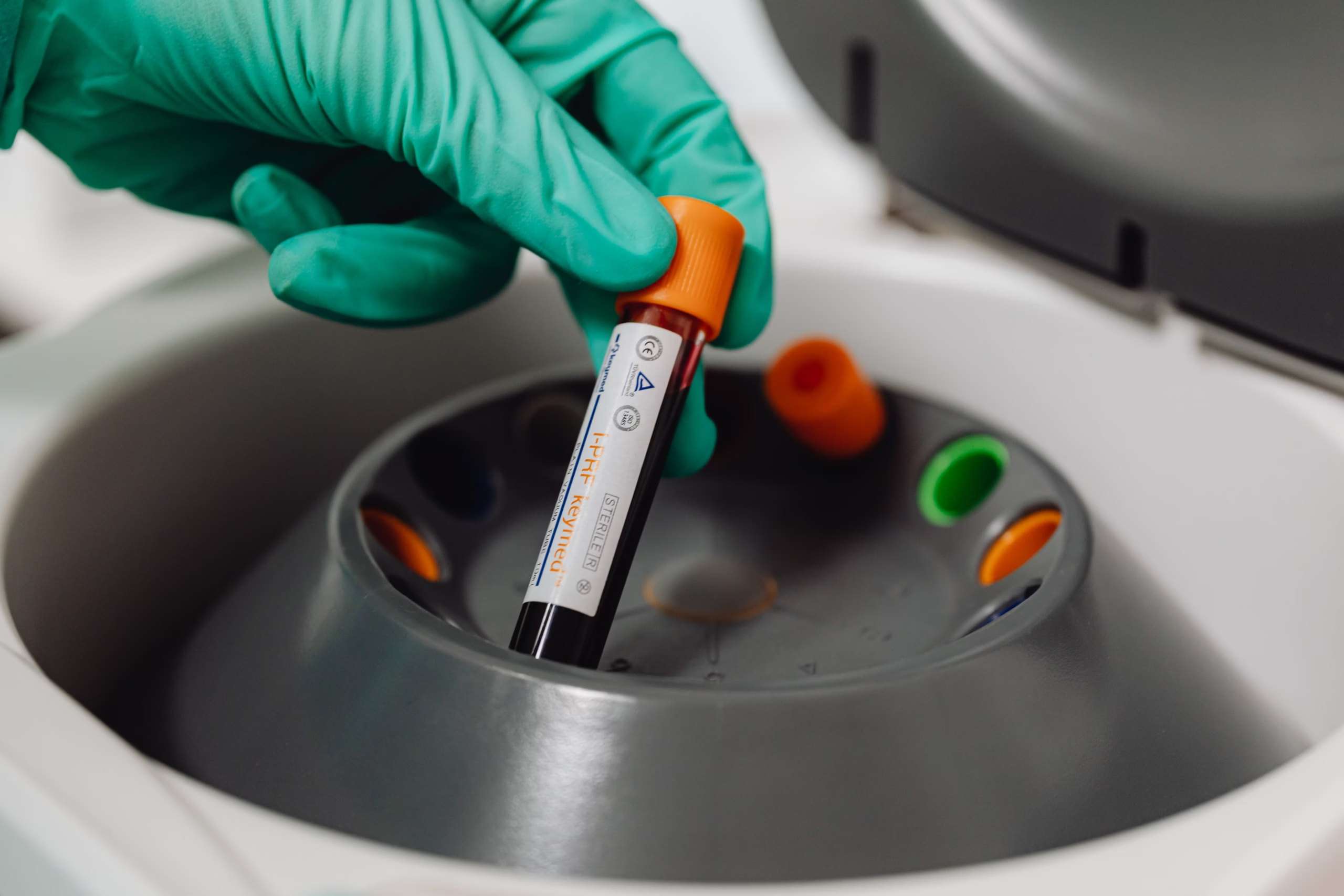
The testes fail to produce adequate testosterone despite normal or elevated pituitary signals. LH and FSH are typically elevated because the pituitary is trying to stimulate a poorly responsive testicular system.
- Klinefelter syndrome
- Undescended testes
- Orchitis or infection-related damage
- Testicular trauma or torsion
- Chemotherapy or radiotherapy
- Age-related Leydig cell decline

The pituitary fails to send enough LH and FSH to stimulate testosterone production, so testosterone is low while LH and FSH are low or inappropriately normal.
- Hyperprolactinemia
- Pituitary adenoma
- Hemochromatosis
- Obesity and metabolic syndrome
- Sleep apnea
- Opioids or anabolic steroids

Obesity and Metabolic Syndrome
Visceral fat increases aromatase activity, converts testosterone to estradiol, and suppresses LH pulsatility. In Dubai, this explains a large share of low testosterone presentations.

Sleep Apnoea
Most daily testosterone production is linked to sleep architecture. Fragmented sleep and reduced REM sleep can significantly reduce the overnight testosterone surge.

Opioids, Steroids, and Other Medicines
Long-term opioids suppress hypothalamic GnRH release. Anabolic steroid use can switch off the HPG axis. Several medicines indirectly reduce testosterone by raising prolactin.
Symptoms of Low Testosterone in Men
No single symptom proves testosterone deficiency. What matters clinically is the combination of sexual, physical, mood, and body-composition changes together with biochemical confirmation.
- Persistent fatigue that does not improve with sleep
- Loss of sexual drive or morning libido change
- Poor response to training or muscle loss
- Mood flattening, irritability, or unexplained low mood

Fatigue and Low Energy
A deep, persistent tiredness that does not match sleep quantity is one of the most common and disabling symptoms of testosterone deficiency.
Low Libido
Reduced sexual desire or a loss of usual sexual interest is a classic testosterone-linked symptom.
Reduced Muscle Mass and Strength
Men often notice weaker training response, slower recovery, and gradual loss of previously maintained muscle.

Mood Changes and Brain Fog
Irritability, low mood, poor concentration, and feeling “unlike yourself” commonly appear in men with confirmed hypogonadism.
Increased Body Fat
Low testosterone shifts body composition toward abdominal fat accumulation, often reinforcing the hormonal imbalance further.
Reduced Bone Density
Longstanding untreated low testosterone increases bone loss and future fracture risk, which is why bone health matters in the full workup.

When Should You See a Doctor for Low Testosterone?
Low testosterone should not be diagnosed from symptoms alone. The clinical signal becomes more important when several symptoms appear together, persist despite rest or lifestyle changes, or affect sexual function, fertility, body composition, or physical performance.

Persistent fatigue that does not improve with sleep or rest
When deep fatigue occurs together with low libido, mood change, or reduced physical performance, testosterone testing should be included in a complete hormonal assessment.
Testosterone should be interpreted with the wider hormone profile.
Muscle loss or poor response to training
Declining strength, slower recovery, or loss of muscle despite consistent training—particularly in men over 35—can justify specialist testosterone assessment.
The goal is to distinguish hormonal deficiency from training, nutrition, sleep, or metabolic causes.
Erectile dysfunction without a clear cause
Erectile dysfunction in a man under 50, or ED that has not been properly investigated, should include testosterone and prolactin testing as part of the hormonal workup.
Low testosterone and vascular causes can coexist.
Infertility in a couple
Testosterone, LH, FSH, and prolactin form an essential part of the male fertility workup. Fertility goals also directly affect which low testosterone treatment is appropriate.
TRT can suppress sperm production, so fertility must be discussed first.
Gynecomastia or unexpected breast tissue development
Gynecomastia warrants hormonal investigation including testosterone and oestradiol, rather than being assumed to be a cosmetic or weight-related change.
The wider endocrine cause should be established before treatment.Exercise and Lifestyle Approaches That Support Testosterone
Exercise is not a substitute for treatment when true hypogonadism is confirmed. But in men with reversible functional causes—especially obesity, sleep apnoea, deconditioning, or chronic stress—it can be a meaningful part of hormonal recovery.

The best lifestyle plan supports the same physiology that testosterone is designed to maintain.
Compound resistance training supports lean mass and physical function, and maximises anabolic benefit in men receiving TRT.
Cycling intervals, sprints, or circuit work can support metabolic health and reduction of visceral fat.
The source content reports that 10–15% body-weight reduction may raise testosterone by approximately 2–5 nmol/L in obese men.
Sleep optimisation, CPAP where sleep apnoea is present, and chronic-stress reduction can help address reversible suppression.
Lifestyle guidance supports borderline low testosterone and confirmed treatment plans, but it should not replace specialist assessment when symptoms are significant or testosterone is confirmed below the diagnostic threshold.
Low Testosterone Treatment in Dubai: TRT Options and Fertility Considerations
Treatment is selected only after the cause of hypogonadism is known. Exogenous testosterone is appropriate for confirmed symptomatic hypogonadism when active fertility is not a goal; men wishing to father children require a different strategy.
Testosterone Replacement Therapy
Applied to the upper arms or shoulders. Provides stable testosterone exposure without injections, with dose adjustment based on follow-up testing.
Testosterone undecanoate can be given at long intervals, while shorter-acting testosterone forms may be administered every few weeks depending on the treatment plan.
Gonadotrophin Therapy
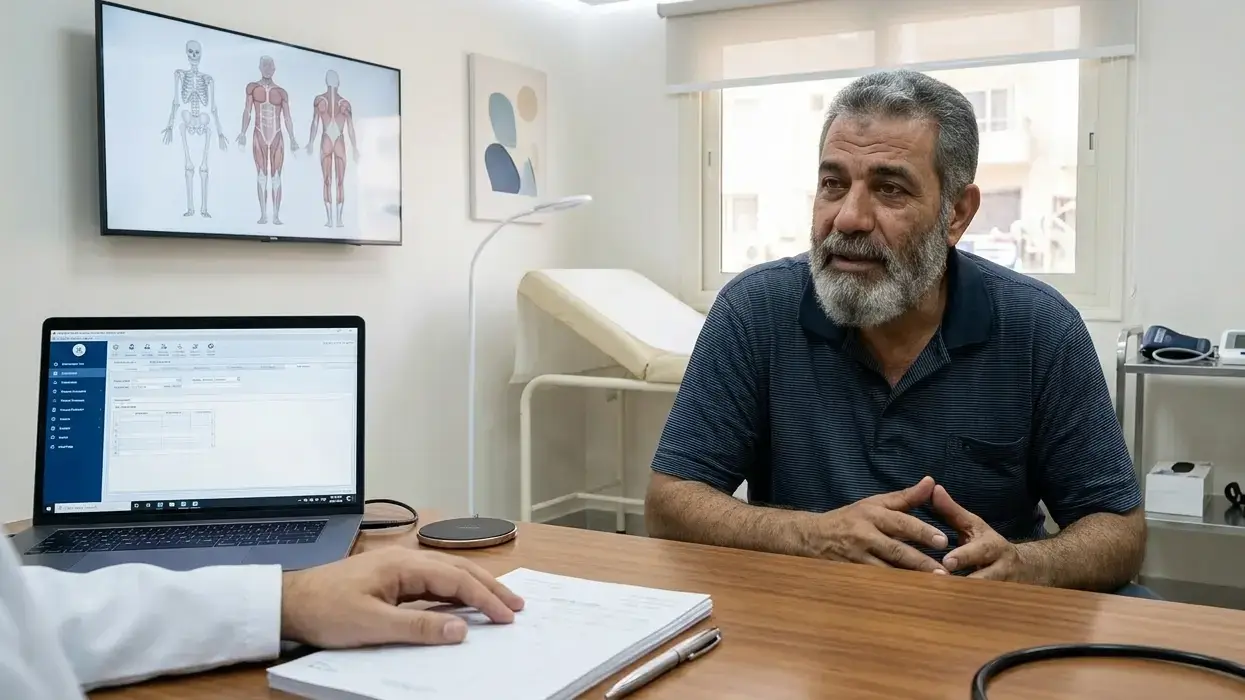
In men with secondary hypogonadism who wish to father children, hCG can stimulate the testes to produce testosterone naturally without the same suppression of sperm production caused by exogenous testosterone.
Treat the Cause First
When a reversible cause is identified, correcting that cause is preferable to treating the laboratory result alone.
TRT Monitoring: What Happens After Treatment Starts?
Testosterone therapy is not a one-time prescription. Once treatment begins, hormone levels, blood count, prostate markers where appropriate, and bone health are followed systematically so treatment can remain effective, proportionate, and clinically monitored.

Morning Testosterone
Testosterone is reassessed with a morning measurement approximately three months after treatment begins, then followed annually once the treatment plan is established.
Hematocrit
Hematocrit is monitored because testosterone therapy can increase red blood cell concentration. Follow-up helps detect treatment-related polycythaemia.
PSA Monitoring
The source pathway includes a baseline prostate-specific antigen measurement before TRT in men over 40, followed by annual monitoring thereafter.
Bone Density
In men with confirmed osteoporosis at baseline, bone density is reassessed after two years to evaluate longer-term skeletal response.
Why Choose Dr. Ali Aldibbiat for Low Testosterone Treatment in Dubai?

Low testosterone treatment is not simply a matter of prescribing TRT. The correct pathway requires confirmation of biochemical deficiency, identification of the cause, distinction between primary and secondary hypogonadism, assessment of reversible drivers, and a clear discussion about fertility before treatment.
No TRT Before the Diagnosis Is Complete
Two confirmed morning testosterone measurements, LH, FSH, prolactin, SHBG, and a secondary-cause screen come before any treatment decision.
Future Fertility Is Discussed Before TRT
Testosterone replacement suppresses sperm production. Men who may want children require a fertility-aware strategy, including consideration of gonadotrophin therapy.
Reversible Functional Hypogonadism Is Actively Sought
Obesity and sleep apnoea are important reversible causes. When they are driving the hormonal suppression, treating the cause may be more appropriate than symptomatic TRT.
Related Male Hormonal Health Conditions
Testosterone deficiency often overlaps with sexual, pituitary, fertility, and metabolic concerns. Continue into the pathway most relevant to your symptoms.

Male Hormonal Health Hub
Explore testosterone deficiency, erectile dysfunction, male fertility, gynecomastia, and connected hormonal conditions.
Explore Male Hormonal Health →
Erectile Dysfunction
Testosterone deficiency is one possible cause of ED, but vascular, metabolic, neurological, and psychological drivers may also contribute.
Explore Erectile Dysfunction →
Hyperprolactinemia
Elevated prolactin from a pituitary disorder is an important and frequently missed cause of secondary hypogonadism in men.
Explore Hyperprolactinemia →