

Metabolic Syndrome in Dubai: Diagnosis & Treatment by Dr. Ali Aldibbiat
MD/PhD | FRCP London & Edinburgh | FACE | SCOPE-Certified | Consultant Endocrinologist | Jumeirah, Dubai
Dr. Ali Aldibbiat is a consultant endocrinologist in Dubai specializing in the diagnosis and treatment of metabolic syndrome, the dangerous cluster of five interconnected risk factors that together dramatically increase the risk of type 2 diabetes and cardiovascular disease. With an MD/PhD, FRCP, and FACE, Dr. Ali delivers precise metabolic syndrome assessment at his Jumeirah clinic in Dubai. If you are searching for a metabolic syndrome specialist near me in the UAE, no referral is required to book directly at draliendo.com.
Symptoms of Metabolic Syndrome
What You May Be Experiencing. Metabolic syndrome has no single defining symptom; it is a pattern of signs that accumulate silently over years. These are the most common presentations that bring Dubai patients to Dr. Ali for metabolic syndrome assessment.

Expanding Waistline
Fat accumulating around the abdomen and waist above 94 cm in men or 80 cm in women in Dubai warrants metabolic syndrome screening. Central adiposity is the most consistent visible sign.

Persistent Fatigue After Meals
Post-meal energy crashes and brain fog reflect glucose dysregulation and insulin resistance—cells not efficiently taking up glucose despite normal or elevated blood sugar.

Difficulty Losing Weight
Insulin resistance makes fat mobilization metabolically inefficient. Many patients with undiagnosed metabolic syndrome in Dubai are told they are not trying hard enough when they have a treatable medical condition.

Dark Skin Patches
Velvety dark patches at the neck, armpits, or groin are a visible skin marker of high circulating insulin. Often dismissed as cosmetic, they are a clinical sign of insulin resistance warranting investigation.

High Blood Pressure
Blood pressure consistently above 130/85 mmHg, particularly in younger patients, may indicate the hypertension component of metabolic syndrome or, in some cases, endocrine hypertension.

Abnormal Blood Tests
Low HDL, elevated triglycerides, or fasting glucose in the prediabetes range on routine testing are direct laboratory markers of metabolic syndrome—often the first clue for Dubai patients.
Diagnosing Metabolic Syndrome in Dubai
Dr. Ali Aldibbiat's Precision Approach
Metabolic syndrome diagnosis requires a structured clinical and laboratory assessment. Dr. Ali performs a comprehensive evaluation at his Jumeirah, Dubai, clinic going well beyond the minimum criteria to understand the full metabolic picture.
Waist circumference, blood pressure, BMI, and body composition measurements. Skin examination for acanthosis nigricans and other insulin resistance markers. Cardiovascular risk scoring. Comprehensive metabolic, family, and lifestyle history, including sleep quality, stress levels, and medication review.
Fasting glucose and HbA1c, fasting insulin and HOMA-IR (insulin resistance index), full fasting lipid panel with triglycerides and HDL, liver function tests, calcium and parathyroid hormone levels (to exclude calcium disorders contributing to metabolic risk), thyroid panel, sex hormones, and inflammatory markers (hsCRP). This goes beyond the five criteria to identify all underlying metabolic drivers.
Dr. Ali integrates clinical and laboratory findings with body composition data into a personalized metabolic profile. Where fatty liver disease is suspected, Fibroscan liver fibrosis assessment is available in-clinic. Continuous glucose monitoring (CGM) may be used to assess glucose variability in real-world conditions, providing a precision endocrinology approach to metabolic syndrome that no standard GP check-up delivers in Dubai.
Why Choose Dr. Ali Aldibbiat
Metabolic syndrome requires the depth of specialist endocrinological assessment, not a general health screen. Dr. Ali brings internationally recognized credentials and dedicated metabolic expertise to every patient in Dubai.
MD/PhD in Islet Transplantation & Stem Cell Therapy

Fellow of the Royal College of Physicians
(FRCP, London & Edinburgh)
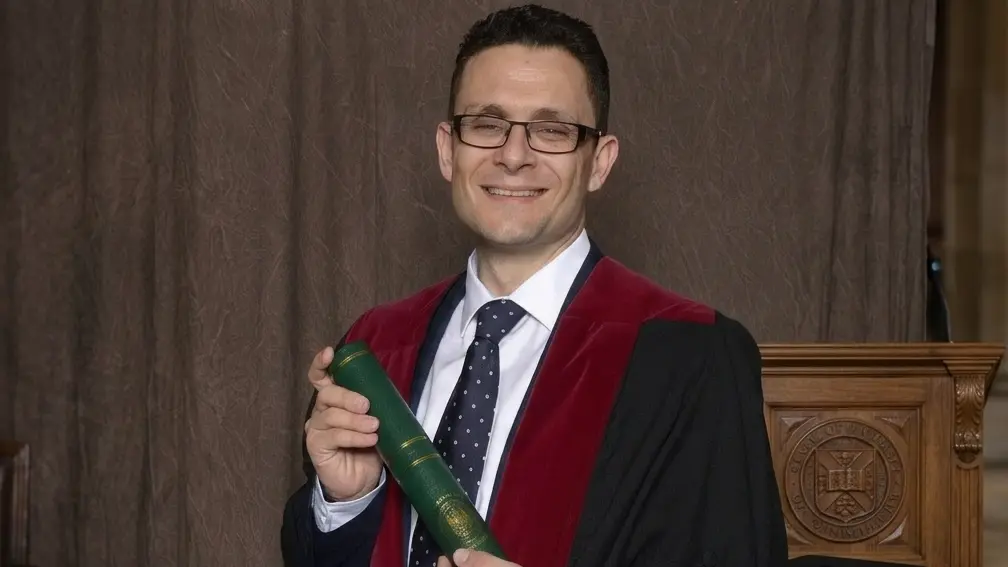
Fellow of the American Association of Clinical Endocrinology
(FACE)

SCOPE-Certified Obesity Specialist

20+ Publications & Global Keynote Speaker


What Is Metabolic Syndrome?
Metabolic syndrome, also known as Syndrome X or insulin resistance syndrome, is a cluster of five interrelated metabolic abnormalities that occur together and collectively increase the risk of type 2 diabetes, cardiovascular disease, and stroke. It is not a single disease but a constellation of risk factors sharing a common root: insulin resistance and excess visceral fat. Metabolic syndrome affects an estimated 25% of the global adult population, with prevalence significantly higher in the Gulf region due to dietary patterns, reduced physical activity, and genetic predisposition.
According to the International Diabetes Federation (IDF) and American Heart Association (AHA) consensus criteria, metabolic syndrome is diagnosed when three or more of the five criteria are met. Dr. Ali Aldibbiat assesses and treats metabolic syndrome at his Jumeirah, Dubai, practice using a precision approach: advanced metabolic profiling, hormonal assessment, and targeted treatment that addresses the underlying cause rather than each risk factor in isolation.
Treatment & Management Protocol
Comprehensive approach for Metabolic Syndrome. Dr. Ali provides individualized guidance and advanced medical treatments to ensure long-term stability.

Stage 1 - Lifestyle & Nutritional Medicine
Structured dietary modification reducing refined carbohydrates and increasing fiber and protein targets visceral fat reduction and insulin sensitization. Evidence shows that 5 to 10% body weight reduction resolves metabolic syndrome in the majority of patients. Dr. Ali provides individualized nutritional guidance tailored to each patient's specific metabolic profile in Dubai, not a generic dietary handout.
Stage 2 - Medical Management
Where lifestyle intervention alone is insufficient: metformin for insulin sensitization; statins or fibrates for dyslipidemia (high cholesterol and high triglycerides); targeted antihypertensive therapy; and hormone optimization where indicated, including Hormone Replacement Therapy (HRT) and Testosterone Replacement Therapy (TRT) where sex hormone deficiency is contributing to metabolic dysfunction.
Stage 3 - Medical Weight Management
Dr. Ali prescribes GLP-1 receptor agonists, including semaglutide (Ozempic) and tirzepatide (Mounjaro), for appropriate patients, simultaneously reducing visceral fat, improving insulin sensitivity, lowering HbA1c, reducing blood pressure, and improving lipid profiles. For patients where GLP-1 medications are not appropriate, non-GLP-1 medical weight management options are available.
Ongoing Monitoring
Metabolic syndrome requires long-term management. Dr. Ali uses CGM, Fibroscan for liver fibrosis follow-up, regular metabolic blood panels, and clinical reassessment to track the resolution of each criterion, adjusting treatment as the metabolic profile improves and ensuring long-term stability for Dubai patients.

What Causes Metabolic Syndrome?
At its core, metabolic syndrome is driven by insulin resistance, the impaired ability of the liver, muscle, and fat cells to respond normally to insulin. When cells become insulin-resistant, the pancreas compensates by producing more insulin. This hyperinsulinemia drives central fat accumulation, raises triglycerides, lowers HDL, increases blood pressure, and pushes fasting glucose upward, producing all five criteria simultaneously.
Metabolic Syndrome
Excess visceral fat is both cause and consequence of insulin resistance. Sedentary lifestyle reducing muscle glucose uptake. High refined carbohydrate and ultra-processed food intake. Sleep disruption raises cortisol and inflammatory cytokines. Genetic predisposition particularly in South Asian and Arab populations with higher baseline insulin resistance.
Contributing Factors
Hormonal dysregulation PCOS in women, low testosterone in men, hypothyroidism and cortisol excess (Cushing’s syndrome) all exacerbate metabolic syndrome. Calcium and parathyroid disorders can also influence metabolic risk. Chronic psychological stress, gut microbiome disruption, medications including corticosteroids and antipsychotics, and aging all contribute.
Endocrinologist Available in Dubai, UAE
Ready to Take Control of Your Metabolic Syndrome in Dubai: Diagnosis & Treatment by Dr. Ali Aldibbiat
Dr. Ali Aldibbiat offers specialist Metabolic Syndrome in Dubai: Diagnosis & Treatment by Dr. Ali Aldibbiat consultations at his Jumeirah clinic in Dubai, including HOMA-IR assessment, personalized treatment plan, and remission evaluation. No referral required.
📅 Book a Consultation
5 Diagnostic Criteria
The 5 Diagnostic Criteria for Metabolic Syndrome
Metabolic syndrome is diagnosed when three or more of the following five criteria are present. Dr. Ali evaluates each criterion as part of a comprehensive metabolic assessment in Dubai
1
Central Obesity (Waist Circumference)
Waist ≥94 cm in men / ≥80 cm in women (IDF European criteria; ≥90 cm / ≥80 cm for South Asian and Arab populations). Central adiposity, visceral fat surrounding the abdominal organs, is the primary driver of insulin resistance and the most visible marker of metabolic syndrome in clinical practice in Dubai.
2
Elevated Triglycerides
Fasting triglycerides ≥1.7 mmol/L (150 mg/dL), or current treatment for elevated triglycerides. Elevated triglycerides directly reflect excess liver fat production driven by insulin resistance and excess refined carbohydrate intake, a key cardiovascular risk marker assessed by Dr. Ali in Dubai.
3
Reduced HDL Cholesterol
HDL <1.0 mmol/L in men or <1.3 mmol/L in women (40/50 mg/dL) or treatment for low HDL. Low HDL, the protective lipoprotein, is a direct consequence of insulin resistance and elevated triglycerides. Restoring HDL is a central goal of metabolic syndrome treatment in Dubai.
4
Elevated Blood Pressure
Systolic ≥130 mmHg or diastolic ≥85 mmHg, or current antihypertensive treatment. Hypertension in metabolic syndrome is driven by insulin resistance increasing sodium retention and sympathetic nervous system activation, distinct from primary essential hypertension. Where endocrine causes of hypertension are suspected (Cushing’s or Conn’s syndrome), Dr. Ali performs a full endocrine hypertension assessment.
5
Elevated Fasting Blood Glucose
Fasting glucose ≥5.6 mmol/L (100 mg/dL), or current treatment for type 2 diabetes. Impaired fasting glucose in metabolic syndrome reflects hepatic insulin resistance and early pancreatic beta cell failure, the precursor to type 2 diabetes that, if identified early, is fully reversible with appropriate metabolic intervention in Dubai.
Related Conditions Treated in Dubai
Metabolic syndrome is directly linked to several related conditions across the metabolic disorders silo, all treated by Dr. Ali Aldibbiat at his Dubai practice
Obesity & Weight Gain
Central obesity is both the primary criterion and the primary driver of metabolic syndrome. Medical weight management: GLP-1 and non-GLP-1 options available in Dubai.
Insulin Resistance
The root cause mechanism driving all five metabolic syndrome criteria. HOMA-IR testing and targeted insulin resistance treatment are available in Dubai.
Fatty Liver Disease (MASLD)
Metabolic syndrome and MASLD co-exist in the majority of patients, sharing drivers of insulin resistance and visceral fat. Fibroscan liver fibrosis assessment is available in Dubai
Endocrine Hypertension
Where metabolic syndrome hypertension is driven by Cushing’s or Conn’s syndrome, Dr. Ali provides specialist endocrine hypertension assessment and treatment in Dubai.
Calcium Disorders
The root cause mechanism driving all five metabolic syndrome criteria. HOMA-IR testing and targeted insulin resistance treatment are available in Dubai.
Type 2 Diabetes & Prediabetes
Untreated metabolic syndrome progresses to type 2 diabetes in up to 5% of patients per year. Early treatment in Dubai prevents this progression.
Frequently Asked Questions Metabolic Syndrome in Dubai
Metabolic syndrome is diagnosed when three or more of five criteria are present: central obesity (waist ≥94 cm in men / ≥80 cm in women), elevated triglycerides (≥1.7 mmol/L), reduced HDL cholesterol (<1.0 mmol/L men / <1.3 mmol/L women), elevated blood pressure (≥130/85 mmHg), and elevated fasting blood glucose (≥5.6 mmol/L). It is a cluster of metabolic risk factors sharing a common root in insulin resistance. Dr. Ali Aldibbiat diagnoses and treats metabolic syndrome at his Jumeirah, Dubai, clinic.
Yes, metabolic syndrome is highly reversible with appropriate treatment. Research shows that 5 to 10% body weight reduction resolves metabolic syndrome criteria in the majority of patients. Dr. Ali Aldibbiat’s precision approach in Dubai, combining medical weight management (GLP-1 and non-GLP-1 options), structured lifestyle support, and regular monitoring including Fibroscan and CGM, achieves meaningful and sustained metabolic improvement for the majority of patients.
The most evidence-supported approach is a reduced-refined-carbohydrate, high-fiber, moderate-protein diet targeting visceral fat reduction and improved insulin sensitivity. Mediterranean-style eating has the strongest evidence base. Dr. Ali provides personalized nutritional guidance as part of every metabolic syndrome treatment plan in Dubai, not a generic dietary handout.
Metabolic syndrome is the most powerful predictor of type 2 diabetes, individuals with metabolic syndrome have a 5-fold increased risk. The elevated fasting glucose criterion represents early pancreatic beta cell failure, the same mechanism that progresses to type 2 diabetes if insulin resistance is not addressed. Early metabolic syndrome treatment in Dubai is the most effective strategy for type 2 diabetes prevention.
No referral is required. Book directly at draliendo.com or call +971 58 588 2295. The clinic is at 109 Century Plaza, Jumeirah Beach Road, Jumeirah 1, Dubai. If you are searching for a metabolic syndrome specialist near me in the UAE, direct booking is available, no GP letter needed.
Yes. Where elevated blood pressure in a metabolic syndrome patient raises suspicion of an underlying endocrine cause, Cushing’s syndrome (excess cortisol) or Conn’s syndrome (primary hyperaldosteronism) Dr. Ali Aldibbiat performs a full endocrine hypertension assessment at his Jumeirah, Dubai, clinic. Endocrine hypertension is potentially curable when the hormonal cause is identified and treated, making this assessment important for all metabolic syndrome patients with significant or resistant hypertension.
Dr. Ali Aldibbiat’s Endocrinology Clinic in Dubai, UAE
Dr. Ali Aldibbiat runs an endocrinology clinic at 109 Century Plaza, Jumeirah Beach Road, Jumeirah 1, Dubai, UAE. He also sees patients at Mediclinic City Hospital, Dubai. Patients from across Dubai, Abu Dhabi, Sharjah, and the wider UAE and Gulf region travel to his Jumeirah clinic for specialist endocrine and metabolic care. If you are searching for the best endocrinologist near me in Dubai, no referral is required; book directly at draliendo.com.