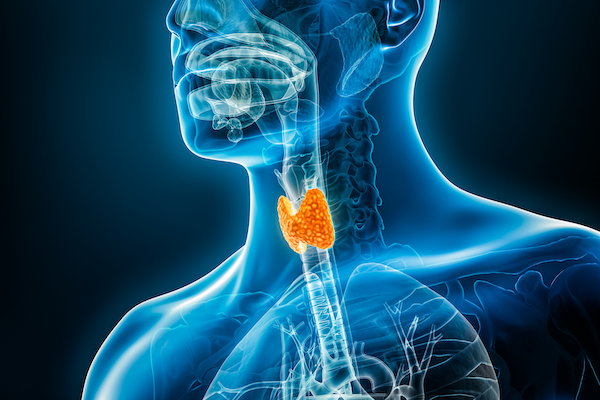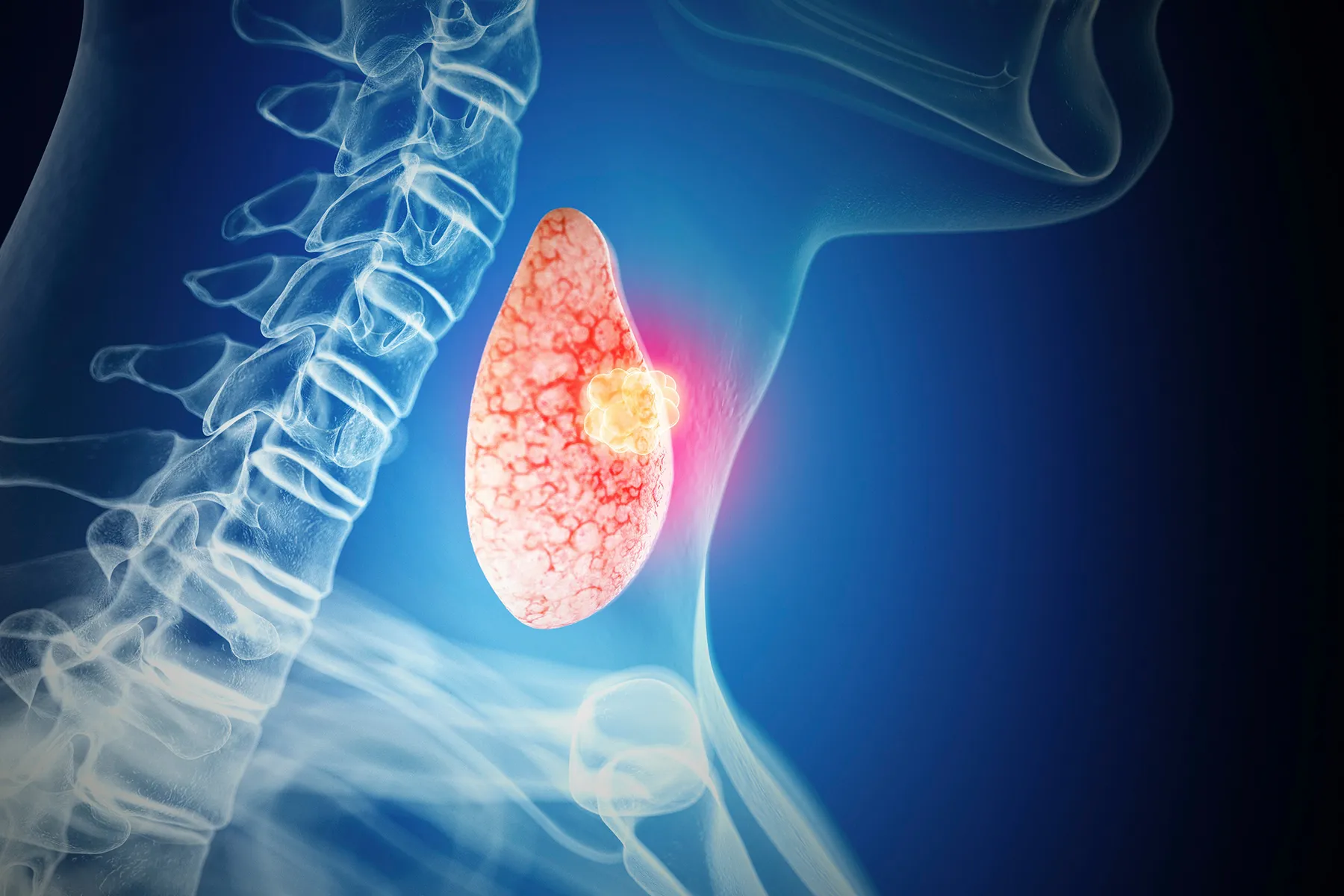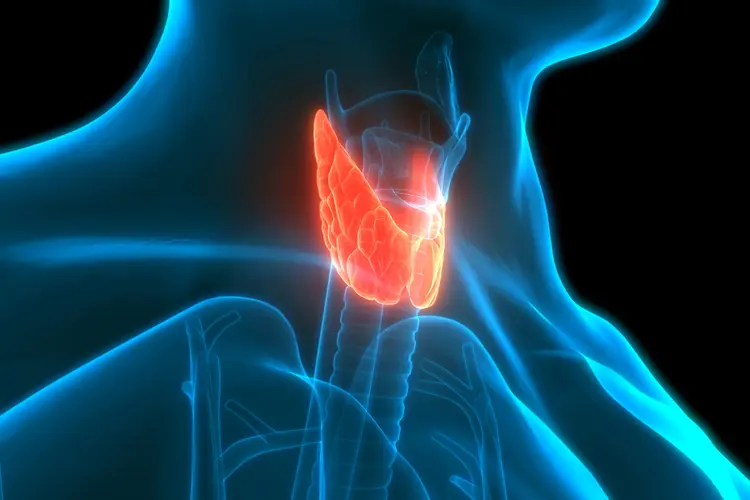
Hypothyroidism is a condition in which the thyroid gland produces insufficient thyroid hormones, specifically T4 (thyroxine) and T3 (triiodothyronine), to meet the body's metabolic needs. The pituitary gland responds by producing more TSH (thyroid-stimulating hormone) in an attempt to stimulate the thyroid. A raised TSH with low or low-normal free T4 confirms the diagnosis. In Dubai, Hashimoto's thyroiditis is the most common underlying cause.
Hypothyroidism Treatment in Dubai: Underactive Thyroid Care by Dr. Ali Aldibbiat
20+ Years Clinical Experience | FRCP (London) | FRCP (Edinburgh) | PhD Researcher | FACE | Associate Professor | Jumeirah, Dubai
Hypothyroidism, an underactive thyroid, is one of the most common endocrine conditions in Dubai, affecting women far more frequently than men and often going undiagnosed for years because symptoms develop slowly and are easily attributed to other causes. Yet the consequences of untreated hypothyroidism are significant: elevated cardiovascular risk, impaired fertility, depression, and in pregnancy, risk to the developing baby. Dr. Ali Aldibbiat provides specialist hypothyroidism treatment in Dubai at his Jumeirah clinic, delivering complete hypothyroidism treatment in Dubai with a comprehensive thyroid panel and personalized levothyroxine management at the first consultation.
What Is Hypothyroidism?
Understanding how an underactive thyroid affects the entire body is the first step toward accurate diagnosis and effective treatment.
When Every System Slows Down
Your thyroid gland sits at the front of your neck and regulates metabolism, body temperature, heart rate, cholesterol levels, and reproductive function among dozens of other physiological processes.
When it produces too little hormone, every system slows down. That is why the symptom list for hypothyroidism is so wide: fatigue, weight gain, constipation, dry skin, brain fog, depression, and irregular periods are all expressions of the same underlying metabolic slowdown.
Hypothyroidism Occurs on a Spectrum
A raised TSH combined with a low free T4 and clear clinical symptoms.
A clinical gray zone where treatment depends on TSH elevation, symptoms, pregnancy status, and Hashimoto's antibodies.
Both forms require specialist assessment. Dr. Ali Aldibbiat's approach to hypothyroidism treatment in Dubai goes beyond the TSH result to understand each patient's complete clinical picture.
What Causes Hypothyroidism?
Hypothyroidism may develop through autoimmune damage, medical treatment, medication effects, or failure of the pituitary gland.
Identifying the Cause Shapes the Treatment
Hypothyroidism has multiple causes, and identifying the correct one influences how aggressively to treat it and how long treatment will be needed.
The majority of hypothyroidism treatment Dubai cases are caused by Hashimoto's thyroiditis, an autoimmune condition that is manageable but not reversible.
Hashimoto's Thyroiditis
Hashimoto's is an autoimmune condition in which the immune system produces antibodies that attack the thyroid gland, progressively destroying its hormone-producing tissue.
It is most common in women between 30 and 50, although it can affect all ages and genders. It is commonly confirmed with a positive TPO antibody test.
Post-Treatment Hypothyroidism
Patients who have undergone radioactive iodine treatment for hyperthyroidism or Graves' disease, or total or partial thyroidectomy, frequently develop hypothyroidism as an expected result.
Medication-Induced Hypothyroidism
Its high iodine content can interfere with thyroid function and cause hypothyroidism in up to 20% of users.
Lithium can inhibit thyroid hormone synthesis and gradually reduce thyroid output.
In Dubai, amiodarone-induced thyroid dysfunction is encountered regularly in endocrinology practice.
Secondary Hypothyroidism
Unlike primary hypothyroidism, where the thyroid itself fails, secondary hypothyroidism occurs when the pituitary gland fails to produce adequate TSH.
The result is a low or inappropriately normal TSH alongside low free T4. This distinction changes the treatment target and requires investigation of other pituitary hormones.
Determines whether treatment may be lifelong.
Changes the blood-test targets used during monitoring.
Reveals associated autoimmune or pituitary conditions.
Symptoms of an Underactive Thyroid
Hypothyroidism affects energy, metabolism, digestion, cognition, mood, skin, hair, and reproductive health.
Hypothyroidism Often Develops Slowly
Hypothyroidism symptoms develop gradually, often over months or years, which is why they are frequently dismissed or attributed to lifestyle, stress, overwork, or hormonal changes.
In a woman over 40 in Dubai, the combination of fatigue, weight gain, and low mood may be mistaken for perimenopause. However, the symptom pattern becomes distinctive when viewed as a whole.
What Hypothyroidism Can Feel Like
Persistent Fatigue and Low Energy
Hypothyroid fatigue is pervasive and does not improve normally with rest, regardless of sleep duration.
Unexplained Weight Gain
Weight gain is often modest but resistant to diet and exercise until thyroid function is adequately corrected.
Cold Intolerance
Feeling consistently colder than others can be particularly noticeable in Dubai's heavily air-conditioned offices.
Constipation
Reduced thyroid hormone slows intestinal motility and may cause constipation that does not respond fully to fibre or hydration alone.
Dry Skin, Hair Loss and Brittle Nails
Reduced metabolic activity affects skin-cell renewal and disrupts normal hair-growth cycles.
Brain Fog and Poor Memory
Difficulty concentrating, slow thinking, and word-finding problems are common in untreated hypothyroidism.
Depression and Low Mood
Hypothyroidism is a recognised cause of secondary depression, and treating the thyroid disorder may significantly improve mood.
Irregular or Heavy Periods
Hypothyroidism may cause irregular, heavier, or more frequent periods in women of reproductive age.
The Pattern Matters More Than One Symptom
Complications of Untreated Hypothyroidism
Hypothyroidism is not a benign condition when left untreated or undertreated. Its consequences extend beyond symptoms, affecting the heart, brain, reproductive system, nerves, and, during pregnancy, the developing baby.
Specialist hypothyroidism treatment in Dubai is important not only for symptom relief, but also for reducing avoidable cardiovascular, neurological, reproductive, and mental health complications.
Cardiovascular Disease
High-impact riskHypothyroidism can significantly raise LDL cholesterol and triglycerides, increasing the risk of coronary artery disease, heart failure, and atherosclerosis.
Levothyroxine treatment improves thyroid-related dyslipidemia in the majority of appropriately treated patients.
Infertility and Pregnancy Complications
Specialist monitoringHypothyroidism can disrupt menstrual cycles and impair ovulation. During pregnancy, untreated disease increases the risk of miscarriage, premature birth, and impaired neurological development in the baby.
Pregnancy requires tighter TSH targets and specialist monitoring throughout all three trimesters.
Mental Health Consequences
Frequently overlookedUntreated hypothyroidism is a recognized cause of secondary depression, anxiety, slowed thinking, and cognitive impairment. These symptoms may sometimes lead to psychiatric treatment before the underlying thyroid cause is identified.
Thyroid function testing should form part of a thorough assessment when new mental health symptoms are being investigated.
Peripheral Neuropathy
Often misidentifiedPersistently low thyroid hormone levels may lead to tingling, numbness, burning, or pain in the hands and feet due to peripheral nerve dysfunction.
Correcting hypothyroidism can improve or resolve neuropathic symptoms in many patients.
A Life-Threatening State of Extreme Metabolic Suppression
Myxedema coma is the most severe complication of long-standing, untreated hypothyroidism. It may be triggered by infection, physical stress, cold exposure, trauma, surgery, or sedative medications.
Early Diagnosis and Correct Treatment Protect Long-Term Health
Myxedema coma is rare where medical care is accessible, but it represents the preventable endpoint of years of untreated or severely undertreated hypothyroidism. Regular thyroid testing, correct levothyroxine dosing, and specialist follow-up significantly reduce the likelihood of serious complications.
This section is for general education only and does not replace individual medical advice. Confusion, extreme drowsiness, severe cold intolerance, breathing difficulty, collapse, or reduced consciousness require urgent emergency assessment.
How Hypothyroidism Is Diagnosed in Dubai
A single TSH test is often all that is needed to screen for hypothyroidism. However, an accurate diagnosis requires more than one number. A complete workup distinguishes primary from secondary hypothyroidism, identifies autoimmune thyroid disease, and evaluates persistent symptoms in patients already taking levothyroxine.
The diagnostic pathway moves from initial hormone screening to severity confirmation, autoimmune testing, specialist hormone assessment, and structural imaging where clinically indicated.
TSH Thyroid-Stimulating Hormone
A TSH measurement is the most sensitive first-line test for thyroid dysfunction. The result must be interpreted together with symptoms, repeat testing, and free thyroid hormone levels.
May indicate hypothyroidism when confirmed on repeat testing.
Suggests overt hypothyroidism requiring treatment assessment.
With normal free T4, this may represent subclinical hypothyroidism.
Subclinical hypothyroidism requires clinical judgment rather than automatic treatment based on the TSH number alone.
Free T4 Thyroxine
Free T4 helps determine whether the thyroid is producing enough circulating hormone and clarifies whether the condition is overt, subclinical, primary, or potentially secondary.
Confirms overt primary hypothyroidism.
May suggest secondary hypothyroidism from pituitary disease.
Secondary hypothyroidism is a critically different diagnosis and may require assessment of other pituitary hormones and pituitary imaging.
TPO Antibodies Hashimoto's assessment
Thyroid peroxidase antibodies help confirm Hashimoto's thyroiditis, the most common autoimmune cause of hypothyroidism.
TPO antibodies are positive in the majority of patients with Hashimoto's thyroiditis.
Free T3 Active thyroid hormone
Some patients continue to feel unwell despite normal TSH and free T4 results while taking levothyroxine. Free T3 may be considered when impaired conversion from T4 to active T3 is suspected.
Decisions regarding liothyronine or combined T4 and T3 therapy should be individualized and supervised by an endocrinologist.
Thyroid Ultrasound When goitre or nodules are suspected
Ultrasound is performed when the thyroid is enlarged, a nodule can be felt, or an abnormality has been found incidentally. It assesses gland size, texture, inflammation, and nodular disease.
Ultrasound is not routinely required to diagnose hypothyroidism itself. It is used when structural thyroid disease is suspected.
Diagnosis Is Based on Patterns, Not One Result Alone
A specialist combines TSH, free T4, antibody testing, symptoms, medication response, medical history, and structural imaging where necessary to determine the type and severity of hypothyroidism and select the most appropriate treatment approach.
Hypothyroidism Treatment in Dubai: Levothyroxine, T3, and Beyond
Treatment begins by restoring thyroid hormone levels safely and consistently. Most patients respond well to levothyroxine, while selected patients with persistent symptoms may require specialist assessment for combination therapy, autoimmune management, pregnancy care, or closer long-term monitoring.
The standard hypothyroidism treatment Dubai approach begins with levothyroxine, a synthetic form of T4 taken once daily on an empty stomach, ideally 30–60 minutes before food. The dose is adjusted until TSH reaches the target range, usually 0.4–2.5 mIU/L for most patients. For carefully selected patients who remain symptomatic despite optimized levothyroxine, combined T4 and T3 treatment may be considered under specialist supervision.
Levothyroxine Synthetic T4
Levothyroxine replaces the T4 hormone that the thyroid can no longer produce adequately. It is safe, effective, and well tolerated for the majority of patients when the dose and timing are correctly managed.
T4 Plus T3 Combination Therapy
For patients who remain symptomatic despite optimized levothyroxine and a normal TSH, adding liothyronine, a synthetic form of T3, may be considered after a careful specialist review.
- Symptoms persist and quality of life remains impaired.
- Free T3 remains below the preferred range.
- Levothyroxine has been optimized for at least six months.
Hashimoto's: Beyond Levothyroxine
Hashimoto's thyroiditis requires management of both hormone deficiency and the wider autoimmune context. Treatment may include nutritional assessment, antibody monitoring, and screening for related autoimmune disorders.
Selenium supplementation may be discussed when clinically appropriate.
Gluten-related assessment may be useful when coeliac antibodies or symptoms are present.
Long-term care may include screening for related autoimmune disease.
Hypothyroidism in Pregnancy
Pregnancy changes thyroid hormone requirements quickly. TSH should be optimized before conception and monitored closely throughout all three trimesters.
The dose may need adjustment from the first antenatal visit, with repeat testing throughout pregnancy to protect both maternal health and fetal neurological development.
Monitoring Prevents Under- and Overtreatment
Thyroid treatment must be reviewed after dose changes and periodically once stable. Consistent follow-up helps ensure symptoms resolve without exposing patients to excessive thyroid hormone.
Fatigue, weight gain, cognitive slowing, and metabolic risk may remain unresolved.
Excess dosing may increase the risks of atrial fibrillation and reduced bone density.
Individual Treatment, Accurate Dosing, Consistent Follow-Up
At Dr. Ali Aldibbiat's Jumeirah clinic, treatment is tailored to the patient's diagnosis, symptoms, hormone profile, pregnancy status, cardiovascular risk, and response to previous therapy.
Why Choose Dr. Ali Aldibbiat for Hypothyroidism Treatment in Dubai?
Dr. Ali Aldibbiat is a consultant endocrinologist providing hypothyroidism treatment in Dubai with over 20 years of specialist clinical experience. His dual FRCP fellowships from the Royal Colleges of London and Edinburgh, together with his PhD research in hormonal and metabolic science, provide the academic foundation for managing thyroid disease at its most complex.
Thyroid disorders, including Hashimoto's thyroiditis, subclinical hypothyroidism, persistent symptoms on levothyroxine, and hypothyroidism in pregnancy, form a significant part of his Dubai clinical practice.
The Full Clinical Picture Matters
Treatment is guided by symptoms, thyroid hormone conversion, autoimmune status, medical history, pregnancy plans, and life stage, rather than relying on a single TSH result and a fixed dose.
TSH and a Fixed Dose
- Focuses primarily on one laboratory result.
- May not assess thyroid autoimmunity.
- Persistent symptoms may remain unexplained.
Comprehensive Thyroid Evaluation
- Reviews symptoms alongside TSH, free T4, and free T3.
- Identifies Hashimoto's and autoimmune risk.
- Adjusts treatment to the patient's individual needs.
Full Thyroid Panel, Not Just TSH
Dr. Ali Aldibbiat assesses the wider thyroid picture at the first consultation, helping identify the underlying cause and establish a reliable baseline for long-term management.
T4 and T3 Combination Therapy
Persistent symptoms despite a normal TSH are one of the most common reasons patients seek specialist hypothyroidism treatment in Dubai. Free T3 conversion and the overall clinical picture are reviewed before combination therapy is considered.
Hashimoto's as an Autoimmune Condition
Hashimoto's thyroiditis is more than a cause of low thyroid hormone. It is an autoimmune disease with implications beyond thyroid levels. Management may therefore include nutritional assessment, antibody monitoring, and screening for related autoimmune conditions.
A Normal TSH Does Not Always Explain Persistent Symptoms
Patients who remain symptomatic despite levothyroxine, or who have been told their thyroid is normal when they clearly do not feel well, may benefit from specialist endocrinology assessment, additional investigation, and a more individualized treatment strategy.
Specialist Hypothyroidism Care in Jumeirah, Dubai
Arrange a comprehensive thyroid assessment with Dr. Ali Aldibbiat, including detailed hormone testing, autoimmune evaluation, treatment optimization, and long-term monitoring.
Frequently Asked Questions: Hypothyroidism Treatment in Dubai
The most common symptoms of hypothyroidism (underactive thyroid) are persistent fatigue and low energy that does not improve with rest, unexplained weight gain despite no change in diet, cold intolerance, constipation, dry skin and hair, brain fog and difficulty concentrating, low mood or depression, and, in women, irregular or heavier periods. Symptoms develop slowly over months to years and are often attributed to stress, aging, or menopause. If you have several of these symptoms together in Dubai, TSH testing is the appropriate first step. Dr. Ali Aldibbiat provides comprehensive hypothyroidism treatment in Dubai at his Jumeirah clinic.
The standard first-line treatment for hypothyroidism is levothyroxine (synthetic T4), taken once daily on an empty stomach. The dose is titrated to achieve a TSH within the normal range. For patients who remain symptomatic on optimized levothyroxine alone, T4 plus T3 combination therapy (adding liothyronine) is an evidence-based option that significantly improves quality of life in carefully selected patients. Dr. Ali Aldibbiat treats the patient, not just the TSH number, in his hypothyroidism treatment Dubai practice.
In most cases, hypothyroidism is a lifelong condition managed rather than cured. Hashimoto’s thyroiditis, the most common cause in Dubai, is an autoimmune condition that permanently reduces thyroid function over time. With appropriate levothyroxine treatment, the vast majority of patients feel completely well and lead a normal life. A minority of cases such as postpartum thyroiditis or hypothyroidism from a reversible medication may resolve when the underlying cause is treated. Dr. Ali Aldibbiat provides expert hypothyroidism treatment in Dubai with long-term monitoring to keep your thyroid function optimized.
The most common cause of hypothyroidism in Dubai is Hashimoto’s thyroiditis, an autoimmune condition in which the immune system produces antibodies that attack the thyroid gland, progressively reducing its hormone output. Other causes include previous radioactive iodine treatment or thyroid surgery, certain medications (amiodarone, lithium), iodine deficiency, and secondary hypothyroidism from pituitary failure. In Dubai, Hashimoto’s thyroiditis accounts for the majority of hypothyroidism treatment cases presenting to endocrinology clinics.
Yes. Untreated hypothyroidism carries significant long-term risks. Elevated LDL cholesterol and high cardiovascular risk from persistently low thyroid hormone are the most clinically significant—particularly in Dubai, where cardiovascular disease is already prevalent. Infertility, increased miscarriage risk, depression, and peripheral neuropathy are well-documented. In pregnancy, untreated hypothyroidism increases the risk of miscarriage, premature birth, and impaired neurological development in the baby. In extreme cases, severe untreated hypothyroidism leads to myxoedema coma. Early hypothyroidism treatment in Dubai prevents all of these complications.
A consultant endocrinologist is the most appropriate specialist for hypothyroidism in Dubai—particularly for Hashimoto’s thyroiditis, subclinical hypothyroidism, persistent symptoms on levothyroxine, hypothyroidism in pregnancy, or when T4/T3 combination therapy is being considered. Dr. Ali Aldibbiat provides specialist hypothyroidism treatment in Dubai at 109 Century Plaza, Jumeirah Beach Road, Jumeirah 1, Dubai. Searching for hypothyroidism near me or a thyroid doctor near me in Dubai? Book at /contact/book-appointment/ or call +971 58 588 2295.
Dr. Ali Aldibbiat’s Endocrinology Clinic in Dubai, UAE
Dr. Ali Aldibbiat runs an endocrinology clinic at 109 Century Plaza, Jumeirah Beach Road, Jumeirah 1, Dubai, UAE. He also sees patients at Mediclinic City Hospital, Dubai. Patients from across Dubai, Abu Dhabi, Sharjah, and the wider UAE and Gulf region travel to his Jumeirah clinic for specialist endocrine and metabolic care. If you are searching for the best endocrinologist near me in Dubai, no referral is required; book directly at draliendo.com.