

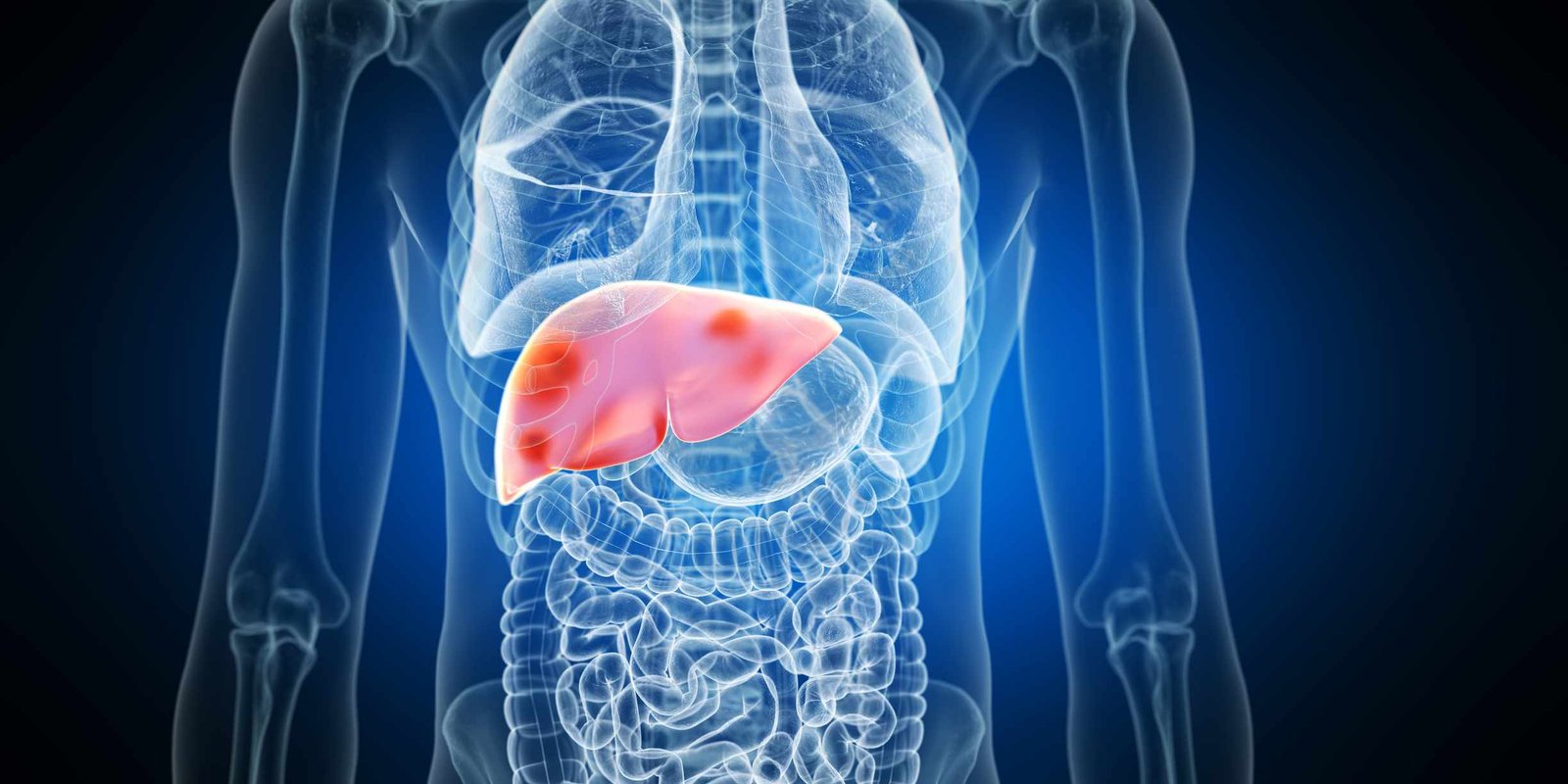
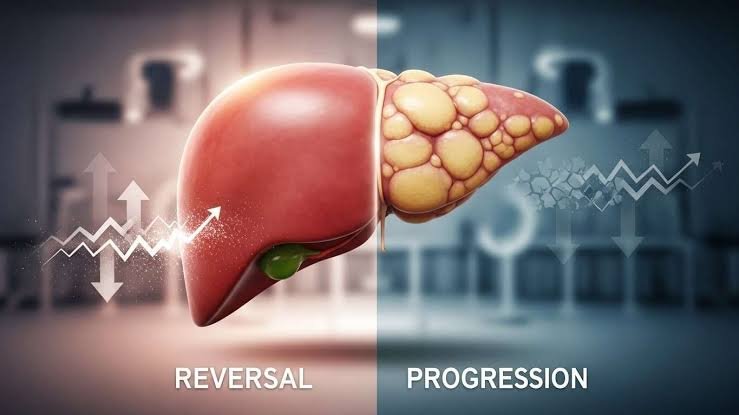
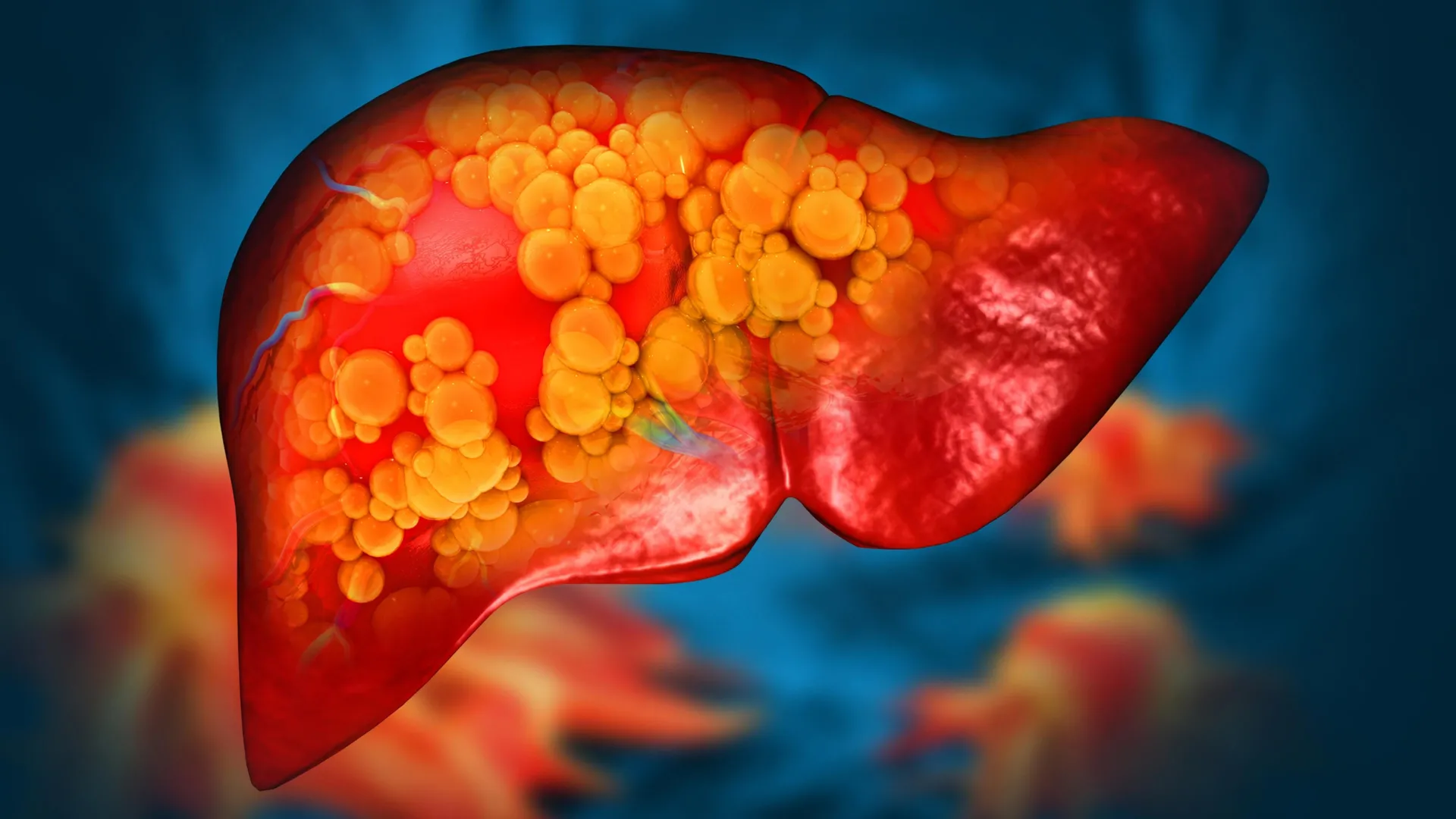
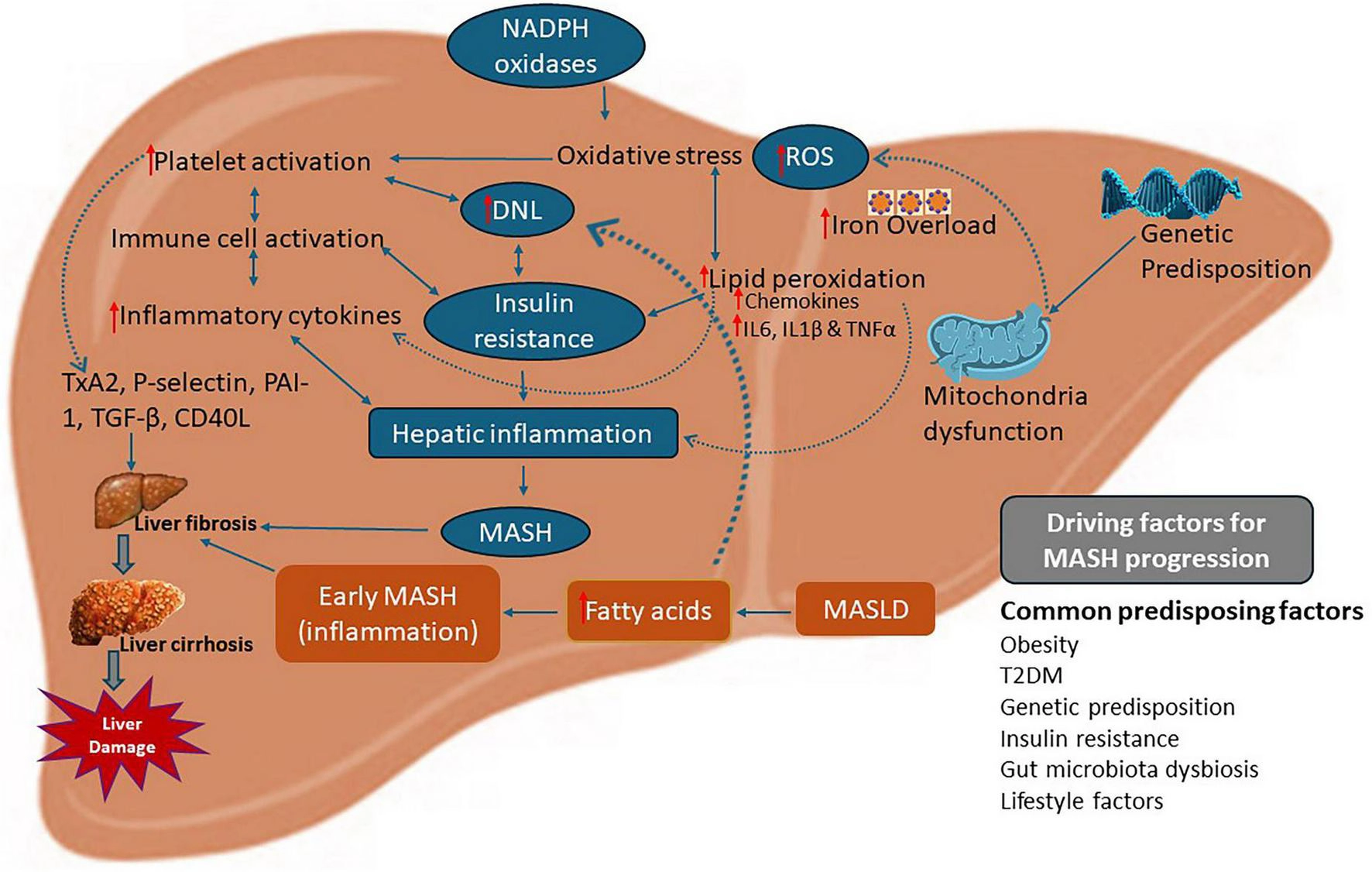
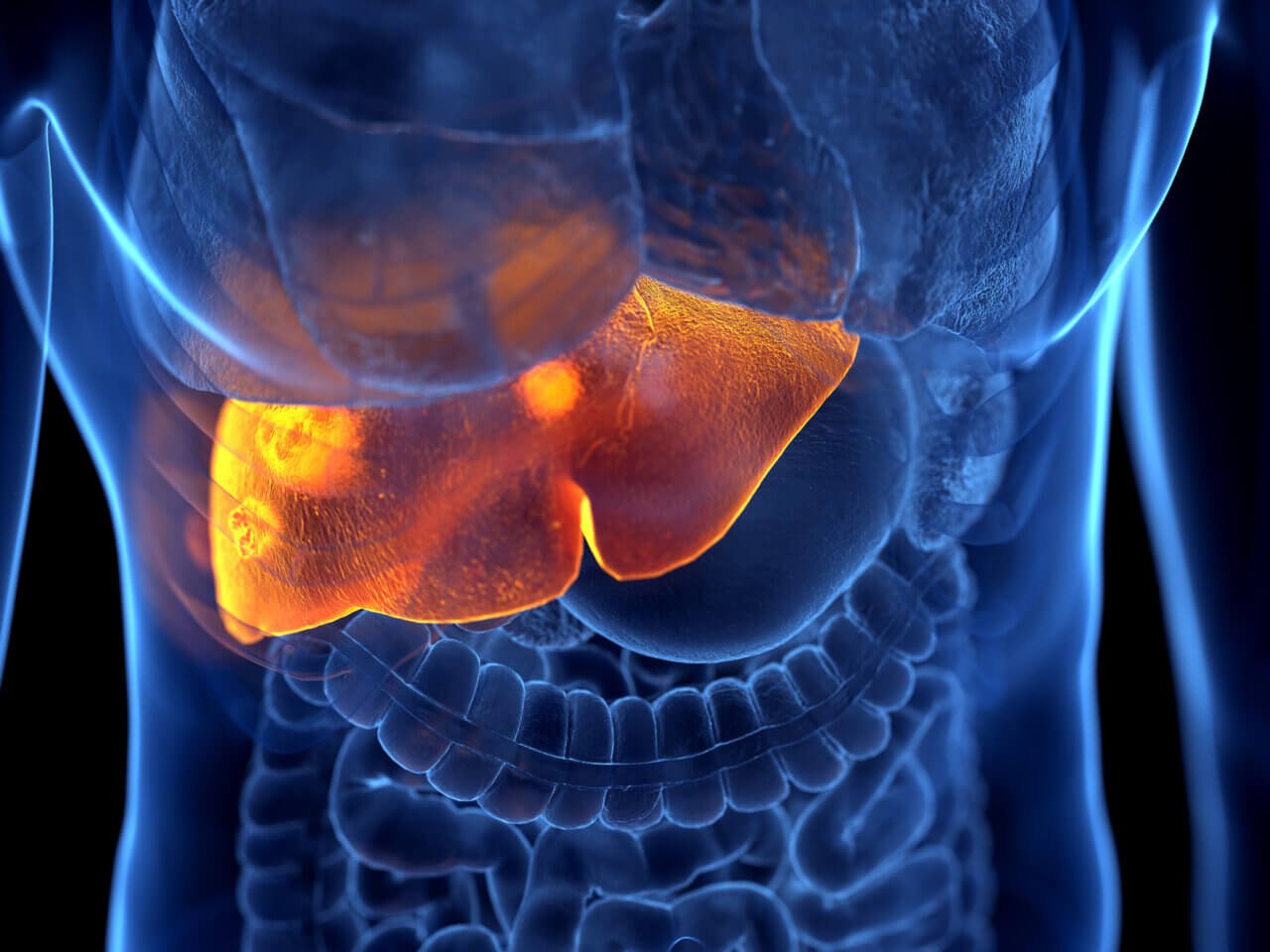
Fatty liver disease (metabolic dysfunction-associated steatotic liver disease) is a progressive condition in which excess fat accumulates in the liver, affecting at least 5% of liver cells, in the absence of significant alcohol consumption. It exists on a spectrum transitioning from simple steatosis to metabolic dysfunction-associated steatohepatitis (MASH), fibrosis, and ultimate cirrhosis.
The liver's role in fat and glucose metabolism makes it particularly vulnerable to the effects of insulin resistance. When the body's cells become resistant to insulin, the liver is exposed to higher levels of free fatty acids and develops increased fat storage.
Fatty liver disease has reached epidemic proportions globally, and Dubai's population carries a particularly high risk given the prevalence of obesity, type 2 diabetes, and sedentary lifestyle. Fatty liver disease treatment in Dubai must therefore be embedded within broader metabolic care, addressing weight, glucose control, and lipid management together rather than treating the liver in isolation.
What Causes Fatty Liver
Disease in Dubai?
Fatty liver disease treatment in Dubai begins with understanding the specific metabolic drivers present in each patient, since these determine both prognosis and the most effective treatment strategy.
Obesity and Visceral Fat
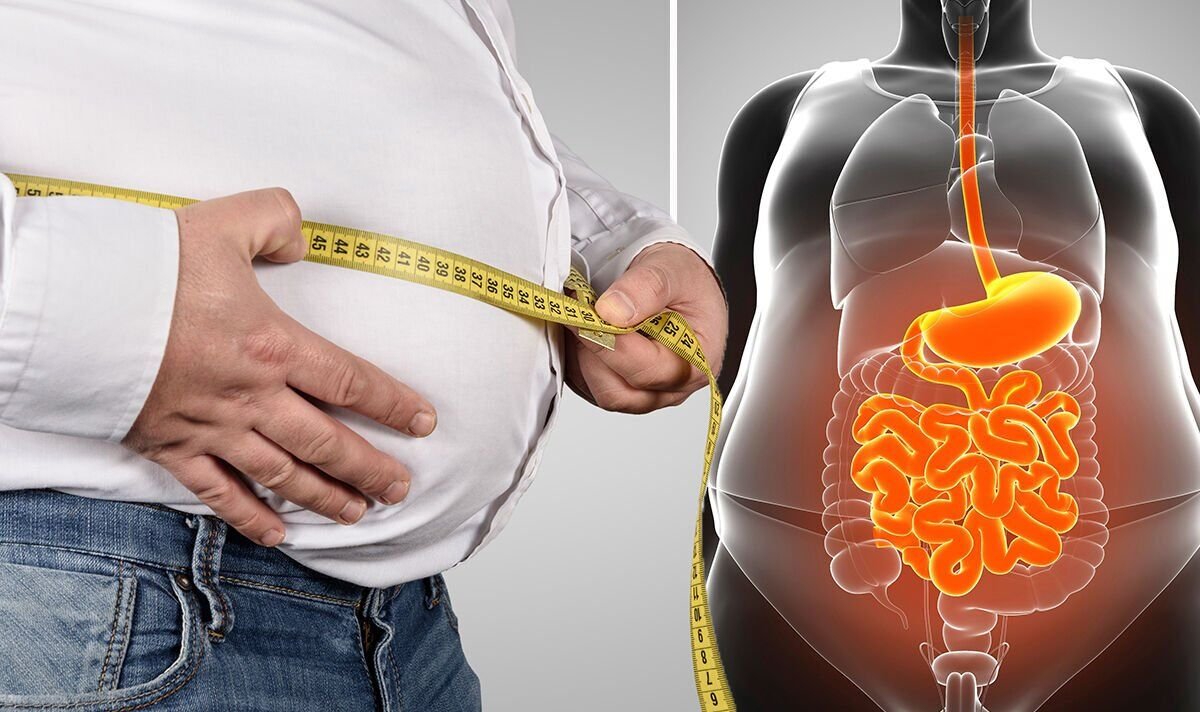
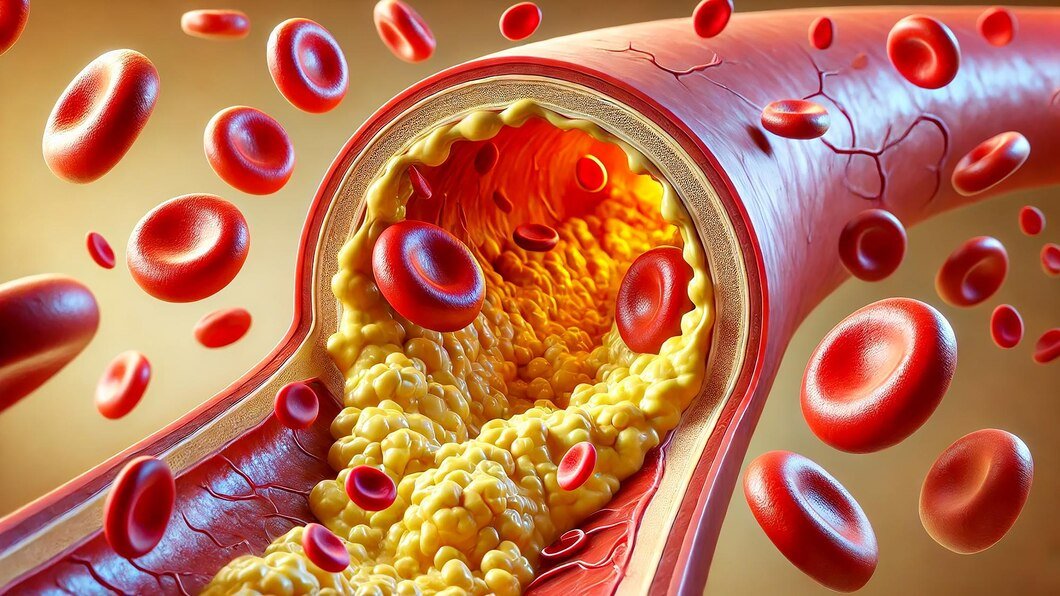
Excess visceral (abdominal) fat is the single strongest risk factor for fatty liver disease. Visceral fat is metabolically active, releasing free fatty acids and inflammatory signals directly into the portal circulation that drains into the liver, promoting fat accumulation and inflammation within liver tissue.
Type 2 Diabetes and Insulin Resistance
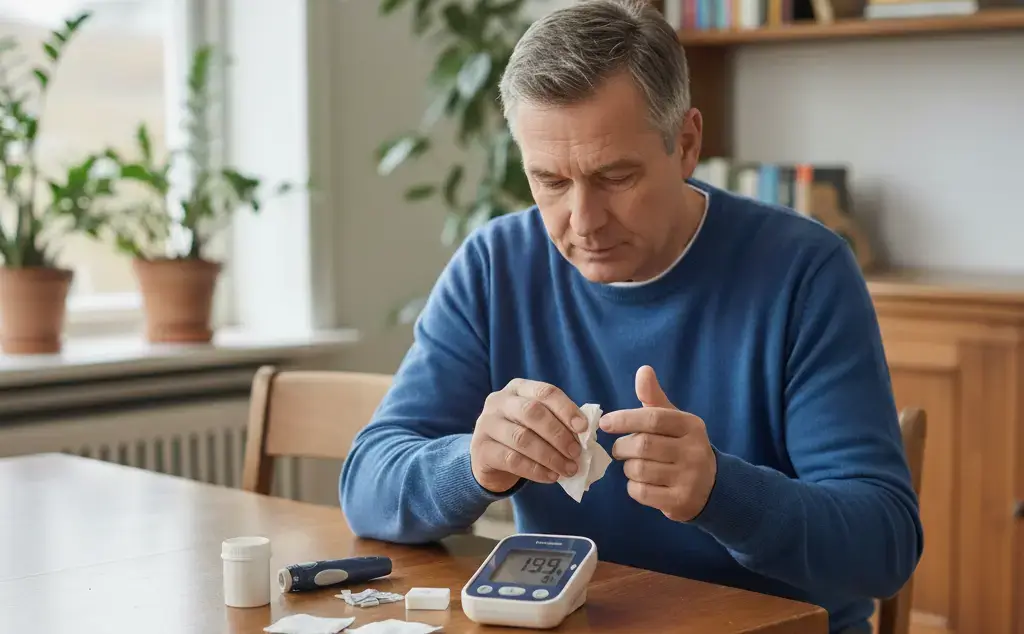
Up to 70% of patients with type 2 diabetes have fatty liver disease, and the relationship runs in both directions: insulin resistance promotes liver fat accumulation, while fatty liver disease itself worsens insulin resistance.
Explore Diabetes Management Protocol →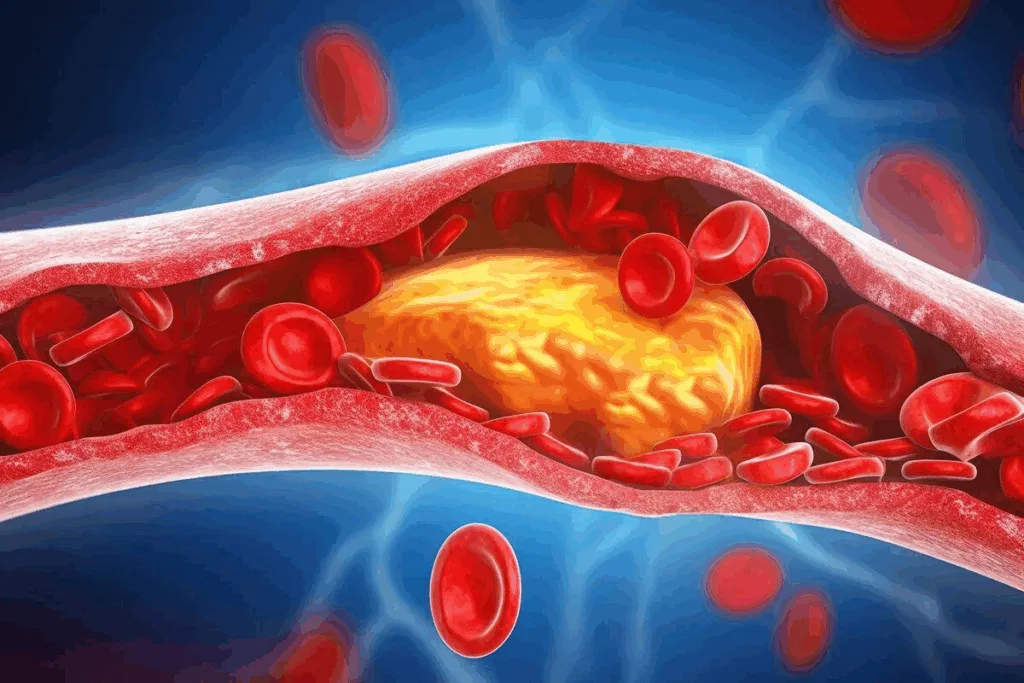
Dyslipidaemia
Elevated triglycerides and the diabetic dyslipidemia pattern (high triglycerides, low HDL) are closely associated with fatty liver disease, reflecting the shared underlying disturbance in lipid metabolism.
Explore Dyslipidemia Matrix →
Genetic and Other Factors
Certain genetic variants (PNPLA3, TM6SF2) increase susceptibility to fatty liver disease and its progression to fibrosis, independent of body weight. Polycystic ovary syndrome, hypothyroidism, and obstructive sleep apnea are also associated with increased fatty liver disease risk and should be assessed as part of a comprehensive workup.
When Should You See
a Doctor for Fatty Liver?
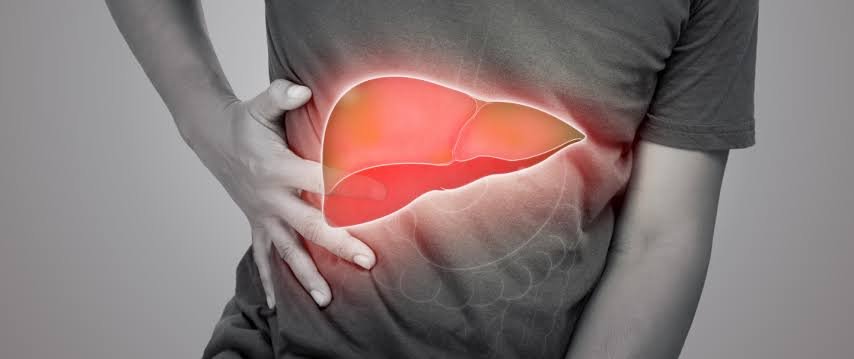
Seek specialist fatty liver disease treatment assessment in Dubai promptly to isolate metabolic drivers and establish accurate fibrosis risk mapping.
Seek Specialist Assessment Without Delay If:
Elevated Liver Enzymes (ALT, AST)
Identified on routine blood testing, particularly alongside obesity, diabetes, or dyslipidaemia. This requires immediate fibrosis risk assessment, not just repeat testing.
Incidentally Identified Fat
Fatty liver identified incidentally on routine imaging should prompt a structured comprehensive metabolic workup rather than being dismissed as a minor finding.
Advanced Liver Signs
Jaundice (yellowing of skin/eyes), abdominal swelling, or easy bruising may indicate advanced liver disease requiring urgent clinical diagnostic assessment.
Indeterminate FIB-4 Score
A FIB-4 or other validated fibrosis screening score in the indeterminate or high-risk range warrants specialist fatty liver disease treatment evaluation.
Type 2 Diabetes Complications
Type 2 diabetes with any abnormal liver test. Diabetic patients have a particularly high fatty liver disease risk profile and should be screened proactively.
High-Risk Family History
A confirmed family history of cirrhosis or liver cancer alongside personal metabolic risk factors warrants early strategic assessment pathways.
If you have known metabolic risk factors (obesity, type 2 diabetes, dyslipidemia) but normal liver enzymes and no symptoms, a baseline liver ultrasound and fibrosis risk calculation is a reasonable proactive step. Specialist fatty liver disease treatment in Dubai ensures the correct screening interval is established and any change is detected early.
Complications of Untreated Fatty Liver
Fatty liver disease is not a benign incidental finding. Left untreated, it can progress through distinct stages toward serious and irreversible liver damage. Early fatty liver disease treatment in Dubai prevents this progression in the majority of patients.
Progression to MASH and Fibrosis
Simple steatosis can progress to metabolic dysfunction-associated steatohepatitis (MASH), where liver inflammation causes ongoing cell damage and scarring (fibrosis). Approximately 20% of patients with MASLD develop MASH, and a proportion of these progress to advanced fibrosis over years if the underlying metabolic drivers are not addressed.
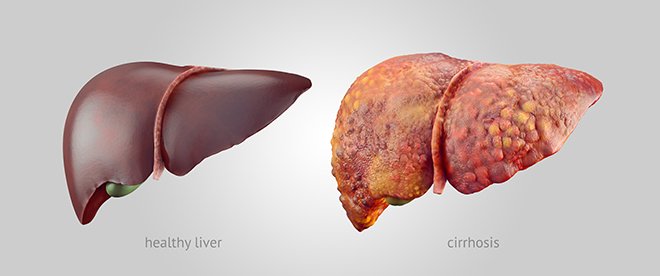
Cirrhosis
Advanced fibrosis can progress to cirrhosis, where extensive scarring permanently disrupts liver structure and function. Cirrhosis from fatty liver disease is now one of the leading indications for liver transplantation globally, having risen dramatically as obesity and diabetes rates have increased.
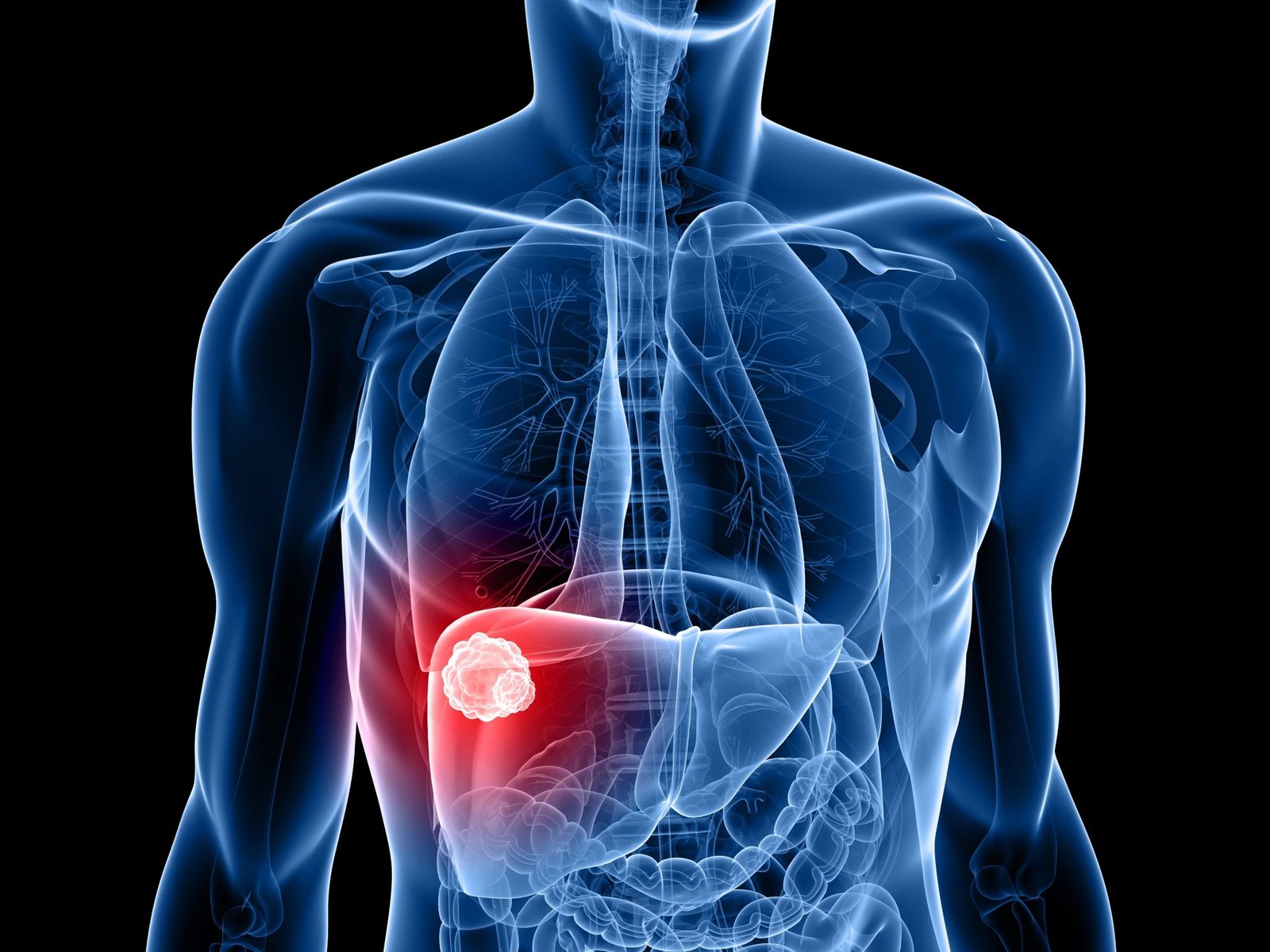
Liver Cancer
Cirrhosis from fatty liver disease carries a significant risk of hepatocellular carcinoma (liver cancer), and importantly, liver cancer can also arise in fatty liver disease even without cirrhosis being present in some cases. Regular surveillance is recommended for patients with advanced fibrosis or cirrhosis from fatty liver disease.
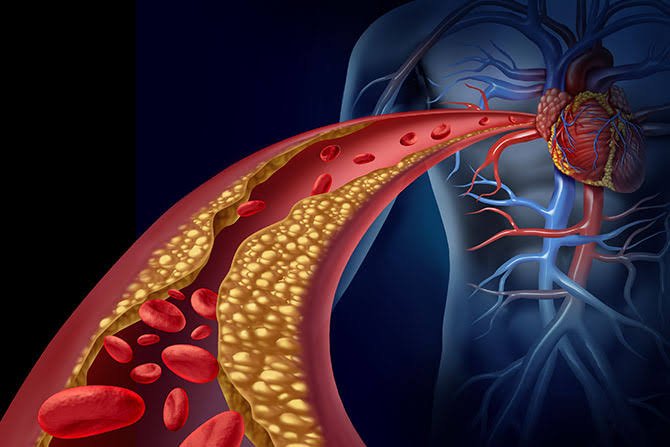
Cardiovascular Disease
Fatty liver disease is an independent risk factor for cardiovascular disease, beyond the risk conferred by obesity, diabetes, and dyslipidemia alone. Cardiovascular disease, rather than liver disease itself, is the leading cause of death in patients with fatty liver disease, underscoring why fatty liver disease treatment Dubai must address the complete metabolic picture.
Fatty Liver Disease Treatment in Dubai
Fatty liver disease treatment in Dubai centers on structured weight loss and exercise, with pharmacological options now available for patients with confirmed MASH and fibrosis. Treating the associated conditions, diabetes, dyslipidemia, and obesity, is integral to managing the liver itself rather than a separate consideration.

Structured Weight Management
Supervised weight loss programs, including dietary counseling and, where appropriate, GLP-1 receptor agonist medications, are increasingly central to fatty liver disease treatment in Dubai. These medications, originally developed for diabetes and obesity, have demonstrated significant improvement in liver fat and MASH resolution in clinical trials.
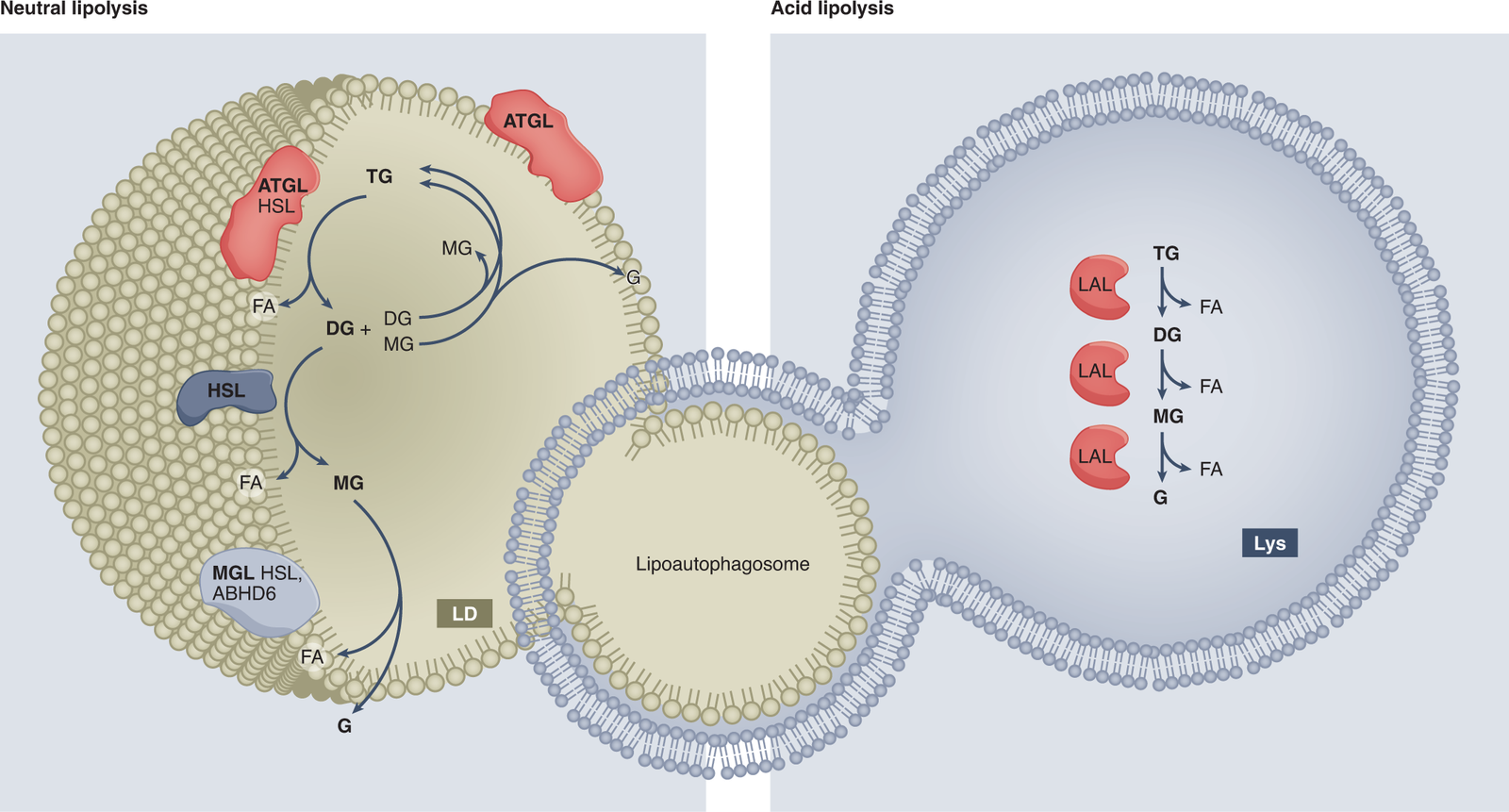
Glucose & Lipid Optimisation
Tight glycemic control in patients with type 2 diabetes and dyslipidemia treatment reduces the metabolic drivers of liver fat accumulation. Several diabetes medications (pioglitazone, GLP-1 agonists, and SGLT2 inhibitors) have specific evidence for benefit in fatty liver disease beyond their glucose-lowering effect.
Resmetirom for Confirmed MASH with Fibrosis
Resmetirom is the first medication specifically approved for MASH with significant fibrosis, acting on liver thyroid hormone receptors to reduce liver fat and improve fibrosis. It represents an important addition for patients with biopsy- or elastography-confirmed MASH and fibrosis.

Vitamin E for Non-Diabetic MASH
Vitamin E at high doses has evidence for improving liver histology in non-diabetic patients with biopsy-proven MASH, though it is not recommended for patients with diabetes or cirrhosis due to safety considerations in those populations.
Long-Term Clinical Monitoring Protocols
Monitoring of fatty liver disease treatment in Dubai includes repeat FIB-4 scoring and liver function tests every 6 to 12 months, repeat transient elastography for patients with elevated fibrosis risk, and surveillance ultrasound every 6 months for patients with confirmed cirrhosis to screen for liver cancer. Weight, glucose control, and lipid profile are reviewed at every visit as core components of liver health management.
Why Choose Dr. Ali Aldibbiat
for Fatty Liver Disease Treatment?
Dr. Ali Aldibbiat is a consultant endocrinologist providing fatty liver disease treatment in Dubai with over 20 years of specialist clinical experience. His dual FRCP fellowships from the Royal Colleges of London and Edinburgh and his PhD research in metabolic science provide the foundation for managing fatty liver disease as the metabolic condition it fundamentally is.
Fatty liver disease treatment in Dubai is most effective when delivered by a specialist who treats the complete metabolic picture—weight, glucose, and lipids—rather than viewing the liver in isolation. Dr. Ali Aldibbiat's approach integrates fibrosis risk stratification with comprehensive metabolic management, ensuring that treatment addresses both the liver and its underlying drivers simultaneously.
For patients in Dubai with an incidental fatty liver finding, elevated liver enzymes alongside metabolic risk factors, or an elevated fibrosis risk score requiring further evaluation, specialist endocrinology assessment provides the structured pathway from diagnosis through fibrosis staging to evidence-based treatment.

Fibrosis Risk Stratification at Every Consultation
Confirming the presence of fat in the liver is only the first step. Dr. Ali Aldibbiat calculates FIB-4 and arranges elastography where indicated at every fatty liver disease treatment Dubai consultation, ensuring the patients at highest risk of progression are identified and managed appropriately.

Complete Metabolic Management, Not Just Liver Focus
Fatty liver disease treatment in Dubai at Dr. Ali Aldibbiat's clinic addresses diabetes, dyslipidemia, and obesity simultaneously with liver health, reflecting the shared underlying pathology rather than treating each condition in isolation.
Access to Emerging Pharmacological Options
As new medications for MASH and fibrosis become available, including resmetirom and GLP-1 receptor agonists, Dr. Ali Aldibbiat's fatty liver disease treatment in Dubai incorporates the latest evidence-based options for patients with confirmed advanced disease, going beyond lifestyle advice alone where pharmacological treatment is indicated.
Book Your Fatty Liver Disease Consultation in Dubai
Complete metabolic and fibrosis risk assessment. Specialist near me? Jumeirah, Dubai.
Book Appointment ➔Dr. Ali Aldibbiat
- 📍 109 Century Plaza, Jumeirah Beach Rd, Jumeirah 1, Dubai, UAE
- 📞 +971 58 588 2295
- ✉️ a.aldibbiat@draliendo.com
I would like to thank Dr. Ali Aldibbiat. He is an exceptional doctor, highly experienced in his specialty, and fully dedicated to his patients' healing.

The hospital has very great services and experienced doctors. Thanks to Dr. Ali Aldibbiat, he knew my issues from the first time. Although I have been to many places, no one could find what I was going through.
I visit Dr. Ali AlDibbiat, the endocrinologist here, who is excellent and very patient. His treatment has significantly improved my diabetes control.