

Thyroiditis Treatment in Dubai: Expert Diagnosis and Management
20+ Years Clinical Experience | FRCP (London) | FRCP (Edinburgh) | PhD Researcher | Associate Professor | Jumeirah, Dubai
Thyroiditis is inflammation of the thyroid gland that can cause temporary or lasting changes to your thyroid hormone levels. In Dubai, accurate diagnosis of the type and phase of thyroiditis is the foundation of correct treatment. Dr. Ali Aldibbiat, a consultant endocrinologist at Jumeirah Beach Road, provides specialist thyroiditis treatment in Dubai covering all forms from subacute and postpartum to Hashimoto thyroiditis and silent thyroiditis. Whether you are experiencing neck pain, fatigue, or unexplained weight changes, expert evaluation begins here.
What Is Thyroiditis?
FEATURED SNIPPET TARGET Thyroiditis is inflammation of the thyroid gland. It encompasses several distinct conditions that differ in cause, presentation, and duration. Most forms cause temporary disruption of thyroid hormone levels, producing a pattern of initial hormone excess followed by deficiency before eventual recovery. Some forms, particularly Hashimoto thyroiditis, cause permanent underactivity of the thyroid gland. |
Thyroiditis is not a single disease; it is a group of conditions united by the common feature of thyroid gland inflammation. The inflammation may be caused by autoimmune attack, viral infection, pregnancy-related immune rebound, medication, or radiation. The clinical presentation and the appropriate thyroiditis treatment in Dubai vary considerably depending on which type a patient has. Accurate diagnosis by a specialist endocrinologist is the essential first step.
A key concept that distinguishes thyroiditis from other thyroid disorders is the triphasic disease course seen in most transient forms. When the thyroid becomes inflamed, stored hormone leaks into the bloodstream, temporarily raising thyroid hormone levels in a thyrotoxic phase. As stores deplete, levels fall and hypothyroidism develops. Most patients then recover to normal thyroid function, though some develop permanent hypothyroidism. Understanding this course is central to appropriate thyroiditis treatment management in Dubai.
How Thyroiditis Is Diagnosed in Dubai
Diagnosing thyroiditis accurately requires more than a single blood test. Different types produce different patterns on thyroid function testing, antibody screening, inflammatory markers, and thyroid imaging. Dr. Ali Aldibbiat's structured thyroiditis diagnostic approach at his Jumeirah clinic distinguishes between all six major types from the first consultation.
Step 1: TSH and Thyroid Function Panel
Thyroid-stimulating hormone (TSH), free T3, and free T4 are measured in all patients. Low TSH with elevated free T4/T3 indicates the thyrotoxic phase. Elevated TSH indicates the hypothyroid phase. Normal TSH with symptoms prompts further investigation. This panel establishes a functional state but does not identify the cause.
Step 2: TPO Antibody Testing
Thyroid peroxidase (TPO) antibodies are elevated in Hashimoto, postpartum, and silent thyroiditis. Their presence confirms an autoimmune basis and distinguishes these types from subacute thyroiditis, where antibodies are typically negative. Dr. Ali Aldibbiat tests all new thyroid patients for antibodies at their first Dubai clinic visit.
Step 3: Inflammatory Markers ESR and CRP
Erythrocyte sedimentation rate (ESR) and C-reactive protein (CRP) are markedly elevated in subacute thyroiditis often higher than in most other thyroid conditions. Normal or mildly elevated markers help rule out subacute thyroiditis and point toward autoimmune forms.
Step 4: Thyroid Ultrasound
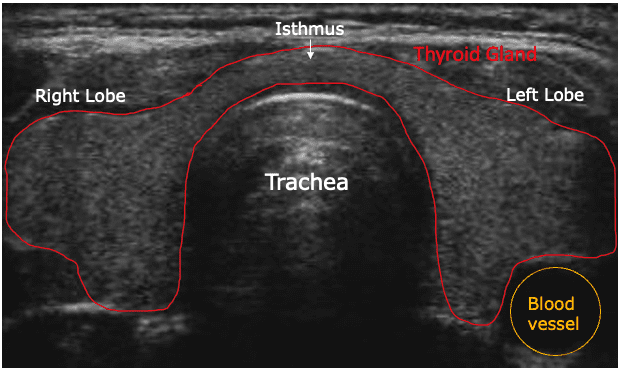
Performed to assess gland size, echotexture, and vascularity. In subacute thyroiditis: focal hypoechoic areas and reduced vascularity. In Hashimoto: heterogeneous echotexture. In postpartum and silent thyroiditis: mild enlargement. Ultrasound also excludes nodules requiring separate evaluation.
Step 5: Radioactive Iodine Uptake (RAIU)
Low or near-zero RAIU confirms destructive thyroiditis (subacute, postpartum, silent) during the thyrotoxic phase. Particularly useful when presentation could represent Graves disease rather than thyroiditis, as treatment differs fundamentally between the two.
A correct thyroiditis diagnosis determines whether treatment should be conservative (watchful waiting), symptomatic (beta-blockers, NSAIDs), or active (corticosteroids, levothyroxine). Patients attending Dr. Ali Aldibbiat's thyroiditis treatment clinic in Dubai receive a complete diagnostic picture from their first visit.
Thyroiditis Treatment in Dubai: Approach by Type
Many forms of thyroiditis are self-limiting and do not require aggressive intervention. The goal of thyroiditis treatment in Dubai is to manage symptoms in each phase, prevent complications, monitor for permanent thyroid dysfunction, and provide thyroid hormone replacement when clinically indicated.
Hashimoto Thyroiditis Treatment
Lifelong levothyroxine when TSH is elevated or the patient is symptomatic. Dose titrated to maintain TSH in the low-normal range. Annual thyroid function monitoring minimum. Selenium supplementation has some evidence in reducing antibody levels and is discussed at consultation.
Subacute Thyroiditis Treatment
NSAIDs for mild cases. Corticosteroids (prednisolone) for moderate-to-severe pain and systemic symptoms. Beta-blockers for thyrotoxic symptoms. Do NOT use antithyroid drugs; they are ineffective for destructive thyroiditis. Self-limited full recovery is expected in most cases.
Postpartum Thyroiditis Treatment
Thyrotoxic phase: beta-blockers only (antithyroid drugs not indicated). Hypothyroid phase: levothyroxine if symptomatic, attempting pregnancy, or breastfeeding. Dose taper recommended 12 months postpartum if not pregnant. TSH monitoring every 4-8 weeks.
Silent Thyroiditis Treatment
Conservative approach. Beta-blockers for the symptomatic thyrotoxic phase. No antithyroid drugs. Levothyroxine if the hypothyroid phase is symptomatic. Most patients recover normal thyroid function within 12-18 months. Approximately 20% develop permanent hypothyroidism.
Drug-Induced Thyroiditis Treatment
Review of causative medication with the prescribing team. Symptomatic management with beta-blockers for the thyrotoxic phase. Levothyroxine if hypothyroidism is symptomatic. Amiodarone-induced thyroiditis is complex and may require corticosteroids in type 2.
Regardless of thyroiditis type, long-term surveillance is essential. Even in patients who recover full thyroid function, recurrence and late-onset permanent hypothyroidism can occur. Dr. Ali Aldibbiat provides structured follow-up for all thyroiditis patients at his thyroiditis treatment clinic in Dubai, with thyroid function monitoring schedules tailored to the type and phase of disease. Patients from across Jumeirah, Downtown Dubai, DIFC, and the wider UAE attend for ongoing specialist care.
Symptoms of Thyroiditis: Understanding the Triphasic Course
The symptoms of thyroiditis depend on the type and the phase of the disease. Most transient forms follow a triphasic course, and the symptoms shift dramatically between phases. This is why some patients with thyroiditis experience seemingly contradictory symptoms over the course of their illness: rapid heartbeat followed by fatigue and weight gain.
Thyrotoxic Phase
(Weeks 1-3 Typically)
Caused by release of stored thyroid hormone from inflamed tissue. Symptoms: rapid heartbeat, anxiety, tremor, unexplained weight loss, heat intolerance, sweating, diarrhea, increased appetite. In subacute thyroiditis: neck pain, tenderness, fever, malaise. Often confused with Graves' disease.
Hypothyroid Phase
(Weeks 4-12 Typically)
Occurs after stored hormone is depleted. Symptoms: fatigue, unexplained weight gain, constipation, cold intolerance, low mood or depression, cognitive slowing, hair thinning. In women, menstrual irregularity is common. Clinically indistinguishable from other causes of hypothyroidism without TSH testing.
Recovery Phase
(Months 3-18 Typically)
Most patients with subacute, postpartum, and silent thyroiditis recover normal thyroid function. Symptoms resolve. TSH and thyroid hormone levels normalize. Regular monitoring during this phase confirms recovery and detects the subset who develop permanent hypothyroidism.
WARNING: NECK PAIN IN SUBACUTE THYROIDITIS
Neck pain and tenderness are the hallmark symptoms of subacute (de Quervain's) thyroiditis. The pain may be severe, radiate to the jaw or ears, and is associated with fever and malaise. This distinguishes subacute thyroiditis from all other forms, which are painless. NSAIDs or corticosteroids provide effective symptomatic relief.
Seek thyroiditis treatment in Dubai promptly if you experience neck pain with fever following a recent viral illness, heart palpitations or unexplained weight loss, progressive fatigue and weight gain, or thyroid symptoms within the first year after delivery. A specialist endocrinologist near me can determine the type and phase of thyroiditis and start the appropriate management.
Postpartum Thyroiditis in Dubai: What New Mothers Need to Know
Postpartum thyroiditis is among the most frequently missed thyroid conditions in Dubai and across the UAE. It affects an estimated 5-10% of women within the first year after delivery and is particularly prevalent in women with pre-existing thyroid antibodies, Type 1 diabetes, or a personal or family history of autoimmune disease. Because its symptoms overlap with normal postpartum adjustment, it often goes undiagnosed without specialist evaluation.
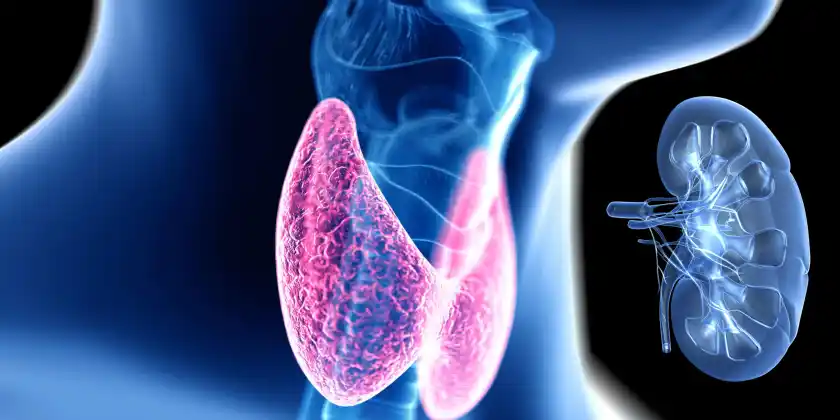
The Biphasic Course of Postpartum Thyroiditis
Phase 1 (weeks 1-4 postpartum):
Thyrotoxicosis from hormone release anxiety, palpitations, and weight loss. Often confused with normal postpartum anxiety.
Phase 2 (months 2-6 postpartum):
Hypothyroidism, fatigue, depression, weight gain, cognitive difficulty. Often attributed to sleep deprivation or postpartum depression.
Recovery:
Most women normalize by 12 months, but 15-50% develop permanent hypothyroidism.
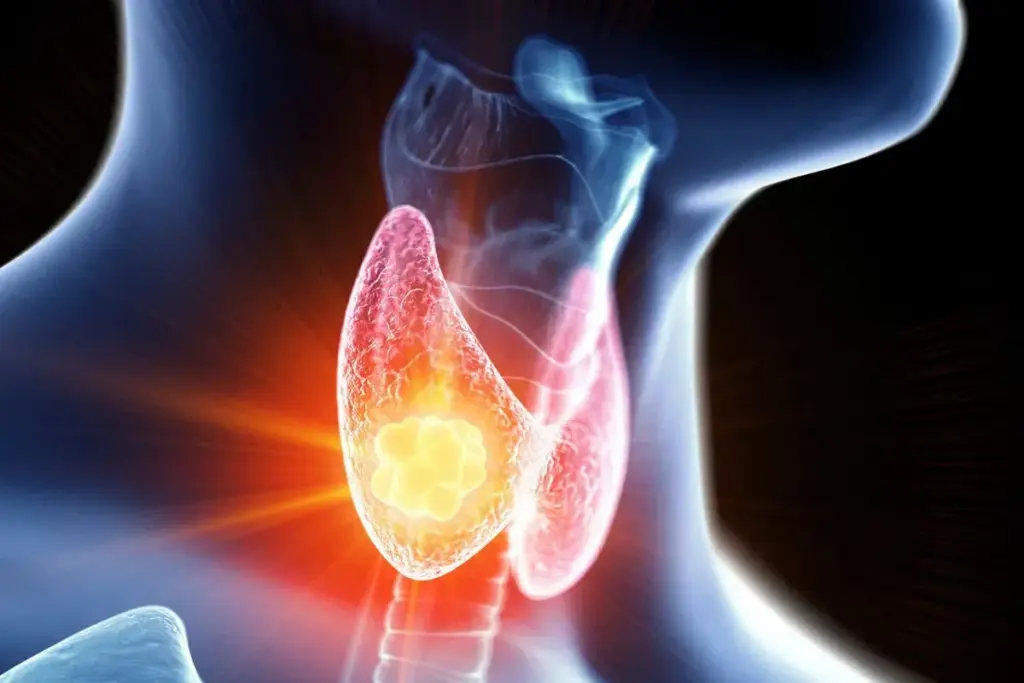
Risk Factors for Postpartum Thyroiditis in the UAE
- Pre-existing positive TPO antibodies (25% risk).
- Type 1 diabetes (22.5% risk).
- History of previous postpartum thyroiditis (50-70% recurrence risk).
- Chronic hepatitis C (25% risk).
- Other autoimmune conditions.
If you experienced unexplained mood changes, weight fluctuations, fatigue, or palpitations after delivery in Dubai or the UAE, thyroid function testing is essential. Postpartum thyroiditis is treatable and, when identified early, prevents progression to permanent hypothyroidism in most cases.
Why Choose Dr. Ali Aldibbiat for Thyroiditis Treatment in Dubai?
Comprehensive Typing from the First Visit
Distinguishing Hashimoto from subacute from postpartum thyroiditis requires TPO antibody testing, inflammatory markers, thyroid ultrasound, and clinical judgment applied together. Dr. Ali Aldibbiat conducts a structured diagnostic workup at the first consultation, providing accurate typing and a clear treatment plan without delay for patients across Dubai.
Dual Royal College Fellowship
Holding fellowships from both London and Edinburgh places Dr. Ali Aldibbiat among a very small group of endocrologists in Dubai meeting the highest standard of UK postgraduate medical training. For a complex condition like thyroiditis, specialist credentials matter.
Postpartum and Female Thyroid Expertise
Postpartum thyroiditis requires sensitivity to the postpartum context, understanding of its overlap with postpartum depression, and careful medication decisions for breastfeeding patients. Dr. Ali Aldibbiat provides specialist guidance for female patients in Dubai navigating thyroiditis in the context of pregnancy and the postpartum period.
Book Your Thyroiditis Consultation in Dubai
Whether you have an abnormal TSH result, neck pain following a viral illness, or postpartum thyroid symptoms, Dr. Ali Aldibbiat provides expert thyroiditis diagnosis and treatment in Dubai with a clear management plan from your first visit.
Book AppointmentTypes of Thyroiditis: Which Form Do You Have?
Thyroid disorders require specialist endocrinology expertise, not just a TSH test and a prescription. Dr. Ali Aldibbiat provides a complete, evidence-based thyroid care pathway at a single clinic in Dubai from the first blood test through diagnosis, treatment, and long-term monitoring.
1
Hashimoto Thyroiditis (Chronic Autoimmune)
Most common form. The immune system progressively destroys thyroid tissue. Painless. Causes gradual and permanent hypothyroidism. Diagnosis: elevated TPO antibodies, raised TSH. Treatment: lifelong levothyroxine. A separate dedicated page to follow is at /thyroid-disorders/hashimotos-thyroiditis/ (to build).
2
Subacute Thyroiditis (de Quervain's - Granulomatous)
Painful, tender thyroid gland. Usually follows a viral infection by 2-8 weeks. Elevated ESR and CRP. Triphasic course. Self-limiting in most cases. Treatment: NSAIDs or corticosteroids for pain, beta-blockers in the thyrotoxic phase, levothyroxine in the hypothyroid phase if symptomatic.
3
Postpartum Thyroiditis
Autoimmune thyroiditis triggered by immune rebound after delivery. Affects 5-10% of women in the UAE within the first year postpartum. Typically painless biphasic course: thyrotoxicosis then hypothyroidism. Risk of permanent hypothyroidism: 15-50%. TPO antibodies are positive.
4
Silent (Painless - Lymphocytic) Thyroiditis
Autoimmune in nature. Similar to Hashimoto thyroiditis but transient. Painless. Low radioactive iodine uptake distinguishes it from Graves’ disease. Self-limiting. Beta-blockers for thyrotoxic symptoms. Thyroid function usually recovers within 12-18 months.
5
Drug-Induced Thyroiditis
Caused by amiodarone, lithium, interferon-alpha, interleukin-2, and immune checkpoint inhibitors. Can cause either hyper- or hypothyroidism. Management requires specialist review and often medication adjustment in consultation with the prescribing team.
6
Acute Infectious Thyroiditis
Rare. Caused by bacterial infection, usually in immunocompromised patients. Presents with fever, severe neck pain, and systemic infection signs. Elevated white cell count, ESR, CRP. Treated with antibiotics. May require drainage if abscess forms. Medical emergency.
Subclinical Hyperthyroidism and Thyroiditis: The Connection
What Is Subclinical Hyperthyroidism in Thyroiditis?
During the thyrotoxic phase of thyroiditis, a pattern of subclinical hyperthyroidism is commonly seen: TSH is suppressed below the normal range, but free T3 and free T4 are normal or only mildly elevated. Patients may have few or no symptoms or may notice mild palpitations, tremors, or anxiety. This pattern requires specialist interpretation to determine whether it represents thyroiditis, early Graves disease, or a toxic thyroid nodule.
Subclinical hyperthyroidism carries cardiovascular risks, including atrial fibrillation, and in postmenopausal women, accelerated bone loss. Management decisions depend on the underlying cause. In thyroiditis-related subclinical hyperthyroidism, watchful waiting with monitoring is appropriate as the phase is typically self-limiting. In other causes, active intervention may be required. Dr. Ali Aldibbiat evaluates patients with subclinical hyperthyroidism in Dubai with a full thyroid panel and ultrasound to determine the cause and appropriate management pathway.
Thyroiditis Care from a Research-Led Endocrinologist in Dubai
Dr. Ali Aldibbiat is a consultant endocrinologist providing thyroiditis treatment in Dubai with over 20 years of specialist clinical experience. Holding dual fellowships, FRCP from London and FRCP from Edinburgh, his training meets the highest standards of UK postgraduate endocrinology.
His original PhD research in islet transplantation, beta-cell regeneration, stem cell therapy, and insulin signaling reflects a scientific depth that distinguishes his clinical approach. Although principally focused on diabetes and metabolic disease, thyroid conditions, including all forms of thyroiditis, are a core component of his endocrinology practice in Dubai.
As Adjunct Associate Professor at Mohammed Bin Rashid University of Medical Sciences and a reviewer for the Endocrine Society USA, Dr. Ali Aldibbiat brings academic rigor and current evidence-based practice to every thyroiditis consultation at Jumeirah Beach Road, Dubai.
Related Thyroid Conditions
Thyroid Disorders Hub
Overview of all thyroid conditions managed at Dr. Ali's Dubai clinic.
Hashimoto's thyroiditis
Chronic autoimmune thyroiditis is the most common form.
To BuildHypothyroidism Treatment To Build
Underactive thyroid management in Dubai.
To Build - Do not link as liveEndocrinologist Available in Dubai, UAE
Ready to Take Control of Your Type 2 Diabetes?
Dr. Ali Aldibbiat offers specialist Type 2 diabetes consultations at his Jumeirah clinic in Dubai, including HOMA-IR assessment, personalized treatment plan, and remission evaluation. No referral required.
📅 Book a Consultation
What Patients Say
Dr. Ali Aldibbiat’s Type 2 diabetes patients come from across Dubai and the UAE, many having spent years on inadequate treatment before finding the precision care that actually works.
I would like to thank Dr. Ali Aldibbiat. He is an exceptional doctor, highly experienced in his specialty, and fully dedicated to his patients' healing.
The hospital has very great services and experienced doctors. Thanks to Dr. Ali Aldibbiat, he knew my issues from the first time. Although I have been to many places, no one could find what I was going through.
I visit Dr. Ali AlDibbiat, the endocrinologist here, who is excellent and very patient. His treatment has significantly improved my diabetes control.
Frequently Asked Questions: Thyroid Disorders in Dubai
Thyroiditis is inflammation of the thyroid gland, which can temporarily cause either high or low thyroid hormone levels depending on the phase. Hypothyroidism is a condition of persistently low thyroid hormone production. Thyroiditis can lead to hypothyroidism, but they are not the same. In Hashimoto thyroiditis, chronic inflammation eventually causes permanent hypothyroidism. In subacute or postpartum thyroiditis, hypothyroidism is usually temporary, with most patients recovering normal thyroid function within 12-18 months of thyroiditis treatment in Dubai.
Yes, in many cases. Subacute thyroiditis and postpartum thyroiditis are typically self-limiting, with most patients recovering normal thyroid function within 12 to 18 months. However, approximately 15-20% of subacute thyroiditis patients and 15-50% of postpartum thyroiditis patients in Dubai and the UAE develop permanent hypothyroidism requiring ongoing treatment. Hashimoto thyroiditis is chronic and does not resolve spontaneously. Regular specialist monitoring is essential regardless of type.
The thyroid gland produces T4 (thyroxine) and T3 (triiodothyronine) hormones that regulate metabolism, heart rate, body temperature, weight, mood, and energy levels throughout the body. Thyroid hormone production is controlled by TSH from the pituitary gland. When the thyroid produces too little hormone, metabolism slows. When it produces too much, metabolism accelerates. Both states significantly affect overall health and quality of life.
Subacute thyroiditis is most commonly triggered by a viral infection, typically an upper respiratory tract infection. Patients usually develop neck pain and thyroid symptoms 2-8 weeks after the viral illness. There is a genetic component—HLA-Bw35 is frequently found in affected patients. Post-COVID-19 subacute thyroiditis has also been documented in the literature. Subacute thyroiditis is self-limiting in most patients and resolves with supportive treatment.
Not always, but it can be. Most women with postpartum thyroiditis recover normal thyroid function within 12-18 months. However, studies show that 15-50% develop permanent hypothyroidism requiring lifelong thyroid hormone replacement. Women who have had postpartum thyroiditis once have a 50-70% chance of recurrence after future pregnancies. All women with a history of postpartum thyroiditis in Dubai should have annual TSH screening. Consult a thyroid specialist in Dubai for individualized monitoring.
Thyroiditis is best managed by a consultant endocrinologist, a specialist in thyroid and hormonal conditions. Dr. Ali Aldibbiat offers specialist thyroiditis treatment in Dubai from his clinic at 109 Century Plaza, Jumeirah Beach Road, Jumeirah 1, Dubai. His approach covers accurate typing of all forms of thyroiditis—subacute, Hashimoto, postpartum, silent, and drug-induced with structured monitoring and treatment plans. Search “thyroid doctor near me” or “thyroiditis treatment near me” to book. Call +971 58 588 2295 or book at /contact/.
Dr. Ali Aldibbiat’s Endocrinology Clinic in Dubai, UAE
Dr. Ali Aldibbiat runs an endocrinology clinic at 109 Century Plaza, Jumeirah Beach Road, Jumeirah 1, Dubai, UAE. He also sees patients at Mediclinic City Hospital, Dubai. Patients from across Dubai, Abu Dhabi, Sharjah, and the wider UAE and Gulf region travel to his Jumeirah clinic for specialist endocrine and metabolic care. If you are searching for the best endocrinologist near me in Dubai, no referral is required; book directly at draliendo.com.

