Thyroid Nodules & Thyroid Cancer in Dubai: Expert Assessment by Dr. Ali Aldibbiat
MD/PhD | FRCP London & Edinburgh | FACE | SCOPE-Certified | Consultant Endocrinologist | Jumeirah, Dubai
Dr. Ali Aldibbiat is a consultant endocrinologist in Dubai specializing in the assessment, diagnosis, and management of thyroid nodules and thyroid cancer using thyroid ultrasound, fine-needle aspiration (FNA) biopsy, molecular testing, and precision hormonal profiling. With an MD/PhD, Fellowship of the Royal College of Physicians (London & Edinburgh), and Fellowship of the American Association of Clinical Endocrinology, Dr. Ali delivers expert thyroid nodule care at his Jumeirah clinic in Dubai. If you have discovered a thyroid lump or been told you have a thyroid nodule, no referral is required book directly at draliendo.com.
What Are Thyroid Nodules?
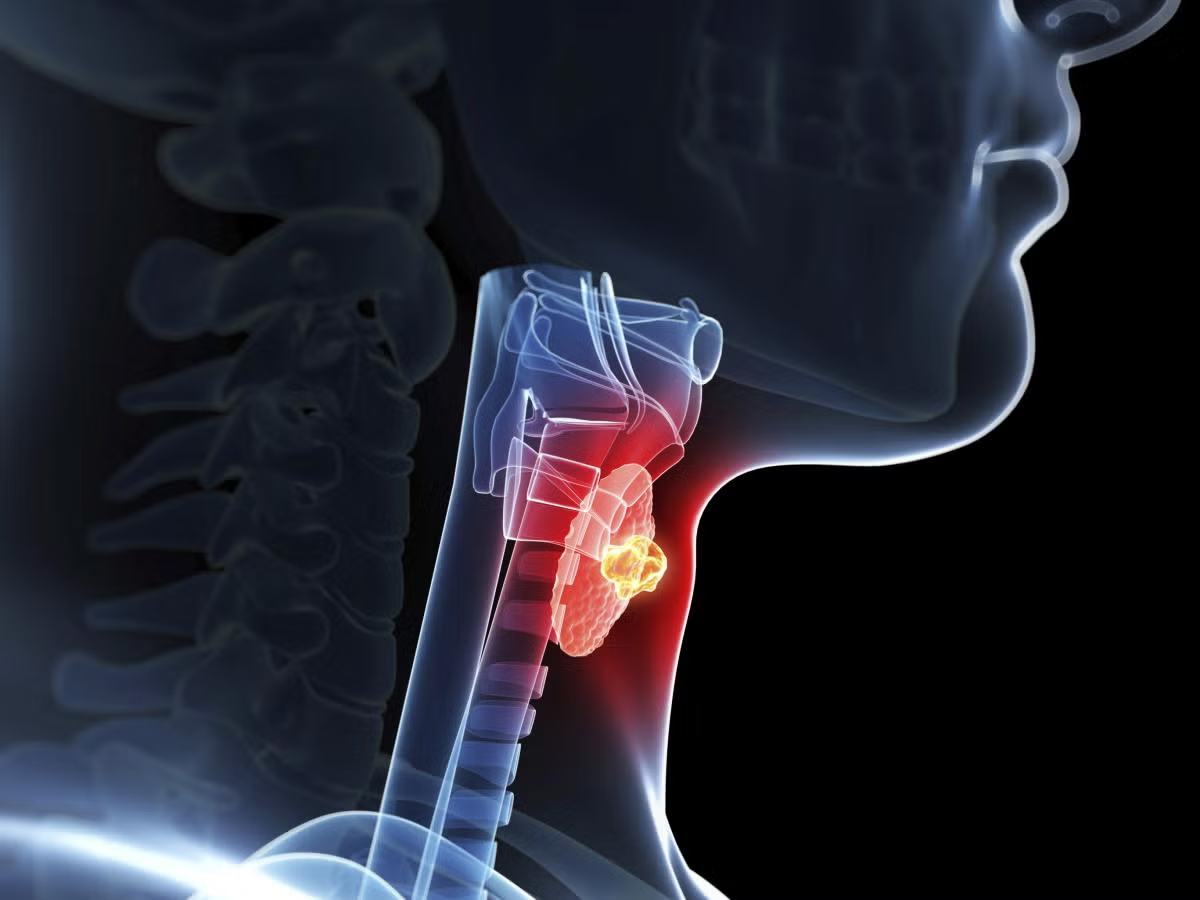
Thyroid nodules are abnormal lumps or growths within the thyroid gland located at the front of the neck. Most are benign and cause no symptoms. Approximately 5% are malignant. They are extremely common: detectable by ultrasound in up to 65% of adults in some populations. |
Thyroid nodules are among the most common endocrine findings in clinical practice and one of the most anxiety-inducing. A lump at the front of the neck, an incidental finding on a neck ultrasound, or an abnormal thyroid result on a blood test can trigger significant worry. The most important thing to understand is this: the vast majority of thyroid nodules are benign. However, a small proportion are malignant, and an accurate assessment is essential to distinguish between them.
Dr. Ali Aldibbiat at draliendo.com assesses every thyroid nodule with a structured, evidence-based protocol: thyroid function tests, high-resolution ultrasound, TIRADS (Thyroid Imaging Reporting and Data System) scoring, and fine-needle aspiration (FNA) biopsy where indicated. The goal is precision: to avoid unnecessary procedures for benign nodules while identifying the small percentage that require treatment without delay.
Types of Thyroid Nodules
Not all thyroid nodules are the same. Understanding the type of nodule detected determines the appropriate investigation pathway and the level of concern.
🟢 Colloid Nodule (Most Common)
The most common type -- an overgrowth of normal thyroid tissue filled with colloid. Colloid nodules are almost always benign. They may grow slowly over time but rarely require intervention beyond monitoring.
🟢 Colloid Nodule (Most Common)
The most common type -- an overgrowth of normal thyroid tissue filled with colloid. Colloid nodules are almost always benign. They may grow slowly over time but rarely require intervention beyond monitoring.
🟢 Follicular Adenoma
A benign tumor of the follicular cells. Follicular adenomas are non-cancerous but can be difficult to distinguish from follicular thyroid cancer without surgical biopsy, hence the importance of specialist assessment and, in some cases, molecular testing.
🟢 Follicular Adenoma
A benign tumor of the follicular cells. Follicular adenomas are non-cancerous but can be difficult to distinguish from follicular thyroid cancer without surgical biopsy, hence the importance of specialist assessment and, in some cases, molecular testing.
🟡 Thyroid Cyst
Fluid-filled nodules that are usually benign. Simple cysts carry very low cancer risk. Complex cysts with both solid and fluid components require careful ultrasound assessment and may need FNA biopsy. Dr. Ali classifies all cysts using TIRADS scoring.
🟡 Thyroid Cyst
Fluid-filled nodules that are usually benign. Simple cysts carry very low cancer risk. Complex cysts with both solid and fluid components require careful ultrasound assessment and may need FNA biopsy. Dr. Ali classifies all cysts using TIRADS scoring.
🔴 Malignant Nodule (Thyroid Cancer)
Approximately 5% of thyroid nodules are malignant. Malignant features on ultrasound, hypoechogenicity, irregular margins, microcalcifications, and increased vascularity trigger an FNA biopsy. Early detection is critical: most thyroid cancers caught early have excellent survival rates.
🔴 Malignant Nodule (Thyroid Cancer)
Approximately 5% of thyroid nodules are malignant. Malignant features on ultrasound, hypoechogenicity, irregular margins, microcalcifications, and increased vascularity trigger an FNA biopsy. Early detection is critical: most thyroid cancers caught early have excellent survival rates.
Thyroid Cancer in Dubai What You Need to Know
Thyroid cancer is among the more treatable cancers when detected early. The majority are well-differentiated, meaning they grow slowly and respond well to treatment. Accurate diagnosis and subspecialty-led management are essential for the best outcomes. Approximately 5% of thyroid nodules are malignant. Thyroid cancer is the most common endocrine malignancy.
Papillary Thyroid Cancer
The most common form of thyroid cancer, typically slow-growing and localized to the thyroid gland. Papillary thyroid cancer has an excellent prognosis; 10-year survival exceeds 95% in most cases. Managed with surgery (total or partial thyroidectomy) followed by radioiodine in selected patients.
Follicular Thyroid Cancer
The second most common type. More likely to spread to distant sites (lungs, bone) than papillary cancer but still has a good prognosis when detected early. Cannot be definitively distinguished from a benign follicular adenoma on FNA alone; surgical excision is often required.
Medullary Thyroid Cancer
Arises from C-cells that produce calcitonin. Can be hereditary and associated with MEN2 syndrome. Does not respond to radioiodine. Calcitonin and CEA levels are key tumor markers. Genetic testing is recommended for patients and first-degree relatives.
Anaplastic Thyroid Cancer (Rare)
The most aggressive form is rapidly progressive and associated with a poor prognosis. Typically presents in older patients as a rapidly growing neck mass. Requires urgent multidisciplinary management. Dr. Ali coordinates rapid referral when anaplastic cancer is suspected.
Symptoms of Thyroid Nodules When to See a Doctor
Most thyroid nodules are asymptomatic, discovered incidentally on neck imaging performed for another reason. However, certain symptoms should prompt urgent specialist assessment.
Visible or Palpable Neck Lump
A lump at the front of the neck, often moving when swallowing, is the most common presenting sign. Any new, persistent, or growing neck lump in Dubai should be assessed by a specialist without delay.
Difficulty Swallowing (Dysphagia)
Larger thyroid nodules can compress the esophagus, causing a sensation of food sticking in the throat. This is a red flag symptom requiring urgent thyroid ultrasound.
Hoarse or Changed Voice
Compression of the recurrent laryngeal nerve by a thyroid nodule or malignant invasion can cause hoarseness or voice changes. Persistent unexplained hoarseness in adults requires thyroid assessment.
Neck Pain or Pressure
Sudden onset of neck pain associated with a thyroid nodule may indicate hemorrhage into the nodule. Persistent pressure or tightness in the neck is worth specialist review.
Breathing Difficulty or Stridor
Large goitres or nodules can compress the trachea, causing breathing difficulty or a high-pitched breathing sound. This requires urgent assessment.
Symptoms of Hyperthyroidism
Some 'hot' nodules autonomously secrete excess thyroid hormone, causing palpitations, tremor, heat intolerance, weight loss, and anxiety. Detected via TSH blood test and thyroid scintigraphy.
Symptoms of Hypothyroidism
Larger nodules or associated autoimmune thyroiditis can impair thyroid hormone production—causing fatigue, weight gain, cold intolerance, and depression.
Incidental Finding: No Symptoms
The most common presentation. Found on ultrasound, CT, or MRI performed for another reason. All incidental thyroid nodules require structured assessment, not reassurance without investigation.
⚠️ Most thyroid nodules in Dubai are benign, but every nodule deserves expert assessment. If you have discovered a neck lump, been told you have a thyroid nodule, or are experiencing any of the above symptoms, book a thyroid consultation with Dr. Ali Aldibbiat at draliendo.com. No referral required.
How Thyroid Nodules Are Diagnosed at Dr. Ali's Clinic in Dubai
At draliendo.com, every thyroid nodule is assessed using a structured protocol, not a single test and not reassurance without evidence.
TSH & Thyroid Hormone Panel
The first step in any thyroid nodule assessment. TSH, free T4, and free T3 determine whether the nodule is affecting thyroid function. A suppressed TSH suggests a 'hot' autonomous nodule requiring scintigraphy.
High-Resolution Thyroid Ultrasound
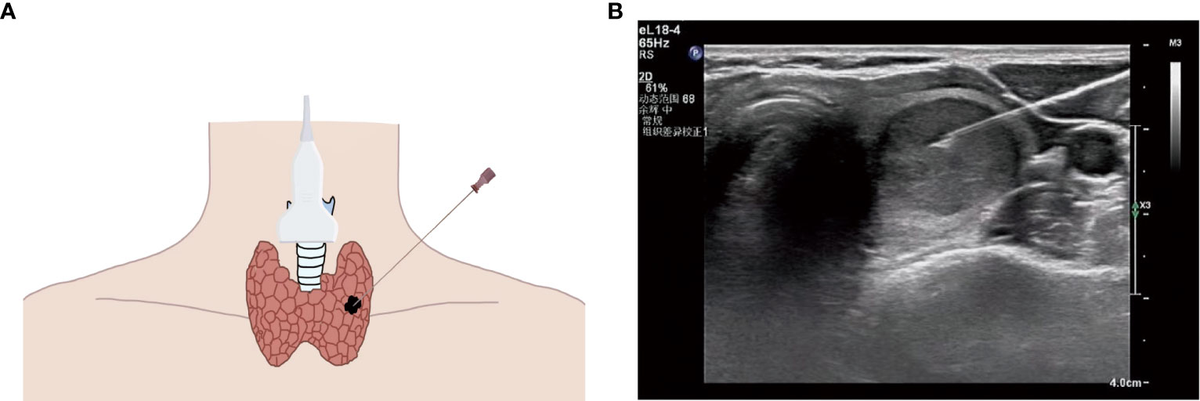
The gold-standard imaging investigation -- performed at every initial consultation. Dr. Ali uses high-resolution ultrasound to characterize each nodule: size, composition, echogenicity, margins, calcifications, and vascularity. TIRADS scoring is applied to every nodule to stratify malignancy risk.
Fine-Needle Aspiration (FNA) Biopsy
Indicated for nodules classified as TIRADS 4 or 5, or any nodule >1 cm with suspicious features. A fine needle extracts cells from the nodule under ultrasound guidance sent for cytology. FNA is a minimally invasive outpatient procedure. Dr. Ali performs ultrasound-guided FNA at his Jumeirah clinic in Dubai.
Thyroid Scintigraphy (Radioiodine Scan)
Indicated when TSH is suppressed to determine whether a nodule is 'hot' (autonomous, functioning) or 'cold' (non-functioning). Hot nodules are almost always benign. Cold nodules carry higher malignancy risk.
Molecular Testing
For indeterminate FNA results (Bethesda III-IV), molecular testing of the biopsy sample improves diagnostic accuracy and reduces the need for diagnostic surgery. Dr. Ali advises on molecular testing options based on individual risk profiles.
Am I at Risk? Risk Factors for Thyroid Nodules & Cancer
Thyroid nodules are common, but certain factors significantly increase the risk of developing nodules and of those nodules being malignant.
Female Sex
Thyroid nodules are 3-4 times more common in women than men. Risk increases during pregnancy and around menopause likely related to hormonal fluctuations influencing thyroid cell growth.
Age
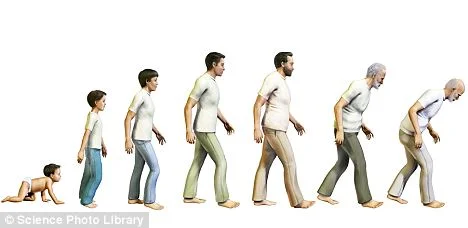
Thyroid nodules become more prevalent with age. However, nodules in younger patients, particularly children and adolescents, carry a higher risk of malignancy and require careful assessment.
Prior Radiation Exposure
Previous radiation to the head and neck is the strongest known risk factor for thyroid cancer. Radiation exposure from nuclear fallout also significantly increases risk.
Family History of Thyroid Cancer
A first-degree relative with thyroid cancer, particularly medullary thyroid cancer (MEN2), elevates personal risk. Genetic screening for RET mutations is recommended in familial medullary thyroid cancer cases.
Iodine Deficiency or Excess
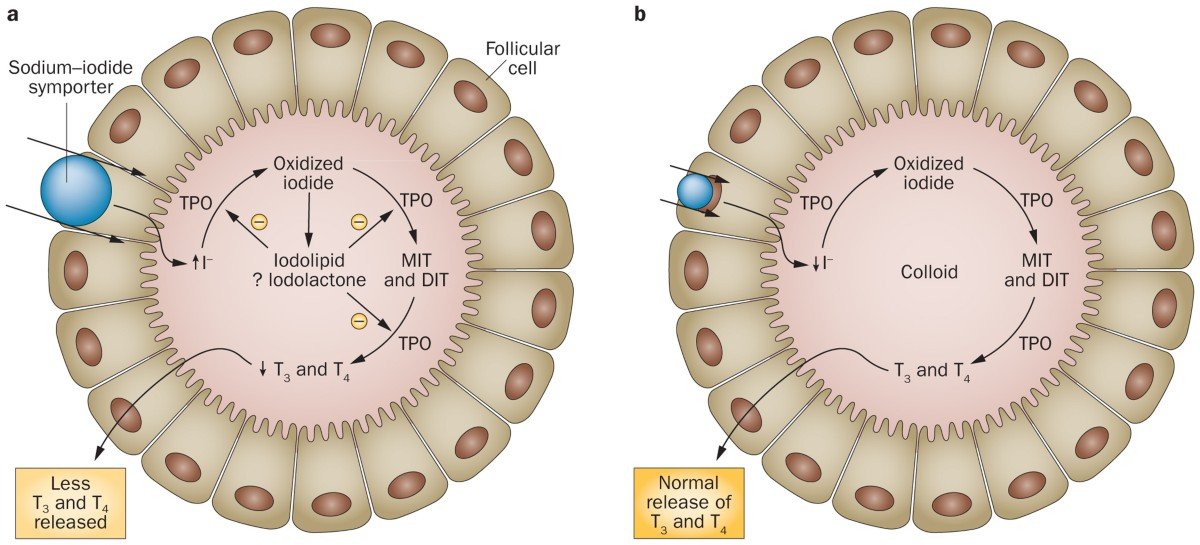
Both iodine deficiency and iodine excess can stimulate thyroid nodule formation. Assessment is appropriate where nodule formation is unexplained.
Hashimoto's Thyroiditis
Autoimmune thyroid disease is associated with higher thyroid nodule prevalence and modestly elevated risk of thyroid lymphoma. All patients with Hashimoto's should have periodic ultrasound surveillance.
Thyroid Nodule Treatment Options in Dubai
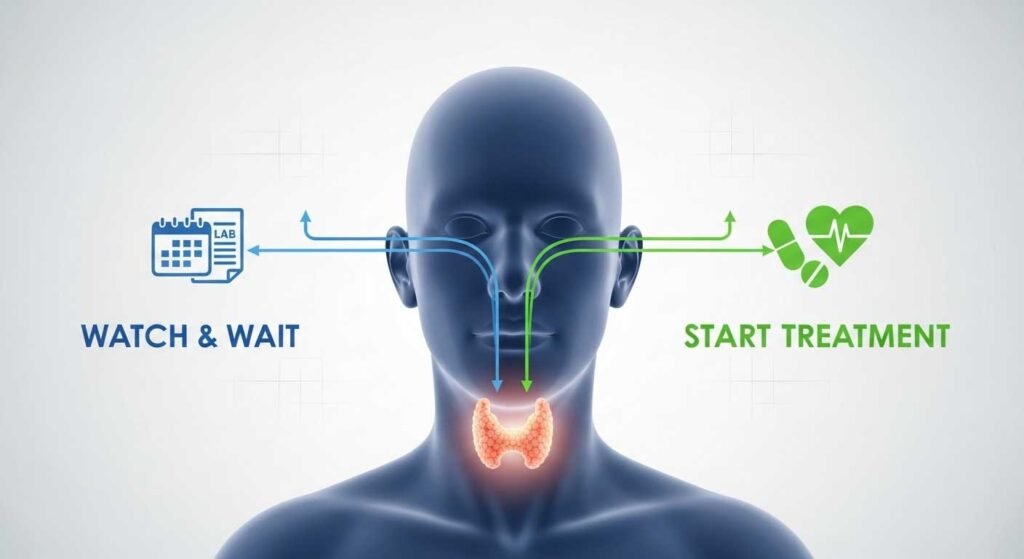
Not all thyroid nodules require treatment. The appropriate management depends on the nodule's TIRADS classification, size, FNA result, functional status, and individual risk factors. Dr. Ali Aldibbiat determines the precise management pathway at your initial consultation.
Active Surveillance
Active Surveillance (Most Common)
The majority of benign thyroid nodules TIRADS 2 or 3 with benign FNA cytology require no treatment. Dr. Ali establishes a structured ultrasound surveillance schedule (typically 6-12 monthly initially) to monitor for growth or suspicious change. Most nodules remain stable indefinitely.
Levothyroxine Therapy
Levothyroxine Suppression Therapy
In selected cases, levothyroxine may be used to suppress TSH and reduce nodule growth. This approach is used less frequently in modern practice, as evidence for efficacy in iodine-replete populations is limited. Dr. Ali prescribes levothyroxine therapy only when clinically justified.
Radioactive Iodine (RAI)
Radioactive Iodine (RAI) Therapy
Indicated for hyperfunctioning ('hot') nodules causing hyperthyroidism, and as adjuvant therapy following surgery for differentiated thyroid cancer. RAI is highly effective at ablating residual thyroid tissue post-thyroidectomy and reducing recurrence risk.
Surgery (Thyroidectomy)
Indicated for malignant or indeterminate FNA cytology, compressive symptoms, hyperfunctioning nodules not responding to other treatments, or cosmetically significant goitres. Surgery may be total thyroidectomy or hemithyroidectomy. Dr. Ali coordinates surgical referral and manages all pre- and post-operative endocrine care.
Radiofrequency Ablation
Radiofrequency Ablation (RFA) Non-Surgical Option
A minimally invasive, ultrasound-guided procedure using heat to reduce the size of benign thyroid nodules without surgery. RFA preserves thyroid function and allows return to normal activities within 24-48 hours. An increasingly available option for patients with symptomatic benign nodules who wish to avoid thyroidectomy.
Why Choose Dr. Ali Aldibbiat for Thyroid
Nodule & Cancer Assessment in Dubai?
Accurate thyroid nodule assessment requires specialist endocrinology expertise, not a GP referral to an ENT department. Dr. Ali Aldibbiat provides a complete, evidence-based thyroid nodule pathway at a single clinic in Dubai from ultrasound and FNA to molecular testing, treatment, and post-surgical endocrine management.
1
MD/PhD Endocrinology & Metabolic Research
Original doctoral research in endocrine cell biology underpins Dr. Ali’s deep understanding of thyroid physiology, nodule formation, and malignant transformation, a research foundation rare in Dubai’s clinical community.
2
FRCP London & Edinburgh Dual Fellowship
Fellowship of the Royal College of Physicians from both London and Edinburgh. UK-trained consultant endocrinologists manage complex thyroid cases, including thyroid cancer, as a core part of specialist training.
3
Structured TIRADS Protocol -- Every Nodule
Every thyroid nodule at draliendo.com is assessed using TIRADS scoring. No nodule is dismissed without evidence-based risk stratification. No unnecessary biopsy is performed on clearly benign nodules.
4
FNA Biopsy & Molecular Testing Pathway
Ultrasound-guided FNA biopsy performed at the clinic; no separate radiology referral required. For indeterminate results, Dr. Ali advises on molecular testing options to improve diagnostic accuracy before committing to surgery.
5
20+ Years' Specialist Experience
More than two decades managing complex thyroid conditions, including thyroid cancer surveillance and post-thyroidectomy management across the UK and UAE. Multidisciplinary coordination with surgeons, nuclear medicine physicians, and oncologists.
Endocrinologist Available in Dubai, UAE
Ready to Take Control of Your Type 2 Diabetes?
Dr. Ali Aldibbiat offers specialist Type 2 diabetes consultations at his Jumeirah clinic in Dubai, including HOMA-IR assessment, personalized treatment plan, and remission evaluation. No referral required.
📅 Book a Consultation
What Patients Say
Dr. Ali Aldibbiat’s Type 2 diabetes patients come from across Dubai and the UAE, many having spent years on inadequate treatment before finding the precision care that actually works.
I would like to thank Dr. Ali Aldibbiat. He is an exceptional doctor, highly experienced in his specialty, and fully dedicated to his patients' healing.
The hospital has very great services and experienced doctors. Thanks to Dr. Ali Aldibbiat, he knew my issues from the first time. Although I have been to many places, no one could find what I was going through.
I visit Dr. Ali AlDibbiat, the endocrinologist here, who is excellent and very patient. His treatment has significantly improved my diabetes control.
Frequently Asked Questions -- Thyroid Nodules & Cancer in Dubai
Thyroid nodules are abnormal lumps or growths within the thyroid gland at the front of the neck. They are very common and detectable on ultrasound in up to 65% of adults, and the vast majority are benign. Approximately 5% are malignant. Every thyroid nodule deserves structured specialist assessment using TIRADS scoring and, where indicated, fine-needle aspiration biopsy. Dr. Ali Aldibbiat assesses thyroid nodules at his Jumeirah clinic in Dubai; no referral required.
Most thyroid nodules are not dangerous; approximately 95% are benign. However, a small proportion are malignant, and some cause symptoms through local compression or hormone overproduction. The key is expert assessment: Dr. Ali Aldibbiat uses high-resolution ultrasound, TIRADS scoring, and FNA biopsy to accurately identify which nodules require treatment and which can be safely monitored. Never dismiss a thyroid nodule without specialist assessment.
Most thyroid nodules cause no symptoms and are found incidentally. When symptoms do occur, they include a visible or palpable neck lump, difficulty swallowing, hoarseness or voice change, neck pressure or pain, difficulty breathing with large goiters, and symptoms of hyperthyroidism in functioning nodules. Any new neck lump or unexplained voice change in Dubai should be assessed by a specialist without delay.
Thyroid nodule diagnosis at Dr. Ali Aldibbiat’s clinic in Dubai involves TSH and thyroid hormone blood tests, high-resolution ultrasound with TIRADS scoring, fine-needle aspiration (FNA) biopsy for TIRADS 4-5 nodules, thyroid scintigraphy for suppressed TSH, and molecular testing for indeterminate FNA results. This structured protocol ensures every nodule is accurately assessed, avoiding unnecessary surgery for benign nodules while identifying malignancy without delay.
Approximately 5% of thyroid nodules are malignant, meaning 95% are benign. However, malignancy risk varies significantly based on ultrasound characteristics: TIRADS 2 nodules carry less than 2% risk, while TIRADS 5 nodules carry more than 80% risk. This is why expert ultrasound assessment and TIRADS scoring, not blanket reassurance, are the appropriate standard of care for every thyroid nodule in Dubai.
Thyroid cancer treatment in Dubai depends on the cancer type, stage, and individual patient factors. Main options include surgery (hemithyroidectomy or total thyroidectomy), radioactive iodine ablation for differentiated thyroid cancer after surgery, thyroid hormone suppression therapy, targeted molecular therapy for advanced cases, and external beam radiotherapy in selected cases. Most thyroid cancers, particularly papillary thyroid cancer, have excellent outcomes with specialist-led treatment. Dr. Ali manages all aspects of thyroid cancer care and post-surgical follow-up at draliendo.com.
There are four main types of thyroid cancer: papillary (~80%), slow-growing, and with an excellent prognosis. Follicular (~10-15%) is more likely to spread distantly; it has a good prognosis when caught early. Medullary (~3-5%) arises from C-cells, can be hereditary (MEN2), and does not respond to radioiodine. Anaplastic (<2%)—most aggressive, rare, requires urgent multidisciplinary management. Dr. Ali Aldibbiat manages all thyroid cancer types at his Dubai clinic.
Not necessarily. Most thyroid nodules do not require surgery. Surgery is indicated for malignant or indeterminate FNA cytology, compressive symptoms, hyperfunctioning nodules not responding to other treatments, and significant goiters. Benign nodules on FNA can often be managed with active surveillance alone. Radiofrequency ablation (RFA) is an increasingly used non-surgical option for symptomatic benign nodules. Dr. Ali Aldibbiat determines the most appropriate management at your thyroid consultation in Dubai; no referral required.
Dr. Ali Aldibbiat’s Endocrinology Clinic in Dubai, UAE
Dr. Ali Aldibbiat runs an endocrinology clinic at 109 Century Plaza, Jumeirah Beach Road, Jumeirah 1, Dubai, UAE. He also sees patients at Mediclinic City Hospital, Dubai. Patients from across Dubai, Abu Dhabi, Sharjah, and the wider UAE and Gulf region travel to his Jumeirah clinic for specialist endocrine and metabolic care. If you are searching for the best endocrinologist near me in Dubai, no referral is required; book directly at draliendo.com.

