

Specialist hormone and growth assessment for children in Dubai
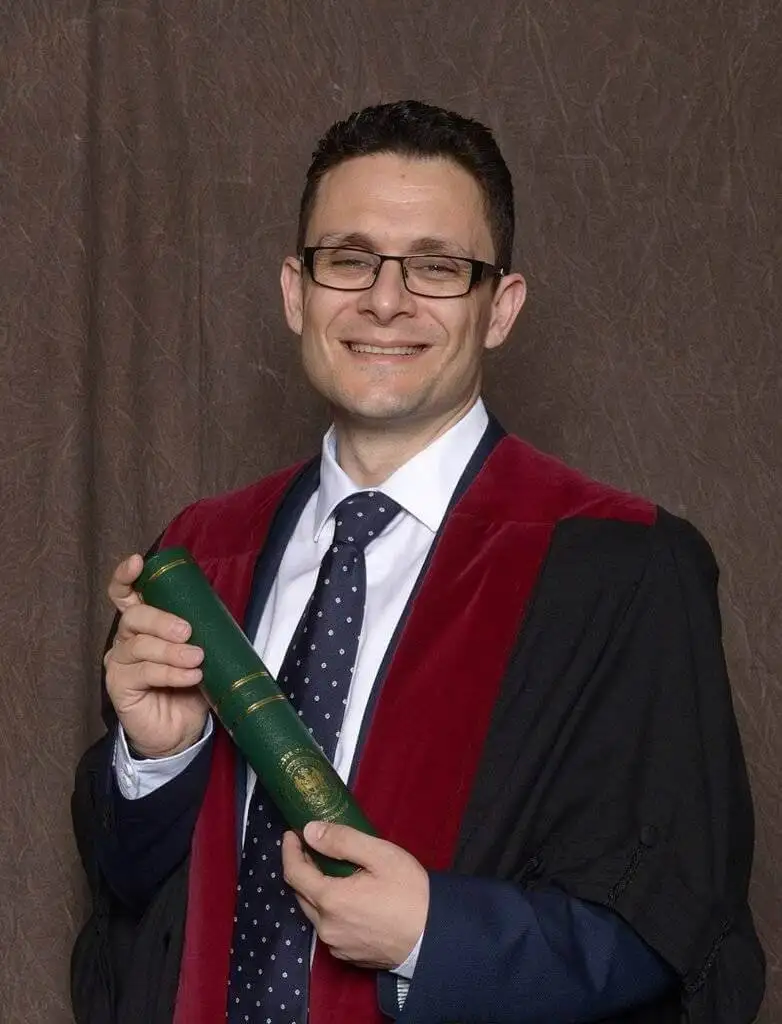
Pediatric Endocrinologist in Dubai: Growth and Hormone Disorders in Children by Dr. Ali Aldibbiat
Specialist assessment for growth, puberty, diabetes, thyroid, and hormone concerns—from childhood through adolescence.

A child’s health, read as a timeline
What Is Paediatric Endocrinology?
It is the specialty that connects growth, puberty, metabolism, and hormone function to the child’s age and stage of development.

Paediatric endocrinology focuses on hormone conditions affecting children and adolescents—including growth, puberty, blood glucose, thyroid, adrenal, and pituitary function.
Accurate growth data, targeted testing, and age-appropriate care distinguish normal variation from a condition needing treatment. Decisions made in childhood can protect growth potential and future health.
Discuss Your Child’s ConcernGrowth
Height, growth velocity, bone age, and genetic potential.
Development
Puberty timing, hormonal signals, and changing physiology.
Metabolism
Glucose, thyroid, adrenal, pituitary, calcium, and vitamin D.
From first concern to clear direction
Paediatric Endocrinology Conditions Treated in Dubai
Dr. Ali assesses children and adolescents across the full spectrum of growth, hormone, thyroid, adrenal, glucose, and developmental conditions.

Growth Disorders
Short stature, growth hormone deficiency, constitutional delay, Turner or Noonan syndrome, chronic disease-related growth failure, tall stature, and bone-age assessment.
Growth velocity · Bone age
Puberty Disorders
Precocious or delayed puberty, abnormal puberty tempo, predicted adult-height loss, specialist hormonal evaluation, and treatment where clinically indicated.
Timing · Hormonal mapping
Diabetes in Children
Type 1 and type 2 diabetes, monogenic diabetes, continuous glucose monitoring, insulin pump therapy, and structured education for children and families.
CGM · Pumps · Family education
Thyroid Disorders
Congenital and acquired hypothyroidism, Hashimoto’s thyroiditis, Graves’ disease, thyroid nodules, goitre, and thyroid-related growth concerns.
TSH · Antibodies · Ultrasound
Adrenal Disorders
Congenital adrenal hyperplasia, adrenal insufficiency, Cushing syndrome, adrenal tumours, replacement treatment, and adrenal-crisis prevention.
Cortisol · ACTH · Sick-day rules
Other Hormonal Conditions
Vitamin D deficiency, rickets, calcium disorders, obesity-related hormonal assessment, pituitary conditions, and endocrine care for Turner or Klinefelter syndrome.
Vitamin D · Calcium · Pituitary
Measure the pattern, not one moment
Growth Disorders in Children: When Short Stature Needs Assessment
Most children who are short do not have a growth disorder. The key question is whether growth matches the child’s genetic potential and whether growth velocity is normal—not simply whether the child is shorter than average.
When Is Short Stature a Concern?
Height below the 3rd centile becomes more concerning when it appears with slow growth, a height far below the mid-parental target, or other clinical signs. Serial measurements over 6–12 months reveal more than one reading.
Growth Hormone Deficiency
True deficiency is uncommon. Poor growth velocity, immature facial features, and increased body fat may prompt investigation. Diagnosis requires specialist stimulation testing and brain imaging before treatment is considered.
Constitutional Delay
This common pattern—especially in adolescent boys—means growth and puberty are delayed but usually normal in eventual magnitude. Family history, delayed bone age, and normal growth velocity help support the diagnosis.
Bone Age and Growth Potential
A left hand and wrist X-ray estimates biological maturity. Delayed bone age suggests remaining growth potential; advanced bone age can indicate that growth plates are closing earlier than expected.
Timing deserves context
Precocious and Delayed Puberty: Specialist Assessment in Dubai
Puberty timing can be a major source of concern for children and parents. Specialist assessment distinguishes normal variation from a hormonal condition that requires treatment.
 EARLY
EARLY
Precocious Puberty: Too Early
Puberty before age 8 in girls or age 9 in boys requires assessment. Treatment may pause early hormonal progression and help protect final height when clinically indicated.
 DELAYED
Delayed Puberty: Too Late
No breast development by age 13 or no testicular enlargement by age 14 warrants evaluation. Constitutional delay is common, but hormonal, chromosomal, and systemic causes must be considered.
 VARIATION
Early Signs vs Precocious Puberty
Not every early sign is pathological. A specialist looks at the complete pattern to separate isolated, benign variants from true precocious puberty.
 GROWTH
Puberty and Growth Interaction
Puberty accelerates growth while advancing growth-plate maturity. A child may grow quickly at first yet stop earlier, making the timing of assessment important for adult-height potential.
Swipe to explore all four topics
Height and growth rate are both low
Your child’s height is below the 3rd centile and growth appears slow over the past 6–12 months.
Puberty begins earlier than expected
A girl shows breast development or pubic hair before age 8, or a boy shows testicular enlargement or pubic hair before age 9.
Puberty has not started
A girl has no breast development by age 13, or a boy has no testicular enlargement by age 14.
Diabetes has been diagnosed
A child with type 1 diabetes needs ongoing specialist paediatric diabetes management, education, and treatment adjustment.
Growth suddenly changes course
A child who previously grew normally begins dropping across centile lines or loses expected growth velocity.
A known hormone condition needs follow-up
Thyroid, adrenal, pituitary, or other endocrine conditions require age-appropriate monitoring through childhood.
A clearer next step for your child
Book a Paediatric Endocrinology Consultation in Dubai
Growth chart review, hormone testing, and specialist assessment at Dr. Ali’s Jumeirah clinic.
Technology, education, and daily confidence
Diabetes in Children and Adolescents: Assessment in Dubai
Type 1 and type 2 diabetes affect children differently from adults. Specialist care connects insulin, glucose data, growth, school, sport, and family life in one practical plan.

Type 1 Diabetes in Children
Type 1 diabetes is caused by autoimmune loss of insulin-producing cells. It may present with thirst, frequent urination, weight loss, or diabetic ketoacidosis. Care requires lifelong insulin, glucose monitoring, carbohydrate education, and regular specialist review.
Insulin · Monitoring · GrowthType 2 Diabetes and Obesity
Type 2 diabetes in children is strongly linked with obesity and inactivity. It can develop without obvious symptoms, making screening and early lifestyle intervention important. Medication is selected according to each child’s clinical needs.
Screening · Lifestyle · TreatmentContinuous Glucose Monitoring
CGM provides glucose readings throughout the day and night. For suitable children, insulin pump therapy can offer more flexible dosing. Dr. Ali guides families through technology selection, setup, and interpretation.
CGM · Pumps · Real-time patternsDiabetes Education for Families
Parents, school staff, and the child need clear guidance on glucose targets, carbohydrate counting, sick-day care, hypoglycaemia, and exercise. Education turns treatment instructions into safer everyday decisions.
Home · School · Sport
A connected care system
Numbers become useful when families know what to do next.
Small gland, wide developmental impact
Thyroid Disorders in Children: Paediatric Assessment in Dubai
Thyroid conditions can affect growth, concentration, mood, energy, and development. In children, results and symptoms must be interpreted against age and stage rather than adult ranges alone.
Congenital Hypothyroidism
Newborn screening enables early diagnosis. Prompt levothyroxine treatment supports normal cognitive development, with doses adjusted as the child grows.
Hashimoto’s Thyroiditis
The most common cause of acquired hypothyroidism in older children. Fatigue, poor concentration, constipation, weight change, dry skin, and slowed growth can be important clues.
Graves’ Disease in Adolescents
Autoimmune hyperthyroidism may cause tremor, palpitations, heat intolerance, anxiety, weight loss, accelerated growth, and attention difficulty. Treatment is selected and monitored carefully.
Thyroid Nodules in Children
Childhood thyroid nodules warrant ultrasound assessment and, where indicated, fine-needle aspiration with coordinated paediatric surgical input.
A structured route to clinical clarity
How Paediatric Endocrinology Conditions Are Diagnosed in Dubai
Assessment combines the child’s growth history with targeted hormonal testing and imaging. Each stage answers a different clinical question.

The starting point
Growth Data: Height, Weight, and Growth Charts
Serial measurements plotted on centile charts establish growth velocity and allow comparison with parental height targets. Two measurements 6 to 12 months apart are usually needed to calculate growth velocity accurately.
Biological maturity
Bone Age Assessment
A left hand and wrist X-ray estimates biological age. Comparing bone age with chronological age helps clarify remaining growth potential and whether puberty timing is early, delayed, or appropriate.
Targeted biochemistry
Hormonal Testing Panel
Testing may include IGF-1, thyroid function, LH and FSH, oestradiol or testosterone, cortisol and ACTH, HbA1c, fasting glucose, C-peptide, vitamin D, and karyotype where clinically indicated.
Specialist confirmation
Growth Hormone Stimulation Testing
IGF-1 alone is not sufficient to confirm growth hormone deficiency. Where deficiency is suspected, specialist stimulation testing is used before growth hormone treatment is considered.

Clinical depth across every stage of care
Why Choose Dr. Ali Aldibbiat as Your Pediatric Endocrinologist in Dubai?
Dr. Ali Aldibbiat is a consultant endocrinologist in Dubai with over 20 years of specialist clinical experience. His dual FRCP fellowships, PhD research in hormonal and metabolic science, and academic work support a precise approach to growth, puberty, paediatric diabetes, and thyroid disease.
From Growth Concern to Adult Final Height
The outcome of growth hormone treatment depends on timing and monitoring. Care can extend from initial assessment and stimulation testing through treatment, review, and transition into adult endocrinology.
Paediatric Diabetes Beyond the First Diagnosis
Follow-up includes glucose targets, CGM and pump guidance, HbA1c monitoring, hypoglycaemia management, and adjustments for puberty, sport, illness, and family routines.
Dubai’s Changing Metabolic Context
Childhood type 2 diabetes requires both paediatric insight and specialist metabolic knowledge. Assessment considers weight, lifestyle, genetic susceptibility, glucose patterns, and the child’s wider health.
Patient experiences
What Our Patients Say
Experiences shared by patients who have received endocrine care from Dr. Ali Aldibbiat in Dubai.

“I would like to thank Dr. Ali Aldibbiat. He is an exceptional doctor, highly experienced in his specialty, and fully dedicated to his patients’ healing.”
“The hospital has very great services and experienced doctors. Thanks to Dr. Ali Aldibbiat, he knew my issues from the first time. Although I have been to many places, no one could find what I was going through.”
“I visit Dr. Ali AlDibbiat, the endocrinologist here, who is excellent and very patient. His treatment has significantly improved my diabetes control.”
Continue exploring specialist care
Related Endocrine Conditions
Explore connected care pathways for diabetes, thyroid, bone, and mineral health.
Diabetes Management
Specialist type 1, type 2, and technology-supported diabetes care.
Explore the care pathway
Thyroid Disorders
Assessment and management of hypothyroidism, hyperthyroidism, and thyroid nodules.
Explore the care pathway
Bone and Mineral Health
Vitamin D, calcium, rickets, and hormonal factors affecting bone development.
Explore the care pathwayWhen should I take my child to a pediatric endocrinologist in Dubai?
Take your child to a pediatric endocrinologist dubai if: height is below the 3rd percentile with a slow growth rate, puberty begins before age 8 in girls or age 9 in boys, puberty has not started by age 13 in girls or age 14 in boys, your child has been diagnosed with type 1 or type 2 diabetes, thyroid function tests are abnormal, or growth suddenly slows in a child who was previously growing normally. Dr. Ali Aldibbiat provides pediatric endocrinologist Dubai specialist assessments at 109 Century Plaza, Jumeirah, Dubai.
What does a pediatric endocrinologist do in Dubai?
A pediatric endocrinologist dubai assesses and manages hormonal disorders affecting children and adolescents: growth disorders, puberty disorders (precocious or delayed), diabetes (type 1 and type 2), thyroid disorders, adrenal conditions, and vitamin D deficiency. Assessment includes growth chart review, bone age estimation, hormonal blood testing, and targeted imaging. Dr. Ali Aldibbiat provides this specialist assessment for children in Dubai at his Jumeirah clinic.
What causes short stature in children?
The most common cause of short stature is constitutional delay of growth, which is a normal variation in growth timing with a strong family history pattern. Other causes include familial short stature; growth hormone deficiency; hypothyroidism; chronic illnesses affecting growth; chromosomal conditions (Turner syndrome, Noonan syndrome); and poor nutrition. A pediatric endocrinologist dubai evaluates growth velocity, bone age, and hormonal testing to determine the cause in each child.
Is early puberty common in Dubai?
Precocious puberty (puberty beginning before age 8 in girls or age 9 in boys) is seen in Dubai, though its prevalence reflects global trends rather than being specific to the UAE. Obesity is a risk factor for earlier puberty onset, and as childhood obesity rates rise in Dubai, early pubertal signs are being seen more frequently. Central precocious puberty causing predicted adult height loss is treated with monthly GnRH analog injections to pause puberty and protect final adult height.
How is type 1 diabetes managed in children in Dubai?
Type 1 diabetes management in children in Dubai requires lifelong insulin therapy, blood glucose monitoring (including continuous glucose monitoring systems), carbohydrate counting, and structured family education. Insulin pump therapy is an option for children who would benefit from more flexible dosing. Regular pediatric endocrinologist Dubai follow-up is essential to adjust insulin doses through growth spurts, puberty, and seasonal activity changes.
Which doctor should I see for my child’s growth or hormone concerns in Dubai?
A pediatric endocrinologist in Dubai with pediatric endocrinology experience is the appropriate specialist for children’s hormonal and growth concerns in Dubai. Dr. Ali Aldibbiat provides specialist pediatric endocrinologist Dubai assessments at 109 Century Plaza, Jumeirah Beach Road, Jumeirah 1, Dubai. Searching for a pediatric endocrinologist near me or a pediatric hormone specialist near me in Dubai? Book via WhatsApp or call +971 58 588 2295.
Jumeirah clinic · families across the UAE
Paediatric Endocrinologist Near Me: Dubai and UAE Service Areas
Dr. Ali Aldibbiat’s clinic at 109 Century Plaza, Jumeirah Beach Road, Jumeirah 1, serves families from Jumeirah, Downtown Dubai, DIFC, Dubai Marina, Deira, Bur Dubai, JBR, Al Quoz, and Mirdif. Families also attend from Abu Dhabi, Sharjah, and across the UAE.
Specialist assessment for families across Dubai and the UAE.
Growth, puberty, diabetes, and thyroid care
Book a Paediatric Endocrinology Consultation in Dubai
Expert growth chart review, hormone testing, and specialist assessment for your child at Dr. Ali’s Jumeirah clinic.