

What Are Irregular Periods?
Cycle timing can vary occasionally. Persistent disruption, however, can be an important hormonal signal rather than simply a calendar problem.
Irregular periods are menstrual cycles that fall outside the normal range of 21–35 days, or that are unpredictable, absent, unusually heavy, or unusually light. Cycles longer than 35 days are called oligomenorrhea. The complete absence of periods for 90 or more days is called amenorrhea. Both require specialist hormonal evaluation to identify the underlying cause.
Occasional variation
Stress, travel, illness, and significant weight change can temporarily disrupt cycle timing.
Persistent irregularity
Three or more disrupted cycles, or cycles consistently outside 21–35 days, warrant hormonal assessment.
Targeted investigation
Finding the cause requires a targeted hormone panel, not reliance on a single blood test.

Common causes are manageable once they are correctly identified.
PCOS is the most common hormonal cause and is estimated to affect 15–20% of women in Middle Eastern and South Asian populations. Thyroid disorders are another common endocrine cause and are considerably more prevalent in women. Specialist irregular period treatment in Dubai can evaluate both pathways from the first consultation.
What Causes Irregular Periods? The Hormonal Drivers
Eight hormonal and metabolic conditions account for most persistent cycle disruption. Each follows a different treatment pathway, so lasting cycle restoration begins with identifying the correct cause.
 Most common hormonal cause
PCOS
PCOS affects an estimated 1 in 10 women. Elevated LH and insulin resistance can prevent normal follicle development and ovulation, causing infrequent or absent periods, often alongside acne, excess hair growth, or weight gain.
Explore PCOS Management
Thyroid Disorders
Both hypothyroidism and hyperthyroidism can disrupt the menstrual cycle. Underactive thyroid may cause heavy or frequent periods or amenorrhea, while overactive thyroid often causes lighter, less frequent periods. Cycles commonly improve once TSH is normalised.
Explore Thyroid Disorders
Elevated Prolactin
Hyperprolactinemia suppresses GnRH and may produce absent or infrequent periods, sometimes with galactorrhea. Dopamine agonists such as cabergoline are highly effective; significantly elevated prolactin may also require pituitary imaging.

Insulin Resistance
Insulin resistance can disrupt ovulation even when full PCOS criteria are not present. Fasting insulin, HOMA-IR, and HbA1c help identify the metabolic driver. Metformin and structured lifestyle intervention can restore cycle regularity.

Stress & HPA-Axis Disruption
Chronic stress can elevate cortisol and suppress GnRH, directly disrupting ovulation. This is common and often underdiagnosed in Dubai's high-pressure professional and expatriate population. Cycles may recover within two to three months as stress is reduced.

Low Body Weight & Over-Exercise
Functional hypothalamic amenorrhea occurs when energy intake is insufficient for the body's needs. FSH and LH become suppressed. Recovery focuses on restoring adequate nutrition and body weight while reducing excessive exercise load.

Perimenopause
For women over 40, irregular cycles are often the first sign of the perimenopause transition as FSH rises progressively. Age-appropriate hormonal assessment distinguishes perimenopause from other endocrine causes.

Medication-Induced Disruption
Antipsychotics, metoclopramide, chemotherapy agents, progestin-only contraception, and some antidepressants can disrupt menstrual cycles. A complete medication review is therefore part of every irregular-period assessment.
When to Seek Specialist Help for Irregular Periods in Dubai
Occasional variation can happen. A persistent change in cycle timing, bleeding pattern, or accompanying symptoms deserves a structured hormonal assessment.

-
Your periods have been irregular for three or more consecutive cycles.
-
You have missed three or more periods and are not pregnant.
-
Your cycles are consistently shorter than 21 days or longer than 35 days.
-
Irregular cycles occur with excess hair growth, acne, weight gain, fatigue, hair loss, or galactorrhea.
-
You are trying to conceive and your periods are irregular or absent.
-
You experience a sudden change to very heavy or very light bleeding.
-
You are over 40 and your usual cycle pattern has changed significantly.
Urgent Evaluation Required
These two patterns require a faster response than routine cycle irregularity.
Post-menopausal bleeding
Any bleeding more than 12 months after the last period requires urgent gynaecological assessment.
Rapid-onset amenorrhea
Amenorrhea with galactorrhea and headache may indicate a pituitary adenoma and requires same-week specialist review.
 Targeted hormonal testing
Irregular periods are not always a lifestyle issue.
PCOS, thyroid disorders, and elevated prolactin can affect fertility and long-term metabolic and cardiovascular health when left unmanaged. Specialist irregular period treatment in Dubai identifies the hormonal cause early and helps prevent avoidable downstream complications.
How Irregular Periods Are Diagnosed in Dubai
At his Jumeirah clinic, Dr. Ali Aldibbiat uses a focused four-stage investigation to connect cycle changes with their hormonal, ovarian, metabolic, or pituitary cause.
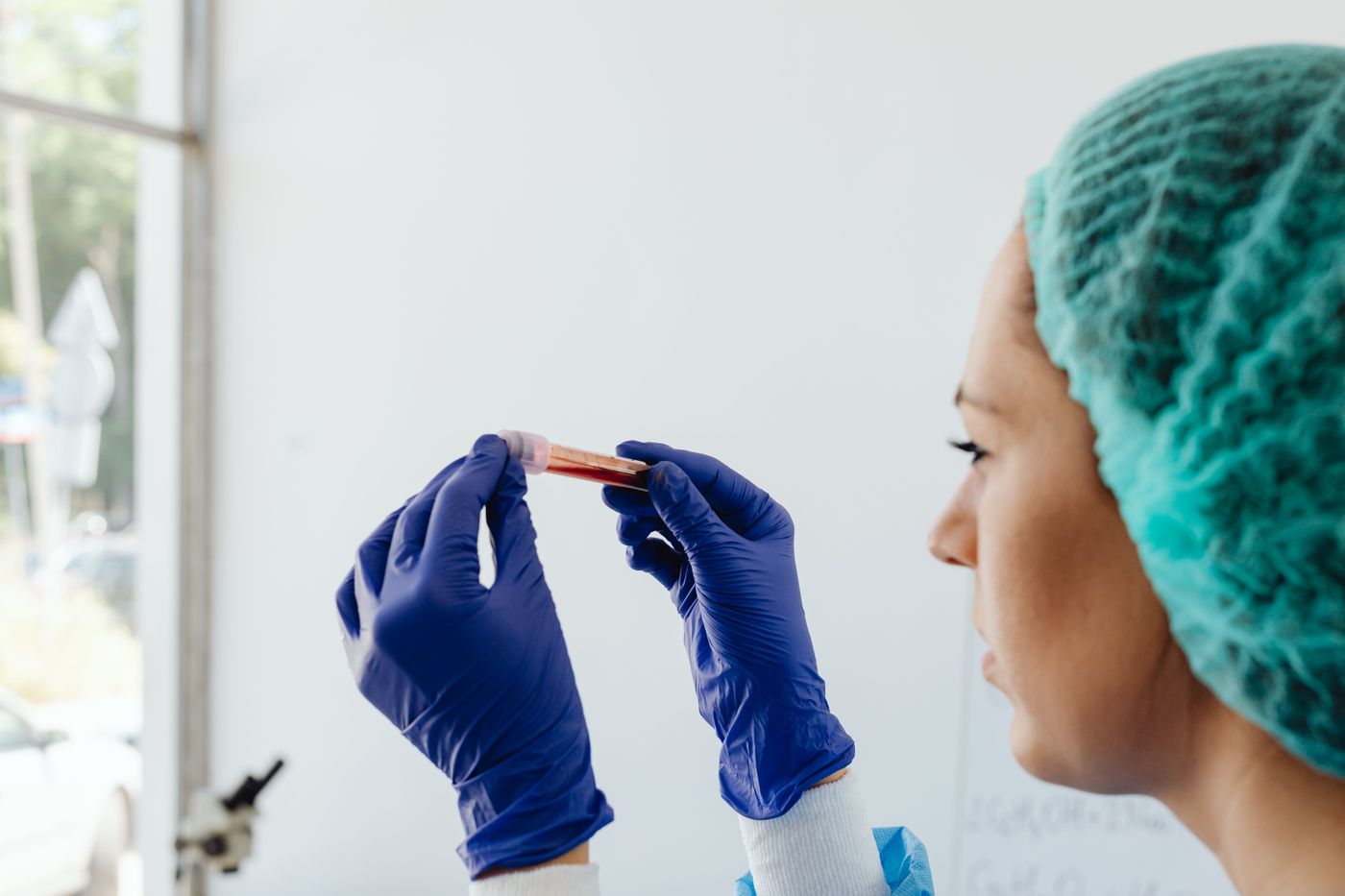
Core Hormone Panel
A targeted panel builds a hormonal picture of cycle regulation, ovulation, thyroid function, androgen excess, prolactin, and insulin resistance.
- FSH + LHCycle regulation and the LH:FSH pattern considered during PCOS assessment.
- Estradiol + progesteroneTimed to the appropriate phase of the menstrual cycle.
- ProlactinChecks for suppression of normal ovulatory signalling.
- TSH + free T4Identifies thyroid-related menstrual disruption.
- Testosterone + DHEASScreens for biochemical androgen excess.
- Fasting insulinAssesses insulin resistance and metabolic drivers.
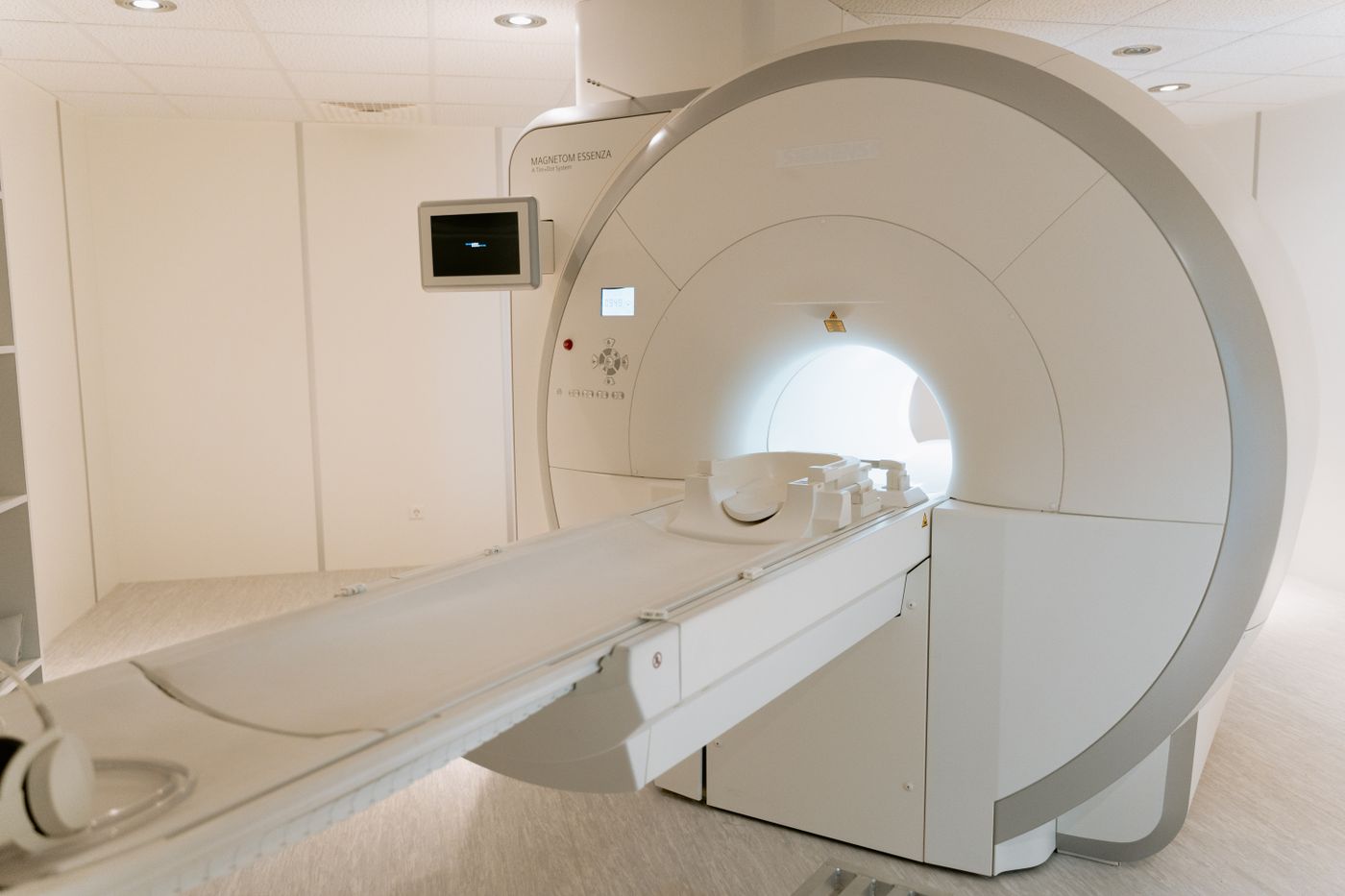
Pelvic Ultrasound
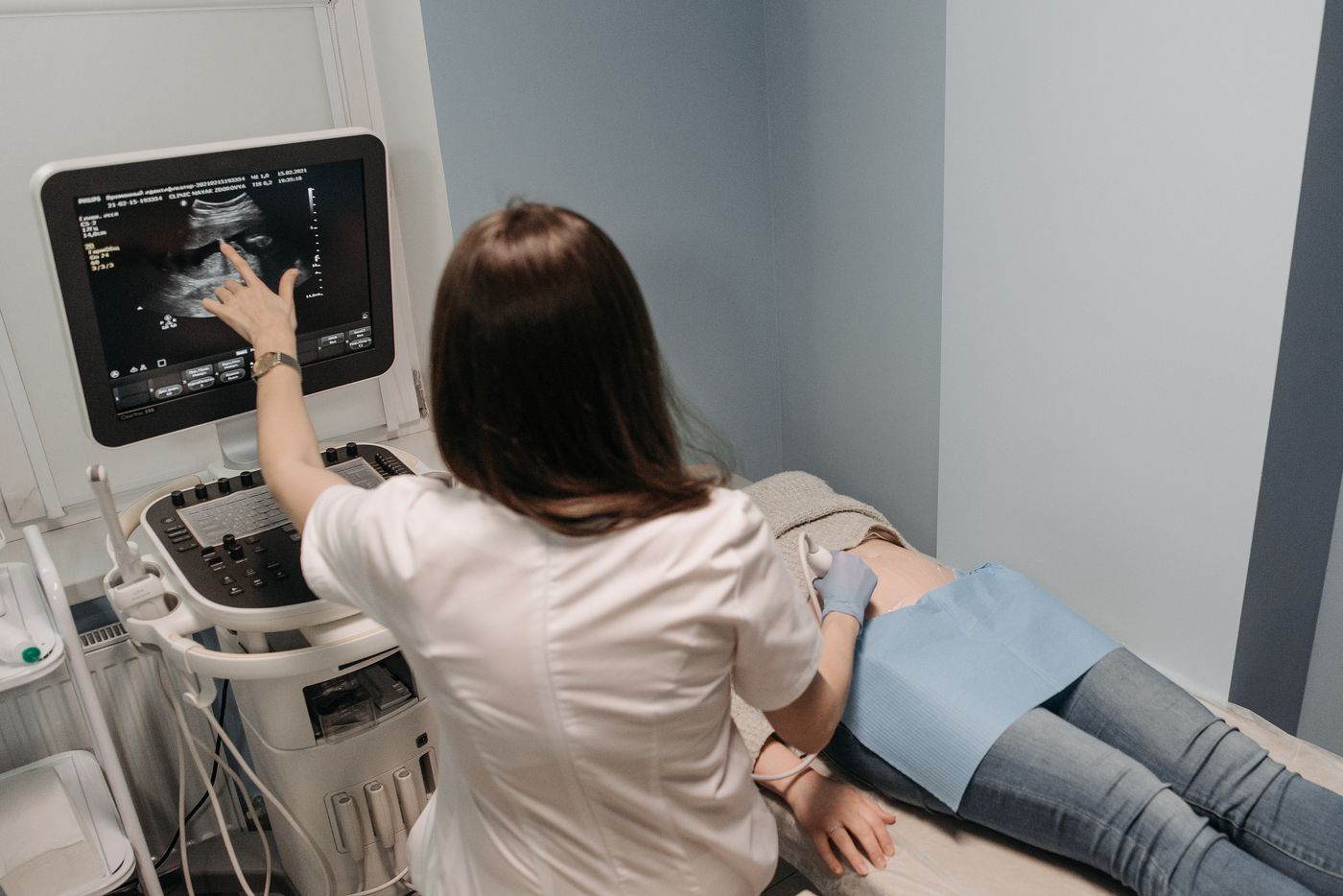
Ultrasound assesses ovarian morphology, uterine anatomy, and endometrial thickness. It can identify a polycystic ovarian pattern and other structural findings that may influence bleeding.
A normal ultrasound does not exclude an underlying hormonal cause.
AMH and Ovarian Reserve
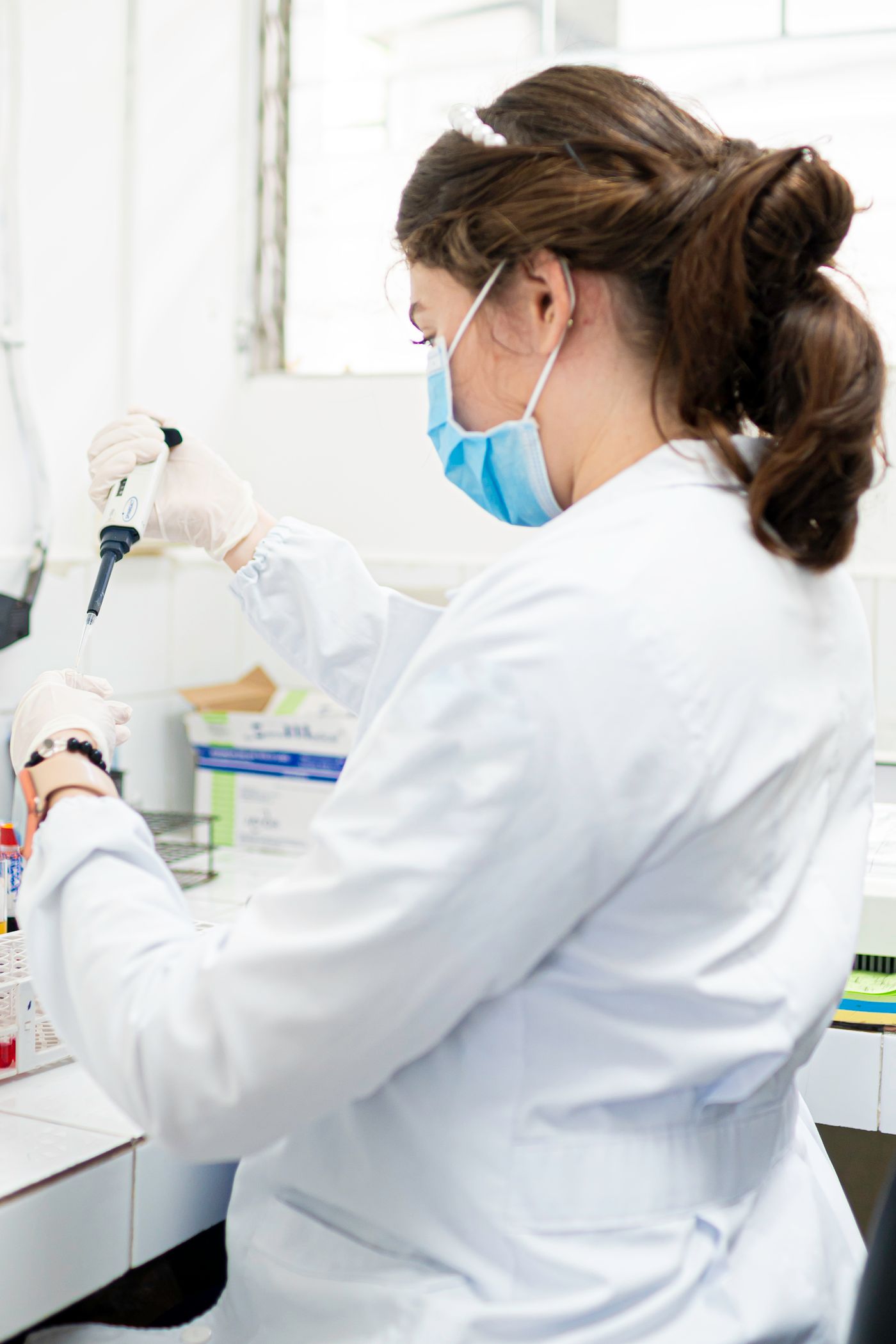
Anti-Mullerian hormone reflects the ovarian follicle pool. Results are interpreted with age, symptoms, cycle pattern, ultrasound, and the wider hormone panel rather than used alone.
Can support a PCOS assessment when other clinical and biochemical features are present.
May suggest diminished ovarian reserve, relevant in perimenopause or fertility planning.
Additional Tests Where Indicated
Further testing is selected only when symptoms or initial results point to a specific metabolic, adrenal, cortisol, or pituitary cause.
Irregular Periods Treatment in Dubai: Approach by Cause
The same symptom can require very different care. A correct hormonal diagnosis determines whether treatment involves medication, metabolic support, fertility care, or lifestyle restoration.

PCOS
PCOS: OCP, Metformin & Lifestyle
Care is matched to cycle control, insulin resistance, androgen symptoms, weight, and fertility goals.
- OCPRestores cycle regularity and provides anti-androgen benefit.
- MetforminTargets insulin-driven androgen excess where insulin resistance is present.
- LifestyleA 5-10% weight reduction can substantially improve cycles when appropriate.
- FertilityLetrozole or clomiphene may be used for ovulation induction.
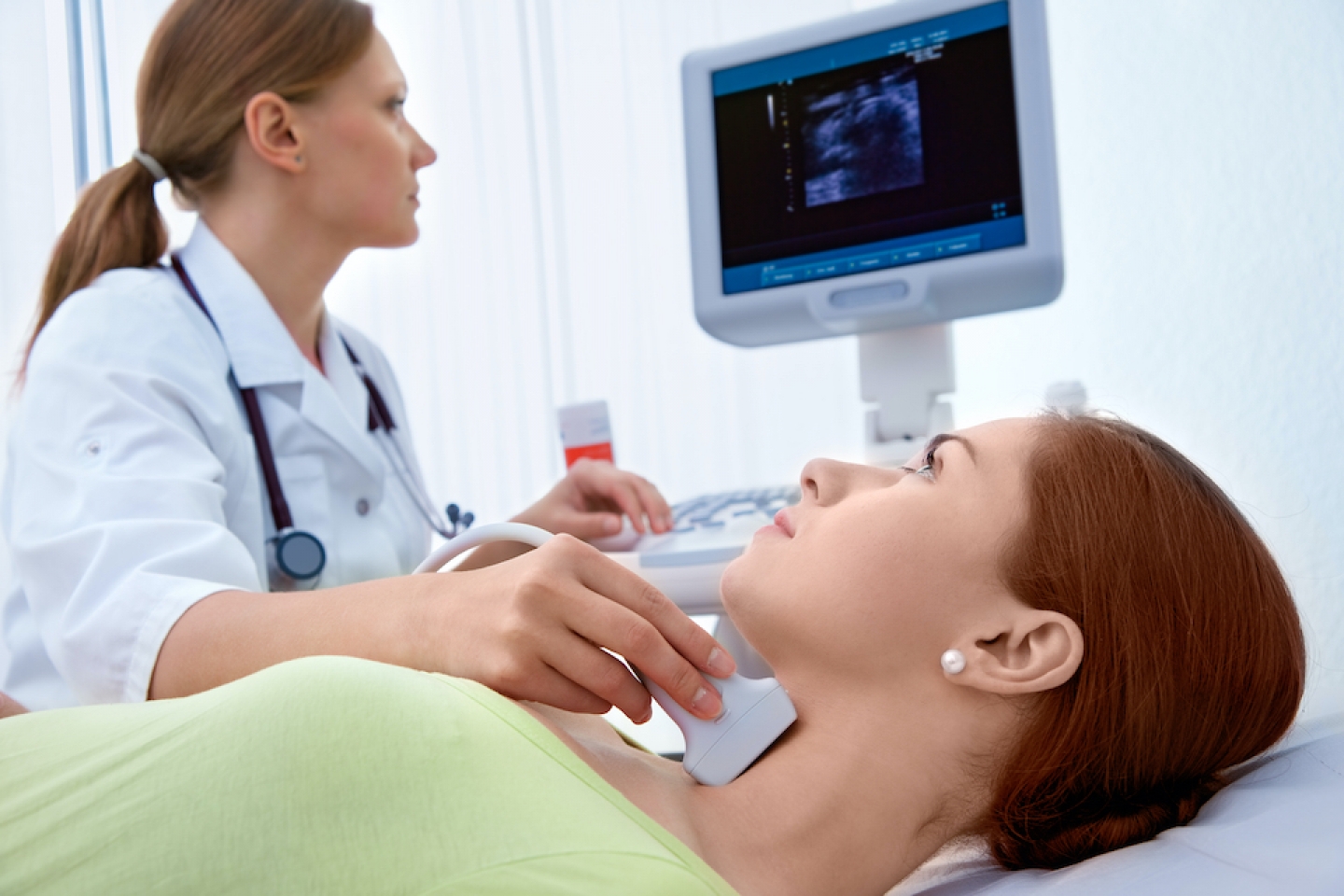
Thyroid Disorders
Restore Thyroid Function
Cycle regularity usually returns as thyroid hormone levels are brought back into range.
- HypothyroidismLevothyroxine is adjusted until TSH is normalized.
- HyperthyroidismAnti-thyroid therapy restores cycle function as thyroid control improves.
- Expected responseMany women notice improvement within 2-3 months of adequate replacement.
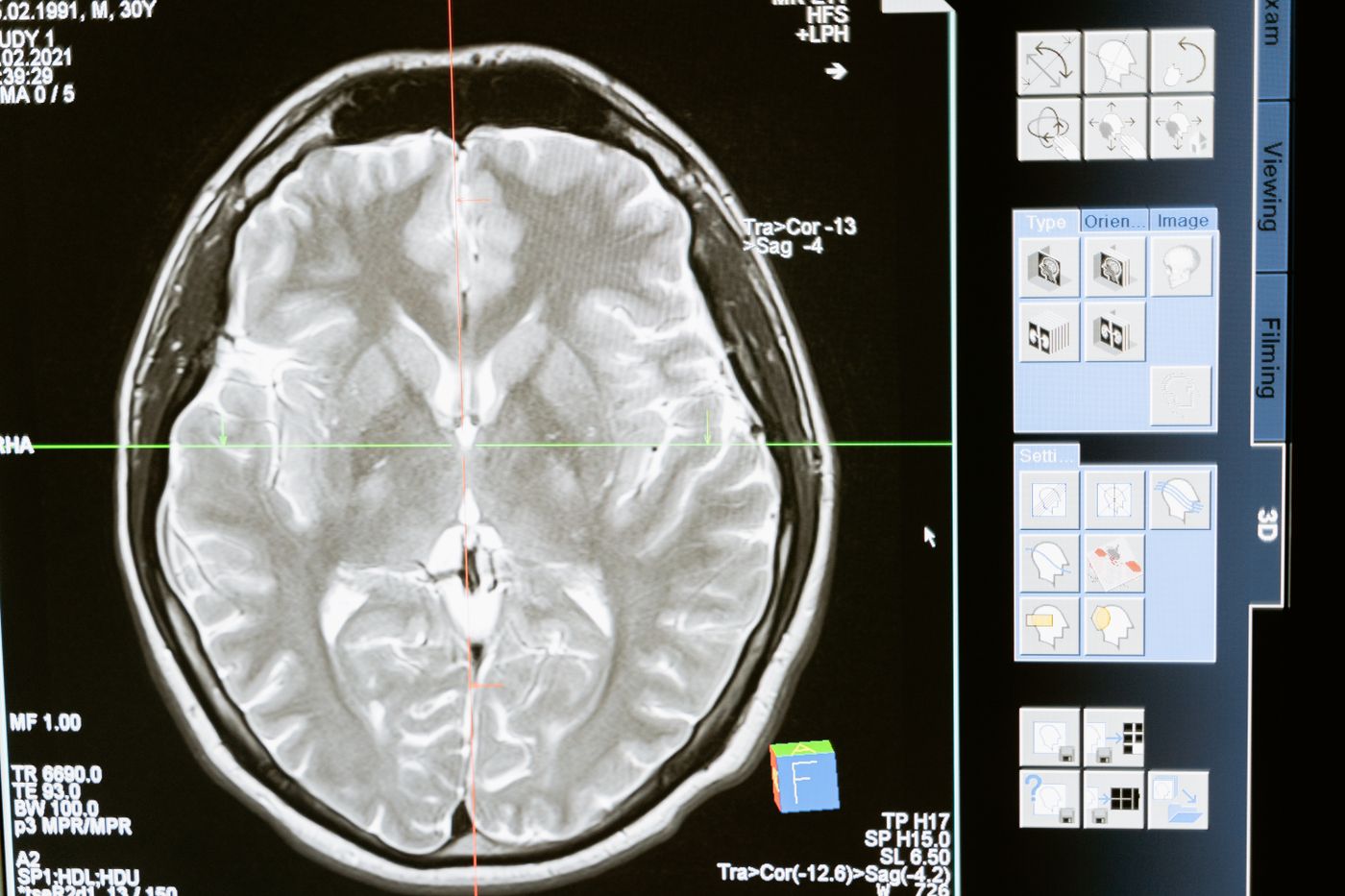
Elevated Prolactin
Cabergoline Therapy
Cabergoline lowers prolactin efficiently and can also reduce the size of a prolactinoma when present.
- 80-90%Prolactin normalizes in the majority of patients, often within weeks.
- 1-3 monthsCycles commonly return after prolactin normalization.
- MonitoringHormone results and pituitary findings guide dose and follow-up.

Hypothalamic Amenorrhoea
Lifestyle-Led Recovery
The priority is restoring adequate energy availability rather than prescribing cycle medication.
- NutritionIncrease caloric intake to meet the body's full energy needs.
- ExerciseReduce training load while hormonal signalling recovers.
- SupportAdd psychological and eating-disorder support where indicated.
Irregular Periods and Fertility in Dubai
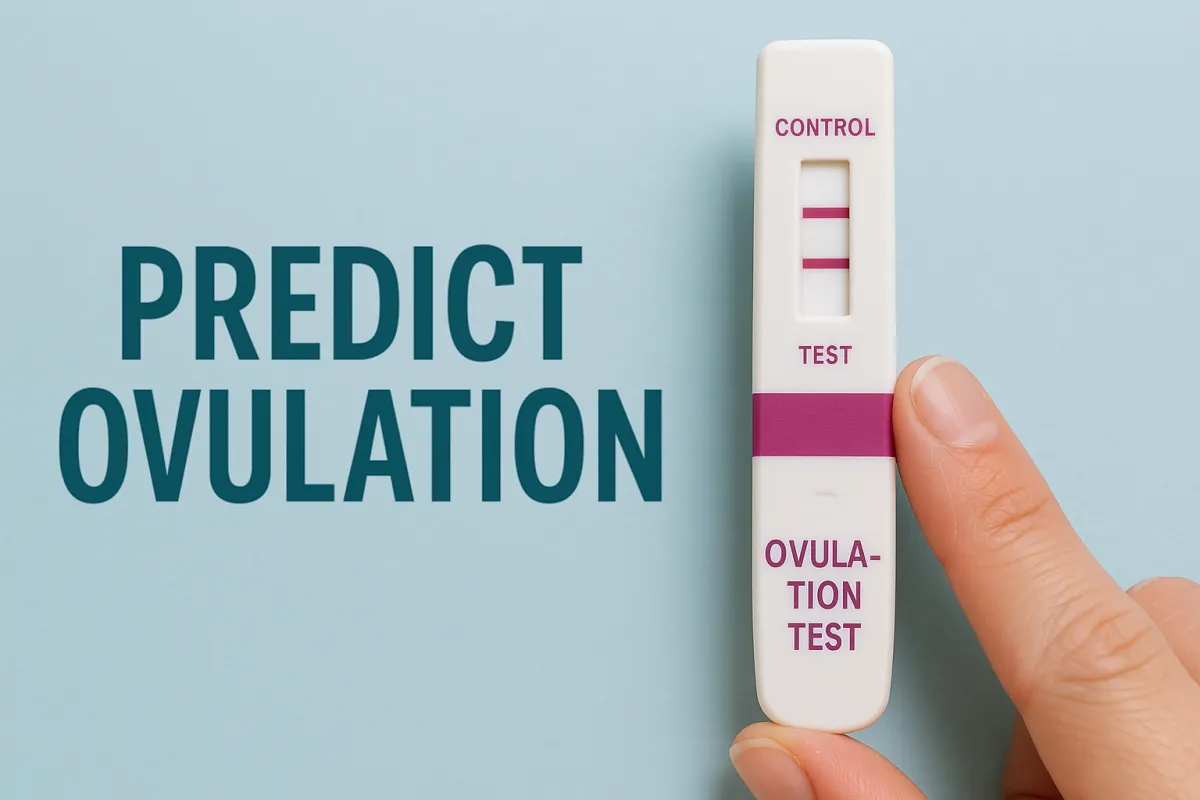
Irregular cycles are often a sign of ovulatory dysfunction: an egg is not released consistently. Identifying the hormonal cause early can restore ovulation and protect future fertility options.
PCOS
Letrozole or clomiphene may induce ovulation. Metformin, weight management, and metabolic support are added where appropriate.
Thyroid Disorders
Thyroid function is optimized before and during conception, with preconception TSH goals personalized to the patient.
Elevated Prolactin
Cabergoline can normalize prolactin and restore ovulation in the majority of appropriately selected patients.
Insulin Resistance
Metformin and structured lifestyle care can improve insulin sensitivity and increase ovulatory frequency.
How AMH Adds Fertility Context
Anti-Mullerian hormone estimates the ovarian follicle pool. Dr. Ali includes AMH when irregular periods are accompanied by fertility concerns, then interprets it alongside age, cycle pattern, ultrasound, and the wider hormone panel.
Can support a PCOS assessment when the wider clinical picture also indicates polycystic ovarian function.
May suggest diminished ovarian reserve and prompts specialist fertility counselling, especially in a younger woman.
AMH guides the conversation; it does not diagnose PCOS or predict natural conception on its own.
Why Choose Dr. Ali Aldibbiat for Irregular Periods in Dubai?
With more than 20 years of specialist experience, dual FRCP fellowships, and doctoral research in metabolic and hormonal science, Dr. Ali brings the depth needed to identify endocrine causes of cycle irregularity and build a treatment plan around the complete hormonal picture.
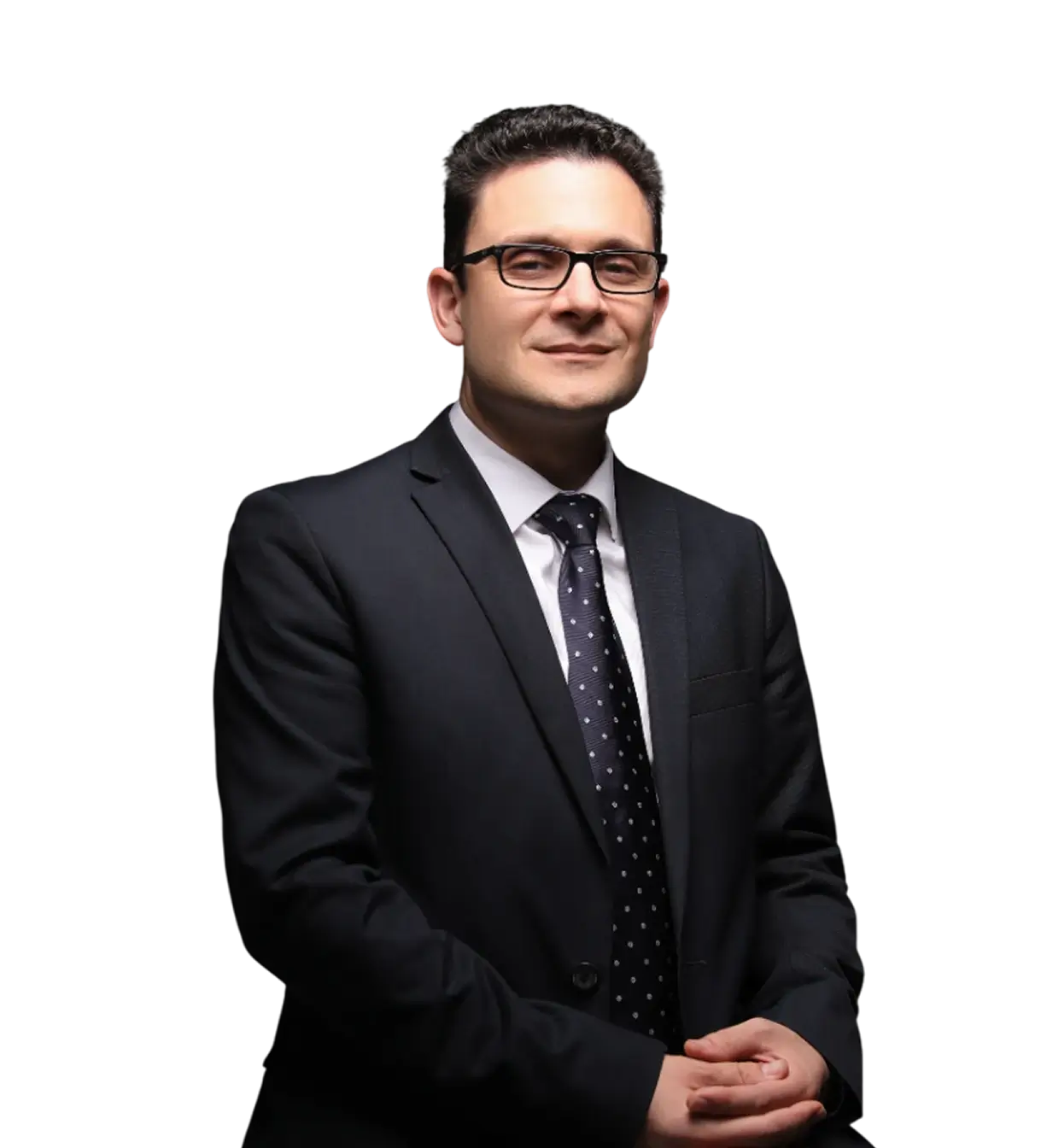
His clinic at 109 Century Plaza, Jumeirah Beach Road, Dubai, combines hormone testing, metabolic assessment, treatment, and follow-up within one specialist pathway.
Comprehensive Hormone Panel - Not Just TSH
Thyroid testing matters, but PCOS, insulin resistance, prolactin, and androgen excess also require attention. Dr. Ali's first-visit assessment investigates the relevant hormonal causes together.
Fertility-Aware Hormonal Management
Cycle restoration, ovulation support, thyroid optimization, AMH interpretation, and metabolic care are coordinated around present or future fertility goals.
Endocrine Causes That Need Specialist Review
Gynaecology is essential for structural and reproductive causes. Endocrinology complements that expertise by identifying pituitary, thyroid, ovarian, and metabolic drivers of irregular cycles.