

Ramadan is a month of spiritual reflection, community, and devotion. However, for the many people living in Dubai with chronic conditions, the transition to fasting presents unique physiological challenges. If you are managing diabetes and Ramadan, or if you have concerns about your blood sugar levels and want to understand how to monitor them before seeking a formal diagnosis, preparation is your most powerful tool.
Managing blood glucose while fasting requires a delicate balance of nutrition, medication adjustment, and vigilant monitoring. This guide provides actionable insights into navigating the holy month safely, ensuring your spiritual journey does not come at the cost of your physical well-being.
Understanding Diabetes and Ramadan: An Overview
Fasting during Ramadan involves abstaining from all food and drink from dawn (Suhoor) until sunset (Iftar). For a person without diabetes, the body regulates insulin and glucose levels seamlessly. For those with Type 1 or Type 2 diabetes, this long interval without caloric intake followed by two large meals can lead to significant fluctuations in blood sugar.
The UAE, and specifically the bustling metropolitan environment of Dubai, presents specific environmental factors like high temperatures and long daylight hours that can exacerbate dehydration. Whether you are already diagnosed or are worried about symptoms and want to test your levels, understanding the diabetes and Ramadan guidelines is the first step toward a safe month.

Potential Diabetes Risks During Ramadan
Fasting is not without risks for diabetics. The International Diabetes Federation (IDF) and the DAR (Diabetes and Ramadan) International Alliance categorize patients into risk groups: low, moderate, and high.
The primary complications to watch for include:
- Hypoglycemia (Low Blood Sugar): A sudden drop in glucose, often caused by too much medication or insufficient carbohydrates at Suhoor.
- Hyperglycemia (High Blood Sugar): Often occurring after Iftar due to overindulgence in sugary foods or heavy carbohydrates.
- Diabetic Ketoacidosis (DKA): A serious condition primarily affecting those with Type 1 diabetes when the body begins burning fat for fuel too quickly.
- Dehydration and Thrombosis: The lack of fluid intake during the day, combined with Dubai’s heat, can lead to thick blood and a higher risk of clots.
How to Manage Diabetes Medications During Ramadan
When it comes to Type 2 diabetes and Ramadan, medication management is a cornerstone of safety. You should never stop your medication, but the timing and dosage must be shifted to align with your eating window.
- Metformin: Usually, the dose remains the same, but it is split between Iftar and Suhoor. If you take it three times a day, the afternoon dose is typically moved to Iftar.
- Sulphonylureas: These carry a higher risk of hypoglycemia. Doctors often recommend taking them at Iftar rather than Suhoor to prevent daytime drops.
- SGLT2 Inhibitors: These are generally safe but require increased fluid intake during non-fasting hours to prevent dehydration.
When to Take Insulin During Ramadan
Managing Type 1 diabetes and Ramadan is significantly more complex and requires close medical supervision. For those on insulin:
- Long-acting (Basal) Insulin: The dose is often reduced by 15–30% and taken at Iftar.
- Rapid-acting (Bolus) Insulin: This is taken with meals. The dose for Iftar remains standard, while the dose for Suhoor is significantly reduced to prevent daytime hypoglycemia.
If you use an insulin pump, your basal rates will need to be adjusted by your specialist to account for the fasting state.

When to Test Your Blood Sugar in Ramadan
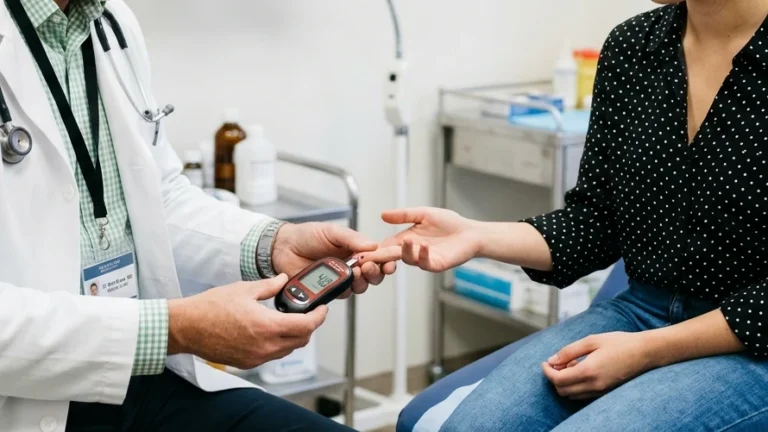
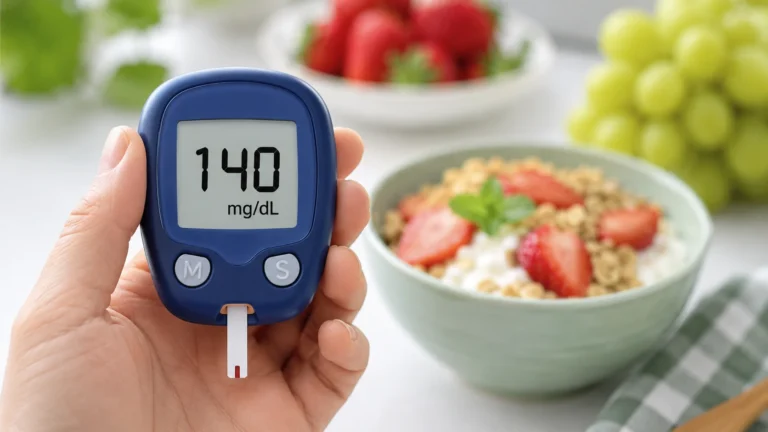
A common misconception is that a blood test during Ramadan—specifically a finger-prick test—nullifies the fast. This is incorrect. Checking your glucose levels is an act of self-preservation and is encouraged by medical and religious authorities alike.
To maintain a safe diabetes and fasting Ramadan experience, you should test at these intervals:
- Pre-dawn (Suhoor): To ensure you are starting the day at a safe level.
- Mid-morning: To see how your body is reacting to the start of the fast.
- Mid-day: A critical time to check for downward trends.
- Pre-sunset (Before Iftar): To monitor for late-day hypoglycemia.
- Two hours after Iftar: To check for spikes caused by the meal.
- Any time you feel unwell: Do not wait for a scheduled time if you feel dizzy or sweaty.
Read also about the fasting blood sugar test and learn how to prepare and do it.
Do All Types of Medications Nullify the Fast?
Religious scholars generally agree that medications that are not “nutritious” and do not enter the gastrointestinal tract do not break the fast.
- Injections: Insulin injections (subcutaneous) do not nullify the fast.
- Eye and Ear Drops: These are generally permitted.
- Skin Patches: Nicotine or medication patches are allowed.
- Tablets/Oral Meds: These do break the fast and must be taken during non-fasting hours.
Diabetes Symptoms to Monitor During Ramadan
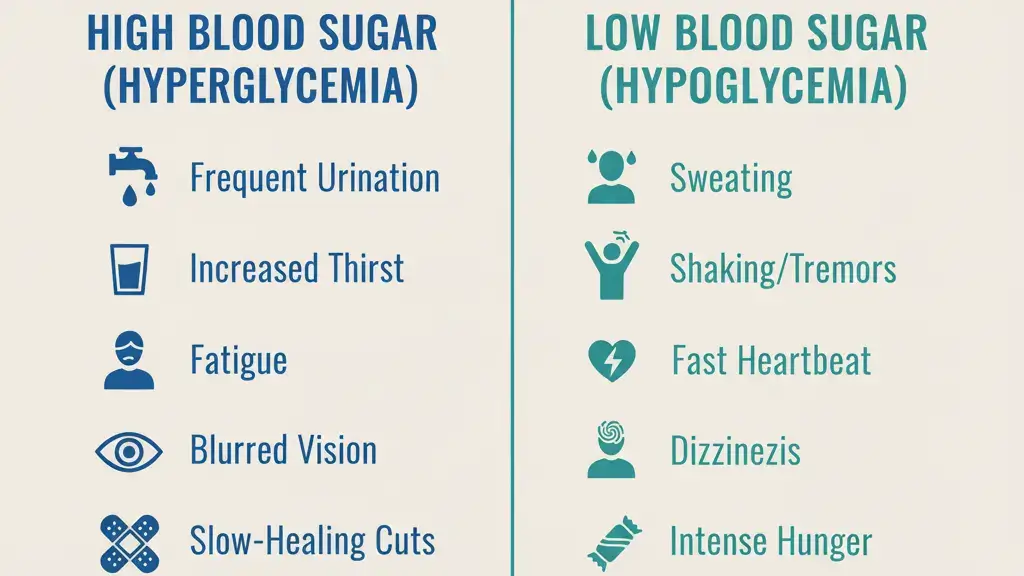
Being aware of your body’s signals is vital. You must be ready to break your fast if you experience the following “Red Flag” symptoms:
Hypoglycemia (Low) Symptoms:
- Shaking or trembling.
- Sudden sweating or chills.
- Confusion or irritability.
- Rapid heartbeat.
- Blurred vision.
Hyperglycemia (High) Symptoms:
- Extreme thirst.
- Frequent urination.
- Extreme fatigue.
- Nausea or abdominal pain.
How to Prevent Low Blood Sugar During Ramadan
Prevention starts at the Suhoor table. To keep your levels stable:
- Never skip Suhoor: It is the most important meal for a fasting diabetic.
- Focus on Complex Carbs: Choose oats, whole-grain bread, or brown rice. These digest slowly and release energy over several hours.
- Include Protein and Healthy Fats: Eggs, labneh, or avocado help slow down glucose absorption.
- Limit Caffeine: Coffee and tea are diuretics and can lead to faster dehydration.
Most people ask, “Can diabetics eat dates during Ramadan?” Discover the answer with us now.
What to Do for Low Blood Sugar in Ramadan
If your blood sugar drops below 70 mg/dL (3.9 mmol/L), Islam provides a clear dispensation to break the fast for health reasons.
- Break the fast immediately: Take 15g of fast-acting carbohydrate (like half a cup of juice or 3 glucose tablets).
- Wait 15 minutes: Re-test your blood sugar.
- Repeat if necessary: If it is still low, take another 15g of carbs.
- Stabilize: Once levels are back to normal, eat a small snack with long-acting carbs (like a piece of fruit or toast) to prevent another drop.
Lifestyle Tips to Keep Blood Sugar Level Normal in Ramadan
Living in Dubai offers plenty of opportunities for a healthy Ramadan if you make conscious choices:
- Hydration is Key: Aim for 2-3 liters of water between Iftar and Suhoor. Avoid sugary “Ramadan drinks” like Jallab or Vimto, which cause massive glucose spikes.
- The Rule of Three Dates: While it is Sunnah to break the fast with dates, they are very high in sugar. Stick to one or two small dates and pair them with water.
- Light Exercise: Avoid heavy gym sessions during the day. Instead, engage in light walking or the physical movements of Taraweeh prayers, which count as moderate physical activity.
- Sleep Hygiene: Try to get consistent sleep, as sleep deprivation can increase stress hormones and affect insulin sensitivity.

When to Consult a Doctor
If you are “at-risk”—meaning you have pre-diabetes, a family history, or are experiencing unexplained weight loss and thirst—you should seek a screening immediately. In Dubai, quick blood tests (HbA1c or fasting glucose) are available to give you peace of mind before the month begins.
If you are already diabetic, you should consult your endocrinologist at least 4-6 weeks before Ramadan starts to create a personalized fasting plan.
Explore our treatment and clients’ reviews through the official website: draliendo.com
Making a Plan with Dr. Ali Aldibbiat to Fast Safely
Successfully managing ramadan fasting and diabetes requires more than just willpower; it requires clinical expertise tailored to your specific body chemistry. Dr. Ali Aldibbiat is a renowned consultant endocrinologist who specializes in helping patients navigate the complexities of metabolic health during the holy month.
By consulting with Dr. Ali Aldibbiat, you receive:
- Personalized Risk Assessment: Understanding exactly where you stand on the safety scale.
- Medication Titration: A custom schedule for your tablets or insulin.
- Nutritional Guidance: Meal planning that respects local Dubai traditions while protecting your glucose levels.
- Emergency Protocols: Clear instructions on exactly when and how to break your fast if things go wrong.
Book Your Consultation Today
Don’t leave your health to chance this Ramadan. Whether you need a quick diagnostic test to see if you are at risk or you require a professional management plan for Type 1 or Type 2 diabetes, expert help is available.
Why choose Dr. Ali Aldibbiat?
- Expertise in the latest diabetes and ramadan guidelines.
- Deep understanding of the Dubai lifestyle and climate challenges.
- A patient-centered, empathetic approach to chronic disease management.
Contact the clinic today to schedule your check-up and ensure a safe, healthy, and spiritually fulfilling month.
FAQs about diabetes and ramadan
Can diabetics do Ramadan?
Most people with Type 2 diabetes can fast safely if their glucose is well-controlled and they follow a medical plan. However, those with Type 1 diabetes, pregnant women with diabetes, or those on dialysis are generally advised against fasting due to high risk.
What does Islam say about diabetes?
Islam prioritizes the preservation of life. The Quran (Surah Al-Baqarah 2:184-185) explicitly exempts those who are ill or traveling from fasting. If fasting poses a significant threat to your health, you are encouraged to feed the needy (Fidya) instead.
Is a diabetic person allowed to fast?
Yes, it is allowed, provided it does not cause harm. It is highly recommended to seek a medical opinion first. If a doctor advises that fasting is dangerous for your specific condition, following that medical advice is religiously permissible.
What happens to a diabetic who fasts?
Without food, the body may run low on glucose (hypoglycemia). Conversely, after the Iftar meal, the body may experience a massive spike (hyperglycemia). Fasting also increases the risk of dehydration, which can lead to kidney strain or blood clots in the heat of the UAE.
Final word about diabetes and ramadan
Navigating diabetes and Ramadan is a journey that combines faith with science. By understanding the risks, monitoring your blood sugar diligently, and adjusting your nutrition, you can participate in the holy month safely. Remember, the goal of fasting is spiritual growth, not physical suffering.
If you have any doubts about your ability to fast or if you are experiencing symptoms like extreme thirst or fatigue, do not hesitate to reach out to a specialist. Making a proactive plan with Dr. Ali Aldibbiat can provide the clarity and safety you need to focus on your prayers and family. May you have a blessed and healthy Ramadan.
References
- International Diabetes Federation (IDF): Diabetes and Ramadan Practical Guidelines 2021
- Diabetes UK: Ramadan and Diabetes Information
- National Health Service (NHS): Diabetes Overview and Management
- National Center for Biotechnology Information (NCBI): Physiological Changes and Risk Assessment in Ramadan Fasting