


Living in a fast-paced, vibrant metropolis like Dubai brings countless opportunities, but managing a chronic health condition amidst a busy lifestyle can be challenging. For individuals dealing with metabolic shifts, fluctuating energy levels, or recent laboratory results indicating insulin resistance, finding an expert medical ally is essential. Diabetes mellitus is a complex condition that influences every aspect of your systemic health, from cardiovascular integrity to nerve function. Managing it successfully requires more than generic advice; it demands highly specialized care tailored to your specific biology.
When your health is on the line, choosing the right healthcare partner is a defining step. Seeking out an experienced diabetes specialist in dubai can transform what feels like an overwhelming daily struggle into a structured, manageable, and even reversible health journey. Comprehensive metabolic management helps you reclaim your vitality, stabilize your daily energy, and safeguard your long-term wellness.
What is DM?
Diabetes Mellitus (DM) is a chronic metabolic disorder characterized by persistent hyperglycemia (elevated blood glucose levels). This condition arises because the body either cannot produce enough insulin or cannot effectively utilize the insulin it generates. Insulin is a critical hormone produced by the beta cells of the pancreas that acts like a key, allowing glucose from the food you eat to enter your cells to be used for energy.
When this process fails, glucose accumulates in the bloodstream instead of nourishing the cells. Over time, this sugar buildup causes extensive damage to blood vessels and nerve pathways throughout the body. Diabetes is broadly categorized into distinct types:
- Type 1 Diabetes: An autoimmune condition where the body’s immune system mistakenly attacks and destroys the insulin-producing beta cells in the pancreas. Individuals with Type 1 diabetes produce little to no insulin and require daily insulin therapy to survive.
- Type 2 Diabetes: The most common form of the condition, characterized by insulin resistance. In this scenario, the body’s cells do not respond effectively to insulin. While the pancreas initially produces extra insulin to keep up with demand, it eventually cannot produce enough to maintain normal blood sugar levels. Lifestyle factors, genetics, and visceral adiposity (deep abdominal fat) heavily influence Type 2 diabetes.
- Gestational Diabetes: A temporary form of diabetes that develops during pregnancy due to hormonal changes that interfere with insulin action. It typically resolves after childbirth but increases the long-term risk of developing Type 2 diabetes for both mother and child.
- Prediabetes: A warning phase where blood glucose levels are higher than normal but not yet elevated enough to be classified as clinical Type 2 diabetes.

Can Diabetes Be Cured?
One of the most frequent questions patients ask when visiting a diabetes specialist called for a consultation is whether their diagnosis is a permanent sentence. The scientific answer depends heavily on the specific type of diabetes you have.
For Type 1 diabetes, there is currently no permanent cure. Because it is an autoimmune condition that destroys pancreatic cells, treatment focuses on replacing the missing insulin using advanced technologies like smart insulin pumps and continuous glucose monitors. However, revolutionary research into islet cell transplantation and stem cell therapies offers promising horizons for restoring natural insulin production in the future.
For Type 2 diabetes and prediabetes, the perspective has shifted dramatically in recent years. While clinical medicine traditionally viewed Type 2 diabetes as a progressive, irreversible illness, contemporary endocrinology recognizes that diabetes remission is achievable. Remission means your blood sugar levels return to a normal, non-diabetic range without the aid of glucose-lowering medications.
Achieving remission requires a highly precise, scientific approach. By addressing the root causes of the disease—specifically insulin resistance, liver fat accumulation, and pancreatic stress—through tailored metabolic programs, cellular function can often be restored. With early intervention and expert guidance, many individuals successfully reverse the course of Type 2 diabetes, eliminating their reliance on prescription drugs.
Common Signs and Symptoms of DM
Recognizing the early warning signs of diabetes is essential for preventing profound metabolic damage. Because high blood sugar can develop gradually, symptoms—especially in Type 2 diabetes—can be subtle and easily overlooked during a hectic routine.
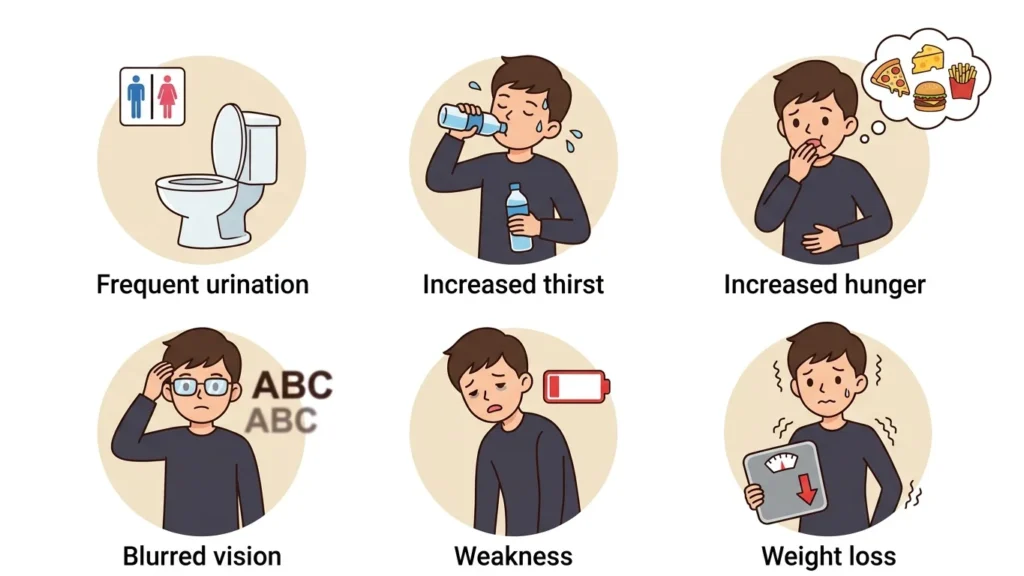
If you or a family member notice any of the following classic symptoms, it is time to schedule a thorough diagnostic workup:
- Polyuria (Frequent Urination): When glucose levels in the blood are excessively high, the kidneys work overtime to filter and filter out the excess sugar. This draws fluid from body tissues, leading to frequent trips to the bathroom, particularly during the night.
- Polydipsia (Excessive Thirst): As your body loses fluids through frequent urination, severe dehydration sets in, triggering a constant, unquenchable thirst.
- Polyphagia (Extreme Hunger): Because insulin resistance prevents glucose from entering your cells, your muscles and organs become starved of energy. This triggers persistent hunger signals, even shortly after eating a full meal.
- Unexplained Weight Loss: When your body cannot utilize glucose for fuel, it begins breaking down muscle tissue and fat stores rapidly to find an alternative energy source.
- Chronic Fatigue: Lacking cellular energy leaves you feeling perpetually exhausted, drained, and unable to maintain stamina throughout the day.
- Blurred Vision: High blood sugar draws fluid away from the lenses of your eyes, altering their shape and affecting your ability to focus properly.
- Slow-Healing Wounds: Elevated glucose levels impair systemic blood circulation and degrade the body’s natural immune response, causing simple cuts, bruises, or infections to take weeks or months to heal.
Which Specialist Can Treat Diabetes
While a general practitioner or family doctor can manage early-stage or straightforward blood sugar issues, complex metabolic disorders require the insight of a dedicated specialist. The gold standard for diabetes care is a Consultant Endocrinologist.
An endocrinologist is a medical doctor who has undergone years of advanced subspecialty training specifically dedicated to the endocrine system, which regulates the body’s hormones, metabolism, and biochemical balance. Because diabetes is a systemic hormonal disorder rather than a simple blood disease, an endocrinologist possesses the deep pathophysiological understanding needed to treat it effectively.
When searching for a qualified medical expert, you may find a diabetes specialist called an endocrinologist, a diabetologist, or a metabolic medicine consultant. These professionals specialize in looking at your health holistically, analyzing how insulin interacts with other hormones like thyroid hormones, cortisol, and reproductive hormones to optimize your global health.
How Diabetes Specialist in Dubai Diagnose It
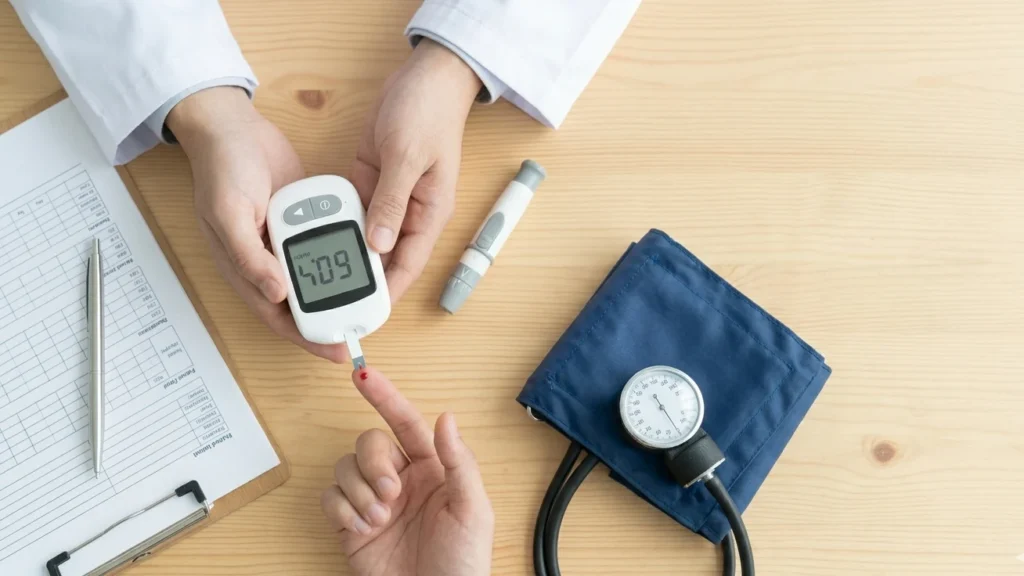
When you visit a clinical center, a diabetes specialist in dubai uses advanced laboratory diagnostics to build an accurate picture of your metabolic health. A proper diagnosis relies on several standardized blood tests that measure glucose concentrations at different times:
- HbA1c Test (Glycated Hemoglobin): This crucial test measures the percentage of blood sugar attached to your hemoglobin, providing an accurate baseline of your average blood glucose levels over the past two to three months. It requires no fasting and is a cornerstone for both diagnosis and ongoing monitoring.
- Fasting Plasma Glucose (FPG) Test: Fasting blood sugar test measures your blood sugar after an overnight fast of at least eight hours. It provides a clean baseline look at how efficiently your liver manages glucose production when you are not consuming food.
- Oral Glucose Tolerance Test (OGTT): A highly sensitive diagnostic tool that involves checking your fasting blood sugar, having you drink a sugary glucose solution, and then testing your blood again two hours later. This reveals exactly how your body processes dietary sugars under metabolic stress.
- Random Blood Glucose Test: A blood sample drawn at any random time, regardless of when you last ate. This is typically utilized when a patient presents with severe, unmistakable symptoms of hyperglycemia.
Beyond standard glucose testing, a progressive specialist will evaluate advanced markers such as HOMA-IR (to measure the exact degree of insulin resistance), fasting insulin levels, complete lipid fractionation, and liver health indices to uncover the underlying drivers of your metabolic dysfunction.
Services That Diabetes Specialist in Dubai Offers
Modern metabolic care goes far beyond writing basic prescriptions. A leading diabetes specialist in dubai provides a comprehensive ecosystem of cutting-edge clinical services designed to offer absolute precision and safety:
- Advanced Diabetes Technology Integration: Utilizing Continuous Glucose Monitors (CGMs) that stream real-time blood sugar readings directly to a smartphone app, eliminating the need for constant finger-prick testing. Specialists also program and manage automated insulin delivery systems (smart insulin pumps or artificial pancreas loops) for precise glycemic control.
- Precision Metabolic Profiling: Deep hormonal mapping and cellular health testing to determine your exact metabolic rate, fat oxidation capacity, and hormonal balance.
- Gestational Diabetes Clinics: Specialized care plans designed to protect both mother and baby throughout pregnancy, ensuring safe, stable glucose parameters without compromising fetal development.
- Cardiovascular & Renal Risk Management: Proactive screening and protective therapeutic strategies to shield the heart, kidneys, and blood vessels from the complications of long-term diabetes.
- Comprehensive Screening Programs: Routine evaluations of peripheral nerve function, microvascular health, and diabetic foot care to halt complications before they manifest physically.
Read more about the diabetes & Endocrine Center’s Scope of Services.
Can Diabetes Specialist in Dubai Provide Nutritional Advices for Diabetes?
Absolutely. Nutrition is not merely a supplementary component of diabetes care; it is the fundamental cornerstone of metabolic medicine. A progressive diabetes specialist in dubai provides deeply customized, evidence-based nutritional plans designed to stabilize blood sugar spikes while preserving muscle mass and cellular health.
Dietary interventions must be completely personalized. There is no generic “diabetes diet” that works for everyone. Your medical expert will evaluate your unique metabolic rate, cultural food preferences, daily activity levels, and gut microbiome health to construct an optimized nutritional framework. This plan will guide you on carbohydrate quality, macronutrient distribution, and meal timing to lower insulin resistance naturally.
Furthermore, a specialist can guide you on the medical safety of advanced dietary approaches. Whether exploring controlled therapeutic carbohydrate restriction, targeted intermittent fasting, or specialized plant-forward nutrition, your medical provider will supervise your journey safely, adjusting any current medications in real-time to avoid dangerous blood sugar drops.

When Should You See a Diabetes Specialist Doctor
Many individuals delay seeking specialized medical care, assuming that a fluctuating blood sugar reading is just a temporary phase. However, early intervention by a diabetes specialist doctor can prevent irreversible damage to your microvascular system. You should seek a specialist consultation immediately if:
- Your routine fasting blood tests show an HbA1c level of 5.7% or higher, indicating prediabetes or diabetes.
- You have a confirmed diagnosis of Type 2 diabetes but find that your blood sugar levels remain highly erratic despite taking standard medications.
- You experience frequent, unpredictable episodes of hypoglycemia (low blood sugar below 70 mg/dL), which can cause dangerous dizziness, shaking, or sweating.
- You are planning a pregnancy or have recently been diagnosed with gestational diabetes.
- You are experiencing early signs of diabetes complications, such as a persistent tingling or numbness in your feet, sudden vision changes, or slow-healing skin wounds.
- You want to transition away from traditional, lifetime dependency on medication and explore structured, science-backed protocols for Type 2 diabetes remission.
How to Choose Your Diabetes Specialist Doctor
Selecting the right physician to guide your long-term metabolic health is a deeply personal and critical decision. Dubai offers a wide array of medical facilities, but finding a truly exceptional diabetes specialist doctor requires looking beyond standard hospital advertisements. Consider the following criteria during your search:
- International Board Accreditations: Look for specialists holding premier international fellowships, such as a Fellowship of the Royal College of Physicians (FRCP) from the UK or a Fellowship of the American Association of Clinical Endocrinology (FACE).
- Academic and Research Depth: A physician who actively participates in clinical research and holds teaching positions keeps pace with the latest therapeutic breakthroughs, ensuring you receive cutting-edge care.
- A Patient-Centric Philosophy: True healing requires an empathetic listener. Choose a doctor who takes the time to thoroughly explain the “why” behind your treatment plan, rather than rushing through appointments or relying solely on prescribing medications.
- A Holistic Care Infrastructure: Opt for a practice that integrates advanced lifestyle modification, metabolic tracking, and technology-driven remote monitoring alongside traditional pharmacology.
Discover more about Dr Ali Aldibbiat’s patients’ reviews and testimonials, and read what they said about their treatment journey with him.

Dr Ali Aldibbiat: The Best Diabetes Specialist in Dubai
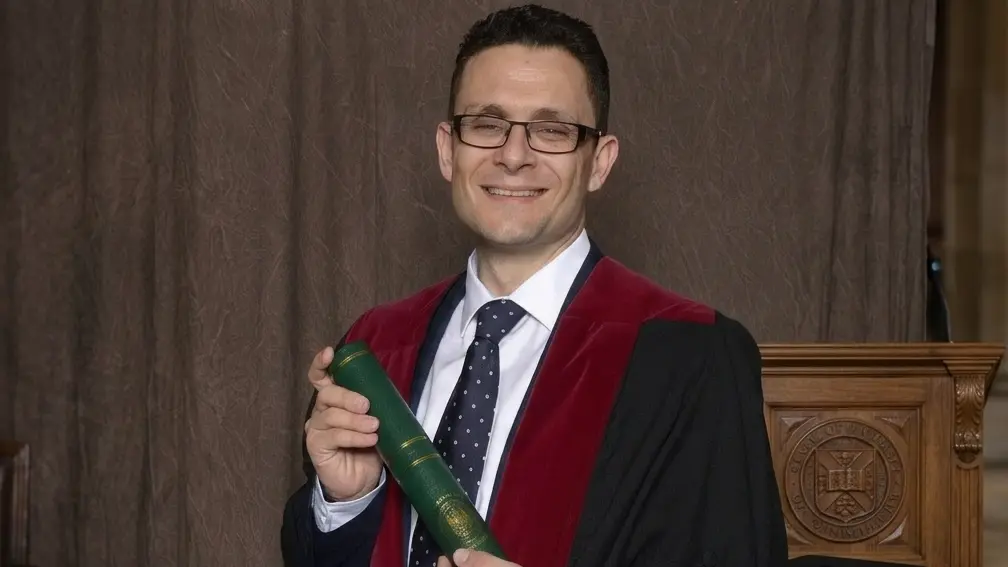
For those seeking an unparalleled standard of individualized metabolic care, Dr. Ali Aldibbiat stands out as a premier destination for endocrine and diabetes health in the region. With over two decades of extensive clinical experience across the United Kingdom and the UAE, Dr. Ali brings a rare combination of world-class clinical mastery, pioneering academic depth, and deep personal compassion to his patients.
Dr. Ali Aldibbiat is a highly credentialed Consultant Endocrinologist holding an MD and a PhD in Islet Cell Transplantation and Stem Cell Therapy for Diabetes from Newcastle University, UK. He is a prestigious Fellow of the Royal College of Physicians (FRCP) of both London and Edinburgh, as well as a Fellow of the American Association of Clinical Endocrinology (FACE). In addition to his full-time clinical practice, he serves as an Adjunct Associate Professor of Endocrinology at Mohammed Bin Rashid University of Medical Sciences (MBRU), actively shaping the next generation of medical specialists in Dubai.
At his practice, Dr. Ali rejects the assembly-line approach to modern medicine. Guided by a core clinical philosophy—”I will always listen before I treat, explain before I prescribe, and walk with you, not ahead of you”—he treats each patient as a unique individual. His clinic specializes in precise metabolic profiling, advanced diabetes technologies (including continuous glucose monitoring and insulin pumps), and evidence-based Type 2 diabetes remission programs designed to restore health naturally.
Visit the patient connection hub page and learn more about your condition and connect with the Dr Ali Aldibbiat.
Connect with Advanced Metabolic Care
Taking control of your metabolic health is the most important investment you can make for your future. If you are ready to move past temporary patches and experience a comprehensive, scientifically driven approach to managing your health, explore Dr Ali Aldibbiat’s website to learn more about advanced metabolic profiling, precision diagnostics, and individualized diabetes care programs.
Booking an immediate, comprehensive evaluation gives you the tools, support, and clarity needed to overcome metabolic challenges and live a vibrant, healthy life.
Book your consultation now with Dr Ali Aldibbiat in Dubai to start controlling your diabetes.
FAQs About Diabetes Specialist in Dubai
What specialist is best for diabetes?
A Consultant Endocrinologist is the most qualified medical specialist to treat all forms of diabetes. Because diabetes is a complex endocrine and metabolic disorder involving hormones and insulin pathomechanics, an endocrinologist has the specialized, deep training required to safely optimize blood sugar, integrate advanced diabetes technology, and minimize long-term vascular complications.
Who is the best diabetic specialist in Dubai?
While Dubai features many talented physicians, Dr. Ali Aldibbiat is widely regarded as an exceptional option for advanced diabetes care. He combines deep clinical empathy with elite global credentials, including a PhD in cell therapies for diabetes from the UK, and dual Fellowships of the Royal College of Physicians (FRCP London and Edinburgh) and the American Association of Clinical Endocrinology (FACE).
Which vegetable is good for diabetes?
Non-starchy, fibrous vegetables are excellent for managing diabetes because they have a minimal impact on blood glucose while delivering essential micronutrients. Leafy greens (such as spinach and kale), broccoli, cauliflower, zucchini, and bell peppers are ideal choices. These vegetables are rich in dietary fiber, which slows down glucose absorption in the gut and prevents sudden post-meal blood sugar spikes.
What is the normal blood sugar level in UAE?
In alignment with global standards like those of the American Diabetes Association (ADA), a normal fasting blood glucose level for an adult without diabetes is between 70 and 99 mg/dL (3.9 to 5.5 mmol/L). A normal blood sugar reading two hours after a meal is less than 140 mg/dL (7.8 mmol/L). An HbA1c level below 5.7% is considered optimal and non-diabetic.
Diabetes Specialist Dubai Final Thoughts
Managing diabetes successfully does not mean letting a clinical diagnosis define or limit your life. With the guidance of an expert diabetes specialist dubai, you can gain absolute clarity over your health. By pairing cutting-edge medical science, precision tracking diagnostics, and personalized lifestyle adjustments, it is entirely possible to balance your hormones, overcome insulin resistance, and even achieve long-term Type 2 diabetes remission. Do not wait for chronic complications to surface—take a proactive step toward your physical wellness today.