Thyroid Specialist in Dubai: Expert Endocrine Care | Dr. Ali
Living in a fast-paced global hub like Dubai brings endless opportunities, but it can also take a hidden toll on your physical...
 Written by
admin
Written by
admin

Living in a fast-paced global hub like Dubai brings endless opportunities, but it can also take a hidden toll on your physical health. When unexplained fatigue, sudden weight shifts, chronic sleep disturbances, or intense mood changes begin to disrupt your daily routine, the root cause may not just be standard everyday stress. Frequently, these subtle yet life-altering symptoms point directly to an underlying hormonal imbalance originating within your endocrine system.
Your endocrine system relies on absolute chemical precision, and even a minor disruption can ripple across your entire physical and emotional well-being. Navigating these metabolic challenges requires a highly personalized, targeted medical approach. If you suspect that your metabolism is misfiring, consulting a dedicated thyroid specialist is the most definitive step you can take toward identifying the root cause and reclaiming your energy, long-term health, and overall vitality.
Finding the right clinical guidance is essential for managing your long-term wellness. Throughout the United Arab Emirates, residents have access to some of the most advanced diagnostic technologies and therapeutic options globally. If you are struggling with systemic metabolic issues, working with a qualified thyroid specialist in dubai ensures that you receive a highly tailored treatment plan built around your unique lifestyle, medical history, and biochemical profile.
What You Need to Know About the Thyroid Gland
The thyroid gland is a small, butterfly-shaped organ situated at the base of your neck, just beneath the Adam’s apple. Despite its modest size, it serves as the master control center for your body’s cellular metabolism. It functions by manufacturing and releasing two primary hormones directly into your bloodstream: Thyroxine (T4) and Triiodothyronine (T3). These hormones dictate exactly how rapidly your cells convert nutrients from your diet into functional energy.
Every physiological framework within your body depends heavily on thyroid hormonal regulation. From modulating your resting heart rate and stabilizing core body temperature to overseeing deep tissue repair and metabolic efficiency, the thyroid influences virtually every organ system. When your thyroid functions correctly, your body maintains a balanced state of homeostatic equilibrium. However, if production slips out of its optimal range, your systemic metabolic rate can either accelerate into overdrive or plummet to a sluggish crawl.

Most Common Thyroid Diseases
When cellular communication loops encounter issues, the thyroid gland typically responds in one of two ways: by producing too much hormone or by failing to produce enough. A seasoned endocrinologist thyroid specialist categorizes these disruptions into specific clinical conditions:
- Hypothyroidism: Occurs when the thyroid gland is underactive and fails to produce sufficient hormones. This drop stalls your metabolism, leaving patients feeling chronically exhausted, sensitive to cold temperatures, and prone to unexplained weight gain.
- Hyperthyroidism: Occurs when an overactive thyroid floods the bloodstream with excessive hormones. This speeds up your metabolic rate, causing rapid heart rate, unexpected weight loss, hand tremors, and heightened anxiety.
- Thyroid Nodules: Small, fluid-filled or solid tissue lumps that form within the gland structure. While the vast majority of these nodules are entirely benign, they require specialized diagnostic monitoring to rule out structural airway compression or malignancy.
- Goiter: An abnormal enlargement of the entire thyroid gland. Goiters can occur due to systemic iodine deficiencies, autoimmune inflammation, or structural nodules, occasionally causing physical discomfort or swallowing difficulties.
Causes of Thyroid Disorder
Thyroid disorders rarely develop in a vacuum; they typically stem from a combination of underlying genetic mutations, environmental stressors, and immune system triggers. Identifying these root factors is key to establishing a successful, long-term therapeutic path.
An overarching cause of persistent thyroid dysfunction is autoimmune disease. In conditions like Hashimoto’s thyroiditis, the body’s immune cells mistakenly attack healthy thyroid tissue, causing chronic inflammation and structural tissue damage that leads to hypothyroidism. Conversely, in Graves’ disease, abnormal antibodies stimulate the thyroid gland to overproduce hormones, driving hyperthyroidism.
Beyond autoimmune triggers, prolonged dietary imbalances—such as severe iodine deficiencies or toxic overexposure—can disrupt normal hormone synthesis. Genetic history also plays a significant role; a family history of endocrine issues increases your vulnerability. Additionally, systemic inflammation, chronic high-stress lifestyles, pregnancy, and exposure to specific environmental toxins can destabilize vulnerable endocrine pathways.

Signs and Symptoms of Thyroid Disorder
Because thyroid hormones regulate your entire body, a malfunctioning gland can present a wide range of diverse, seemingly disconnected symptoms. Recognizing these warning signs early can save you months of frustration and prevent more severe complications.
Common Symptoms of an Underactive Thyroid (Hypothyroidism)
- Unexplained, persistent weight gain despite maintaining a balanced diet and regular exercise routine.
- Chronic, debilitating fatigue and muscle weakness that does not improve with rest.
- Dry, brittle skin, thin hair, split nails, and severe constipation.
- Increased sensitivity to cold environments and frequent feelings of mental brain fog.
Common Symptoms of an Overactive Thyroid (Hyperthyroidism)
- Sudden, unintentional weight loss accompanied by a sharp increase in appetite.
- Tachycardia (a rapid, racing heartbeat) or palpitations, even while resting.
- Fine tremors in the hands and fingers, along with muscle weakness.
- Excessive sweating, heat intolerance, sleep disruption, and heightened irritability.
How Can a Thyroid Specialist Doctor Diagnose Thyroid Diseases?
Accurate diagnosis goes far beyond tracking standard clinical symptoms. A professional thyroid specialist doctor utilizes a multi-layered, objective diagnostic framework to pinpoint the exact nature of your hormonal or structural imbalance.
The process begins with advanced serological blood testing to evaluate your circulating hormone levels. The Thyroid-Stimulating Hormone (TSH) test measures how hard your pituitary gland is working to prompt your thyroid into action. Alongside TSH, testing Free T4 and Free T3 levels provides a clear picture of active hormone levels in your system. If an autoimmune condition is suspected, specialized antibody screenings—such as Thyroid Peroxidase Antibodies (TPOAb)—help confirm or rule out conditions like Hashimoto’s.
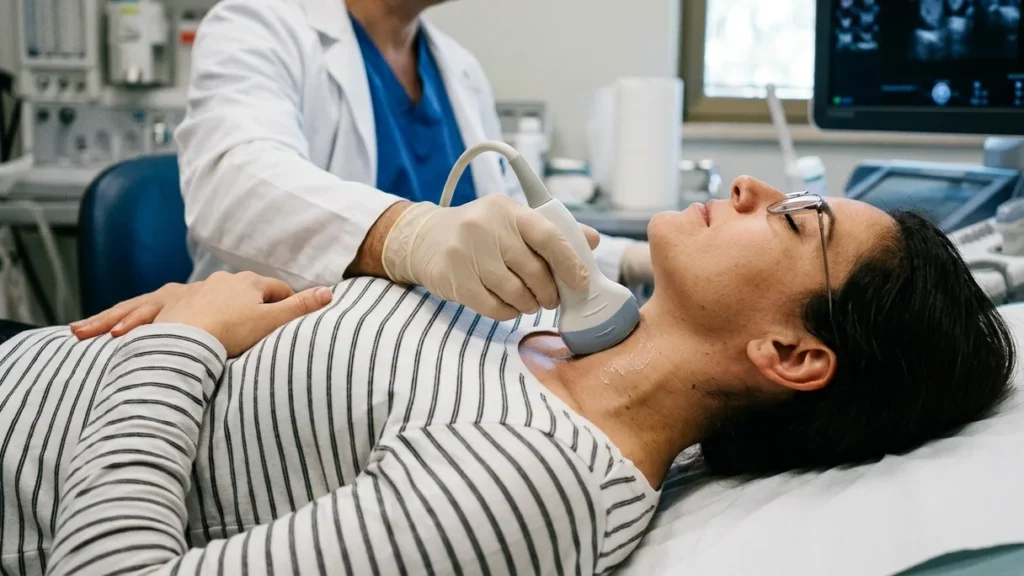
When structural changes like nodules or goiters are detected, specialized imaging is required. A high-resolution neck ultrasound allows clinicians to visualize the internal structure of the gland safely and non-invasively. If a nodule shows complex features, a specialist can perform an in-office Fine-Needle Aspiration (FNA) biopsy, capturing minor tissue samples to ensure total diagnostic clarity.
When Should You See Your Thyroid Specialist Doctor?
Many people live with undiagnosed thyroid imbalances for years, attributing their symptoms to aging, work exhaustion, or poor sleep habits. However, letting an endocrine disorder go unmanaged can lead to more severe health issues over time, including elevated cholesterol, cardiovascular strain, or reproductive health complications.
You should schedule a comprehensive evaluation if you experience persistent symptoms that do not resolve with lifestyle adjustments. If you notice a visible swelling at the base of your neck, experience unexplained changes in your menstrual cycle, or struggle with fertility issues alongside chronic fatigue, it is time to seek specialized care. Getting an early evaluation from a thyroid specialist ensures an accurate diagnosis and keeps your metabolic health on track.
Discover more about the diabetes & Endocrine Center’s Scope of Services.
How Can a Thyroid Specialist in UAE Help You?
Managing an endocrine condition requires a highly localized, consistent approach to care. Partnering with a qualified thyroid specialist in uae gives you access to a modern healthcare infrastructure designed to support long-term wellness.
Endocrine disorders are rarely resolved with a single prescription. They require ongoing tracking, precise medication adjustments, and regular lab work to match your body’s changing metabolic demands. A local specialist provides the continuity of care needed to safely guide you through life transitions, such as managing thyroid health during pregnancy or adapting treatments as you age. This consistent oversight helps prevent the health setbacks often associated with unmanaged hormone levels.

Advanced Thyroid Treatments Offered by Thyroid Specialists in Dubai
The medical field has moved far beyond a one-size-fits-all approach to endocrine care. Today, a premier thyroid specialist in dubai offers access to a broad range of advanced, evidence-based treatments tailored to your body’s precise needs.
For hypothyroidism, modern care focuses on customized hormone replacement therapy using high-purity levothyroxine, carefully calibrated to stabilize your TSH levels. For hyperthyroidism, options range from targeted antithyroid medications to radioactive iodine ablation therapies designed to safely reduce overactive thyroid tissue.
When managing benign, non-functional thyroid nodules that cause physical discomfort or swallowing issues, patients can benefit from cutting-edge, minimally invasive procedures. Techniques like Radiofrequency Ablation (RFA) use localized thermal energy to shrink nodule tissue without traditional surgery, preserving your remaining healthy thyroid function and eliminating the need for lifelong medication.
Which Specialist Doctor to Consult for Thyroid?
When looking for the right medical professional to treat a metabolic disorder, many patients wonder whether they should see a general physician, an ear, nose, and throat (ENT) surgeon, or an endocrinologist.
While a primary care doctor can run initial screening blood tests, a certified endocrinologist is the ideal specialist for managing intricate hormonal imbalances. Endocrinologists undergo years of advanced training focused entirely on endocrine pathways, feedback loops, and hormone therapies. If your condition eventually requires surgical intervention—such as removing a large goiter or a malignant nodule—your endocrinologist will work closely with an endocrine surgeon or ENT specialist to ensure your care is seamless and well-coordinated.
Visit the patient connection hub to learn more about your condition and connect with Dr Ali Aldibbiat.

How to Choose the Best Endocrinologist Thyroid Specialist
Selecting the right physician to manage your health is a deeply personal decision that directly influences your long-term wellness. To find a specialist who aligns with your needs, keep these key factors in mind:
- Board Certification and Credentials: Ensure the physician holds recognized certifications from reputable international medical boards and is fully licensed by local healthcare authorities.
- Clinical Experience: Look for a specialist who regularly treats your specific condition, whether that involves managing complex autoimmune disorders, treating thyroid issues during pregnancy, or performing advanced nodule procedures.
- Empathetic, Patient-Centered Communication: Endocrine conditions require open, ongoing communication. Choose a doctor who takes the time to listen to your concerns, explain diagnostic results clearly, and respect your input when building a treatment plan.
- Modern Clinical Facilities: Opt for a specialist practicing in a modern facility where you can easily access comprehensive in-house blood labs, high-resolution ultrasounds, and advanced therapeutic options.
Take a look at Dr Ali Aldibbiat’s patients’ reviews and testimonials about their treatment journey with him.
Why Dr. Ali Aldibbiat is the Best Thyroid Specialist Doctor in Dubai
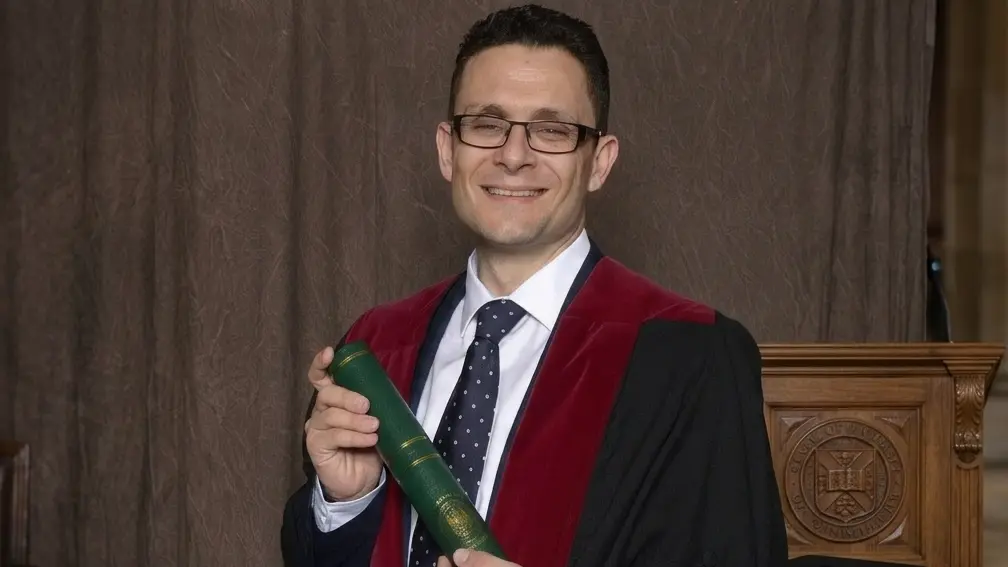
If you are looking for exceptional, highly personalized endocrine care in the region, Dr. Ali Aldibbiat offers a unique blend of world-class expertise and compassionate clinical care. As a highly respected specialist, he has dedicated his career to helping patients successfully navigate complex metabolic and hormonal disorders.
Dr. Ali Aldibbiat brings extensive clinical experience and international training to his practice, allowing him to diagnose and treat even the most challenging thyroid conditions. He focuses on treating the whole person, looking beyond lab results to understand how your symptoms impact your daily life. By combining advanced diagnostic tools with customized, evidence-based therapies, he creates effective treatment plans tailored to each patient’s unique health goals.
To learn more about his approach to patient care, explore available treatments, or schedule a comprehensive initial consultation, you can visit the official Dr Ali Aldibbiat website. Taking this step ensures your metabolic health is guided by an expert committed to helping you regain your vitality and balance.
FAQs About Thyroid Specialist Doctor
What is a thyroid specialist called?
A medical doctor who specializes in diagnosing and treating hormonal imbalances, including all disorders of the thyroid gland, is called an endocrinologist. These physicians complete advanced fellowships focused specifically on the endocrine system.
Which specialist is best for thyroid?
A board-certified endocrinologist is the most qualified specialist to manage thyroid health. They possess the specific expertise required to interpret complex hormone panels, manage delicate medication dosages, and coordinate long-term care plans.
What are warning signs of thyroid?
Common warning signs include persistent, unexplained fatigue, sudden weight gain or loss that does not match your diet, feeling unusually cold or hot compared to others, noticeable hair thinning, mood shifts like anxiety or depression, and a visible swelling at the base of the neck.
Can an ENT doctor treat thyroid?
An Ear, Nose, and Throat (ENT) doctor is a surgeon who specializes in structural procedures, including thyroidectomies (the surgical removal of thyroid tissue). While they treat structural issues like large goiters or tumors, medical management of hormone levels is typically handled by an endocrinologist.
Final Thoughts
Your metabolic health influences nearly every aspect of your daily life, from your baseline physical energy to your emotional well-being. Leaving a thyroid imbalance unmanaged can cloud your days with chronic fatigue, unexplained weight issues, and unnecessary frustration. Fortunately, you do not have to navigate these health challenges on your own.
Partnering with an experienced specialist gives you access to the precise testing, advanced treatments, and ongoing support needed to restore your health. If you are ready to address your symptoms and find lasting balance, consider reaching out to Dr. Ali Aldibbiat before exploring the frequently asked questions below. Taking this step puts your wellness in the hands of a dedicated professional ready to help you feel like yourself again.