

Diabetic neuropathy UAE: A Comprehensive Patient Guide
Authored by Dr. Ali Aldibbiat, a Consultant Endocrinologist in Dubai, this guide offers expert insights into managing and treating diabetic neuropathy, reflecting his deep experience in metabolic and hormonal health in the UAE.
Diabetic neuropathy UAE affects a significant number of individuals, presenting unique challenges for patients. This guide provides an in-depth look at nerve damage caused by diabetes, covering symptoms, causes, and the most effective treatment strategies available across the Emirates. Understanding this condition is crucial for proactive management and improving quality of life.
What is Diabetic Neuropathy and How Common is it in the UAE?
Diabetic neuropathy is a type of nerve damage that can occur if you have diabetes. High blood sugar (glucose) can injure nerve fibers throughout your body, though it most often affects the nerves in your legs and feet. This condition is a significant concern for many individuals living with diabetes.
In the UAE, the prevalence of diabetes is notably high, impacting 15-20% of the adult population. Alarmingly, up to 70% of individuals with diabetes in the UAE may develop some form of diabetic neuropathy. This makes understanding and managing Diabetic neuropathy UAE a critical aspect of healthcare.
Types of Diabetic Neuropathy: Understanding Your Condition
Diabetic neuropathy can manifest in several forms, each affecting different parts of the body and presenting distinct symptoms. Recognizing the specific type can help guide appropriate diagnosis and treatment strategies.
Peripheral Neuropathy: Numbness in Feet Diabetes Causes
This is the most common type, primarily affecting the feet and legs, and sometimes the hands and arms. It often leads to diabetic foot symptoms such as numbness, tingling, burning, or sharp pain. Many patients experience a loss of sensation, making them vulnerable to injuries and infections. The sensation of numbness in feet diabetes causes is a hallmark symptom of peripheral neuropathy, indicating nerve damage that requires careful attention and management.
- Burning, tingling, or shooting pain, often worse at night.
- Numbness or reduced ability to feel pain or temperature changes.
- Loss of balance and coordination.
- Muscle weakness, particularly in the feet.
Autonomic Neuropathy: Impacting Internal Organs
This type affects the nerves that control internal organs, leading to problems with digestion, bowel and bladder function, blood pressure, and even sexual response. It can also impact the eyes and the body’s ability to regulate temperature.
- Digestive issues like nausea, vomiting, constipation, or diarrhea.
- Difficulty emptying the bladder completely, increasing infection risk.
- Dizziness or lightheadedness when standing due to blood pressure drops.
- Erectile dysfunction in men and vaginal dryness in women.
- Reduced awareness of low blood sugar (hypoglycemia unawareness).
Proximal Neuropathy (Diabetic Amyotrophy)
This rare and disabling form of neuropathy affects nerves in the thighs, hips, buttocks, or legs. It typically occurs on one side of the body and can cause severe pain and muscle weakness, making it difficult to stand up from a sitting position.
- Sudden, severe pain in the hip, thigh, or buttock.
- Weak thigh muscles, leading to difficulty walking.
- Shrinking thigh muscles (atrophy).
Focal Neuropathy (Mononeuropathy): Sudden Weakness
Focal neuropathy involves damage to a specific nerve, often appearing suddenly. It can affect nerves in the face, torso, or leg, leading to sudden weakness or pain in the affected area. This is less common but can be quite disruptive.
- Sudden pain in the chest, stomach, or side.
- Double vision or difficulty focusing.
- Paralysis on one side of the face (Bell’s palsy).
- Pain in the front of the thigh or knee.
What Causes Diabetic Neuropathy and What are the Risk Factors in the UAE?
The primary cause of Diabetic neuropathy UAE is prolonged exposure to high blood sugar levels. However, several other factors can increase your risk of developing this condition, with some being particularly relevant in the UAE.
- Chronic High Blood Sugar (Hyperglycemia): Uncontrolled blood glucose damages the delicate walls of the tiny blood vessels that supply nerves with oxygen and nutrients. This chronic hyperglycemia explains why tight diabetes management in Dubai is so vital[8].
- Duration of Diabetes: The longer you have diabetes, especially if blood sugar is poorly controlled, the higher your risk.
- Genetic Predisposition: Family history can play a role in susceptibility to nerve damage from diabetes.
- Lifestyle Factors: Obesity, smoking, and excessive alcohol consumption can exacerbate nerve damage.
- Specific UAE Research Findings: Studies in the UAE have highlighted unique risk factors. For instance, Vitamin D deficiency is significantly associated with diabetic neuropathy in Emirati patients. Additionally, certain populations like security personnel in the UAE have shown a higher prevalence, possibly due to lifestyle or occupational factors[9].
What are the first signs of diabetic neuropathy I should look out for?
The earliest signs often include tingling, numbness, or a burning sensation, especially in your toes and feet. You might also notice increased sensitivity to touch or a dull ache. These symptoms can be subtle initially but tend to worsen over time, making early detection crucial.
Diagnosis of Diabetic Neuropathy in the UAE
Early and accurate diagnosis of Diabetic neuropathy UAE is vital for preventing its progression and managing symptoms effectively. Medical professionals in the UAE employ a range of diagnostic tools to assess nerve function and overall health.
- Physical Examination: A thorough physical exam, including checking reflexes, muscle strength, and sensation in the feet and legs, is the first step.
- Neurological Tests:
- Nerve Conduction Studies (NCS): Measure how quickly electrical signals travel through your nerves.
- Electromyography (EMG): Assesses the electrical activity of muscles in response to nerve stimulation.
- Blood Tests: Beyond routine diabetes monitoring (HbA1c), blood tests may include checking Vitamin D levels, especially for Emirati patients, given the identified link to neuropathy[7].
- Foot Examinations: Regular, detailed foot examinations are critical for identifying early signs of nerve damage and preventing serious complications.
Comprehensive Treatment Options for Diabetic Neuropathy in the UAE
Managing Diabetic neuropathy UAE requires a multifaceted approach, focusing on controlling blood sugar, alleviating pain, and preventing further nerve damage. The UAE offers a broad spectrum of treatment options, from conventional medications to advanced therapies.
Blood Sugar Management: The Foundation of Care for Diabetic Neuropathy UAE
The cornerstone of treating and preventing diabetic neuropathy is achieving and maintaining optimal blood sugar levels. This involves consistent monitoring, adherence to medication or insulin regimens, and dietary control. Effective diabetes management can halt the progression of nerve damage and, in some cases, improve symptoms.
Medication for Diabetic Nerve Pain Treatment Dubai
Several classes of medications are used to manage the pain associated with diabetic neuropathy:
- Antidepressants: Certain antidepressants, such as duloxetine and amitriptyline, can help relieve chronic pain by affecting chemical messengers in the brain and spinal cord that transmit pain signals.
- Anticonvulsants: Medications like pregabalin and gabapentin, originally developed for epilepsy, are highly effective in reducing nerve pain.
- Topical Creams: Capsaicin cream, derived from chili peppers, can desensitize nerve endings and provide localized pain relief.
- Other Pain Relievers: Over-the-counter options like ibuprofen or acetaminophen may offer relief for mild pain, but should be used cautiously and under medical guidance.
Advanced Therapies in the UAE for Persistent Pain
For individuals with severe or intractable pain from Diabetic neuropathy UAE, several advanced therapies are available in specialized clinics across the Emirates, including facilities like Cleveland Clinic Abu Dhabi:
- Neuromodulation: Techniques such as Spinal Cord Stimulation (SCS) and Dorsal Root Ganglion (DRG) Stimulation involve implanting devices that deliver mild electrical pulses to nerves, blocking pain signals before they reach the brain.
- Nerve Block Injections: These injections deliver anesthetic and steroid medications directly to specific nerves to reduce pain and inflammation[9].
- Transcutaneous Electrical Nerve Stimulation (TENS): TENS therapy uses low-voltage electrical current to relieve pain. Electrodes placed on the skin deliver electrical impulses that can block pain signals and stimulate endorphin production[9].
- Stem Cell Treatment: While still an evolving field, clinics like R3 Stem Cell in Dubai offer regenerative therapies that aim to repair damaged tissue and nerves. Patients should discuss the evidence and potential outcomes thoroughly with their physician before considering such treatments.
Lifestyle Modifications: Empowering Your Health
Lifestyle changes are crucial for both preventing and managing diabetic neuropathy:
- Diet and Exercise: A balanced diet and regular physical activity are fundamental for blood sugar control and overall health.
- Smoking Cessation and Alcohol Moderation: Both smoking and excessive alcohol can worsen nerve damage. Quitting smoking and limiting alcohol intake are vital steps.
- Weight Management: Maintaining a healthy weight reduces stress on the body and can improve blood glucose control.
Physical Therapy and Rehabilitation: Regaining Function
Physical therapy can significantly improve strength, balance, and coordination, which are often affected by neuropathy. A physical therapist can design a personalized exercise program to help maintain mobility and reduce the risk of falls[9].
Recent Advancements in Diabetic Neuropathy Treatment and Management (2026-07-23)
As of 2026-07-23, the landscape for managing Diabetic neuropathy UAE continues to evolve, with increasing emphasis on personalized care and advanced pain management techniques. While the core principles of tight glycemic control remain paramount, newer research focuses on early detection and comprehensive multidisciplinary approaches. The understanding of specific risk factors, like Vitamin D deficiency among Emirati patients, has led to more targeted screening and supplementation strategies, aiming to mitigate potential nerve damage pathways.
Furthermore, the availability and refinement of neuromodulation techniques such as Spinal Cord Stimulation and DRG Stimulation in leading UAE medical centers offer enhanced options for patients with refractory neuropathic pain, moving beyond older, less comprehensive pain management strategies. These advancements underscore the UAE’s commitment to providing cutting-edge care for complex diabetes complications long term UAE.
Prevention Strategies for Diabetes Complications Long Term UAE
Preventing diabetic neuropathy and other severe diabetes complications long term UAE is paramount. Proactive measures can significantly reduce your risk and improve your quality of life, safeguarding against issues like diabetic retinopathy screening UAE and diabetic nephropathy kidney disease UAE.
Diabetic Retinopathy Screening UAE: Protecting Your Vision
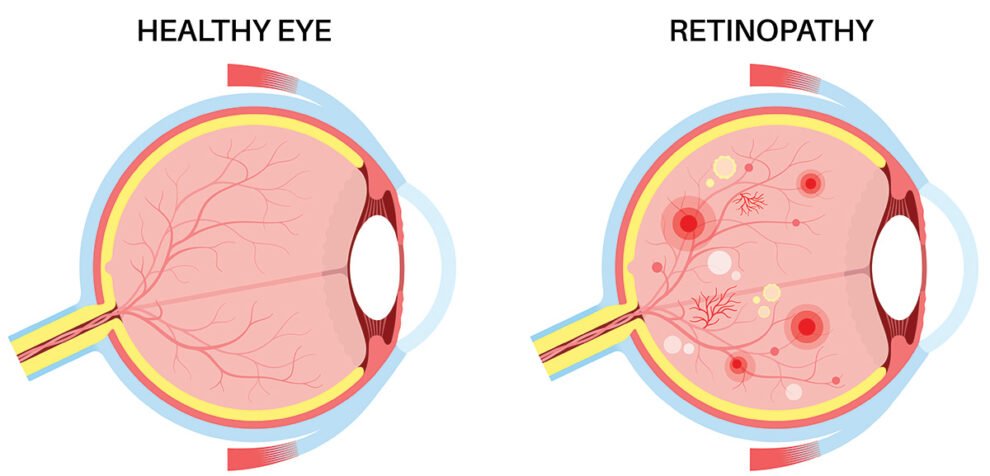
Regular eye examinations, including diabetic retinopathy screening UAE, are crucial for individuals with diabetes. Diabetic retinopathy is a serious eye condition that can lead to vision loss if not detected and treated early. Annual screenings allow ophthalmologists to monitor changes in the blood vessels of the retina and intervene before significant damage occurs. This proactive approach is a key component of preventing long-term diabetes complications.
Diabetic Nephropathy Kidney Disease UAE: Safeguarding Kidney Health
Diabetes is a leading cause of kidney disease, and managing diabetic nephropathy kidney disease UAE is vital for overall health. Regular monitoring of kidney function through blood and urine tests is essential. Early detection of protein in the urine (albuminuria) allows for interventions, such as blood pressure control and specific medications, to slow the progression of kidney damage. Protecting your kidneys is a critical aspect of preventing severe long-term complications of diabetes.
- Maintaining Healthy Blood Sugar Levels: This is the most crucial step. Work closely with your endocrinologist to keep your HbA1c, fasting, and post-meal blood glucose levels within target ranges.
- Regular Foot Care and Inspections:
- Wash your feet daily with lukewarm water and mild soap.
- Dry them thoroughly, especially between the toes.
- Inspect your feet daily for cuts, blisters, redness, swelling, or nail problems.
- Moisturize your feet to prevent dry, cracked skin, but avoid applying lotion between your toes.
- Trim toenails carefully, straight across, to prevent ingrown nails.
- Healthy Lifestyle Choices:
- Adopt a balanced diet rich in fruits, vegetables, and whole grains.
- Engage in regular physical activity, as recommended by your doctor.
- Avoid smoking and limit alcohol intake.
- Manage blood pressure and cholesterol levels.
How often should I check my feet if I have diabetes in Dubai?
If you have diabetes, you should inspect your feet daily. This routine is critical for detecting any small cuts, blisters, or changes that could lead to serious complications, especially if you have reduced sensation due to neuropathy. Regular professional foot exams by a podiatrist are also essential.
Living with Diabetic Neuropathy: Practical Advice and Self-Care
Living with Diabetic neuropathy UAE requires diligent self-care and a proactive approach to managing your health. Embracing specific routines can help alleviate symptoms and prevent further complications.
Daily Diabetic Foot Care UAE Routine
A consistent daily foot care routine is your best defense against serious complications:
- Wash your feet gently with lukewarm water every day.
- Dry your feet thoroughly, paying attention to the areas between your toes.
- Inspect your feet daily for any cuts, sores, blisters, redness, or swelling. Use a mirror or ask for help if you have difficulty seeing the bottom of your feet.
- Moisturize your feet to prevent dry, cracked skin, but avoid applying cream between your toes to prevent fungal infections.
- Trim toenails straight across and file any sharp edges.
Choosing Appropriate Footwear
Proper footwear is crucial for protecting your feet:
- Always wear shoes and socks, even indoors, to protect your feet from injury.
- Choose comfortable, well-fitting shoes that provide good support and have enough room for your toes.
- Consider specialized diabetic socks, which are typically seamless, non-binding, and moisture-wicking to prevent friction and promote circulation. Sites like Ubuy.ae offer a range of such products.
Managing Pain at Home
Beyond prescribed medications, some home strategies can help:
- Over-the-counter pain relievers (use as directed by your doctor).
- Topical pain creams or patches (e.g., lidocaine patches).
- Warm baths (check water temperature carefully to avoid burns).
- Relaxation techniques and stress reduction.
Coping Strategies and Support Groups
Living with chronic pain can be challenging. Connecting with others who understand your experience can be invaluable. Seek out local support groups or online communities for shared advice and emotional support. A strong support network is part of comprehensive care at The Diabetes And Endocrine Center.
Finding a Specialist for Best Neurologist for Diabetic Neuropathy Dubai
If you are experiencing symptoms of Diabetic neuropathy UAE, finding the right specialists is crucial. A multidisciplinary team approach often yields the best outcomes.
- Endocrinologists: Specialists in diabetes management, like Dr. Ali Aldibbiat, are central to optimizing blood sugar control.
- Neurologists: For diagnosing and managing nerve damage, a neurologist is essential. They can conduct specialized tests and recommend nerve-specific treatments.
- Podiatrists: Foot and ankle specialists are vital for preventing and treating foot complications. Many clinics, such as Foot and Ankle Clinic in Dubai, specialize in diabetic foot care.
- Pain Management Specialists: These doctors specialize in advanced pain relief techniques, including injections and neuromodulation.
When choosing a clinic or doctor in Dubai or Abu Dhabi, look for those with a strong focus on diabetes care and a multidisciplinary team. Check for their experience with peripheral neuropathy treatment UAE and patient testimonials.
Frequently Asked Questions About Diabetic neuropathy UAE
Can diabetic neuropathy be reversed?
While severe nerve damage is often irreversible, early diagnosis and aggressive blood sugar control can halt progression and, in some cases, improve symptoms. Lifestyle changes and targeted treatments are crucial for managing the condition and preventing further deterioration.
What is the best treatment for diabetic nerve pain?
The best treatment for diabetic nerve pain often involves a combination of approaches. This typically includes strict blood sugar management, specific medications like anticonvulsants or antidepressants, and potentially advanced therapies such as neuromodulation for severe cases. A personalized plan is key.
How quickly does diabetic neuropathy progress?
The progression rate of diabetic neuropathy varies greatly among individuals. It often develops gradually over years of uncontrolled high blood sugar. However, some forms, like focal neuropathy, can appear suddenly. Regular monitoring and proactive management are essential to slow progression.
Does Vitamin D help with diabetic neuropathy?
Research in the UAE has shown a significant association between Vitamin D deficiency and diabetic neuropathy in Emirati patients[7]. While Vitamin D supplementation may not reverse existing damage, addressing deficiencies could play a supportive role in nerve health and overall diabetes management.
What are the long-term effects of untreated diabetic neuropathy?
Untreated diabetic neuropathy can lead to severe long-term complications. These include foot ulcers, infections, Charcot joint, amputations, and significant impacts on internal organ function (e.g., heart rate, digestion, bladder control). Early and consistent management is critical to prevent these serious outcomes.
Resources and Further Reading
- Cleveland Clinic Abu Dhabi: Information on pain management therapies.
- NIH.gov (National Institute of Diabetes and Digestive and Kidney Diseases): Comprehensive overview of diabetic neuropathy.
- F1000Research: Research on Vitamin D deficiency and diabetic neuropathy in Emirati patients.
- Frontiers in Neurology: Article on the prevalence of diabetic neuropathy.
Conclusion
Diabetic neuropathy UAE is a prevalent and serious complication of diabetes, but with a comprehensive understanding and proactive management, its impact can be significantly mitigated. From rigorous blood sugar control to advanced pain therapies and diligent self-care, a range of effective strategies is available to help patients in the Emirates manage this condition and maintain their quality of life. Regular consultation with specialists is key to navigating the challenges of diabetic neuropathy.
Ready to Take the Next Step?
If you are a patient in Dubai or the UAE seeking expert endocrinology, diabetes, or metabolic health care for diabetic neuropathy, don’t hesitate. Contact Dr. Ali Aldibbiat and his team today to discuss your condition and develop a personalized treatment plan.
External Links Used
- nih.gov: Provides general medical information on diabetic neuropathy.