


For those living with diabetes, foot health is not merely a matter of comfort. it is a critical pillar of overall well-being. Over time, elevated blood sugar levels can lead to a variety of complications that specifically target the lower extremities. Understanding diabetic foot symptoms early can be the difference between a minor treatment and a life-altering complication.
In the bustling healthcare landscape of Dubai, where lifestyle and climate can impact metabolic health, being proactive about your feet is essential. Whether you are searching for early stage diabetes feet indicators or seeking advanced diabetic foot treatment, this guide provides the professional medical insight you need to protect your mobility.
What is a Diabetic Foot?
The term “diabetic foot” refers to a group of conditions resulting from long-term high blood glucose. Essentially, diabetes changes the way your body handles two vital systems: your nerves and your blood circulation.
When these systems are compromised, the feet, which are furthest from the heart and subject to the most daily pressure, become vulnerable. A “diabetic foot” isn’t just one single problem; it is a clinical state where the skin, nerves, and bones of the foot are at risk of injury and infection that the body cannot heal on its own.
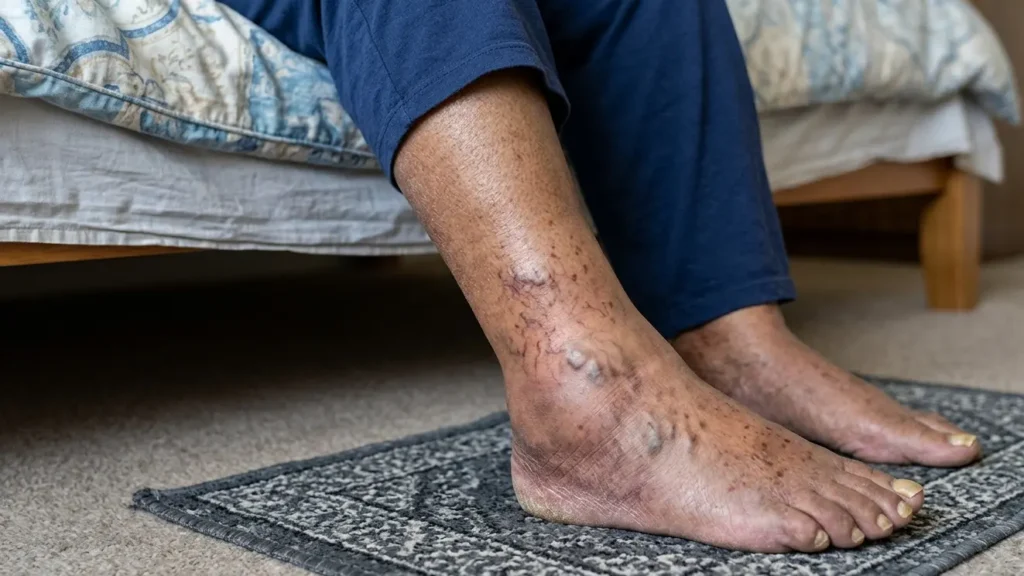
Types of Diabetes-Related Foot Conditions
Diabetes doesn’t just cause one type of foot issue. Depending on how the disease progresses, patients may experience:
- Diabetic Neuropathy: This is nerve damage. It can lead to diabetic neuropathy symptoms like tingling or, more dangerously, a complete loss of feeling.
- Peripheral Artery Disease (PAD): This affects blood flow. Without rich, oxygenated blood, even a small scratch can struggle to heal.
- Charcot’s Foot: A serious condition where the bones in the foot weaken and shift, often leading to a change in the foot’s shape.
- Diabetic Ulcers: Open sores that typically form on the bottom of the foot.
- Infections: Because of poor blood flow and high sugar (which bacteria love), minor cuts can quickly turn into gangrene.
Understanding Diabetic Foot Causes
To manage diabetic foot symptoms and treatment, one must understand the “why” behind the condition. The two primary diabetic foot causes are:
- Nerve Damage (Neuropathy): High blood sugar damages the delicate fibers of the nerves. When this happens in the feet, you may lose the ability to feel heat, cold, or pain. If you step on a small stone or develop a blister from tight shoes, you might not feel it. The injury remains untreated, worsens, and becomes infected.
- Poor Circulation: Diabetes causes blood vessels to narrow and harden. This reduced blood flow makes it incredibly difficult for the body to send “repair teams” (white blood cells and nutrients) to the feet to heal wounds.

What are the Risk Factors?
While anyone with Type 1 or Type 2 diabetes can develop foot problems, certain factors in the Dubai population increase the risk:
- Duration of Diabetes: The longer you have lived with the condition, the higher the risk.
- Uncontrolled Blood Sugar: Frequent “spikes” accelerate nerve and vessel damage.
- Smoking: Smoking further restricts blood flow to the extremities.
- Foot Deformities: Bunions or hammertoes create pressure points that lead to ulcers.
- Inappropriate Footwear: In high-heat environments like the UAE, wearing sandals without support or shoes that don’t breathe can exacerbate skin breakdown.
What are the Symptoms? Recognizing the Signs Early
Early detection is your best defense. Knowing the diabetic foot symptoms and signs allows you to intervene before a small issue becomes a medical emergency.
Early Stage Diabetes Feet
In the beginning, the signs might be subtle. You might notice:
- Changes in skin color (redness or darkening).
- Changes in skin temperature (feet feeling unusually hot or cold).
- Swelling in the foot or ankle.
Woman Early Signs of Diabetic Feet
Women may sometimes notice these symptoms alongside other hormonal changes, but specific indicators include:
- Dry, cracked skin around the heels.
- Persistent fungal infections (athlete’s foot) that do not respond to over-the-counter creams.
- Thickened, yellowed toenails.
Diabetic Foot Pain Symptoms
While “numbness” is common, many patients suffer from diabetic foot pain symptoms, which can feel like:
- Burning, stabbing, or shooting pains (often worse at night).
- Extreme sensitivity to even the light touch of a bedsheet.
- A “pins and needles” sensation.
Signs of Serious Complications
- Drainage on socks: Finding fluid or blood in your socks is a major red flag for an ulcer.
- Foul Odor: This often indicates an active infection.
- Loss of Feeling: If you can’t feel a pinprick on your toe, your neuropathy has progressed.
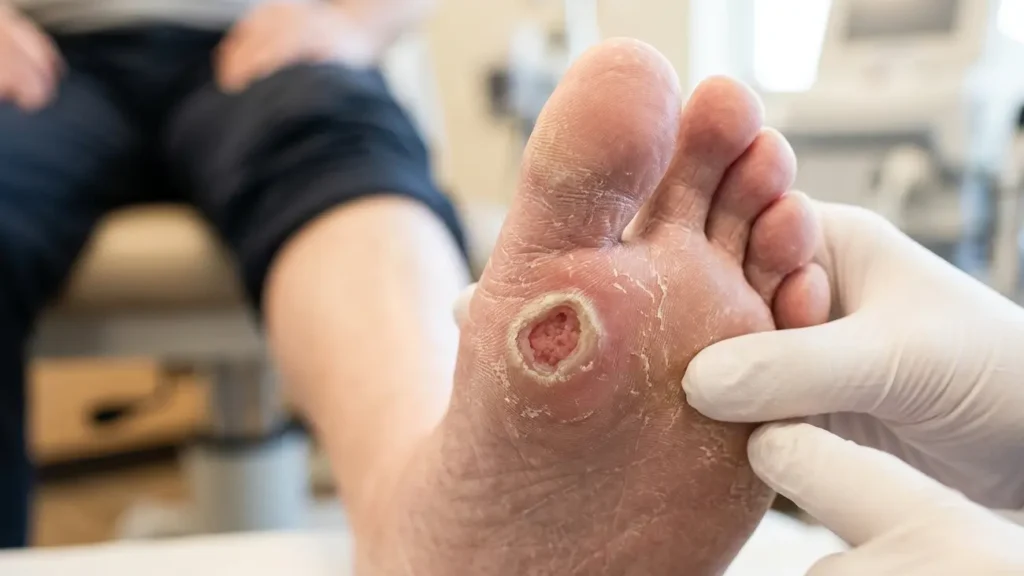
Diabetic Foot Treatment Options
The approach to diabetic foot treatment is always multidisciplinary. It focuses on two goals: healing current wounds and preventing new ones.
Medical and Surgical Treatments
- Debridement: A doctor removes dead or infected tissue from a wound to promote healing.
- Off-loading: Using special shoes, casts, or braces to take pressure off an ulcerated area.
- Revascularization: Procedures to improve blood flow to the feet.
- Antibiotics: To clear up underlying infections.
Diabetic Foot Pain Home Remedies
While you should never treat an open wound at home, you can manage minor diabetic foot pain symptoms by:
- Gentle Massage: To stimulate circulation (if skin is intact).
- Warm (Not Hot) Foot Soaks: Be extremely careful to test the water temperature with your elbow first, as neuropathy might prevent you from feeling a burn.
- Proper Moisture: Applying lotion to the tops and bottoms of feet (but never between the toes) to prevent cracking.
Tips for Healthy Feet: A Daily Checklist
Preventing diabetic foot symptoms starts with a daily routine. For residents in the UAE, these habits are essential:
- The Mirror Test: Every night, check the bottoms of your feet using a mirror. Look for redness, blisters, or cuts.
- Wash and Dry: Wash your feet daily with mild soap. Most importantly, dry thoroughly between the toes to prevent fungal growth.
- Never Go Barefoot: Not even at home. A small prick from a rug fiber or a dropped object can lead to a serious infection.
- Choose the Right Socks: Wear moisture-wicking socks that aren’t too tight around the ankles.
- Manage Your Sugar: The best “treatment” for your feet is a stable HbA1c level.

When to See Your Doctor
In the context of diabetes, there is no such thing as a “small” foot problem. You should seek professional help immediately if you notice:
- An ingrown toenail.
- A blister or cut that hasn’t started healing within 24 hours.
- Any blackening of the skin.
- A fever or chills accompanying a foot sore.
Expert Care in Dubai: Dr. Ali Aldibbiat
When dealing with complex endocrine complications like diabetic foot symptoms, the quality of specialist care determines your long-term outcome. Dr. Ali Aldibbiat is a premier choice for patients in Dubai and Sharjah seeking to manage and heal diabetes-related conditions.
With a deep understanding of metabolic health and a patient-centered approach, Dr. Ali Aldibbiat provides the comprehensive diagnostics and advanced diabetic foot treatment strategies necessary to keep you mobile and healthy. Don’t wait for pain to become a problem. Expert intervention is your strongest tool for prevention.
FAQs about diabetic foot symptoms
What are the symptoms of diabetes in the feet?
The most common symptoms include numbness or tingling (neuropathy), persistent sores or ulcers that won’t heal, changes in skin color, and coldness in the feet due to poor circulation.
How to fix diabetic feet?
“Fixing” diabetic feet involves a combination of strict blood sugar control, professional wound care (debridement), using orthotic footwear to reduce pressure, and sometimes surgery to improve blood flow.
How to check your feet for diabetes?
Perform a daily visual inspection for cuts, swelling, or blisters. Use the “monofilament test” during doctor visits, where a specialist like Dr. Ali Aldibbiat checks your ability to feel a thin fiber on various points of your foot.
Final words about diabetic foot symptoms
Managing diabetic foot symptoms is a lifelong commitment to vigilance. By understanding the early signs from the subtle sting of diabetic neuropathy symptoms to the appearance of early stage diabetes feet, you can take control of your health before complications arise.
For those in Dubai seeking the highest level of expertise, Dr. Ali Aldibbiat offers a path toward healing and long-term metabolic stability. Remember, your feet carry you through life; give them the specialized care they deserve.