
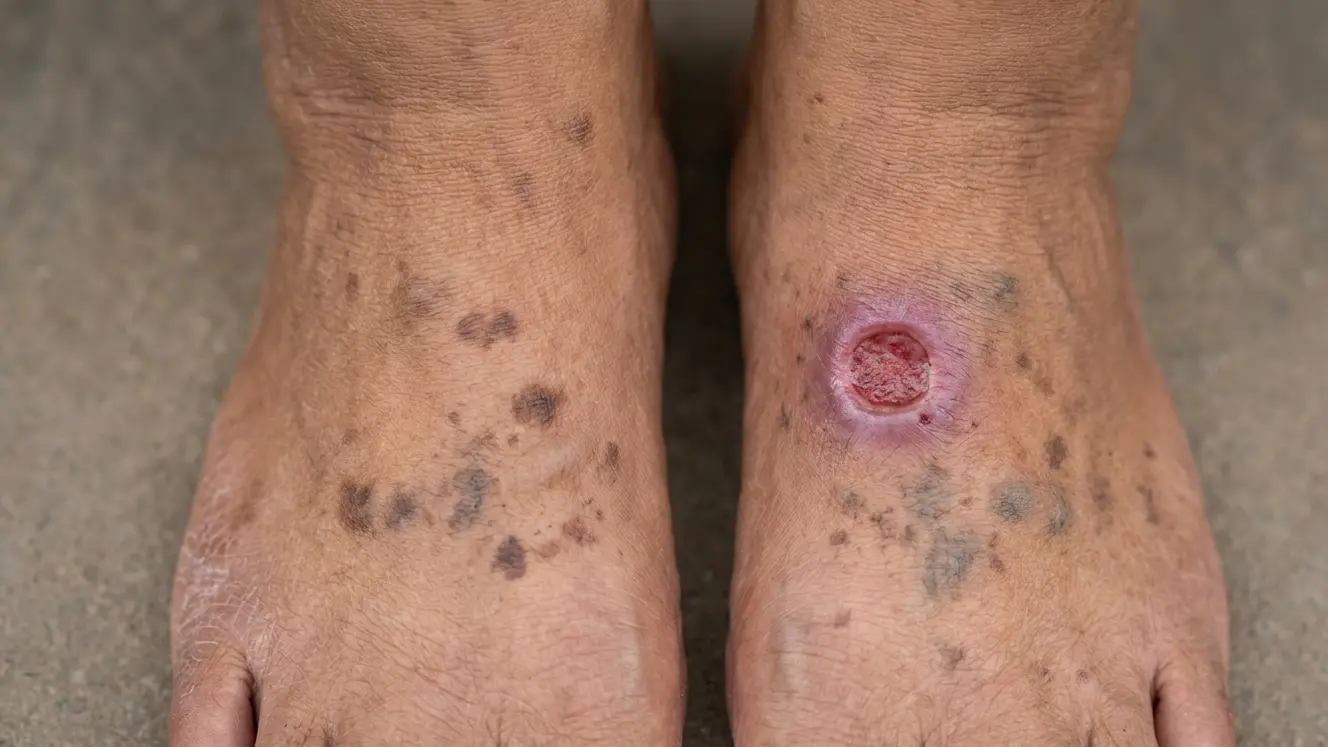
For many living with diabetes in Dubai, the feet are often the most overlooked part of daily health management. Yet, a small red spot or a persistent callus can quickly evolve into an early stage diabetic foot ulcer, a condition that requires immediate and expert attention to avoid life-altering complications.
Understanding the subtle signs of a stage 1 ulcer is the first step toward recovery. Whether you’ve noticed a change on your heel, toe, or the top of your foot, early intervention is the “gold standard” for saving the limb. This guide will walk you through everything you need to know about identifying and treating these wounds, and why seeking specialized care from an expert like Dr. Ali Aldibbiat is the best decision for your long-term health.
What Is a Diabetic Foot Ulcer?
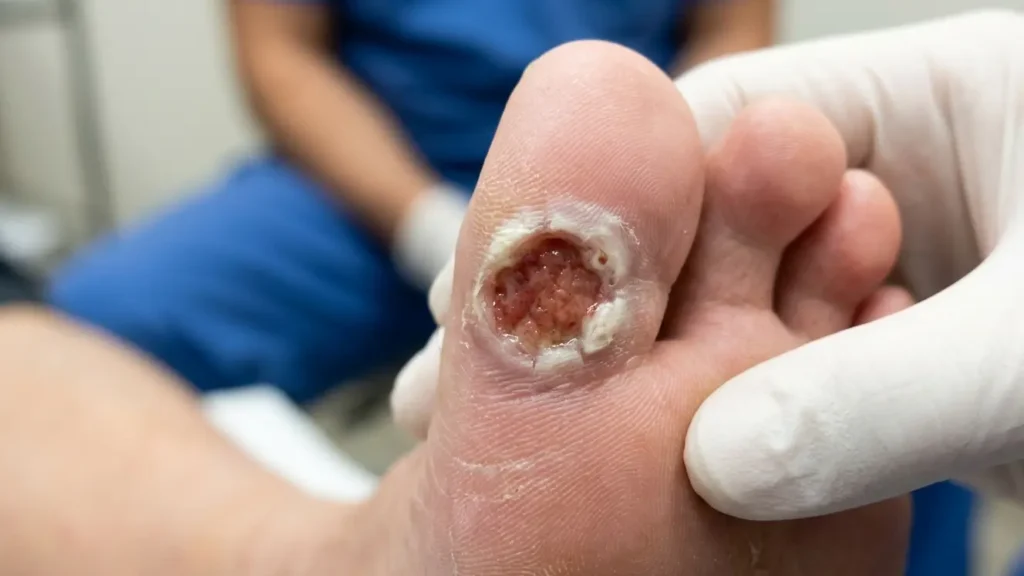
A diabetic foot ulcer (DFU) is an open sore or wound that occurs in approximately 15% to 25% of people with diabetes. These ulcers typically develop on the bottom of the foot, particularly under the big toe or the ball of the foot, but an early stage diabetic foot ulcer on heel or early stage diabetic foot ulcer on toe is also common.
While they may start as minor skin irritations, their inability to heal properly due to diabetes makes them a significant medical concern. If left untreated, they can penetrate deep into the tissue, leading to infections that may eventually reach the bone.
What Causes Diabetic Foot Ulcers to Form?
The formation of a foot ulcer is rarely the result of a single event. Instead, it is usually a “perfect storm” of three primary factors:
- Peripheral Neuropathy (Nerve Damage):
High blood sugar over many years damages the nerves in the feet. This means you might step on a sharp object or develop a blister from tight shoes and not feel a thing. This “loss of protective sensation” allows an early diabetic foot ulcer to form unnoticed. - Peripheral Arterial Disease (Poor Circulation):
Diabetes can narrow the blood vessels, reducing the oxygen and nutrients that reach your feet. Without adequate blood flow, the body cannot repair even minor skin breaks. - Foot Deformities and Pressure:
Conditions like bunions, hammertoes, or even thick calluses create “high-pressure zones.” When you walk, these areas experience constant friction, eventually causing the skin to break down into an early stage diabetic foot ulcer on top foot or sole.
Read also about home diabetes test: normal ranges & how to do it with Dr Ali.
Why Foot Ulcers Are a Serious Diabetes Complication
You might wonder, “Can you die from diabetic foot ulcer?” While the ulcer itself isn’t usually fatal, the complications arising from it are extremely serious.
Statistics show that a significant percentage of non-traumatic lower-limb amputations are preceded by a foot ulcer. Furthermore, severe infections (sepsis) resulting from a neglected wound can be life-threatening. This is why residents in Dubai must treat every early stage diabetic foot ulcer symptoms as a medical priority. Early detection under the guidance of Dr. Ali Aldibbiat can reduce the risk of amputation by over 80%.
Understanding the Stages: What is a Stage 1 Diabetic Foot Ulcer?
The journey from healthy skin to a deep wound happens in stages. Identifying the foot ulcer healing stages and the progression of the wound is vital for treatment.
What is a Stage 1 Diabetic Foot Ulcer?
Stage 1 is often referred to as the “pre-ulcer” stage. At this point, the skin is still intact, but there is visible evidence of damage underneath. You might see:
- Persistent redness that doesn’t go away when pressure is removed.
- The skin feeling warmer than the surrounding area.
- Firmness or “mushiness” under the skin surface.
Stages of Diabetic Foot Ulcers (Wagner Grade)
To help doctors communicate the severity, the Wagner Scale is often used:
- Stage 0: High-risk foot with no open lesion (may have calluses or deformities).
- Stage 1: Superficial ulcer involving only the top layers of skin.
- Stage 2: Deep ulcer penetrating down to the ligament or muscle.
- Stage 3: Deep ulcer with cellulitis or abscess formation (often involves bone).
- Stage 4: Localized gangrene (usually in the toes or heel).
- Stage 5: Extensive gangrene involving the entire foot.

Identifying Early Stage Diabetic Foot Ulcer Symptoms
Early detection saves limbs. If you are monitoring your feet daily, look for these specific early stage diabetic foot ulcer symptoms:
- Skin Discoloration: Red, brown, or black spots on the skin.
- Swelling: New or localized swelling around a specific area of the foot.
- Drainage: Moisture or staining on your socks (this is a major red flag).
- Odor: An unusual smell coming from the feet, even after washing.
- Callus Formation: A “hemorrhagic callus” (a callus with a dark spot of blood inside it) is often a sign that an ulcer is forming underneath the thick skin.
Common Locations of ulcers on diabetic foot
- Early stage diabetic foot ulcer on toe: Often caused by friction between toes or tight toe boxes in shoes.
- Early stage diabetic foot ulcer on heel: Commonly caused by “shear” forces while walking or pressure while lying in bed.
Read also about type 1 vs type 2 diabetes: 5 key differences with Dr. Ali Dubai.
How to Treat an Early Foot Ulcer?
When it comes to early stage diabetic foot ulcer treatment, the goal is “offloading” and “debridement.”
1. Professional Debridement
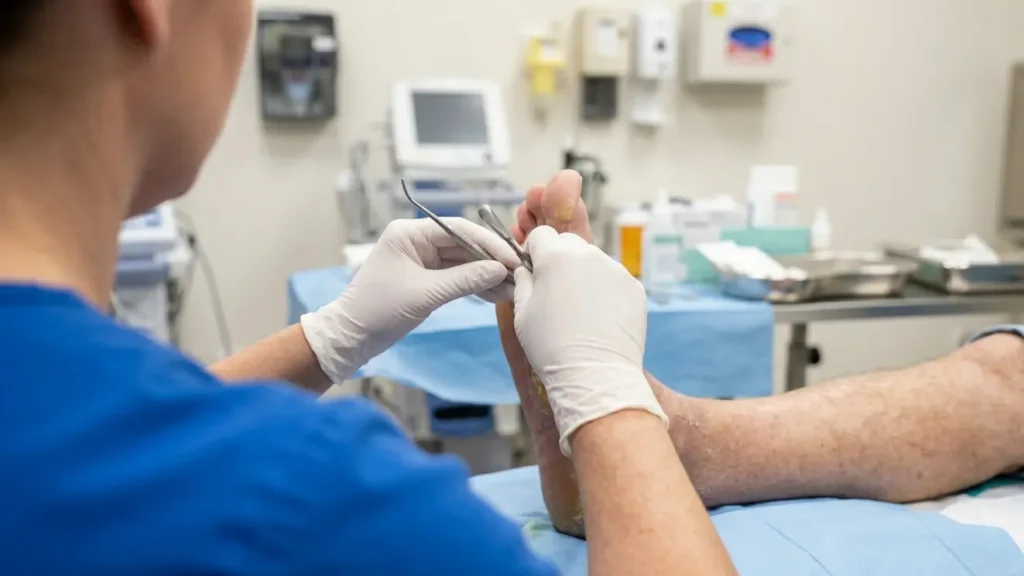
Never attempt to “bathroom surgery” on your own feet. A specialist like Dr. Ali Aldibbiat will carefully remove dead skin and infected tissue. This stimulates the body’s natural healing process and allows the doctor to see the true depth of the wound.
2. Offloading (Relieving Pressure)
If you continue to walk on an ulcer, it will never heal. Offloading involves using:
- Customized orthotics or diabetic shoes.
- Total Contact Casts (TCC).
- Removable boot walkers.
3. Advanced Wound Dressings
Modern medicine has moved beyond simple Band-Aids. Early stage diabetic foot ulcer treatment now includes silver-impregnated dressings, collagen dressings, and growth factor gels that maintain a moist (but not wet) environment conducive to cell growth.
How often should dressings be changed?
This depends on the “exudate” (drainage). For a standard early stage diabetic foot ulcer, dressings are typically changed daily or every other day. If the dressing becomes soaked, it must be changed immediately to prevent “maceration”, where the healthy skin around the wound becomes soggy and breaks down.
The Role of Blood Glucose and Circulation
Healing is an energy-intensive process. High blood sugar levels:
- Stiffen the arteries, slowing blood flow.
- Weaken the immune system’s ability to fight bacteria.
- Prevent white blood cells from reaching the wound site.
Optimizing your HbA1c is just as important as the bandage on your foot.
Distinguishing Between Neuropathic and Ischemic Ulcers
Not all ulcers are the same, and your treatment plan depends on the type.
| Feature | Neuropathic Ulcer | Ischemic Ulcer |
| Primary Cause | Nerve damage (Neuropathy) | Poor blood flow (PAD) |
| Location | Plantar surface (sole), under pressure points | Toes, heels, or edges of the foot |
| Pain Level | Usually painless | Often very painful |
| Appearance | Surrounded by a thick callus | "Punched out" look, pale or blue skin |
| Foot Temperature | Warm to the touch | Cold or cool to the touch |
Note!
Many patients have “Neuroischemic” ulcers, which are a combination of both and require the most intensive care.
How to Prevent Diabetic Foot Ulcers
Prevention is the ultimate cure. Here is how you can protect your feet in Dubai’s climate:
- The Mirror Test: Use a mirror to inspect the soles of your feet every single day. Look for diabetic leg ulcers early stages signs like redness or cracks.
- Never Walk Barefoot: Even inside your home, always wear supportive slippers or shoes to prevent accidental punctures.
- Proper Footwear: Ensure your shoes have a wide toe box and are not too tight. Dubai’s heat can cause feet to swell, so shop for shoes in the late afternoon.
- Moisturize (Carefully): Keep the skin supple to prevent cracking, but never put lotion between your toes, as this can lead to fungal infections.
- Manage Your Numbers: Keep your blood pressure, cholesterol, and blood sugar within target ranges.

When to Seek Expert Help: The Indicators of Worsening
If you are managing an early stage diabetic foot ulcer, watch for these signs that the condition is deteriorating:
- Increasing redness spreading away from the wound (cellulitis).
- Fever or chills.
- The wound turning black or very dark (necrosis/gangrene).
- Exposing bone or tendon within the wound.
Trust Your Foot Health to Dr. Ali Aldibbiat
In Dubai, managing diabetes requires a partner who understands the complexity of endocrine health. Dr. Ali Aldibbiat specializes in the comprehensive management of diabetic complications, including the early stage diabetic foot ulcer.
With a focus on empathetic care and the latest medical technologies, Dr. Ali Aldibbiat provides a clear pathway from diagnosis to full healing. Don’t wait for a small spot to become a big problem.
Contact Dr. Ali Aldibbiat today!
Schedule your comprehensive foot assessment and ensure your steps remain pain-free and healthy.
FAQs about early stage diabetic foot ulcer
What do diabetic ulcers look like when they first start?
In the beginning, they often look like a simple blister, a red patch of skin, or a persistent callus that won’t go away. You might also notice a “hot spot” on your foot where the skin feels warmer than elsewhere.
How serious is a diabetic foot ulcer?
Every foot ulcer is a medical emergency for a person with diabetes. Even a “non-diabetic foot ulcer” (caused by trauma in a healthy person) is less risky because their body can heal. For a diabetic, a small ulcer is the leading precursor to infection and potential amputation.
What is the fastest way to heal a diabetic ulcer?
The “fastest” way is a combination of three things: professional debridement to clean the wound, strict offloading (keeping all weight off the foot), and maintaining perfect blood sugar control.
Can a foot ulcer heal without surgery?
Yes. Most early stage diabetic foot ulcers heal with conservative management (dressings, offloading, and medication). Surgery is typically reserved for correcting bone deformities or removing infected bone.
Why does my ulcer smell?
An odor is usually a sign of a bacterial infection. If you notice a foul smell, even if the wound doesn’t hurt, you must see a specialist immediately.
Final words about early stage diabetic foot ulcer
Living with diabetes doesn’t have to mean living in fear of complications. By understanding the signs of an early stage diabetic foot ulcer, from a red spot on the heel to a blister on the toe, you take control of your health. Remember that early stage treatment is highly effective and can prevent the most severe outcomes.
For world-class care and personalized treatment plans in Dubai, Dr. Ali Aldibbiat is your dedicated partner in endocrine health. Whether you are seeking prevention tips or active wound care, Dr. Ali Aldibbiat offers the expertise needed to keep you moving forward.