What is Diabetes Mellitus?
Diabetes Mellitus is a group of metabolic diseases characterized by high blood sugar (glucose) levels over a prolonged period. To understand the diabetes type 1 and 2 difference, we must first look at the role of insulin.
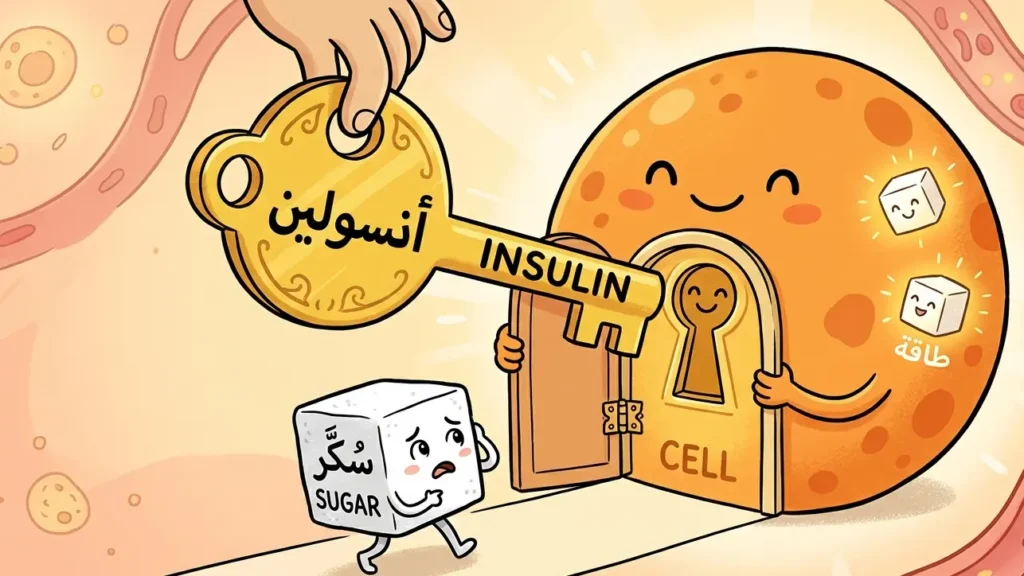
Insulin is a hormone produced by the pancreas that acts like a key, allowing glucose from the food you eat to enter your cells to be used for energy. In a person with diabetes, this process is disrupted. Either the pancreas does not produce enough insulin, or the body cannot effectively use the insulin it produces.
Chronic hyperglycemia (high blood sugar) can lead to serious damage to various body systems, especially the nerves and blood vessels. This is why distinguishing between the types is the first step toward a targeted treatment plan.
The Core Difference Between Type 1 and Type 2 Diabetes
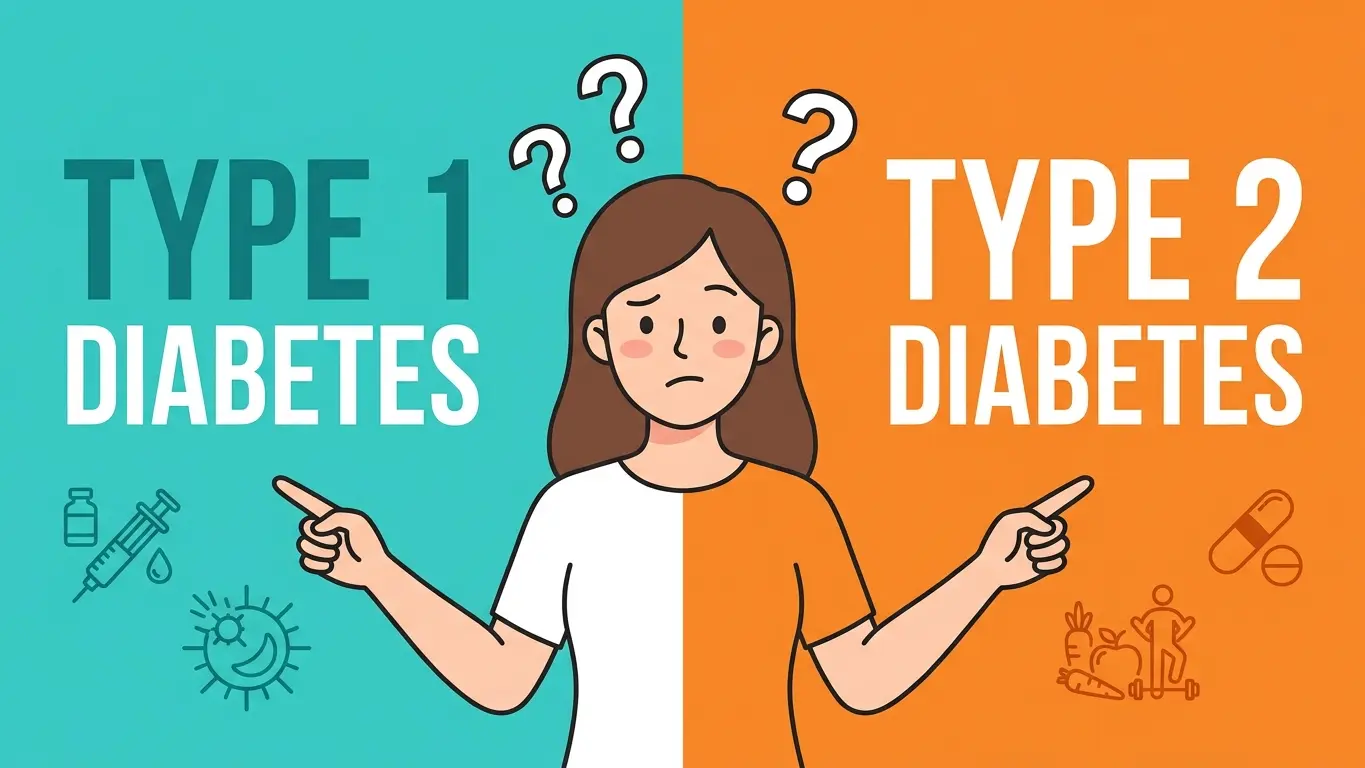
To truly grasp the difference between type 1 diabetes and type 2 diabetes, we must look at the “why” behind the high blood sugar.
Cause of Type 1 Diabetes: The Autoimmune Response
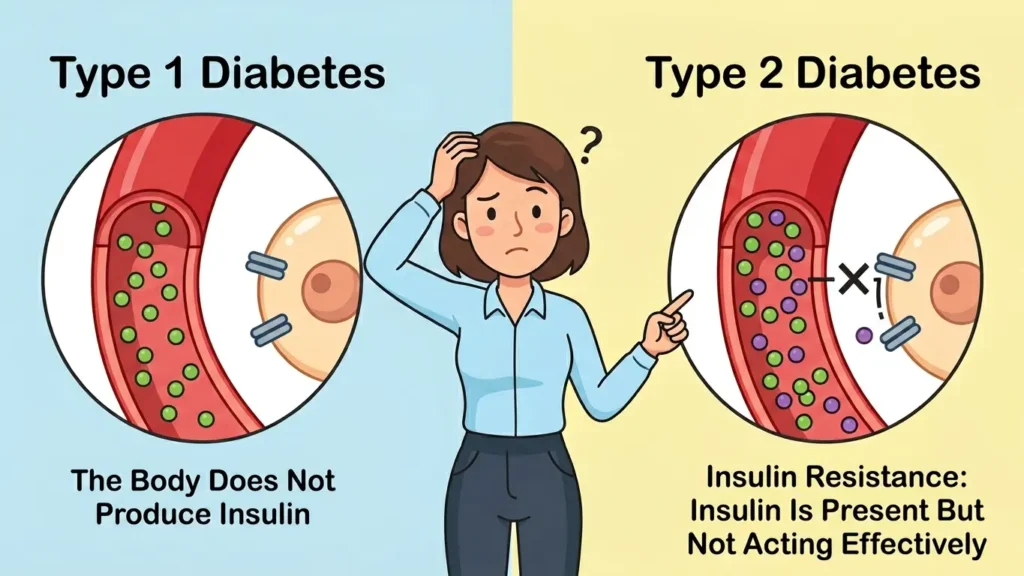
Type 1 diabetes is an autoimmune condition. The body’s immune system mistakenly attacks and destroys the insulin-producing beta cells in the pancreas. As a result, the body produces little to no insulin. This is why it is known as difference between type 1 and type 2 diabetes insulin dependent, those with Type 1 must take insulin every day to survive. It is typically diagnosed in children and young adults, though it can appear at any age.
Cause of Type 2 Diabetes: The Metabolic Challenge
Type 2 diabetes is primarily a condition of insulin resistance. The pancreas still produces insulin, but the body’s cells do not respond to it effectively. Over time, the pancreas struggles to keep up, and insulin production may eventually decrease. Type 2 is much more common, accounting for about 90-95% of all diabetes cases, and is closely linked to lifestyle factors, genetics, and obesity.
Type 1 vs Type 2 Diabetes Glucose Levels difference
While both involve high blood sugar, type 1 vs type 2 diabetes glucose levels can behave differently. Type 1 patients often experience rapid, dramatic swings in glucose (brittle diabetes) because they lack any internal “buffer” of insulin. Type 2 patients may experience more gradual climbs in glucose levels over many years.
Causes of Type 1 and Type 2 Diabetes
The underlying triggers for these conditions are distinct:
- Type 1 Causes: Scientists believe Type 1 is caused by a combination of genetic susceptibility and environmental triggers, such as a viral infection, that sets off the autoimmune attack. It is not caused by diet or lifestyle.
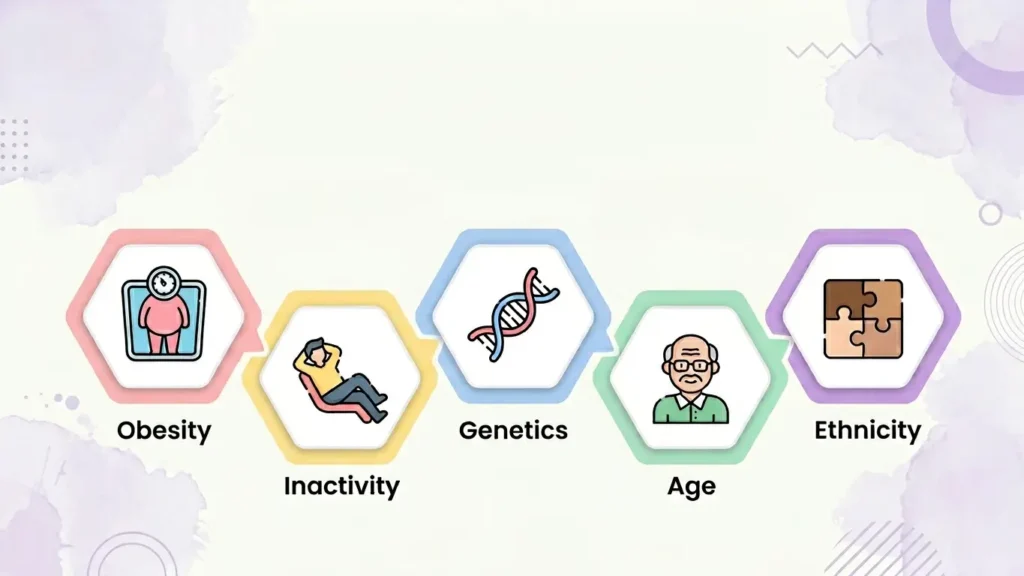
- Type 2 Causes: The primary drivers are insulin resistance and impaired insulin secretion. This is often triggered by excess body weight, physical inactivity, and a genetic predisposition to metabolic syndrome.
Risk Factors of Type 1 and Type 2 Diabetes
Understanding your risk can help in early detection and proactive management.
Risk Factors for Type 1
- Family History: Having a parent or sibling with Type 1 increases your risk.
- Genetics: Presence of certain HLA genes.
- Geography: Interestingly, the incidence of Type 1 increases the further you move away from the equator, though it remains prevalent globally.
- Age: While it can happen at any time, peaks occur in children between 4–7 and 10–14 years old.
Risk Factors for Type 2
- Weight: Being overweight or obese is a primary risk factor.
- Inactivity: Physical activity helps control weight and uses up glucose as energy.
- Ethnicity: Certain populations, including those of Middle Eastern descent, have a higher genetic predisposition.
- Age: Risk increases as you get older, particularly after age 45.
- Gestational Diabetes: If you developed diabetes during pregnancy, your risk of Type 2 increases later in life.
Diagnosis of Type 1 and Type 2 Diabetes
How to know type 1 and type 2 diabetes depends on clinical testing performed by an endocrinologist. Dr. Ali Aldibbiat utilizes advanced diagnostic tools to pinpoint the exact nature of the metabolic dysfunction.
- A1C Test: Measures your average blood sugar over the past 2-3 months.
- Fasting Plasma Glucose (FPG): Measures sugar levels after an overnight fast.
- Oral Glucose Tolerance Test (OGTT): Measures the body’s response to a sugar load.
- Autoantibody Test: This is the definitive difference between type 1 and type 2 diabetes test. If autoantibodies are present, it confirms Type 1.
- C-peptide Test: Measures how much insulin your body is producing. Low levels usually indicate Type 1.
Management and Prevention
Management Strategies
Managing diabetes is a lifelong commitment to balance. For Type 1, the focus is on precise insulin replacement via injections or pumps and meticulous carbohydrate counting. For Type 2, management often begins with lifestyle modifications, oral medications like Metformin, and in some cases, insulin.
Prevention: Is it Possible?
- Type 1: Currently, there is no known way to prevent Type 1 diabetes.
- Type 2: This can often be delayed or even prevented through a healthy diet, regular exercise, and maintaining a healthy weight.
Can Diabetes Be Cured?
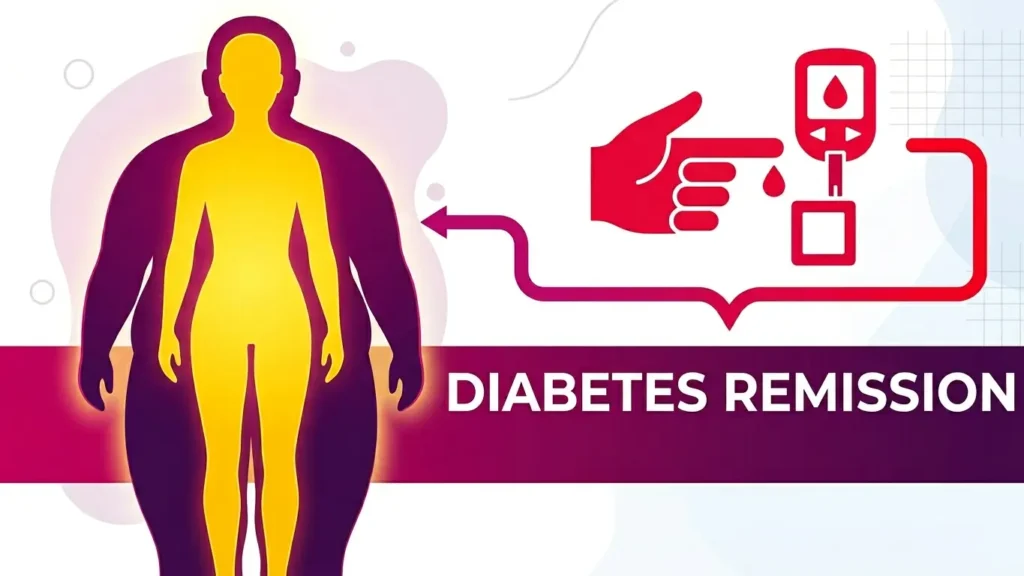
A common question in Dubai clinics is whether diabetes can be cured. Currently, there is no permanent “cure” for Type 1. However, for Type 2, “remission” is possible. Through significant weight loss and metabolic intervention, some individuals can maintain normal blood sugar levels without medication.
Expanding the Spectrum: Prediabetes and Gestational Diabetes
When discussing the difference between type 1 and type 2 diabetes and prediabetes, think of prediabetes as a warning light. It occurs when blood sugar levels are higher than normal but not yet high enough for a Type 2 diagnosis.
Similarly, the difference between type 1 and type 2 diabetes and gestational diabetes lies in the timing. Gestational diabetes occurs only during pregnancy and usually resolves after birth, though it significantly increases the mother’s risk of developing Type 2 later.
The Emotional Impact of Diabetes
Living with a chronic condition in a fast-paced city like Dubai can be taxing. The emotional impact of type 1 and type 2 diabetes is significant. Patients often face “diabetes distress,” a sense of overwhelm from the constant monitoring required.
- Type 1 patients often feel the burden of 24/7 vigilance.
- Type 2 patients may struggle with guilt or stigma associated with lifestyle-related conditions.
Empathy and psychological support are core pillars of the care provided by Dr. Ali Aldibbiat, ensuring patients feel empowered rather than burdened by their diagnosis.
Can Type 2 Diabetes Turn Into Type 1?
This is a frequent misconception. Can type 2 diabetes turn into type 1? The short answer is no. They are different diseases with different causes. However, a person with Type 2 can become “insulin-dependent” if their pancreas stops producing enough insulin over time. This is still Type 2 diabetes, just managed with insulin.
Why Choose Dr. Ali Aldibbiat in Dubai?
Managing diabetes in the UAE requires a deep understanding of local lifestyle factors, from dietary habits to the challenges of staying active in a desert climate. Dr. Ali Aldibbiat stands out as a leading consultant in endocrinology and metabolism. By focusing on individualized care and the latest evidence-based treatments, Dr. Ali Aldibbiat helps patients bridge the gap between diagnosis and a high-quality, healthy life.
Whether you are struggling with insulin resistance or navigating the complexities of Type 1 technology like continuous glucose monitors (CGMs), having an expert advocate is your greatest asset
Take Control of Your Metabolic Health Today!
If you are experiencing symptoms or have a family history of metabolic issues, do not wait for complications to arise. Professional intervention can make the difference between struggling with symptoms and thriving with a managed condition.
Contact Dr. Ali Aldibbiat today!
schedule a comprehensive consultation and begin your journey toward endocrine wellness.
FAQs about the difference between type 1 and type 2 diabetes
Final word about the difference between type 1 and type 2 diabetes
Understanding the difference between type 1 and type 2 diabetes is the foundation of effective health management. While Type 1 is an autoimmune struggle and Type 2 is a metabolic challenge, both require a dedicated approach to care. In Dubai, Dr. Ali Aldibbiat provides the expertise and empathetic guidance necessary to navigate these conditions. By focusing on early diagnosis, personalized management plans, and patient education, we can turn a daunting diagnosis into a manageable part of a healthy life.


 Written by
admin
Written by
admin