
Living in a fast-paced city like Dubai means balancing a demanding lifestyle with personal well-being. For many, the concern of developing diabetes or managing existing symptoms is a significant priority. If you have been feeling unusually tired or thirsty, you might be wondering, is there an at-home diabetes test that can provide immediate answers?
While nothing replaces the clinical expertise of a specialist like Dr. Ali Aldibbiat, understanding how to use a home diabetes test is a vital first step in proactive health management. This guide explores everything from home testing kits for diabetes to understanding your blood glucose chart after meal results, helping you navigate your health journey with confidence.
What is Blood Glucose?
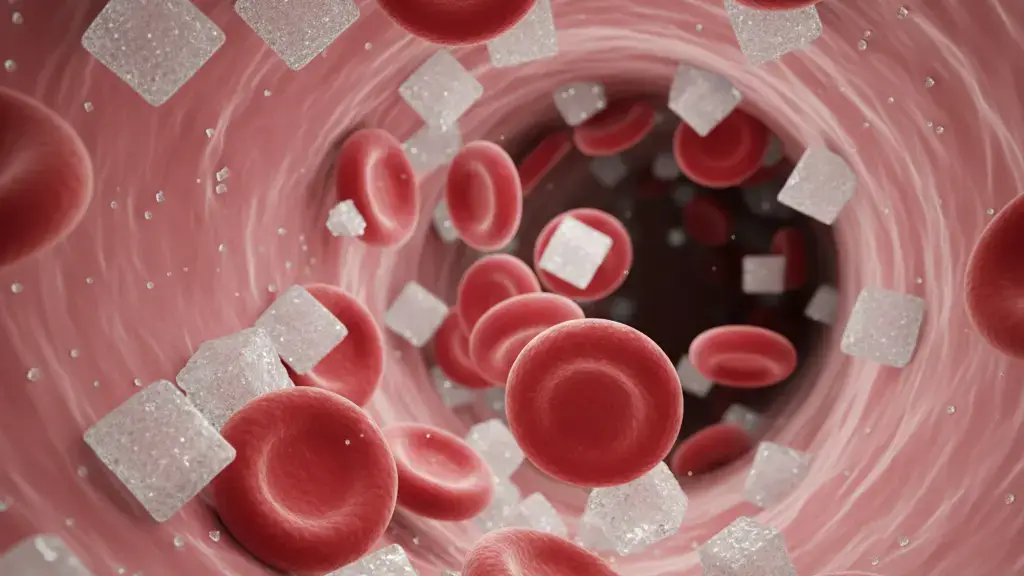
Blood glucose, commonly referred to as blood sugar, is the primary sugar found in your blood. It comes from the food you eat and is your body’s main source of energy. Your blood carries glucose to all your body’s cells to use for energy.
Insulin, a hormone produced by the pancreas, acts like a key that lets glucose into your cells. If you have diabetes, your body doesn’t make enough insulin or can’t use it as well as it should. This causes glucose to stay in your blood, leading to high blood sugar levels which, over time, can cause serious health complications.
What is a Blood Glucose Test?
A blood glucose test measures the amount of glucose in your blood. Traditionally, this was only done in clinical settings in Dubai or Sharjah, but advancements in medical technology now allow for highly accurate at home diabetes screening test options.
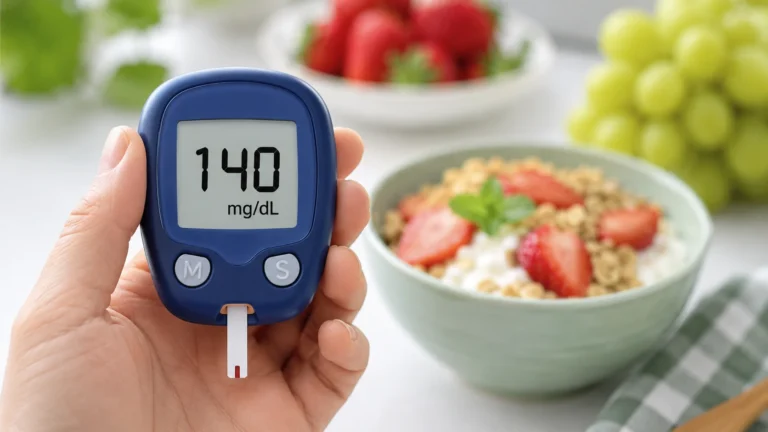
These tests provide a “snapshot” of your glucose levels at a specific moment. For those asking how to test for diabetes at home, these tools are essential for identifying spikes or drops that occur in response to diet, exercise, and stress.
Why Should You Monitor Your Blood Sugar?
Whether you are already diagnosed or are in a high-risk group in the UAE, monitoring is about more than just numbers. it’s about control.
- Preventing Complications: Consistent tracking helps prevent long-term damage to the heart, kidneys, and eyes.
- Understanding Food Impact: Using a blood glucose chart after meal allows you to see exactly how local cuisines or specific ingredients affect your body.
- Safety: It alerts you to hypoglycemia (low blood sugar) or hyperglycemia (high blood sugar) before they become emergencies.
- Monitoring Medication Effects
For those already on treatment, a home diabetes test is the only way to know if your medication dosage is correct. It helps your endocrinologist, such as Dr. Ali Aldibbiat, adjust your plan based on real-world data rather than just a single lab visit.
What Diabetes Tests Can You Do at Home?
If you are concerned about your status, you may ask: Can you check yourself for diabetes at home? The answer is yes, primarily through two methods:
1. Capillary Blood Glucose Test (The Finger-Prick)
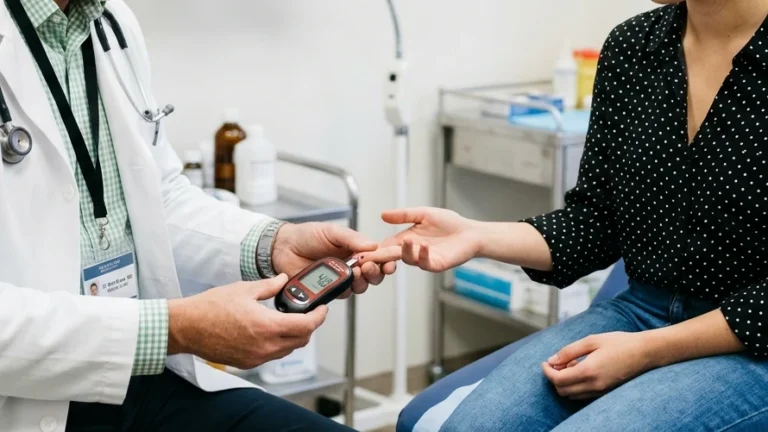
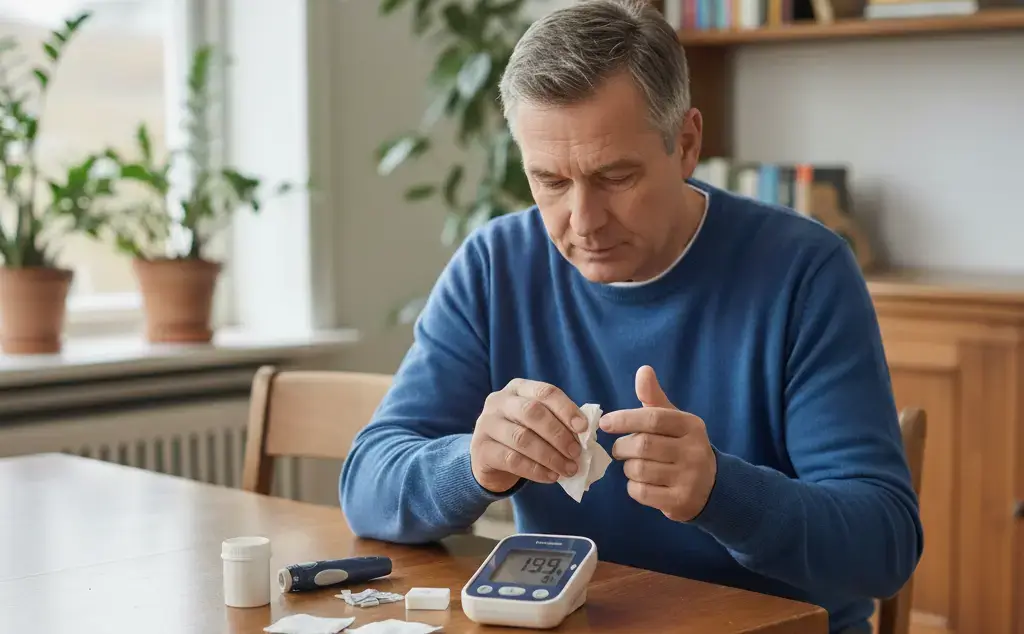
This is the most common home diabetes test. It involves using a small needle called a lancet to prick your fingertip and placing a drop of blood onto a testing strip inserted into a glucose meter (glucometer).
2. At Home Diabetes Urine Test
While less common for daily monitoring than blood tests, a home diabetes test urine kit can detect the presence of glucose or ketones in your urine. If your blood sugar is very high, the kidneys spill excess sugar into the urine. However, an at home diabetes urine test is generally less precise than blood monitoring because glucose only appears in urine once blood levels are significantly elevated.
Read also about fasting blood sugar test and its importance with Dr ali aldibbiat guide.
Capillary vs. Venous Blood Glucose Tests
Understanding the difference between these two is crucial for interpreting your results accurately.
- Capillary Blood Test: This is what you perform during a home diabetes test. It measures blood from the tiny capillaries in your fingertips. It is excellent for daily tracking but can be slightly different from lab results.
- Venous Blood Test: This is performed by a healthcare professional, where blood is drawn from a vein in your arm. This is the “gold standard” used for a formal diagnosis.
While home testing kits for diabetes are incredibly reliable for monitoring, a venous draw at a clinic is required to confirm a diagnosis of Type 1, Type 2, or gestational diabetes.

How to Test Your Blood Sugar at Home
Following a sterile and consistent routine ensures the accuracy of your at home diabetes screening test.
- Wash Your Hands: Use warm, soapy water. Do not use alcohol wipes if possible, as they can sometimes interfere with the reading.
- Prepare the Lancet: Insert a fresh needle into the lancing device.
- Prepare the Meter: Insert a testing strip into your glucometer.
- Prick the Side of the Finger: The side of the fingertip is less sensitive than the pad.
- Apply Blood: Touch the edge of the test strip to the blood drop.
- Record the Result: Note the time, what you ate, and the reading.
When Should You Test Your Blood Sugar?
The timing of your home diabetes test is just as important as the result itself. Common times include:
- Fasting: Immediately upon waking up, before eating or drinking anything.
- Before Meals: To establish a baseline.
- Post-Prandial: Testing the after food sugar level normal range (usually 1-2 hours after eating).
- Before Bed: To ensure levels stay stable overnight.
Read also about fasting insulin test and discover what it is used for.
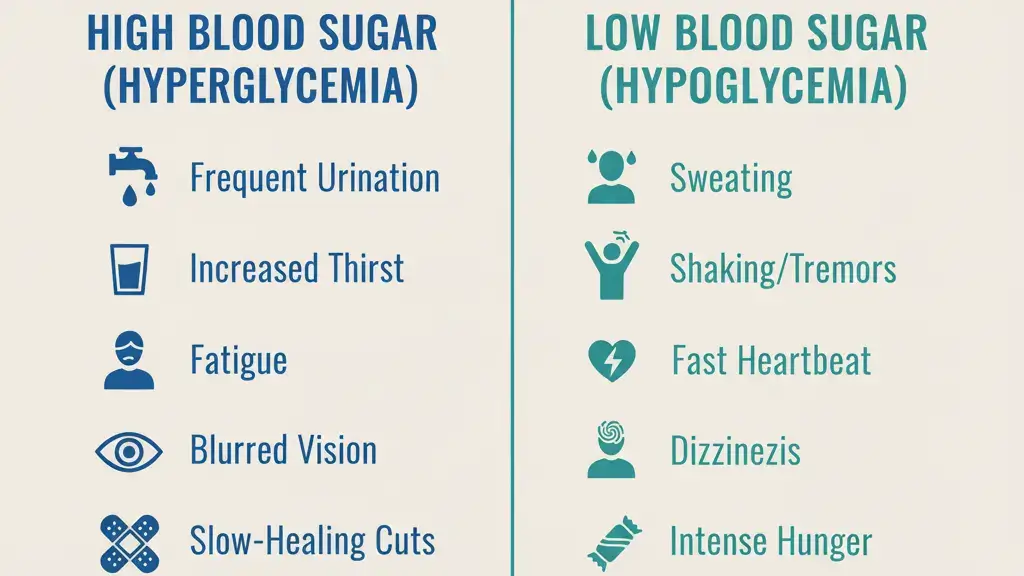
Symptoms of Blood Sugar Imbalance
Many residents in Dubai seek a home diabetes test because they notice physical changes. Be aware of these symptoms:
- Hyperglycemia (High): Extreme thirst, frequent urination, blurred vision, and unexplained weight loss.
- Hypoglycemia (Low): Shakiness, sweating, confusion, dizziness, and rapid heartbeat.
If you experience these frequently, it is time to consult a specialist like Dr. Ali Aldibbiat for a comprehensive evaluation.
Understanding the Numbers: Normal Levels
What should you see on your meter? While targets vary per individual, general guidelines are as follows:
General Blood Glucose Targets
Normal Sugar Level in Pregnancy
Managing blood sugar is critical during pregnancy to avoid gestational diabetes. The normal sugar level in pregnancy is typically stricter:
- Fasting: Below 95 mg/dL
- 1 Hour After Meal: Below 140 mg/dL
- 2 Hours After Meal: Below 120 mg/dL
Referencing a blood glucose chart after meal can help expectant mothers maintain these tight ranges for the health of their baby.
What Does a High Blood Glucose Level Mean?
If your home diabetes test consistently shows levels above the after food sugar level normal range, it indicates that your body is struggling to process glucose. This could mean:
- Insulin resistance (common in Type 2).
- Inadequate insulin production.
- The “Dawn Phenomenon” (a natural morning spike).
- Stress or illness-related spikes.
As we are in Ramadan, many people ask, “Can Diabetics Eat Dates?” Read the answer of Dr ali now.
Ketones: What You Need to Know
What are Ketones?
Ketones are chemicals that the body creates when it breaks down fat for energy because it cannot use glucose (due to a lack of insulin).
Why is it Important?
High levels of ketones can lead to Diabetic Ketoacidosis (DKA), a life-threatening medical emergency. This is especially relevant for Type 1 diabetics but can occur in Type 2 under extreme stress.
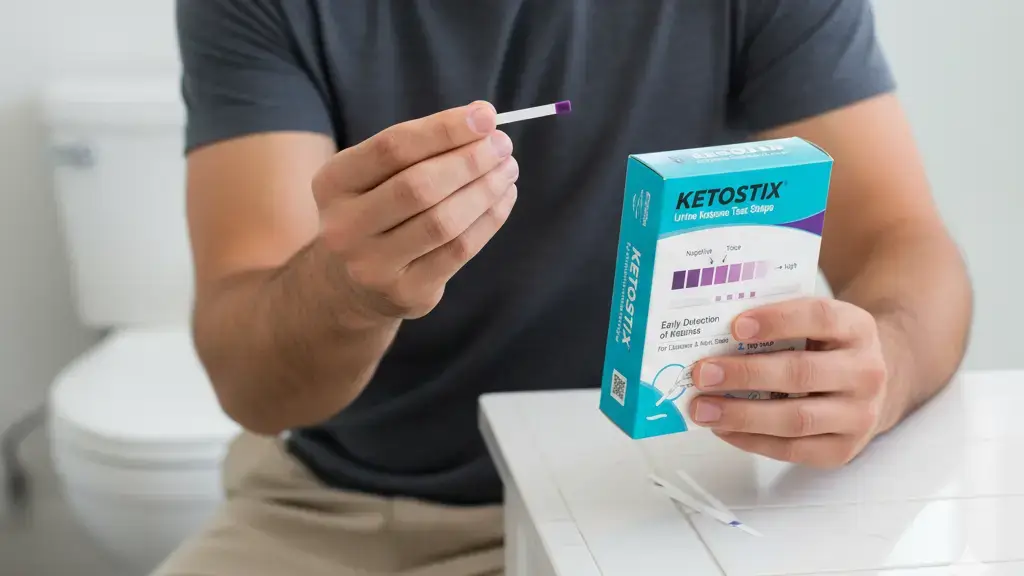
How and When to Test for Ketones
You can use a home diabetes test urine strip specifically designed for ketones. You should test if:
- Your blood sugar is consistently over 240 mg/dL.
- You feel nauseous or are vomiting.
- Your breath smells fruity.
Causes to Avoid to Prevent Blood Glucose Elevation
To keep your home diabetes test results within a healthy range, be mindful of these common “spikers” in the Dubai lifestyle:
- Sedentary Habits: Long hours at a desk reduce insulin sensitivity.
- Hidden Sugars: High-carb snacks and sugary beverages common in local cafes.
- Chronic Stress: High cortisol levels directly increase blood glucose.
- Poor Sleep: Lack of rest disrupts the hormones that regulate appetite and blood sugar.
When to See a Doctor
A home diabetes test is a screening tool, not a final diagnosis. You should book a consultation with a specialist if:
- You have symptoms of the “Big Three” (Thirst, Urination, Hunger).
- Your fasting glucose is consistently above 100 mg/dL.
- Your after food sugar level normal range is frequently exceeded.
- You are planning a pregnancy or are currently pregnant.
Expert Care with Dr. Ali Aldibbiat
Navigating a diabetes diagnosis or management plan requires more than just a glucometer; it requires an expert partner. Dr. Ali Aldibbiat is a leading endocrinologist renowned for his patient-centric approach to diabetes care in the UAE.
Why choose Dr. Ali Aldibbiat?
- Tailored Strategies: Moving beyond generic advice to create a plan that fits your Dubai lifestyle.
- Advanced Diagnostics: Utilizing the latest technology to complement your home monitoring.
- Empathetic Care: Understanding the emotional and physical toll of blood sugar management.
- Comprehensive Support: From nutritional guidance to the latest insulin therapies.
Don’t leave your health to chance. If your home testing kits for diabetes are showing concerning trends, take the next step toward professional management.
Frequently Asked Questions (FAQs)
Can you check yourself for diabetes at home?
Yes, you can monitor your blood sugar levels using a glucometer or a home diabetes test urine kit. However, these are for monitoring and screening; a formal diagnosis must be confirmed by a doctor via a venous blood test.
What are 10 warning signs of diabetes?
- Frequent urination
- Excessive thirst
- Extreme hunger
- Unexplained weight loss
- Blurred vision
- Slow-healing sores
- Frequent infections (gum or skin)
- Fatigue and irritability
- Tingling or numbness in hands/feet
- Patches of darkened skin
What are the big three signs of diabetes?
The “Big Three” are Polyuria (frequent urination), Polydipsia (excessive thirst), and Polyphagia (extreme hunger).
What is the 15-minute rule for diabetes?
This rule is for treating hypoglycemia (low blood sugar). Eat 15 grams of fast-acting carbs (like juice or glucose tabs), wait 15 minutes, and re-test. If still low, repeat the process.
Is a home diabetes test used for diabetes diagnosis?
No. While an at home diabetes screening test provides vital data, medical standards require a laboratory-grade test (like an HbA1c or Fasting Plasma Glucose test) for a formal diagnosis.
Is the home blood sugar test reliable?
Modern glucometers are highly accurate, usually within 10-15% of lab results. They are considered very reliable for day-to-day management and identifying trends.
Conclusion
The ability to perform a home diabetes test empowers you to take charge of your health from the comfort of your home. By understanding your blood glucose chart after meal and recognizing the normal sugar level in pregnancy, you can make informed decisions about your diet and activity.
However, data is only useful when interpreted correctly. For a definitive diagnosis and a long-term wellness strategy, collaborating with an expert like Dr. Ali Aldibbiat is essential. Whether you are just starting to monitor or looking to optimize your current treatment, professional guidance ensures you live a full, healthy life in Dubai.