

Best diabetes 2 medications: newest oral & injectable drugs.
Diabetes 2 medications include oral & injectable drugs designed to lower blood sugar & reduce complications, Lets discover the best of them...
 Written by
admin
Written by
admin
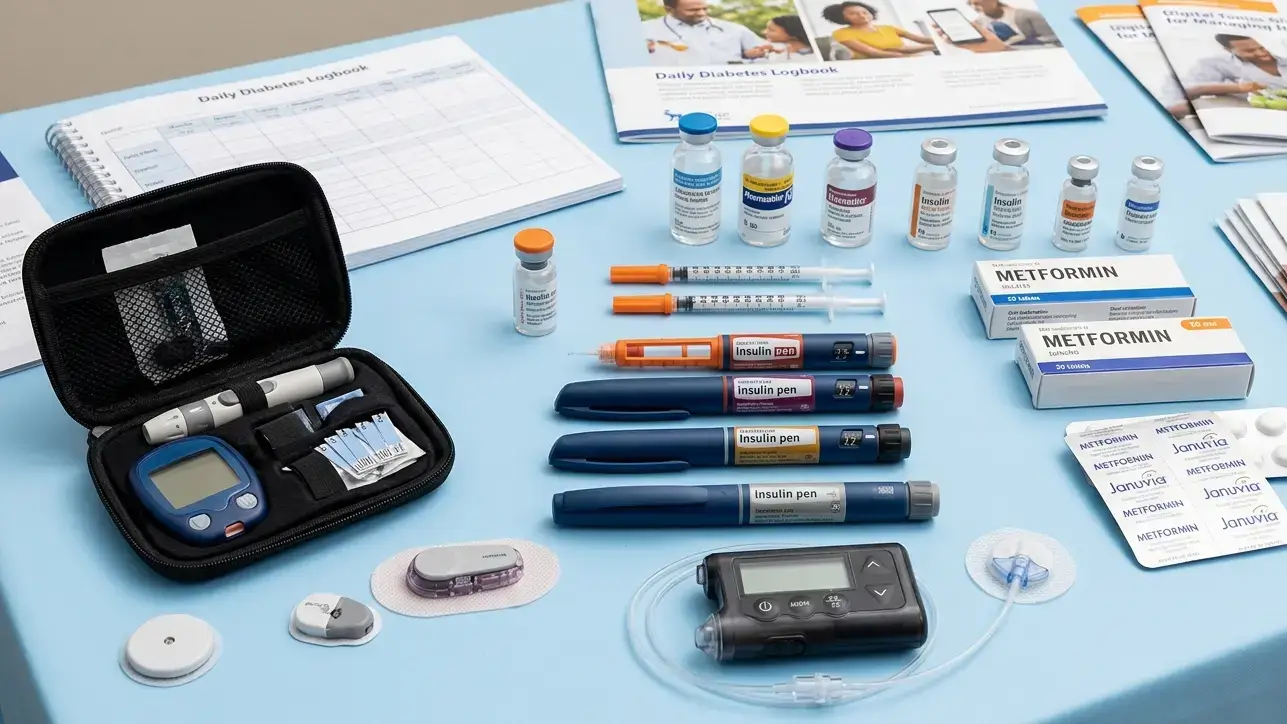
Living with type 2 diabetes can often feel like a complex balancing act. Between monitoring blood sugar levels, adjusting your diet, and staying active, finding the right pharmacological support is essential for long-term health. Understanding diabetes 2 medications is a critical step for patients in Dubai looking to regain control over their endocrine health and prevent future complications.
Modern medicine has moved far beyond a “one size fits all” approach. Today, managing diabetes mellitus type 2 involves a sophisticated array of treatments tailored to your specific metabolic profile, lifestyle, and health goals. In this guide, we will explore the extensive diabetes type 2 medications list, how these drugs work within your body, and how expert guidance can help you achieve optimal glycemic control.
What is Type 2 Diabetes?
Type 2 diabetes is a chronic metabolic condition characterized by how your body processes glucose (sugar). Under normal circumstances, the pancreas produces insulin, a hormone that acts like a key, allowing sugar from the food you eat to enter your cells to be used for energy.
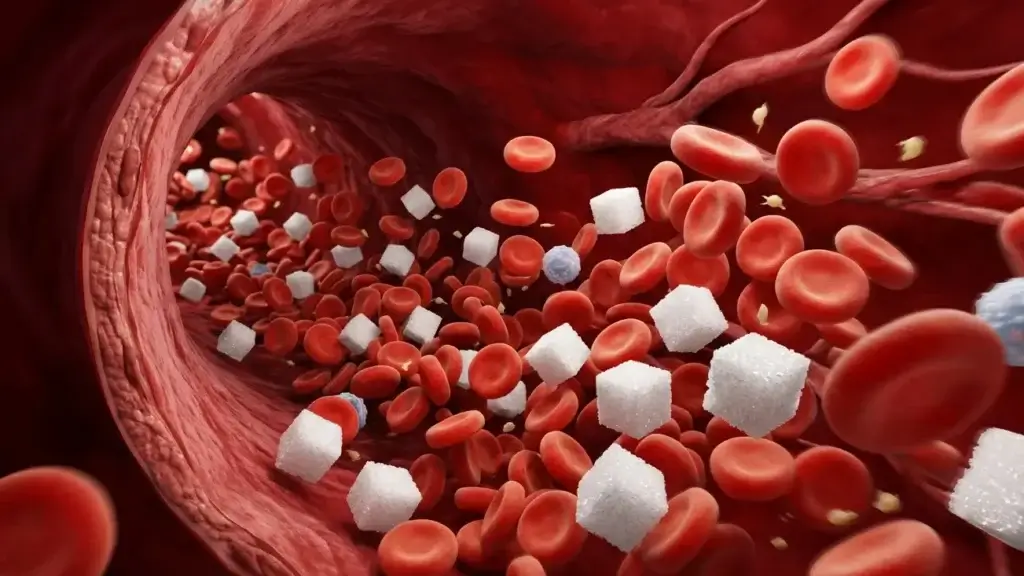
In people with type 2 diabetes, one of two things happens: either the body becomes resistant to the effects of insulin, or the pancreas loses the ability to produce enough insulin to maintain normal glucose levels. This results in high blood sugar (hyperglycemia), which, if left untreated, can damage blood vessels, nerves, and vital organs such as the heart and kidneys. For residents in the UAE, where lifestyle factors and genetic predispositions often intersect, understanding the mechanics of this condition is the first step toward effective management.
What Causes the Need for Type 2 Medications?
While lifestyle modifications, such as a balanced diet and regular exercise, are the foundation of any treatment plan, they are not always enough to keep blood sugar within a healthy range. Several factors necessitate the introduction of diabetes 2 oral medications or injectables:
- Insulin Resistance: As the body’s cells stop responding to insulin, higher doses of the hormone are required. Medications can help “sensitize” these cells.
- Progressive Beta-Cell Decline: The insulin-producing cells in the pancreas (beta cells) can wear out over time. When this happens, the body needs external help to stimulate insulin production or replace it.
- Excessive Glucose Production: The liver sometimes releases too much sugar into the bloodstream, particularly overnight. Certain medications work specifically to switch off this internal “sugar tap.”
- Kidney Reabsorption: In some individuals, the kidneys reabsorb too much glucose back into the blood rather than excreting it through urine.
Treatment of Type 2 Diabetes
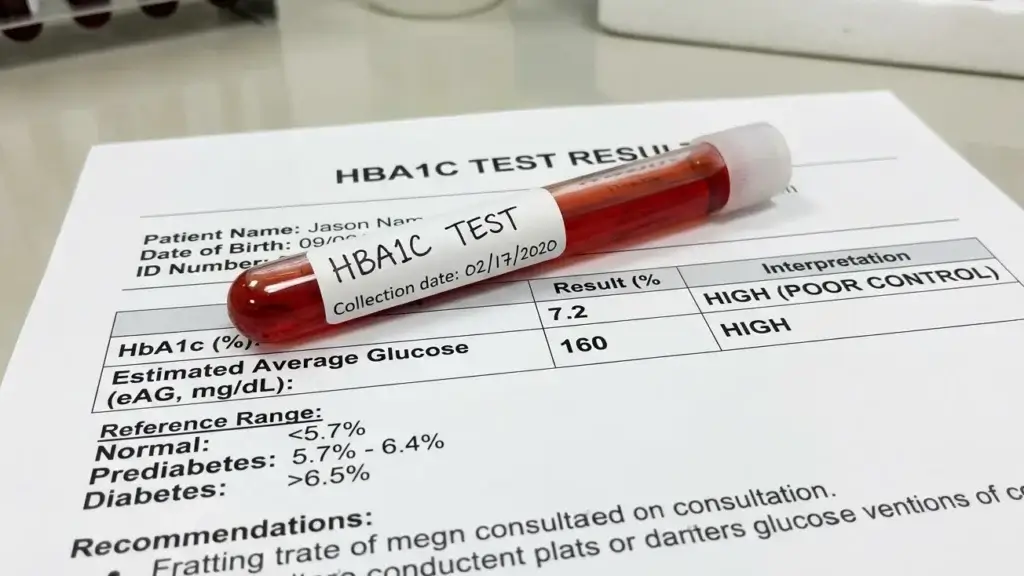
The ultimate goal of treating diabetes mellitus type 2 is to keep HbA1c levels (the three-month average of blood sugar) below a specific target, usually 7% for most adults, to minimize the risk of cardiovascular disease, kidney failure, and vision loss.
Treatment typically follows a stepped approach:
- Phase 1: Lifestyle intervention and Metformin (the gold standard initial therapy).
- Phase 2: Dual therapy, adding a second oral or injectable medication if targets aren’t met.
- Phase 3: Triple therapy or the introduction of insulin to ensure tight control.
Common Diabetes 2 Medications List
When looking at types of diabetes type 2 medications, they are generally categorized by how they function in the body. Here is a breakdown of the most frequently prescribed classes.
1. Biguanides (Metformin)
Metformin remains the most prescribed among the type 2 diabetes medications names. It is usually the first line of defense.
- How it works: It decreases the amount of sugar your liver produces and improves how your muscle cells use insulin.
- Benefits: It does not cause weight gain and is generally very affordable.
2. SGLT2 Inhibitors (The "Gliflozins")
This is a newer class of diabetes 2 oral medications that has revolutionized treatment.
- Examples: Canagliflozin (Invokana), Dapagliflozin (Farxiga), and Empagliflozin (Jardiance).
- How it works: These prevent the kidneys from reabsorbing sugar back into the blood. Instead, the excess sugar is eliminated through urine.
- Unique Benefit: They provide significant protection for the heart and kidneys.
3. GLP-1 and Dual GLP-1/GIP Receptor Agonists
While often injectable, these are frequently discussed alongside type 2 diabetes medications oral options due to their high efficacy.
- Examples: Semaglutide (Ozempic, Wegovy, Rybelsus) and Tirzepatide (Mounjaro).
- How it works: They mimic hormones that stimulate insulin secretion after a meal, slow down stomach emptying, and reduce appetite.
4. DPP-4 Inhibitors (The "Gliptins")
- Examples: Sitagliptin (Januvia), Saxagliptin (Onglyza), and Linagliptin (Tradjenta).
- How it works: They help the body continue to produce insulin when blood sugar is high but have a lower risk of causing low blood sugar (hypoglycemia).
Type 2 Diabetes Medications: Sulfonylureas and Older Classes
Before the advent of newer drugs, type 2 diabetes medications sulfonylureas were the primary alternative to Metformin. While less common now due to newer, safer options, they are still used in specific cases.
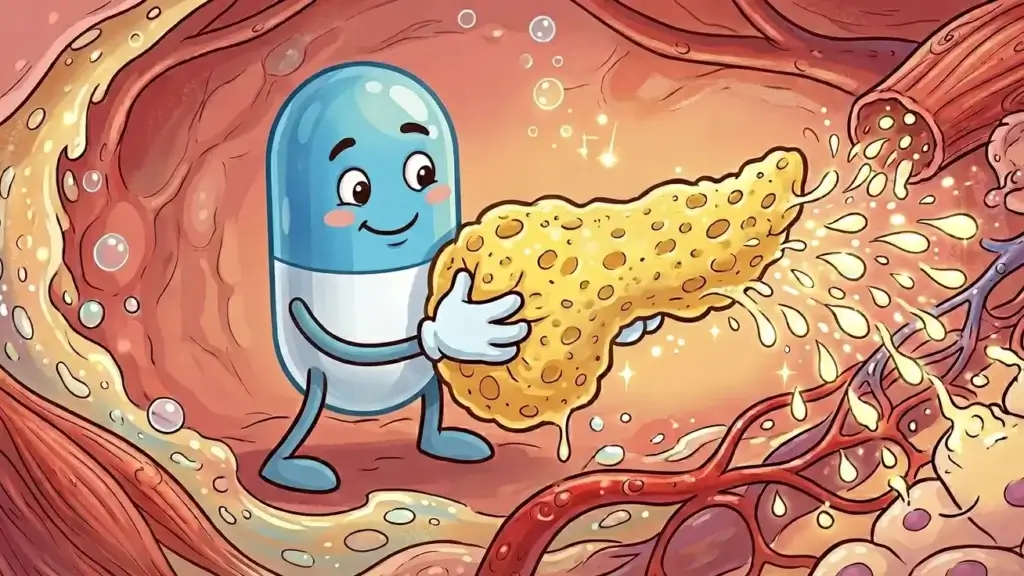
- Sulfonylureas: (e.g., Glipizide, Glyburide) These work by “squeezing” the pancreas to release more insulin. They are effective but carry a risk of weight gain and hypoglycemia.
- Thiazolidinediones (TZDs): (e.g., Pioglitazone) These help insulin work better in the muscle and fat. However, they may cause water retention.
- Meglitinides: Similar to sulfonylureas, these stimulate insulin release but are shorter-acting and taken with meals.
Less Commonly Used Medications
In complex cases, healthcare providers might look toward niche diabetes mellitus 2 medications:
- Alpha-glucosidase inhibitors: (e.g., Acarbose) These slow the breakdown of starches and sugars in the digestive tract.
- Bile acid sequestrants: Originally for cholesterol, these can also help lower blood sugar levels.
- Dopamine agonists: (e.g., Bromocriptine) Though their exact mechanism in diabetes is not fully understood, they can assist in glycemic control for some patients.
Combinations Therapy for Type 2 Diabetes
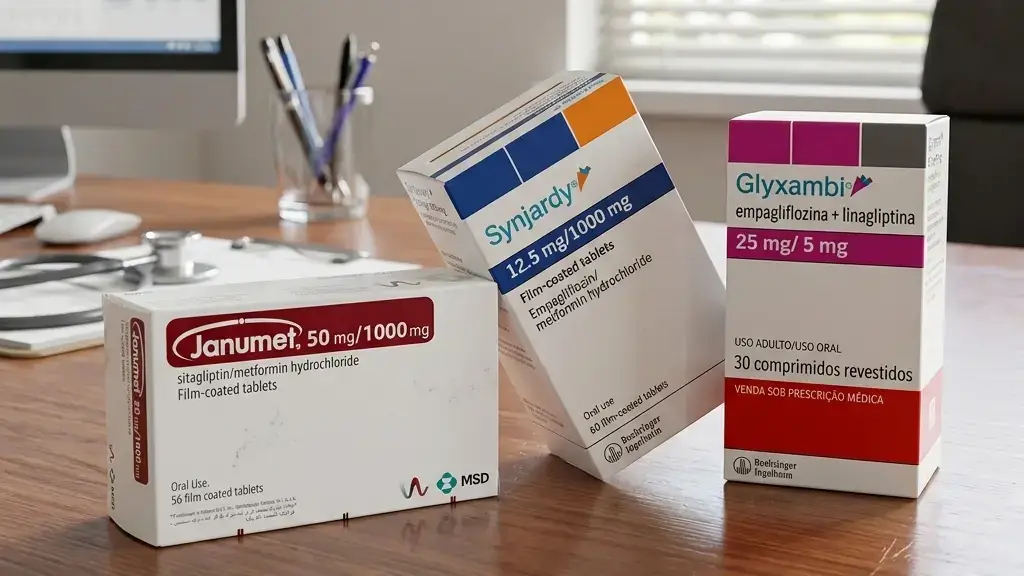
Managing diabetes often requires hitting the problem from multiple angles. This is where combination therapy for type 2 diabetes comes in. Many patients find it difficult to take four or five different pills a day, so pharmaceutical companies have developed “fixed-dose combinations.”
Common combinations include:
- Metformin + DPP-4 Inhibitor: (e.g., Janumet)
- Metformin + SGLT2 Inhibitor: (e.g., Synjardy or Xigduo)
- SGLT2 Inhibitor + DPP-4 Inhibitor: (e.g., Glyxambi)
Combining medications allows for a synergistic effect, for example, one drug reduces the sugar produced by the liver while the other helps the kidneys flush sugar out.
What is the Newest Medication for Type 2 Diabetes?
The landscape of diabetes mellitus type 2 medications is evolving rapidly. Currently, the most significant “breakthrough” medications are the Dual Agonists, such as Tirzepatide (Mounjaro).
Unlike older drugs that only targeted one hormone receptor, these new treatments target both GLP-1 and GIP receptors. This dual-action approach has shown unprecedented results in both lowering HbA1c and promoting significant weight loss, which is often a primary driver of diabetes in Dubai’s patient population. Additionally, oral versions of previously “injectable-only” drugs (like oral Semaglutide) are making treatment more convenient than ever.
Side Effects and Risks of Using These Medications
Every medication carries potential side effects, and diabetes 2 medications are no exception. Understanding these helps you manage them proactively:
- Metformin: Often causes gastrointestinal upset (nausea or diarrhea) when first starting. Using extended-release versions can help.
- SGLT2 Inhibitors: Because they put sugar in the urine, they can increase the risk of urinary tract infections (UTIs) or yeast infections.
- GLP-1 Agonists: These can cause nausea and vomiting, especially during the first few weeks as the body adjusts to slower digestion.
- Sulfonylureas: The primary risk is hypoglycemia (dangerously low blood sugar), which requires immediate sugar intake.
It is essential to consult with a specialist like Dr. Ali Aldibbiat to monitor these risks through regular blood work and clinical reviews.

Which is the Safest Diabetic Medicine?
“Safety” is relative to a patient’s specific health profile. However, Metformin is generally considered the safest first-line medication due to its long-term track record (over 60 years of use) and its lack of weight-related side effects.
For those with heart or kidney concerns, SGLT2 inhibitors and GLP-1 agonists are now considered “safety-first” choices because they actively protect the cardiovascular system and reduce the progression of kidney disease.
How We Choose the Right Medication
Choosing from the type 2 diabetes medications list is a collaborative process between the patient and the endocrinologist. In Dubai, a city known for its high-paced lifestyle, we consider:
- HbA1c Levels: How much do we need to lower your sugar?
- Weight Goals: Does the patient need to lose weight (GLP-1s) or maintain weight?
- Comorbidities: Does the patient have high blood pressure, heart disease, or kidney issues?
- Lifestyle: Does the patient prefer an oral pill once a day, or is a weekly injection more convenient?
- Cost and Accessibility: Ensuring the treatment is sustainable for the patient.
Healing Your Endocrine Health in Dubai
If you are struggling to manage your blood sugar levels or are overwhelmed by the variety of diabetes 2 medications, expert intervention is the key to clarity. Achieving “diabetes remission” or stable control requires more than just a prescription; it requires a comprehensive metabolic strategy.
Dr. Ali Aldibbiat is a renowned expert in the field of endocrinology, specializing in the latest treatments for type 2 diabetes. With a deep understanding of the unique health challenges faced by the Dubai community, Dr. Ali provides personalized care that goes beyond the surface. Whether you are looking for the latest in dual-agonist therapy or need a tailored plan to reduce your dependency on multiple medications, his clinic is the premier destination for endocrine excellence.
Take Control Today
Don’t let diabetes dictate your future. Schedule a consultation with Dr. Ali Aldibbiat to receive a personalized assessment and a modern treatment plan designed for your life in Dubai.
FAQs about diabetes 2 medications
What is the best medication for type 2 diabetes?
There is no single “best” medication, but Metformin is the most common starting point due to its efficacy and safety. However, for patients with heart disease or obesity, GLP-1 agonists or SGLT2 inhibitors are often considered superior choices.
Which is better for type 2 diabetes, metformin or Ozempic?
They serve different purposes. Metformin is excellent for basic blood sugar control and is very affordable. Ozempic (Semaglutide) is often more potent for lowering HbA1c and offers significant weight loss benefits and heart protection. Many patients take both together.
What drug is replacing metformin?
While nothing has fully replaced Metformin, many doctors now prescribe SGLT2 inhibitors (like Jardiance) or GLP-1 agonists (like Ozempic) earlier in the treatment process, especially for patients who have issues with their heart or kidneys or who cannot tolerate Metformin’s side effects.
How to reduce HbA1c naturally?
You can lower HbA1c naturally by adopting a low-glycemic diet (rich in fiber and lean proteins), engaging in at least 150 minutes of moderate exercise per week, ensuring adequate sleep, and managing stress. However, these should complement, not replace, medical advice from Dr. Ali Aldibbiat.
Are oral diabetes medications as effective as insulin?
For many people, modern diabetes 2 oral medications and non-insulin injectables are highly effective and can delay or even eliminate the need for insulin for many years.
Final words about diabetes 2 medications
Understanding the vast array of diabetes 2 medications empowers you to take an active role in your health journey. From the foundational use of Metformin to the cutting-edge dual-receptor agonists, the options for managing type 2 diabetes have never been more effective. The key is to find a balance that controls your blood sugar, protects your heart, and fits your lifestyle.
In Dubai, the path to better metabolic health starts with expert guidance. By working with a specialist like Dr. Ali Aldibbiat, you can navigate the type 2 diabetes medications names and lists with confidence, ensuring that your treatment plan is as unique as you are. Take the first step toward a healthier, more vibrant life today.
References
- American Diabetes Association (ADA): Standards of Care in Diabetes
- Mayo Clinic: Type 2 Diabetes – Diagnosis and Treatment
- Healthline: A Complete List of Diabetes Medications
- NYU Langone Health: Treatments for Type 2 Diabetes