
Vitality Health Calculator Patient Connection Hub
endocrinologist

Best Endocrinologist in Dubai: Expert Hormone Care | Dr. Ali Aldibbiat

Hormones are the silent conductors of your body’s symphony. From the moment you wake up to the second you fall asleep, these chemical messengers regulate your energy, metabolism, mood, and growth. However, when even one hormone is slightly out of balance, the effects can be felt across every aspect of your life. Whether it is a constant feeling of fatigue, unexplained weight changes, or more complex metabolic issues, understanding the role of an endocrinologist is the first step toward reclaiming your health.

In a fast-paced city like Dubai, where lifestyle and environment play significant roles in our well-being, finding specialized care is essential. If you are searching for the best endocrinologist in Dubai, this guide will walk you through everything you need to know about endocrine health, the conditions treated, and how expert care from professionals like Dr. Ali Aldibbiat can transform your quality of life.

What is Endocrinology?

Endocrinology is a specialized branch of medicine that focuses on the endocrine system—a complex network of glands that produce and release hormones directly into the bloodstream. Unlike other systems in the body that are physically connected, the endocrine system communicates through these chemical signals, affecting organs and tissues located far from the actual gland.

The system includes the thyroid, pancreas, adrenals, pituitary, and ovaries or testes. Because hormones influence everything from bone density to how your body converts food into energy, endocrinology is foundational to nearly every biological process.

What is an Endocrinologist?

An endocrinologist is a specially trained physician who diagnoses and treats diseases related to the glands and hormone imbalances. After completing standard medical school and internal medicine residency, these specialists undergo several additional years of rigorous fellowship training specifically in hormone metabolism and glandular disorders.

The endocrinologist definition extends beyond just “hormone doctor.” They are medical detectives who look at the subtle interactions between different systems to find the root cause of symptoms that are often vague or overlapping, such as exhaustion, hair loss, or mood swings.

What is a Subspecialized Endocrinologist?

While all endocrinologists are experts in hormones, some undergo further subspecialization to treat specific populations or rare conditions.

  • Pediatric Endocrinologist: This is an endocrinologist for kids who specializes in growth disorders, childhood diabetes, and puberty-related issues. Since children’s bodies are still developing, their hormonal needs are vastly different from adults.
  • Reproductive Endocrinologist: Focuses on fertility, PCOS, and hormonal issues affecting conception.
  • Neuro-Endocrinologist: Deals with the complex relationship between the brain (pituitary and hypothalamus) and the rest of the hormonal system.

Having access to an endocrinologist specialist ensures that the treatment plan is tailored to the specific nuances of the patient’s age and physiological state.

Pediatric Endocrinologist

What Does an Endocrinologist Do?

The primary role of these specialists is to restore hormonal equilibrium. When a gland produces too much of a hormone (hyperfunction) or too little (hypofunction), the endocrinologist steps in to stabilize the levels. Their work involves:

  1. Diagnostic Analysis: Interpreting complex blood tests and dynamic hormone stimulation tests.
  2. Management: Using medication, lifestyle interventions, or referring patients for specialized procedures to regulate gland activity.
  3. Long-term Monitoring: Many endocrine conditions are chronic, requiring a lifelong partnership between the doctor and patient to prevent complications.

What Does an Endocrinologist Treat?

The scope of endocrine practice is incredibly broad. They manage conditions that affect almost every organ system. Key areas of focus include:

  • Metabolic Disorders: High cholesterol, lipid imbalances, and obesity.
  • Reproductive Health: Menopause, testosterone deficiency, and Polycystic Ovary Syndrome (PCOS).
  • Glandular Tumors: Both benign and malignant growths in the thyroid, pituitary, or adrenal glands.
  • Growth Issues: Ensuring children reach their developmental milestones.

In the next few paragraphs, we will review in more detail the most common diseases and specialties that fall under the responsibility of an endocrinologist.

What Does an Endocrinologist Treat

Managing the Modern Epidemic: Diabetes and Metabolism

In the UAE, and specifically in Dubai, diabetes remains one of the most pressing health challenges. An endocrinologist is the lead physician in managing Type 1, Type 2, and Gestational Diabetes.

Diabetes is more than just “high blood sugar.” It is a systemic metabolic failure where the body either cannot produce enough insulin or cannot use it effectively. Specialized care involves:

  • Advanced glucose monitoring (CGMs).
  • Insulin pump therapy.
  • Comprehensive metabolic profiling to protect the heart, kidneys, and eyes.

Thyroid Health: From Fatigue to Weight Fluctuations

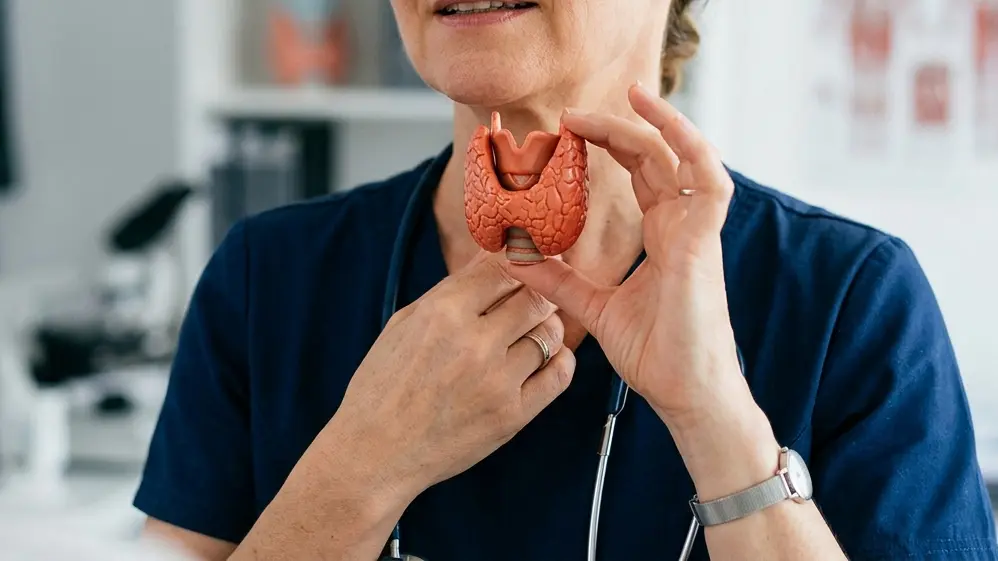
The thyroid is a small, butterfly-shaped gland in the neck that acts as the body’s thermostat. It controls how fast you burn calories and how fast your heart beats.

  • Hypothyroidism: An underactive thyroid that leads to weight gain, cold intolerance, and depression.
  • Hyperthyroidism: An overactive thyroid causing anxiety, rapid heart rate, and weight loss.
  • Thyroid Nodules: Most are benign, but an expert must evaluate them to rule out malignancy.

If you are looking for the best endocrinologist Dubai offers, thyroid management is often a primary reason for the visit, as precise dosing of thyroid replacement therapy is an art as much as a science.

thyroid gland diseases

Hormonal Imbalances: Common Signs You Shouldn't Ignore

Hormonal issues often “hide in plain sight” because their symptoms mimic stress or aging. You should pay attention to:

  • Persistent skin issues or adult acne.
  • Sudden changes in hair texture or thinning.
  • Extreme thirst and frequent urination.
  • Muscle weakness and joint pain.
  • Brain fog and inability to concentrate.

Adrenal and Pituitary Disorders: Small Glands, Big Impact

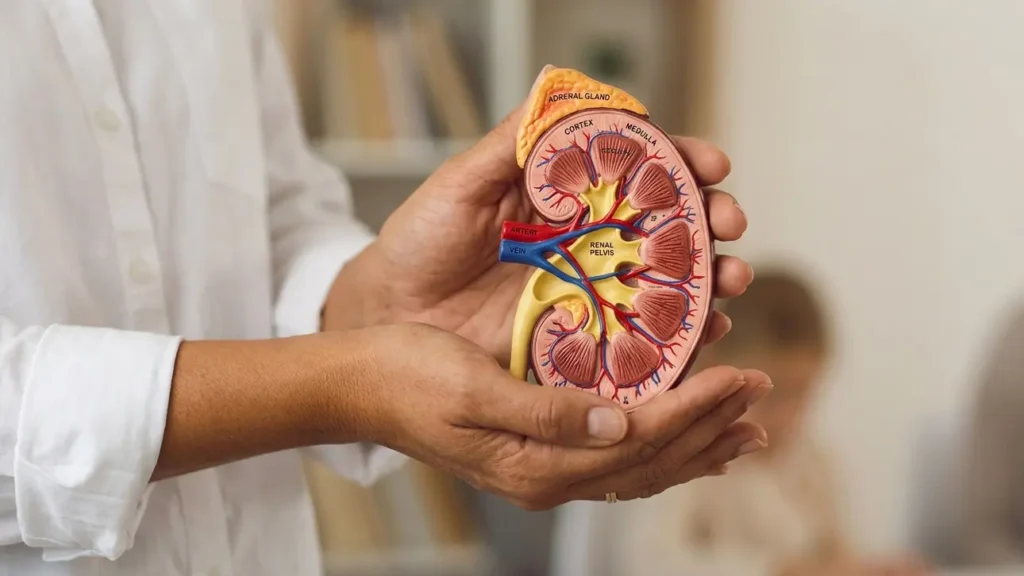
The adrenal glands (which sit atop the kidneys) and the pituitary gland (at the base of the brain) are the “master controllers.”

  • Adrenal Insufficiency (Addison’s): Can cause dangerously low blood pressure.
  • Cushing’s Syndrome: Overproduction of cortisol leading to rapid weight gain in the midsection.
  • Pituitary Adenomas: Small growths that can affect vision and trigger a cascade of other hormonal failures.
adrenal gland health

Bone Health and Osteoporosis: The Endocrine Connection

Many people are surprised to learn that an endocrinologist is the specialist for bone health. Hormones like estrogen, testosterone, and parathyroid hormone (PTH) regulate bone density. When these are imbalanced, bones become porous and brittle, leading to osteoporosis. Early screening and hormonal optimization can prevent life-altering fractures later in life.

The Diagnostic Journey: Tests, Bloodwork, and Specialized Imaging

Diagnosing a hormonal disorder requires more than a simple check-up. The journey usually includes:

  • Blood and Urine Tests: To measure precise levels of hormones at specific times of the day (since many hormones follow a circadian rhythm).
  • Stimulation/Suppression Tests: Checking how a gland reacts to a specific “trigger” to see if it is functioning correctly.
  • Imaging: Ultrasounds for the thyroid, or MRIs for the pituitary and adrenal glands.
  • Biopsies: Fine-needle aspiration for thyroid nodules.
endocrine disease diagnosis

When Should You See an Endocrinologist?

While a general practitioner can manage mild cases, you should seek a specialist if:

  • Your symptoms persist despite standard treatment.
  • You have been diagnosed with a chronic condition like Diabetes or Hashimoto’s.
  • You are experiencing unexplained infertility.
  • A child is showing signs of early or delayed puberty.
  • You have a family history of endocrine cancers.

What to Expect During Your First Consultation

Your first visit will be comprehensive. The doctor will review your entire medical history, your family history, and your lifestyle. Because endocrine issues are often linked to nutrition and stress, be prepared to discuss your diet and energy patterns. Physical exams often include checking your neck (for thyroid size), skin, and heart rate.

endocrine consultation

How to Choose the Best Endocrinologist in Dubai

When looking for the best endocrinologist in Dubai, consider these three factors:

  1. Experience: Look for a consultant with international training and a deep understanding of the local population’s health trends.
  2. Holistic Approach: Hormones don’t act in a vacuum. You need a doctor who looks at your lifestyle, diet, and mental health alongside your blood results.
  3. Communication: You need a specialist who explains complex biological processes in a way that empowers you to take charge of your health.

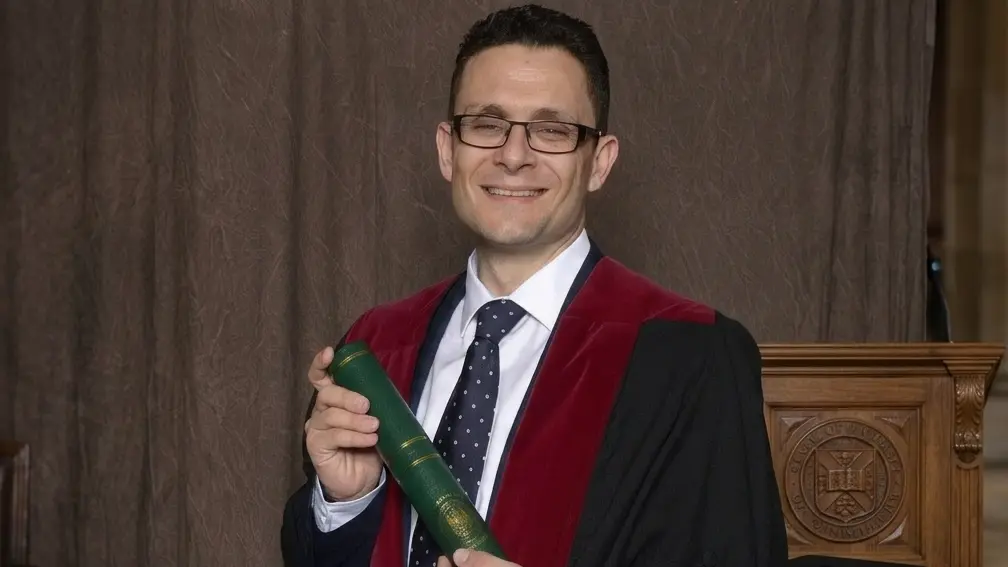
For those seeking world-class care, visiting the Dr. Ali Aldibbiat’s website (replace with actual link) provides a glimpse into a practice where patient education and cutting-edge science meet. Dr. Ali Aldibbiat is widely recognized for his empathetic approach to complex metabolic and hormonal conditions, making him a top choice for families in the UAE.

Start Your Journey to Better Health

Don’t let hormonal imbalances dictate how you feel every day. Whether you are managing a long-term condition or looking for answers to new symptoms, expert help is available.

Book a consultation with Dr. Ali Aldibbiat today to receive a personalized roadmap to hormonal health.

Best Endocrinologist in Dubai

FAQs about the best endocrinologist in Dubai

What disease is an endocrinologist for?

An endocrinologist treats a wide range of conditions including Diabetes (Type 1, Type 2, and Gestational), thyroid disorders (Hypothyroidism, Hyperthyroidism, Goiter), PCOS, Osteoporosis, Adrenal insufficiency, and Pituitary tumors.

Common signs include unexplained weight gain or loss, persistent fatigue, excessive thirst, sensitivity to cold or heat, changes in skin and hair, and mood disturbances like anxiety or depression.

The “red flags” for thyroid issues often include a visible swelling in the neck, sudden changes in heart rate (palpitations), a significant shift in energy levels, and unexpected changes in your bowel movements or menstrual cycle.

Yes. While many endocrine conditions are manageable, they are “serious” because hormones affect vital organ functions. Left untreated, conditions like diabetes or adrenal failure can lead to life-threatening complications. However, with early diagnosis, most patients live full, healthy lives.

The most common include Diabetes Mellitus, Hypothyroidism, Hyperthyroidism, Polycystic Ovary Syndrome (PCOS), Osteoporosis, Cushing’s Syndrome, Addison’s Disease, Growth Hormone Deficiency, Hypercalcemia (Parathyroid issues), Pituitary Adenoma.

Conclusion about the best endocrinologist in Dubai

Hormonal health is the foundation of overall wellness. From regulating your metabolism to ensuring your bones stay strong, the endocrine system is vital to your longevity. If you are in the UAE and feel that something is “off” with your energy or metabolism, seeking the expertise of an endocrinologist is the most effective way to find answers.

By working with a dedicated specialist like Dr. Ali Aldibbiat, you ensure that your treatment is based on the latest medical evidence and delivered with the compassion you deserve. Remember, you don’t have to live with the symptoms of hormonal imbalance—restoration and balance are within reach.

Share your love