

Exercise for diabetes UAE: Your Guide to Active Management & Safety
Exercise for diabetes UAE: A Comprehensive Guide to Active Management Authored by Dr. Ali Aldibbiat, a Consultant Endocrinologist in Dubai, this guide...
 Written by
Dr Ali Aldibbiat
Written by
Dr Ali Aldibbiat
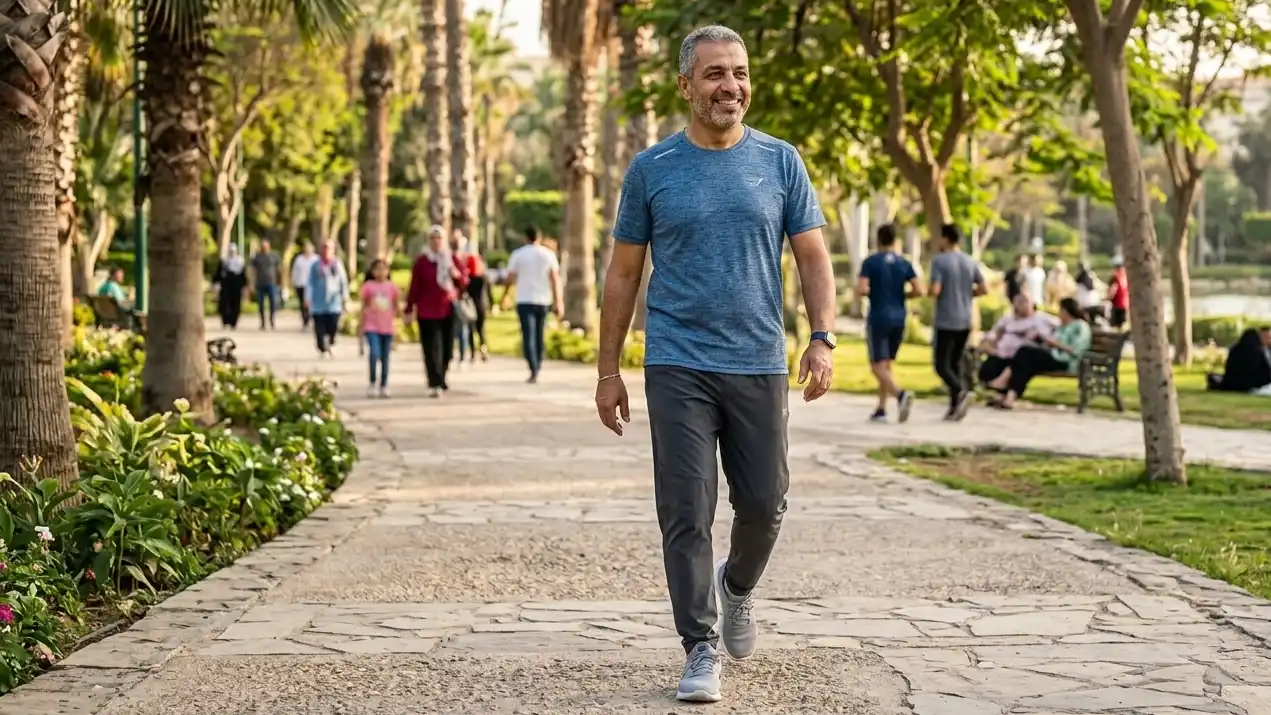
Exercise for diabetes UAE: A Comprehensive Guide to Active Management
Authored by Dr. Ali Aldibbiat, a Consultant Endocrinologist in Dubai, this guide provides expert insights into managing diabetes through physical activity.
Managing diabetes effectively in the UAE often involves a proactive approach, and integrating regular exercise for diabetes UAE is a cornerstone of this strategy. Physical activity helps improve insulin sensitivity, lower blood sugar levels, and reduce the risk of diabetes-related complications. This guide provides actionable advice tailored for residents across Dubai and the wider Emirates, focusing on how to safely and effectively incorporate physical activity into your routine.
Understanding exercise for diabetes UAE: Why Physical Activity is Crucial
Physical activity is not just beneficial; it’s a vital component of holistic diabetes management in Dubai and globally. Regular exercise helps your body use insulin more efficiently, reducing insulin resistance and directly impacting blood sugar levels.
For individuals with diabetes, including those managing type 2 diabetes effectively, consistent physical activity can significantly lower HbA1c, improve cardiovascular health, and support weight management. It also helps in reducing the need for certain medications over time.
How Does Exercise Affect Blood Sugar Levels?
When you exercise, your muscles use glucose for energy, drawing it directly from your bloodstream. This process helps to lower blood sugar levels. Regular physical activity also makes your body’s cells more responsive to insulin, improving insulin sensitivity.
This enhanced sensitivity means your body can transport glucose into cells more efficiently, even with less insulin. This effect can last for hours after your workout, contributing to better overall glycemic control.
Key Benefits of Regular Physical Activity for Diabetes Management
Engaging in consistent physical activity offers a multitude of benefits that extend beyond blood sugar control for those with diabetes. These advantages contribute to a higher quality of life and reduced complication risks.
- Improved Blood Sugar Control: Exercise helps lower blood glucose levels and improves insulin sensitivity, making your body’s cells more receptive to insulin.
- Weight Management: Physical activity burns calories and builds muscle mass, which can aid in weight loss or maintenance, a key factor in diabetes management.
- Cardiovascular Health: Regular exercise strengthens the heart, lowers blood pressure, and improves cholesterol levels, reducing the risk of heart disease, a common comorbidity with diabetes.
- Reduced Stress and Improved Mood: Exercise releases endorphins, which can alleviate stress, anxiety, and depression—mental health aspects often associated with chronic conditions.
- Enhanced Energy Levels: Consistent activity can combat fatigue and boost overall energy, helping you feel more vibrant throughout your day.
Types of exercise for diabetes UAE: Aerobic, Strength, and Flexibility
A well-rounded exercise program for diabetes should incorporate various types of physical activity to maximize benefits. The American Diabetes Association (ADA) and the World Health Organization (WHO) recommend a combination of aerobic and strength training. The Emirates Diabetes Society (EDS) also supports these guidelines for the UAE context.
Best Workout for Type 2 Diabetes: Recommendations
The American Diabetes Association (ADA) recommends at least 150 minutes of moderate-intensity aerobic activity or 90 minutes of vigorous aerobic exercise per week, distributed over at least three days, with no more than two consecutive days of inactivity. This guideline is critical for effective glucose management.
For resistance training, adults with diabetes should engage in 2–3 sessions per week on nonconsecutive days [1]. This comprehensive approach ensures all muscle groups are worked, contributing to better overall health.
Aerobic Exercises for Sustained Blood Sugar Control
Aerobic activities are excellent for burning calories and improving heart health. Consider these options:
- Walking: A simple yet effective exercise. Aim for brisk walks in temperature-controlled malls or shaded parks in the cooler months.
- Cycling: Stationary bikes are great indoor options, while outdoor cycling is enjoyable during milder weather.
- Swimming: A low-impact, full-body workout, ideal for all fitness levels and perfect for hot UAE days.
- Dancing or Aerobics Classes: Many gyms and community centers in Dubai offer classes suitable for various intensities.
Strength Training for Insulin Sensitivity and Muscle Mass
Strength training builds muscle, which helps improve insulin sensitivity and glucose uptake. You don’t need heavy weights; resistance bands or bodyweight exercises are effective.
- Weightlifting: Use free weights or machines. Start with lighter weights and higher repetitions.
- Resistance Bands: Versatile and portable for home workouts or while traveling.
- Calisthenics: Exercises like squats, lunges, push-ups, and planks use your body weight for resistance.
- Pilates or Yoga: These improve strength, flexibility, and balance, crucial for preventing falls and addressing concerns like diabetic neuropathy.
Flexibility and Balance Exercises
Incorporating activities like yoga and stretching improves range of motion, reduces muscle stiffness, and enhances balance, which is particularly important as we age or manage diabetes-related complications.
Building Your Personalized exercise for diabetes UAE Routine
Creating a sustainable exercise plan requires careful planning and consideration of your individual health status, preferences, and the local environment. A personalized approach ensures both effectiveness and safety.
How Often Should I Exercise if I Have Diabetes?
The general recommendation for most adults with diabetes is to aim for at least 150 minutes of moderate-intensity aerobic activity, spread across three to five days a week, with no more than two consecutive days without exercise [2]. Additionally, incorporate strength training for all major muscle groups two to three times per week on non-consecutive days [3].
Developing a Diabetes Exercise Plan in the UAE
A successful plan starts with small, achievable goals. Begin with short bursts of activity, gradually increasing duration and intensity. For example, start with 10-15 minutes of brisk walking and build up to 30 minutes or more.
It is also crucial to break up prolonged sitting every 20-30 minutes with light activity, as recommended by the Emirates Diabetes Society Consensus Guidelines 2020 [4]. This simple habit can significantly impact blood sugar levels.
Sample Diabetic Workout Routine Dubai
Here’s a sample weekly routine that can be adapted for a diabetic workout routine Dubai resident:
| Day | Activity Type | Duration/Sets | Notes |
| Sunday | Moderate Aerobic (e.g., brisk walking in a mall) | 30-45 minutes | Focus on steady pace. |
| Monday | Strength Training (e.g., bodyweight squats, lunges, push-ups, resistance bands) | 2-3 sets of 10-15 reps per exercise | Target major muscle groups. |
| Tuesday | Light Aerobic / Active Recovery (e.g., gentle cycling or swimming) | 30 minutes | Maintain a comfortable pace. |
| Wednesday | Strength Training | 2-3 sets of 10-15 reps per exercise | Focus on different muscle groups from Monday. |
| Thursday | Moderate Aerobic (e.g., dance class or power walk) | 30-45 minutes | Try a new activity to keep it engaging. |
| Friday | Flexibility/Balance (e.g., yoga, Pilates, stretching) | 20-30 minutes | Improve mobility and reduce stiffness. |
| Saturday | Rest or Light Activity | As desired | Listen to your body. |
Essential Safety Precautions for exercise for diabetes UAE
Safety is paramount when engaging in physical activity with diabetes, especially for those on insulin or certain oral medications. Understanding and implementing key precautions can prevent complications like hypoglycemia or hyperglycemia.
Exercise Blood Sugar Drop Precautions: Before and After Exercise
Always check your blood sugar levels before, during (for longer sessions), and after exercise. This is critical for preventing dangerous fluctuations.
- Before Exercise: If your blood sugar is below 100 mg/dL, have a small carbohydrate snack (e.g., fruit, half a sandwich) to raise it. If it’s above 250 mg/dL and ketones are present, delay exercise [5]. If no ketones, proceed with caution and monitor closely.
- During Exercise: Carry a fast-acting glucose source (e.g., glucose tablets, juice) to treat potential hypoglycemia.
- After Exercise: Recheck blood sugar. Exercise can continue to lower blood sugar for several hours, so monitor closely and adjust food intake or medication as advised by your doctor.
Diabetes Exercise Safety Insulin: Adjusting Medication
If you take insulin or certain diabetes medications, your doctor might advise adjusting your dose or timing around exercise to prevent hypoglycemia. Never adjust medication without medical guidance. This is particularly important for type 1. diabetes management.
Understanding how your body responds to activity and medication is a learning process. Regular consultation with your endocrinologist is key to fine-tuning your regimen. For more details on physical activity and exercise guidelines, refer to authoritative sources.
Hydration, Foot Care, and Proper Attire
- Hydration: The UAE climate demands extra attention to hydration. Drink plenty of water before, during, and after exercise to prevent dehydration, which can affect blood sugar levels.
- Foot Care: People with diabetes are prone to foot complications. Wear comfortable, well-fitting athletic shoes and inspect your feet daily for blisters, cuts, or sores.
- Proper Attire: Choose breathable, moisture-wicking clothing, especially when exercising outdoors in warmer months.
- Carry Identification: Always carry identification that indicates you have diabetes, along with emergency contact information.
Overcoming Barriers: Exercise in the Local Climate and Culture
Exercising in the UAE comes with unique considerations, primarily the hot climate for much of the year. However, Dubai and other Emirates offer excellent facilities and opportunities to stay active safely.
- Beat the Heat: During hotter months (May-September), prioritize indoor activities. Utilize air-conditioned gyms, community centers, or large shopping malls for walking. Early morning or late evening outdoors during cooler months is advisable.
- Indoor Options: Many residential buildings and hotels offer temperature-controlled gyms and swimming pools. Consider diabetes fitness programs Dubai offers through various health clubs or specialized centers.
- Cultural Considerations: Engage in activities that align with local cultural norms. Many fitness centers offer ladies-only facilities or specific timings, providing comfortable environments for all.
- Ramadan and Exercise: For those observing Ramadan, exercise routines may need significant adjustment. Consult your doctor about safe activity levels and timings during fasting hours. Learn more about diabetes and Ramadan.
Latest Guidelines and Updates for exercise for diabetes UAE (as of 2026-07-31)
Key updates reinforce the importance of integrating regular physical activity into daily life, especially for patients with understanding the difference between type 1 and type 2 diabetes. The emphasis on breaking up prolonged sedentary time every 20-30 minutes with light activity continues to be a strong recommendation from the EDS 2020 Consensus Guidelines [6].
There’s also increased recognition of the role of exercise in aiding appetite control, as highlighted by some physiotherapy approaches [7]. This perspective underscores the broader metabolic benefits of physical activity beyond just glucose utilization.
Integrating Physical Activity with Your Overall Diabetes Management Plan
Exercise is most effective when viewed as part of a comprehensive diabetes management strategy. This includes medication adherence, healthy eating, and regular medical check-ups.
Working closely with your healthcare team, including an endocrinologist and a registered dietitian, will ensure your exercise plan complements your diet and medication regimen. This integrated approach allows for personalized adjustments based on your progress and health status.
When to Consult an Endocrinologist or Physiotherapist in the UAE
Before embarking on any new exercise program, particularly if you have diabetes or existing complications, consulting a diabetes specialist in Dubai is crucial. An endocrinologist can assess your overall health, identify potential risks, and help tailor an exercise plan that is safe and effective for you.
A physiotherapist in the UAE can provide personalized guidance on proper exercise techniques, help manage any musculoskeletal issues, and develop a structured physical activity for type 2 diabetes UAE routine. This expert guidance is invaluable for optimizing your results and preventing injuries.
Frequently Asked Questions about exercise for diabetes UAE
Can exercise cure diabetes?
While exercise cannot “cure” diabetes, especially type 1, it is a powerful tool for managing type 2 diabetes. Regular physical activity can significantly improve blood sugar control, reduce dependence on medication, and in some cases, lead to remission of type 2 diabetes, particularly when combined with dietary changes. It is a cornerstone of effective management.
What should my blood sugar be before and after exercise?
Before exercise, ideally, your blood sugar should be between 100-250 mg/dL. If it’s below 100 mg/dL, have a small carb snack. If it’s above 250 mg/dL with ketones, delay exercise. After exercise, blood sugar may drop, so monitor it closely. Consult your doctor for personalized targets and adjustments.
What are the safety precautions for exercising with diabetes?
Key safety precautions include checking blood sugar levels before, during, and after activity, staying well-hydrated, wearing appropriate footwear, carrying a fast-acting glucose source, and informing your exercise partners about your condition. Always consult your endocrinologist to tailor precautions to your specific health needs and medication regimen.
Is walking a good exercise for type 2 diabetes?
Yes, walking is an excellent exercise for best workout for type 2 diabetes. It’s low-impact, accessible, and highly effective for improving insulin sensitivity and blood sugar control. Aim for brisk walks for at least 30 minutes, most days of the week. In the UAE, consider walking in air-conditioned malls or during cooler morning/evening hours.
What are some good diabetes fitness programs Dubai offers?
Dubai offers various fitness programs suitable for individuals with diabetes. Many gyms and community centers provide tailored classes or personal training. Look for programs with certified trainers who understand diabetes management, or consider specialized health clinics. Always discuss any new program with your endocrinologist first.
Resources and Further Reading
- American Diabetes Association (ADA): Offers comprehensive guidelines on physical activity for people with diabetes, including recommendations for aerobic and resistance exercise.
- World Health Organization (WHO): Provides global recommendations on physical activity and sedentary behavior, including specific advice for adults living with chronic conditions.
- Emirates Diabetes Society (EDS): Access their consensus guidelines for type 2 diabetes management, which include valuable local recommendations for physical activity in the UAE.
- Centers for Disease Control and Prevention (CDC): Provides practical guidance on physical activity for diabetes management, emphasizing consistent, moderate-intensity exercise.
- National Institutes of Health (NIH): Features research articles on the beneficial effects of exercise in type 2 diabetes and references established guidelines.
Conclusion
Embracing regular exercise for diabetes UAE is a powerful step towards better health and improved diabetes management. By understanding the types of activities, implementing crucial safety precautions, and adapting to the local environment, you can significantly enhance your well-being. Remember that consistency and personalized medical guidance are key to a successful and sustainable exercise journey.
Ready to Take the Next Step?
If you are a patient in Dubai or the wider UAE looking to optimize your diabetes management through a tailored exercise plan, or have concerns about your metabolic and hormonal health, Dr. Ali Aldibbiat and our dedicated Diabetes and Endocrine Center are here to help. Schedule a consultation today to receive expert, personalized care for your unique needs. Contact Dr. Ali Aldibbiat for expert diabetes care in Dubai.