


Navigating pregnancy is a journey filled with joy, anticipation, and naturally, a few health-related questions. For many women in Dubai, one of the most critical health markers monitored during this time is blood sugar. Understanding the gestational diabetes range is not just about numbers; it is about ensuring a healthy environment for your developing baby and a smooth delivery for yourself.
Gestational diabetes mellitus (GDM) is a condition that occurs when your body cannot produce enough insulin, a hormone that helps blood sugar enter your cells to be used as energy, during pregnancy. While the diagnosis can feel overwhelming, it is highly manageable with the right expertise and care. In this guide, we will explore everything from the GTT test in pregnancy to the ideal gestational diabetes diet chart, helping you take control of your endocrine health.
What is Gestational Diabetes?
Gestational diabetes is a type of diabetes that is first diagnosed during pregnancy. Unlike Type 1 or Type 2 diabetes, which exist before conception, gestational diabetes typically develops during the second or third trimester.
When you eat, your digestive system breaks down carbohydrates into sugar (glucose). This glucose enters your bloodstream. In response, your pancreas produces insulin to move that sugar into your cells. However, during pregnancy, the placenta produces hormones that cause glucose to build up in your blood. Usually, your pancreas handles this by pumping out extra insulin. If your pancreas can’t keep up, your blood sugar levels rise, leading to a diagnosis based on the established gestational diabetes range in pregnancy.

What Causes Gestational Diabetes?
While every pregnant woman experiences some degree of insulin resistance due to placental hormones, gestational diabetes occurs when the body cannot overcome this resistance. Several factors can increase the risk for mothers in the UAE:
- Hormonal Shifts: Hormones like cortisol and placental lactogen interfere with insulin’s effectiveness.
- Weight & Lifestyle: Being overweight before pregnancy or having a sedentary lifestyle.
- Polycystic Ovary Syndrome (PCOS): A common endocrine issue in Dubai that impacts insulin sensitivity.
- Genetic Predisposition: A family history of Type 2 diabetes.
- Age: Women over the age of 25 are at a slightly higher risk.
Read also about type 1 vs type 2 diabetes: 5 key differences with Dr. Ali Dubai.
How is Gestational Diabetes Diagnosed?
Diagnosis is a standard part of prenatal care in Dubai, usually occurring between weeks 24 and 28 of pregnancy. If you have high-risk factors, your doctor might recommend a gestational diabetes test during pregnancy much earlier. The diagnosis usually involves a two-step process or a one-step GGT test in pregnancy:
- Glucose Challenge Test (1-hr Test): You drink a sugary solution, and your blood is drawn one hour later.
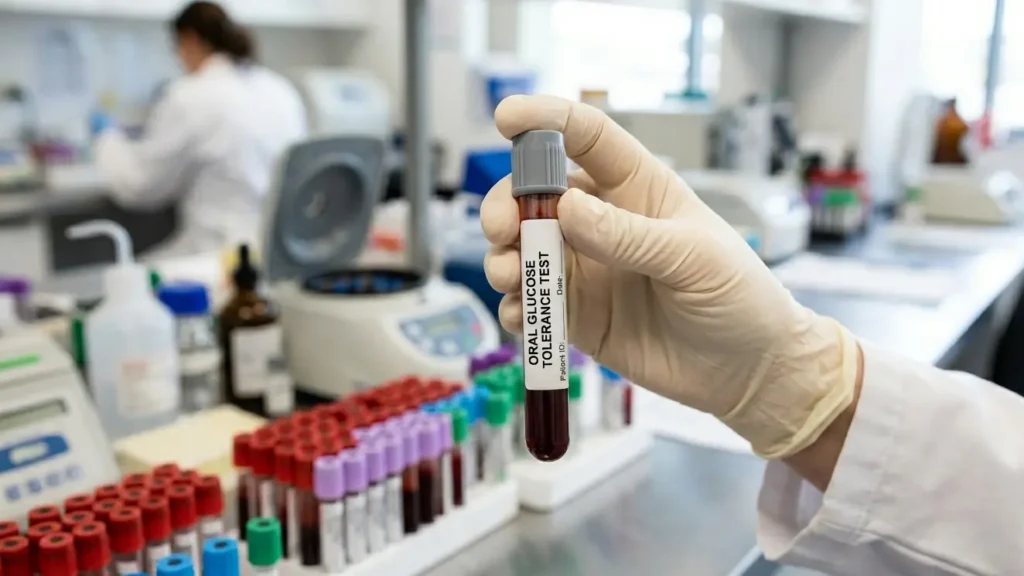
- Oral Glucose Tolerance Test (OGTT/GTT): If the first test is high, a more detailed 3-hour test follows, requiring fasting.
Tests for Gestational Diabetes: Understanding the Procedures
To accurately determine if you fall within the gestational diabetes range, healthcare providers use specific diagnostic tools:
- 1 hr Glucose Test
During the 1 hr glucose test, you don’t necessarily need to fast. You consume a liquid containing 50 grams of glucose. If your blood sugar is higher than 130 to 140 mg/dL, it is considered a positive screen, and you will move on to the 3-hour GTT. - GTT (Glucose Tolerance Test) in Pregnancy
The GTT in pregnancy normal values are determined by taking a fasting sample, then drinking a 75g or 100g glucose solution. Blood is then drawn at 1, 2, and sometimes 3-hour intervals.
Read also about the glucose tolerance test Pregnancy: guide by Dr. Ali in Dubai
What is a Normal Sugar Level for Gestational Diabetes?
Achieving the gestational diabetes normal range is the primary goal of treatment. According to international standards and practices followed in premium Dubai clinics, the targets are generally stricter for pregnant women than for the general population.
| Timing | Target Range (mg/dL) | Target Range (mmol/L) |
| Fasting | 95 mg/dL | 5.3 mmol/L |
| 1 Hour After Meal | 140 mg/dL | 7.8 mmol/L |
| 2 Hours After Meal | 120 mg/dL | 6.7 mmol/L |
Note!
Always follow the specific ranges provided by your endocrinologist, as they may vary slightly based on individual health profiles.
What is Borderline Gestational Diabetes in Pregnancy?
“Borderline” is a term often used when your GTT test normal range in pregnancy results are just at the edge of the cutoff. While not a formal medical diagnosis, it serves as a “yellow light.” It suggests that while you might not require medication, your body is struggling to process sugar. In these cases, implementing a gestational diabetes diet plan immediately can prevent the condition from progressing.
What is an Alarming Sugar Level in Pregnancy?
An alarming sugar level in pregnancy is generally considered to be a fasting level above 126 mg/dL or a post-meal level that consistently exceeds 200 mg/dL. Very high blood sugar (hyperglycemia) can lead to complications such as:
- Macrosomia: An extra-large baby, making delivery difficult.
- Preeclampsia: High blood pressure in the mother.
- Polyhydramnios: Too much amniotic fluid.

What is a Bad Gestational Diabetes Score?
A “bad” score refers to results during the gestational diabetes range 3 hour test that significantly exceed the thresholds. For example, if two or more of your readings (fasting, 1-hour, 2-hour, or 3-hour) are above the limits, a diagnosis of GDM is confirmed. High scores indicate that your pancreas is significantly under-producing insulin relative to the pregnancy’s demands.
Read also about home diabetes test: normal ranges & how to do it with Dr Ali.
Normal Fasting Blood Sugar Levels for Pregnant Women
The gestational diabetes range fasting is perhaps the most critical metric. When you wake up, your blood sugar should ideally be below 95 mg/dL. High fasting levels often indicate that the liver is releasing too much glucose overnight, which may be harder to control with diet alone and might require nighttime insulin or metformin.
Post-Meal Blood Sugar Targets
Managing gestational diabetes levels 1 hour after eating is about choosing the right fuel. Your 1-hour post-meal target is usually under 140 mg/dL. This ensures that the “spike” in sugar after eating is short-lived and doesn’t affect the baby’s insulin production.
Gestational Diabetes Diet Plan and Chart
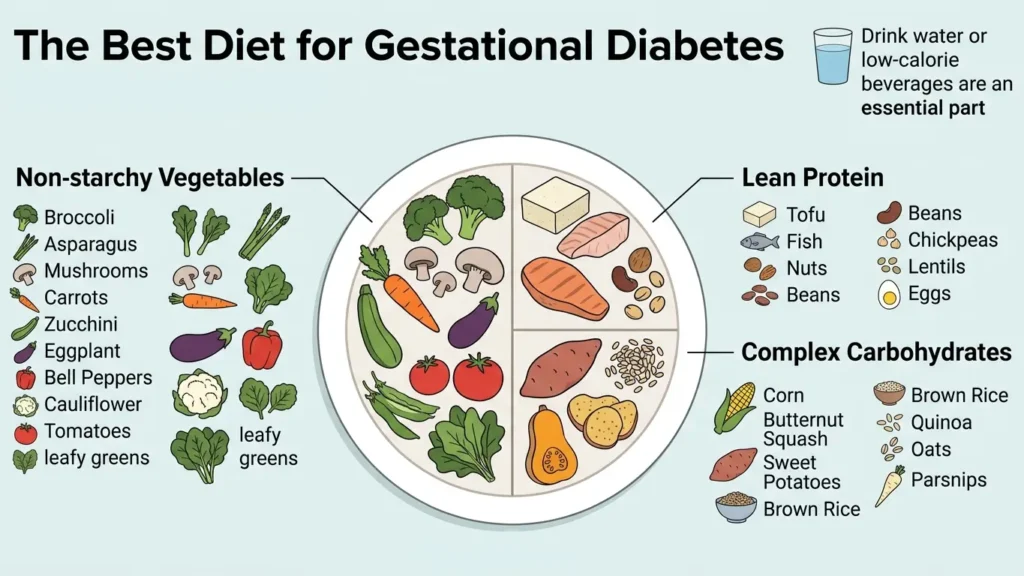
Nutrition is the cornerstone of managing your gestational diabetes range. A proper gestational diabetes diet chart focuses on complex carbohydrates, high fiber, and lean proteins.
Key Dietary Principles:
- Complex Carbs: Switch white rice for brown rice, quinoa, or oats.
- Protein Pairing: Never eat a carb alone. Always pair fruit or bread with a protein like nuts, cheese, or eggs to slow sugar absorption.
- Fiber is King: Load up on non-starchy vegetables like spinach, broccoli, and peppers.
- Small, Frequent Meals: Instead of three large meals, aim for three moderate meals and two to three snacks to keep blood sugar stable.
Gestational Diabetes Treatment Options
If diet and exercise aren’t enough to stay within the normal sugar level in pregnancy, medical intervention becomes necessary.
- Blood Glucose Monitoring: Checking your levels 4 times a day using a lancet and meter.
- Physical Activity: 30 minutes of walking after meals can significantly lower blood sugar.
- Oral Medication: Metformin is sometimes used to improve insulin sensitivity.
- Insulin Therapy: The gold standard for safety in pregnancy, as it does not cross the placenta.
How to Choose the Right Doctor for Gestational Diabetes in Dubai
When you are managing a high-risk condition like GDM, you need more than just a doctor; you need a partner. In Dubai’s healthcare landscape, look for an endocrinologist who specializes in “Maternal-Fetal Medicine” or “Diabetes in Pregnancy.”
The right specialist will:
- Provide a personalized gestational diabetes range chart.
- Offer empathetic support, understanding the stress of pregnancy.
- Use the latest technology for glucose monitoring.
- Collaborate closely with your OB-GYN.
Dr. Ali Aldibbiat is widely recognized as a leading authority in endocrine health in the region. His approach combines clinical excellence with a deep understanding of the unique lifestyle factors affecting women in Dubai, ensuring both mother and baby remain healthy throughout the pregnancy journey.
Experience Expert Care with Dr. Ali Aldibbiat
Don’t let a gestational diabetes diagnosis steal the joy of your pregnancy. Professional guidance is the key to a healthy delivery and a healthy baby. Dr. Ali Aldibbiat provides specialized care tailored to your specific needs, helping you master your gestational diabetes range with confidence.
Contact Dr. Ali Aldibbiat’s Clinic Today to Schedule Your Consultation.
FAQs about gestational diabetes range
Is gestational diabetes type 1 or 2?
Gestational diabetes is neither Type 1 nor Type 2. It is a temporary form of diabetes triggered by pregnancy hormones. However, having GDM does increase your risk of developing Type 2 diabetes later in life.
Can I prevent gestational diabetes?
While you cannot always prevent it (due to genetics and hormones), you can significantly lower your risk by maintaining a healthy weight before conception, staying active, and eating a high-fiber, low-sugar diet during early pregnancy.
Is gestational diabetes high risk pregnancy?
Yes, it is classified as high-risk, but this simply means you will receive more frequent monitoring and ultrasounds to ensure the baby’s growth and amniotic fluid levels are normal.
Does gestational diabetes mean baby is diabetic?
No. It does not mean your baby is born with diabetes. However, it means the baby’s pancreas has to work harder during pregnancy. After birth, the baby may be at risk for low blood sugar (hypoglycemia) temporarily or a higher risk of Type 2 diabetes later in life.
What is the best diet for gestational diabetes?
The best diet is the “Plate Method”: Half the plate with non-starchy vegetables, one-quarter with lean protein (chicken, fish, tofu), and one-quarter with complex carbohydrates (sweet potato, brown rice).
Final words about gestational diabetes range
Understanding your gestational diabetes range is the first step toward a safe and healthy pregnancy. While the numbers on a gestational diabetes blood sugar levels chart might seem intimidating at first, they are simply tools to help you and your healthcare provider make the best decisions for your family.
By following a tailored gestational diabetes diet plan, staying active, and working with a specialist like Dr. Ali Aldibbiat, you can effectively manage your levels. Remember, gestational diabetes is a manageable condition, and with the right care, most women go on to have perfectly healthy babies and normal blood sugar levels shortly after delivery.
References
- Cleveland Clinic: Gestational Diabetes Overview
- Mayo Clinic: Diagnosis & Treatment of Gestational Diabetes
- Cambridge University Hospitals: Diabetes in Pregnancy