
Vitality Health Calculator Patient Connection Hub
glucose tolerance test pregnancy

Glucose Tolerance Test Pregnancy: Guide by Dr. Ali in Dubai

Preparing for your glucose tolerance test pregnancy? Dr. Ali in Dubai provides instructions and expert results analysis for a safe and healthy journey.


Pregnancy is a journey of profound change, and ensuring the health of both mother and baby is paramount. Among the various screenings recommended by healthcare providers, the glucose tolerance test pregnancy screening (often referred to as the GTT or OGTT) stands out as a critical tool in prenatal care. For many expectant mothers in Dubai and Sharjah, navigating the specifics of gestational diabetes can feel overwhelming. However, understanding how your body processes sugar during these nine months is a proactive step toward a healthy delivery.

In this guide, we will break down everything you need to know about the GTT test in pregnancy, from the procedure and normal ranges to why expert consultation with specialists like Dr. Ali Aldibbiat is essential for managing metabolic health during this delicate time.

What is an Oral Glucose Tolerance Test?

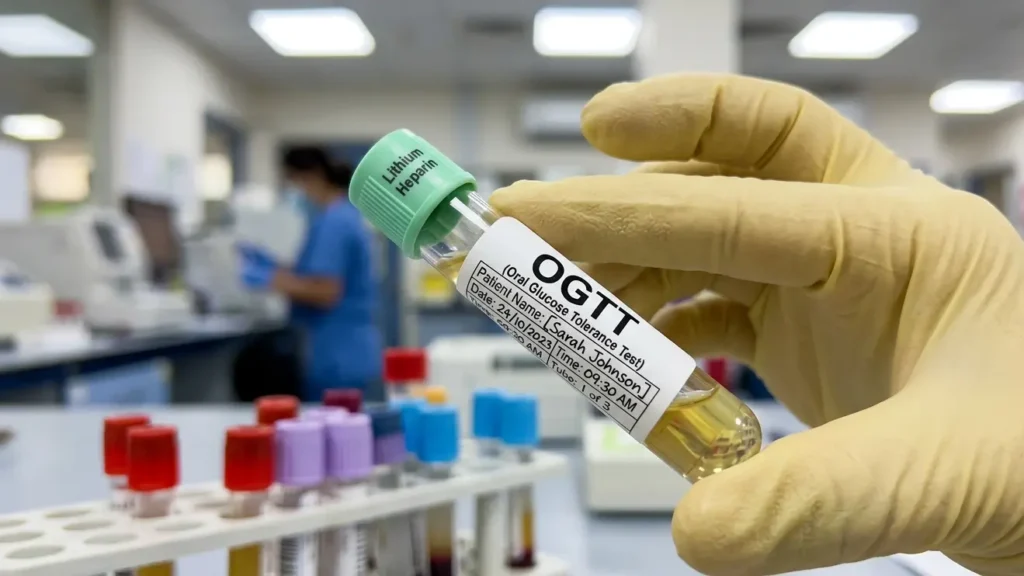
The Oral Glucose Tolerance Test (OGTT in pregnancy) is a medical screening used to measure how your body’s cells are able to absorb glucose (sugar) after you consume a specific amount of sugar. In the context of pregnancy, it is the gold standard for diagnosing gestational diabetes mellitus (GDM).

When you eat, your body breaks down carbohydrates into glucose, which enters your bloodstream. Insulin, a hormone produced by the pancreas, acts as a “key” that allows glucose to enter your cells to be used for energy. During pregnancy, the placenta produces hormones that can cause insulin resistance. If your pancreas cannot produce enough insulin to overcome this resistance, blood sugar levels rise, leading to gestational diabetes.

What is an OGTT

Why Do You Need a Glucose Test During Pregnancy?

The primary reason for a GTT pregnancy screening is to detect gestational diabetes early. Most women with GDM do not experience noticeable symptoms, making the test the only reliable way to identify the condition.

Identifying and managing high blood sugar is vital because untreated gestational diabetes can lead to:

  • Macrosomia: The baby grows too large, which can complicate delivery.
  • Preeclampsia: High blood pressure in the mother.
  • Hypoglycemia for the baby: Low blood sugar in the infant immediately after birth.
  • Increased risk of Type 2 diabetes: Both for the mother and the child later in life.

When is a Glucose Tolerance Test Required in Pregnancy?

A common question among mothers is: Glucose test pregnancy what week should it be done?

For most women, the GTT in pregnancy is scheduled between 24 and 28 weeks of gestation. This is the period when placental hormones are most likely to significantly interfere with insulin production. However, if you have high-risk factors, such as a high BMI, a family history of diabetes, or a history of GDM in a previous pregnancy, your doctor may recommend an earlier screening during your first trimester.

How to Prepare for a Glucose Tolerance Test?

Preparation is key to ensuring accurate glucose tolerance test during pregnancy results. While your healthcare provider will give you specific instructions, general guidelines include:

  1. Maintain a Normal Diet: In the three days leading up to the test, eat your usual amount of carbohydrates (bread, rice, fruit). Do not try to “cheat” the test by avoiding sugar, as this can lead to an inaccurate result.
  2. Physical Activity: Continue your normal routine, but avoid strenuous exercise 12 hours before the test.
  3. Medications: Inform your doctor about any medications you are taking, as some (like corticosteroids) can affect blood sugar levels.

Is Fasting Required Before OGTT?

Yes, for the 75 gram glucose tolerance test pregnancy and the standard diagnostic OGTT, fasting is mandatory. You will typically be asked to fast for at least 8 to 12 hours before the procedure. During this time, you should not eat or drink anything except small sips of water. This ensures that your “baseline” or fasting blood sugar level is not influenced by recent meals.

Preparing for a Glucose Tolerance Test

How is GTT Performed During Pregnancy? (The Procedure)

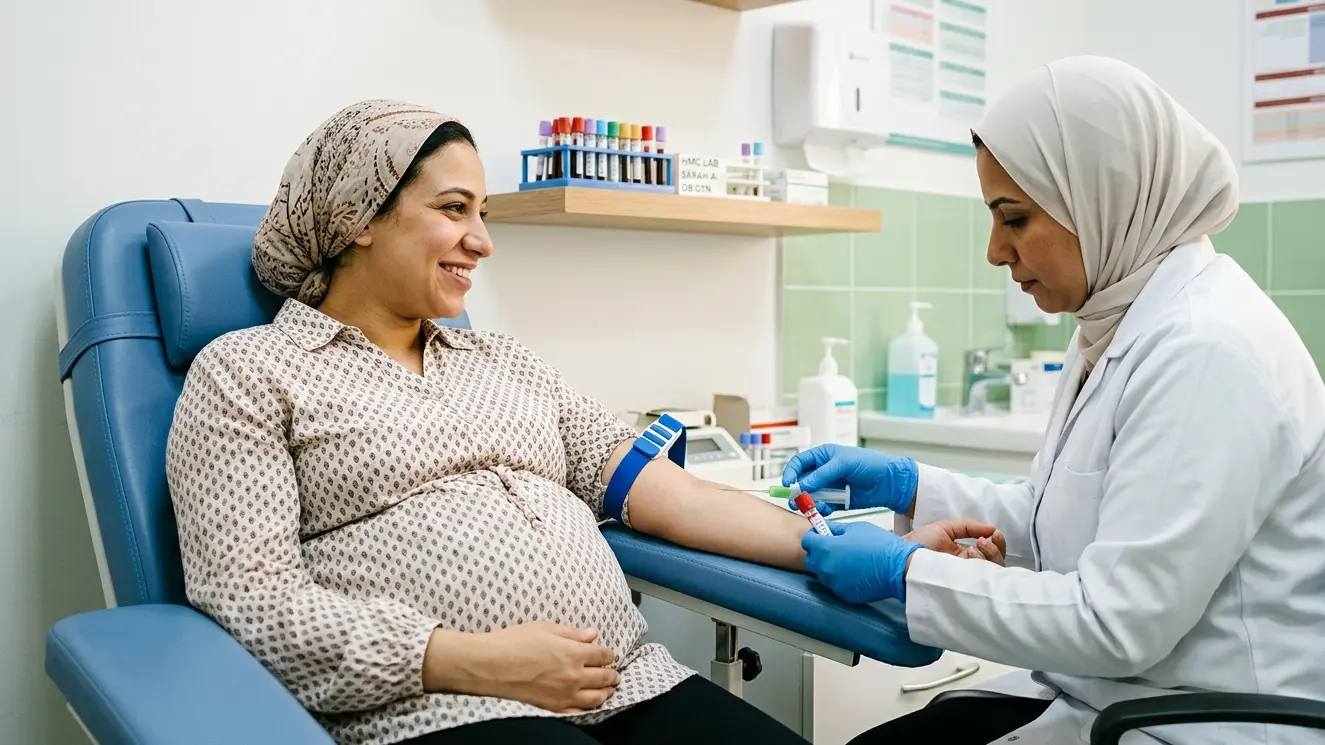
The glucose tolerance test during pregnancy procedure is straightforward but requires patience.

  • Step 1: The Fasting Draw: Upon arrival, a technician will take a sample of your blood to check your fasting glucose level.
  • Step 2: The Glucose Drink: You will be asked to drink a syrupy liquid containing a specific amount of glucose (usually the 75-gram glucose tolerance test pregnancy or a 50-gram drink for the initial screen). You must finish the drink within 5 minutes.
  • Step 3: The Waiting Period: You will be asked to remain seated in the waiting area. Moving around can burn glucose and skew the results.
  • Step 4: Subsequent Draws: Depending on whether you are doing a 1-hour, 2-hour, or 3-hour test, your blood will be drawn at specific intervals to see how quickly your body processes the sugar.

How Long Does the GTT Take to Perform?

The duration depends on the specific protocol your clinic follows:

  • 1 hr glucose test: Usually takes about 75 minutes total.
  • 2 hour glucose tolerance test pregnancy: Takes approximately 2.5 hours.
  • 3 hour test: Can take up to 4 hours.
duration GTT Take to Perform

Side Effects of the Oral Glucose Drink

The oral glucose solution is very sweet, think of it as a concentrated flat soda. While most women tolerate it well, some may experience mild side effects:

  • Nausea or an upset stomach.
  • Lightheadedness or dizziness.
  • A brief “sugar rush” followed by a “crash.”

If you vomit shortly after drinking the solution, the test will likely need to be rescheduled for another day.

Understanding Your Results: Normal Values and Ranges

Once the lab processes your blood, you will receive your glucose tolerance test during pregnancy results. The criteria for diagnosis can vary slightly depending on whether your doctor uses the one-step or two-step approach.

1 Hour Glucose Tolerance Test Pregnancy Normal Range

In the initial screening (50g test), a blood sugar level below 140 mg/dL (7.8 mmol/L) is generally considered normal. If your levels are higher than this, it does not mean you have gestational diabetes; rather, it means you need to take the more intensive diagnostic test.

GTT in Pregnancy Normal Values (75g One-Step Test)

The World Health Organization (WHO) and many clinics in Dubai utilize the 75-gram glucose tolerance test pregnancy normal values. A diagnosis of gestational diabetes is made if any of the following values are met or exceeded:

  • Fasting: 92 mg/dL (5.1 mmol/L)
  • 1 Hour: 180 mg/dL (10.0 mmol/L)
  • 2 Hour: 153 mg/dL (8.5 mmol/L)

3 Hour Glucose Test Normal Range

For the 100g three-hour test, doctors typically look for two or more abnormal values to confirm GDM:

  • Fasting: < 95 mg/dL
  • 1 Hour: < 180 mg/dL
  • 2 Hour: < 155 mg/dL
  • 3 Hour: < 140 mg/dL

Managing Your Health with Expert Care

Receiving a diagnosis of gestational diabetes can be stressful, but it is a manageable condition. The goal is to keep your blood sugar levels within a healthy range to ensure a safe pregnancy. This is where specialized care becomes invaluable.

Dr. Ali Aldibbiat is a renowned expert in endocrinology, providing compassionate and evidence-based care for women facing metabolic challenges in Dubai. By working with a specialist, you gain access to personalized nutrition plans, blood sugar monitoring strategies, and, if necessary, medical interventions that prioritize the safety of your baby.

If you have received abnormal GTT test normal range in pregnancy results or have concerns about your metabolic health, consulting with Dr. Ali Aldibbiat ensures you are not navigating this path alone.

FAQs about glucose tolerance test pregnancy

How to pass an 1 hour glucose tolerance test in pregnancy?

You cannot “pass” the test through short-term tricks. The best way to ensure an accurate result that reflects your actual health is to eat a balanced, carbohydrate-consistent diet in the days leading up to the test and follow the fasting instructions strictly.

Yes, the GTT test is very safe. It simply involves drinking a sugar solution and having blood drawn. It poses no risk to the baby and is a standard part of prenatal care worldwide.

In most cases, gestational diabetes disappears shortly after the baby is born. However, having GDM increases your risk of developing Type 2 diabetes later in life. It is usually recommended to have a follow-up OGTT in pregnancy (post-partum) 6 to 12 weeks after delivery.

If you are diagnosed with GDM, it is best to limit Sugary drinks and sodas, Highly processed snacks and candies, White breads and pastries, Excessive portions of high-glycemic fruits. Focus instead on complex carbohydrates, lean proteins, and healthy fats.

Yes. With proper management—which includes diet, exercise, and monitoring—the vast majority of women with gestational diabetes give birth to healthy babies. Early detection through the glucose tolerance test pregnancy screening is the most important factor.

Final words about glucose tolerance test pregnancy

The glucose tolerance test pregnancy screening is a vital milestone in your prenatal journey. Whether you are checking yourglucose tolerance test pregnancy or undergoing a full diagnostic GTT test, these results provide a roadmap for your health.

In Dubai, expectant mothers deserve the highest standard of endocrine care. Dr. Ali Aldibbiat specializes in helping patients manage gestational diabetes with precision and empathy, ensuring that your metabolic health supports a thriving pregnancy. If you are approaching your 24th week or have risk factors that require early screening, do not hesitate to reach out for expert guidance.

Share your love