Get expert treatment with the best thyroid doctor in Dubai.
Living in a fast-paced global hub like Dubai means balancing a demanding career, social obligations, and family life. However, when your body’s...
 Written by
admin
Written by
admin
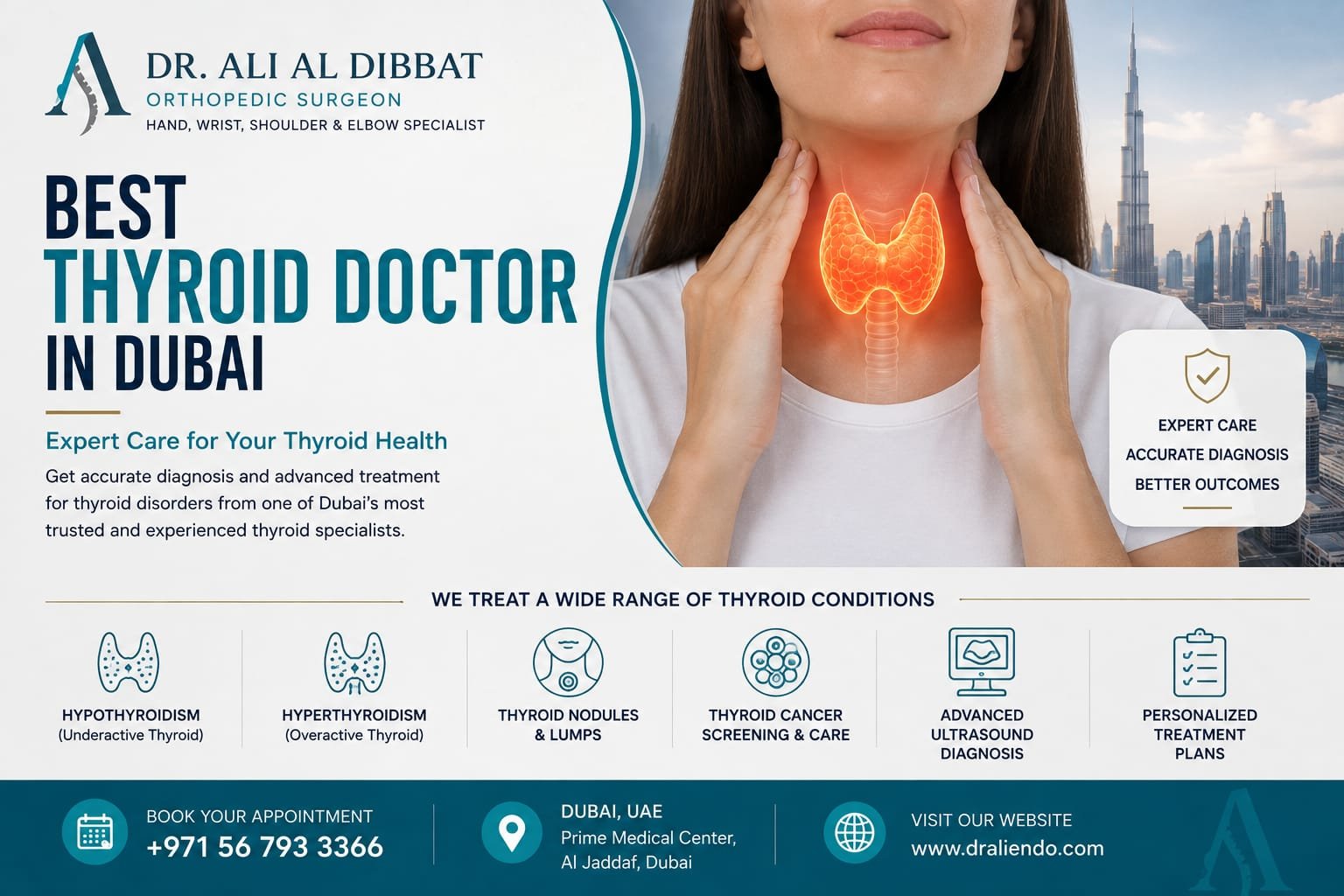
Living in a fast-paced global hub like Dubai means balancing a demanding career, social obligations, and family life. However, when your body’s internal thermostat goes out of sync, keeping up with this high-energy lifestyle becomes incredibly difficult. If you are experiencing sudden, unexplained shifts in your weight, persistent exhaustion that a good night’s sleep cannot fix, or unexplained mood changes, the root cause might be sitting right in the front of your neck.
Your thyroid gland controls how your body uses energy. When it malfunctions, finding a reliable, highly skilled thyroid doctor becomes essential to reclaiming your quality of life. Navigating endocrine health can feel overwhelming with so many medical options available across the UAE. This comprehensive guide will break down how your thyroid works, the warning signs of a hormonal imbalance, and what to expect when you consult a specialist. We will also explore why working with an expert like Dr. Ali Aldibbiat can make all the difference in your long-term wellness journey.
What is Thyroid Function?
The thyroid is a small, butterfly-shaped endocrine gland located at the base of your neck, resting just below the Adam’s apple. Despite its modest size, its functional footprint across your body is massive. The primary role of the thyroid is to produce, store, and release critical hormones into your bloodstream.
These hormones act as chemical messengers that communicate with nearly every single cell in your body. They dictate how fast your heart beats, how deeply you breathe, how efficiently your digestive system processes food, and how effectively you burn calories. Essentially, your thyroid function acts as the main control panel for your entire metabolism. When your thyroid function is optimal, your body systems run smoothly and efficiently. If it produces too much or too little hormone, your metabolic balance is disrupted, leading to wide-ranging physical and emotional symptoms.
How Thyroid Works
To understand why consulting a thyroid specialist doctor is so important when things go wrong, it helps to understand the delicate feedback loop that regulates this gland. The thyroid does not operate in isolation; it works as part of a complex hormonal chain command involving the brain.
- The Brain’s Signal: The process begins in the brain, where the hypothalamus monitors hormone levels and releases Thyrotropin-Releasing Hormone (TRH).
- The Pituitary Command: TRH prompts the pituitary gland—a tiny structure located at the base of the brain—to produce Thyroid-Stimulating Hormone (TSH).
- Hormone Production: TSH travels through the bloodstream to the thyroid gland, telling it exactly how much hormone to manufacture. The two primary hormones produced are Thyroxine (T4), which is relatively inactive, and Triiodothyronine (T3), the highly active form.
- Conversion and Regulation: Your body’s tissues convert T4 into T3 as needed to fuel cellular activity. Once hormone levels in the blood reach the appropriate threshold, a negative feedback loop signals the brain to slow down TSH production.
Because this feedback loop is incredibly sensitive, even a minor disruption at any point in the chain can result in significant metabolic issues.
What is Thyroid Disease?
When the regulatory feedback loop breaks down, thyroid disease develops. This is a broad term encompassing several distinct medical conditions where the gland fails to produce the correct amount of hormones, or develops structural irregularities.
- The two most common functional conditions are:
Hypothyroidism (Underactive Thyroid): This occurs when the gland doesn’t produce enough hormones. Without adequate T3 and T4, your body’s metabolic processes slow down dramatically, leaving you feeling sluggish, cold, and fatigued. - Hyperthyroidism (Overactive Thyroid): Conversely, if the gland overproduces hormones, your body goes into metabolic overdrive. This can feel like your body is running a constant, exhausting internal race.
Beyond functional imbalances, thyroid disease also includes structural abnormalities. These include goiter (an abnormal enlargement of the gland) and thyroid nodules (solid or fluid-filled lumps that form within the tissue). While the vast majority of nodules are benign, they require careful medical evaluation by an expert doctor for thyroid issues to rule out malignancy.
What Causes Thyroid Problems?
Thyroid conditions rarely develop without an underlying trigger. Medical research points to several primary drivers that disrupt normal hormonal production:
- Autoimmune Disorders: The most frequent cause of thyroid dysfunction stems from the immune system mistakenly attacking healthy tissue. Hashimoto’s thyroiditis is an autoimmune condition where antibodies gradually destroy the gland’s productive capacity, causing hypothyroidism. Conversely, Graves’ disease is an autoimmune disorder where the immune system stimulates the gland to produce far too much hormone, resulting in hyperthyroidism.
- Nutritional Imbalances: Your thyroid requires specific micronutrients to synthesize hormones, with iodine being the most critical. While iodine deficiency is rare in modern urban centers like Dubai, both a severe lack or an excessive overload of iodine can trigger issues.
- Genetic Factors: A family history of endocrine issues significantly increases your personal risk of developing similar conditions.
- Inflammation (Thyroiditis): Temporary inflammation, often triggered by a viral infection or occurring post-pregnancy, can cause a sudden release of stored hormones into the blood.
- Medical Treatments: Prior radiation therapies to the neck area, certain specialized medications, or partial surgical removal of the gland can permanently alter its functional capacity.
Common Symptoms of Thyroid Disorders
Because thyroid hormones regulate your entire metabolism, the symptoms of a disorder can mimic other lifestyle factors or stress. Recognizing these signs early can guide you to seek help from doctors specializing in thyroid problems.
The symptoms generally present differently depending on whether your metabolism is slowing down or speeding up:
Symptoms of an Underactive Thyroid (Hypothyroidism)
- Chronic, unrelenting fatigue and muscle weakness
Unexplained weight gain or extreme difficulty losing weight despite a healthy diet - Intense sensitivity to cold temperatures
- Dry, thinning skin and brittle hair
- Frequent constipation and digestive sluggishness
- Brain fog, memory challenges, and low mood
Symptoms of an Overactive Thyroid (Hyperthyroidism)
- Sudden, unintentional weight loss accompanied by an increased appetite
Rapid, racing, or irregular heartbeat (palpitations) - Heightened anxiety, irritability, and nervous tremors in the hands
- Excessive sweating and intolerance to warm environments
- Changes in sleep patterns, leading to severe insomnia
- More frequent bowel movements or diarrhea
How Can Thyroid Specialist Doctor Identify Thyroid Problems?
Diagnosing a hormonal imbalance requires a careful, methodical approach. A general physician may note your initial symptoms, but an expert thyroid specialist doctor will utilize a combination of clinical evaluations and diagnostic tools to uncover the exact nature of your condition.
Detailed Clinical History
Your consultant will begin by discussing your lifestyle, symptom timeline, family history, and overall well-being. This helps contextualize your lab results.
Comprehensive Blood Profiles
Blood tests are the gold standard for evaluating endocrine health. A specialist will typically look beyond basic metrics to order a full panel, which includes:
- TSH Test: High TSH levels usually point to hypothyroidism (the brain is working overtime to stimulate a sluggish gland), while low TSH suggests hyperthyroidism.
- Free T3 and Free T4: These measure the actual amount of active, unbound hormones circulating in your system.
- Thyroid Antibody Tests: Testing for TPO (thyroid peroxidase) or TgAb (thyroglobulin) antibodies helps determine if an autoimmune condition like Hashimoto’s or Graves’ is the underlying cause.
Advanced Diagnostic Imaging
If your doctor detects physical swelling or nodules during a neck examination, they will order an ultrasound. High-resolution ultrasound imaging allows the physician to view the internal structure of the gland, measure its exact dimensions, and characterize the composition of any internal nodules. If a nodule shows suspicious characteristics, a Fine Needle Aspiration (FNA) biopsy may be performed to ensure it is non-cancerous.
Thyroid Treatment Options Offered by Thyroid Specialist Doctor
Once a clear diagnosis is established, your specialist will design a personalized treatment plan tailored to your specific condition, age, and lifestyle goals.
Managing Hypothyroidism
The standard treatment for an underactive thyroid is straightforward but requires precise monitoring: Hormone Replacement Therapy. Patients take a daily, synthetic version of the T4 hormone called levothyroxine. This medication safely replaces what your body cannot produce on its own, gradually reversing symptoms like fatigue and sluggish metabolism. Finding the exact dosage requires routine blood monitoring, as individual requirements fluctuate based on lifestyle, weight changes, and age.
Managing Hyperthyroidism
An overactive thyroid requires strategies to slow down excessive hormone production:
- Antithyroid Medications: Drugs like carbimazole or methimazole stop the gland from overproducing hormones.
- Beta-Blockers: These medications do not alter hormone levels directly, but they quickly address distressing symptoms like a racing heart, tremors, and anxiety.
- Radioactive Iodine Therapy: An oral treatment where radioactive iodine is absorbed by the overactive thyroid cells, safely shrinking or destroying them to slow down production.
- Surgical Options (Thyroidectomy): In cases involving large goiters that restrict breathing or swallowing, suspicious nodules, or when medications are poorly tolerated, a surgeon may remove part or all of the gland.
How to Avoid Thyroid Problems
While you cannot completely alter your genetics or prevent autoimmune diseases from developing, adopting proactive, evidence-based habits can support long-term endocrine health and overall hormone balance.
- Prioritize a Nutrient-Dense Diet: Ensure your diet contains adequate iodine, selenium, and zinc. Whole foods like seafood, eggs, dairy, and Brazil nuts naturally supply these essential thyroid building blocks. Always discuss lifestyle adjustments with a professional before taking concentrated supplements, as excessive iodine can worsen certain conditions.
- Manage Chronic Stress: Prolonged stress triggers high cortisol levels, which can interfere with normal thyroid hormone synthesis and conversion. Incorporate stress-management practices into your daily routine, such as regular physical activity, meditation, or breathwork.
- Limit Exposure to Environmental Toxins: Certain industrial chemicals, heavy metals, and endocrine disruptors (like BPA found in some plastics) can interfere with your hormonal pathways. Choose whole foods, use glass storage containers when possible, and ensure access to clean, filtered drinking water.
- Schedule Regular Screenings: If you have a known family history of endocrine disorders, speak with your physician about incorporating a routine TSH test into your annual health checkups. Catching minor shifts early makes management much simpler.
When Should You Consult Your Doctor for Thyroid Issues?
It can be tempting to dismiss persistent low energy, mood fluctuations, or weight changes as simple side effects of a stressful life in Dubai. However, waiting until symptoms become debilitating can complicate your recovery.
You should book an appointment with a professional if you experience:
- Persistent exhaustion that remains unchanged despite getting adequate rest and improving your sleep hygiene.
- Rapid, unexpected shifts in your weight that occur without any significant alterations to your diet or exercise routines.
- A visible swelling, fullness, or asymmetry at the base of your neck, or difficulty swallowing and breathing comfortably.
- A resting heart rate that feels consistently rapid, fluttering, or unusually slow.
- Ongoing fertility struggles or significant, unpredictable irregularities in your menstrual cycle.
Which Specialist Doctor to Consult for Thyroid
When seeking care for a hormone or endocrine system issue, navigating medical terminology can be confusing. Many patients ask: what is a thyroid specialist called?
The correct specialist to consult is an Endocrinologist. Endocrinologists are internal medicine physicians who undergo years of advanced training to diagnose and manage disorders of the endocrine glands and hormone pathways. While general practitioners can run initial baseline blood tests, an endocrinologist possesses the specialized expertise required to interpret complex hormone interactions, perform diagnostic ultrasounds, manage delicate medication adjustments, and identify long-term treatment strategies.
Why Is Dr. Ali Aldibbiat the Best Thyroid Doctor in Dubai?
When managing your endocrine health, finding a highly experienced physician who balances deep medical knowledge with a compassionate approach is essential. Dr. Ali Aldibbiat is widely recognized as a premier best thyroid doctor in dubai, known for delivering world-class, personalized medical care.
With an extensive clinical background in endocrinology, diabetes, and metabolic disorders, Dr. Ali Aldibbiat provides patients with an authoritative, evidence-based approach to healing. He understands that endocrine disorders present differently in every individual. Rather than relying on rigid, one-size-fits-all treatments, he leverages advanced diagnostic testing and modern medical protocols to tailor therapies to each patient’s unique biochemistry and lifestyle.
Operating from a state-of-the-art clinic, Dr. Ali Aldibbiat emphasizes clear communication, patient education, and long-term wellness. He takes the time to explain your lab results, explore all available treatment options, and partner with you throughout your recovery. This dedicated, patient-first philosophy ensures you receive exceptional medical care designed to safely restore your energy, vitality, and hormonal balance.
To learn more about his medical background, explore available services, or book an initial consultation, you can visit the Dr Ali aldibbiat ’ website for detailed patient resources.
FAQs About Thyroid Doctor in Dubai
Can you live without a thyroid disease?
Yes, you can absolutely live a long, healthy, and fully active life without a functioning thyroid gland, or after having it surgically removed. If the gland is absent or inactive, a specialist will prescribe a daily hormone replacement medication like levothyroxine. This medication replaces the missing hormones, allowing your metabolism to function normally.
How to take thyroid tablet?
To ensure optimal absorption, you should take your thyroid medication first thing in the morning on an empty stomach, at least 30 to 60 minutes before eating breakfast or drinking caffeinated beverages. Always take the tablet with a full glass of water, and avoid taking iron, calcium supplements, or antacids within four hours of your dose, as they can interfere with absorption.
Is ashwagandha good for thyroid?
Ashwagandha is an adaptogenic herb that some preliminary studies suggest may elevate T3 and T4 levels. While this can sometimes benefit individuals with mild hypothyroidism, it can be highly dangerous for anyone with an overactive thyroid or an undiagnosed condition, potentially triggering hyperthyroidism. You should always consult your physician before starting any herbal supplements.
Do i have to fast for a thyroid blood test?
In most standard cases, a routine thyroid blood test does not strictly require fasting from food or water. However, if your doctor is checking other metabolic markers simultaneously, such as fasting blood glucose or a lipid panel, you will need to fast. Additionally, if you are already taking thyroid medication, your doctor may advise you to delay your morning dose until after your blood sample is collected.
Final Thoughts About Thyroid Specialist Doctor
Your hormones serve as the foundation for your daily energy, physical health, and emotional well-being. Leaving a suspected hormone imbalance unaddressed can impact your productivity, mood, and long-term vitality. Partnering with a dedicated thyroid consultant doctor allows you to cut through the guesswork, uncover the root cause of your symptoms, and begin an effective, tailored treatment plan.
If you suspect your thyroid is causing your symptoms, take the first proactive step toward recovery today. Booking an evaluation with an experienced expert like Dr. Ali Aldibbiat will provide you with the professional guidance, diagnostic clarity, and advanced therapeutic care needed to restore your health and wellness.
References
- American Thyroid Association (ATA): www.thyroid.org – For clinical guidelines, patient education, and extensive research updates on thyroid disorders.
- The Lancet Diabetes & Endocrinology: www.thelancet.com/journals/landia – Providing peer-reviewed medical studies regarding global trends in endocrine treatments.
- British Thyroid Foundation (BTF): www.btf-thyroid.org – A trusted resource offering evidence-based overviews of living with thyroid conditions and hormone replacement management.