

Pcos hair loss regrowth: Expert Strategies from Dr. Ali Aldibbiat in Dubai
Achieving pcos hair loss regrowth: An Expert Guide from Dubai As a Consultant Endocrinologist in Dubai, Dr. Ali Aldibbiat brings extensive experience...
 Written by
Dr Ali Aldibbiat
Written by
Dr Ali Aldibbiat
Achieving pcos hair loss regrowth: An Expert Guide from Dubai
As a Consultant Endocrinologist in Dubai, Dr. Ali Aldibbiat brings extensive experience in managing complex hormonal conditions, including PCOS. Our practice focuses on delivering personalized, evidence-based care to patients seeking effective solutions for their health concerns.
Experiencing pcos hair loss regrowth is a common and distressing symptom for many women. This comprehensive guide, informed by expert endocrinology insights, explores the underlying causes, effective medical and lifestyle interventions, and realistic expectations for restoring hair health. We aim to empower you with actionable strategies.
Understanding PCOS Hair Loss: The Hormonal Connection
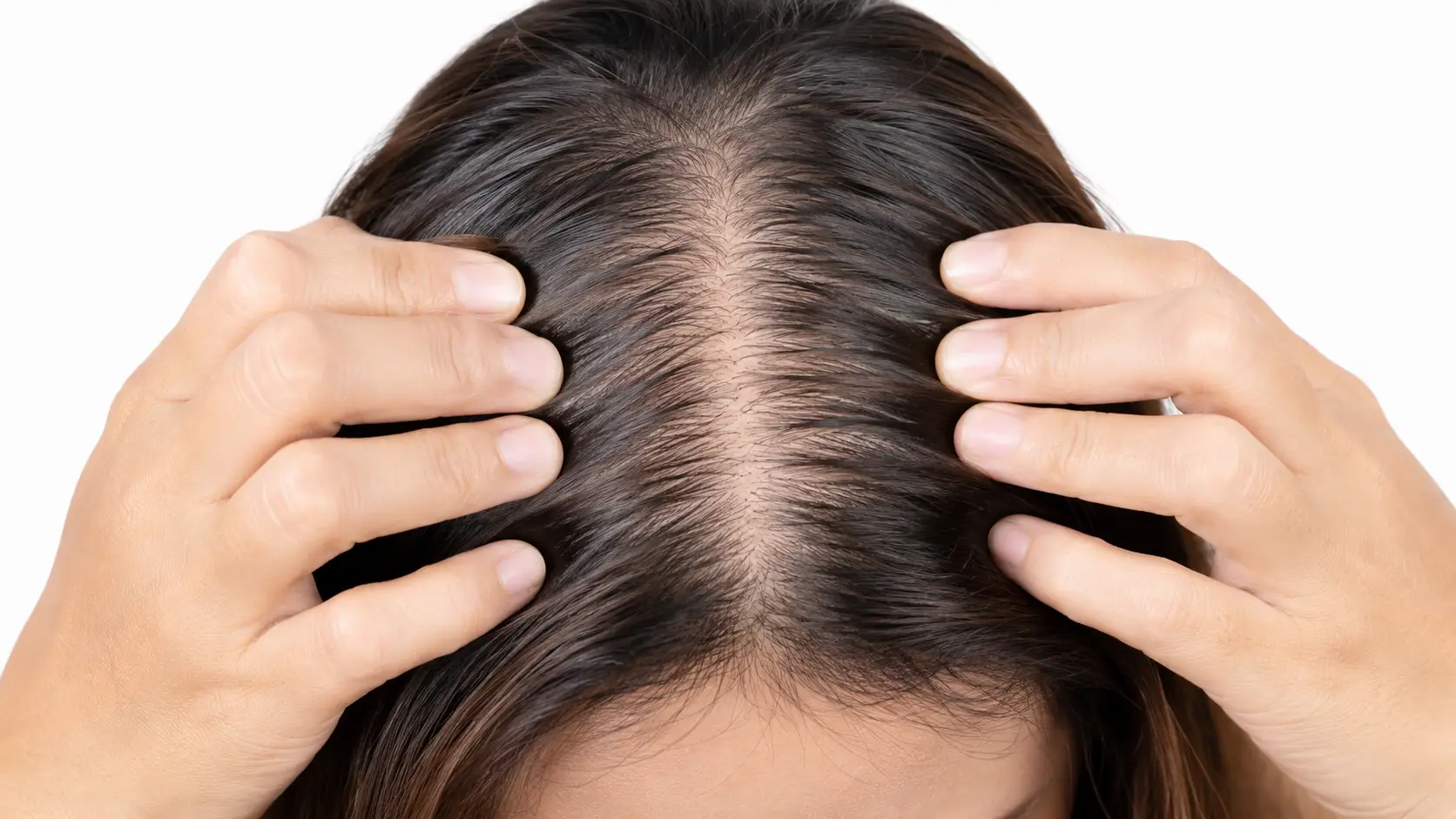
Polycystic Ovary Syndrome (PCOS) is a common endocrine disorder affecting millions of women worldwide. One of its most visible and distressing symptoms is androgenic alopecia, or female pattern hair loss. This condition manifests as thinning hair on the scalp, often concentrated at the crown and temples, rather than complete baldness.
The primary driver behind this hair loss is an excess of androgens, often referred to as “male hormones,” such as testosterone. While women naturally produce androgens, those with PCOS produce them in higher amounts. These elevated androgen levels can lead to a range of symptoms, including:
- Hirsutism (excess body and facial hair)
- Acne
- Irregular menstrual cycles
- Hair thinning on the scalp
What Deficiency Causes Hair Loss in PCOS?
While elevated androgens are the main culprits, certain nutritional deficiencies can exacerbate hair loss in PCOS. Iron deficiency, for instance, is a common issue that can contribute to overall hair shedding. Additionally, deficiencies in vitamin D and zinc have been linked to hair loss and may play a role in PCOS-related thinning. Addressing these deficiencies through diet or supplementation, under medical guidance, can support overall hair health and aid in pcos hair loss regrowth efforts.
How Do Androgens Affect Hair Follicles in PCOS?
Androgens, particularly dihydrotestosterone (DHT), bind to receptors in genetically susceptible hair follicles on the scalp. This binding leads to a process called follicular miniaturization. Over time, hair follicles shrink, producing thinner, shorter, and finer hairs until they eventually stop producing hair altogether. This explains the characteristic pattern of thinning seen in PCOS-related hair loss. Understanding this mechanism is vital for targeting effective treatments to encourage pcos hair loss regrowth.
Is pcos hair loss regrowth Possible? Realistic Expectations
Many patients ask, “Can you regrow hair loss from PCOS?” The answer is often yes, but it requires consistent effort and a personalized approach. While complete restoration to pre-PCOS hair density might not always be achievable, significant improvement and effective pcos hair loss regrowth are very possible. Our experience at Dr. Ali Aldibbiat’s clinic in Dubai shows that early intervention and adherence to treatment plans yield the best results. To learn more about our approach, you can meet Dr. Ali Aldibbiat and our team.
How Long Does It Take for PCOS Hair to Grow Back?
Patience is paramount in the journey of pcos hair loss regrowth. Hair growth is a slow biological process, with follicles typically growing about half an inch per month. Visible results from treatments usually take at least three to six months to appear, and optimal results can take a year or longer. Consistency with prescribed medications and lifestyle changes is crucial for sustaining progress. Setting realistic expectations helps manage the emotional aspect of treatment.
Factors Influencing pcos hair loss regrowth Success
- Severity of Hair Loss: Early stages of hair thinning generally respond better than advanced stages.
- Adherence to Treatment: Consistent application of topical treatments and regular intake of oral medications are vital.
- Hormonal Control: Effectively managing underlying PCOS symptoms, particularly androgen levels, is key.
- Overall Health: Diet, stress levels, sleep, and nutrient status significantly impact hair health.
- Genetics: Individual genetic predisposition can influence the extent of regrowth.
Medical Treatments for pcos hair loss regrowth: Medications and Therapies
Addressing the hormonal imbalance is the cornerstone of effective pcos hair loss regrowth. Medical interventions aim to reduce androgen levels or block their effects on hair follicles. These treatments are often prescribed in combination for optimal results. As a top endocrinologist in Dubai, Dr. Ali tailors these plans to individual patient needs.
What is the Best Treatment for PCOS Hair Loss?
The “best” treatment for PCOS hair loss is highly individualized, depending on the severity of symptoms, patient health, and treatment goals. A combination therapy is often most effective. Here’s a comparison of common medical treatments:
| Treatment | Mechanism | Pros | Cons | Expected Regrowth Timeline |
| Spironolactone | Androgen receptor blocker, reduces testosterone production. | Highly effective for reducing androgen effects, also helps with acne and hirsutism. | Requires prescription, potential side effects (e.g., frequent urination, dizziness), not for pregnant women. | 3-6 months for initial results, 9-12 months for significant improvement. |
| Minoxidil (Topical) | Promotes blood flow to follicles, extends growth phase. | Over-the-counter, direct application to scalp, stimulates regrowth. | Requires consistent daily application, can cause scalp irritation, initial shedding phase possible. | 4-6 months for visible results, ongoing use required. |
| Oral Contraceptives (Birth Control Pills) | Reduces ovarian androgen production, increases Sex Hormone Binding Globulin (SHBG). | Manages multiple PCOS symptoms (irregular periods, acne), effective for hormonal balance. | Requires prescription, potential side effects (e.g., mood changes, weight gain), not suitable for all women. | 6-12 months for noticeable hair improvement. |
| Finasteride/Dutasteride | 5-alpha-reductase inhibitors, block DHT conversion. | Very effective for androgenic alopecia, sometimes used off-label for PCOS. | Requires prescription, not approved for women of childbearing potential due to birth defect risk, potential side effects. | 6-12 months. |
Does Minoxidil Work for PCOS Hair Loss?
Yes, minoxidil is a widely recognized and effective treatment for pcos hair loss regrowth. It works by widening blood vessels, allowing more oxygen, blood, and nutrients to reach the hair follicles. This can help stimulate dormant follicles and extend the anagen (growth) phase of the hair cycle. While it doesn’t address the underlying hormonal cause of PCOS, it can significantly improve hair density and thickness when used consistently, often in conjunction with anti-androgen medications.
Are There Any New Breakthroughs in pcos hair loss regrowth?
Recent advancements in pcos hair loss regrowth include a deeper understanding of genetic predispositions and the role of inflammation. While not widely available as standard treatments yet, research into novel anti-androgens with fewer side effects and targeted therapies for insulin resistance (which often co-occurs with PCOS) shows promise. Platelet-Rich Plasma (PRP) therapy, though not new, continues to be explored for its efficacy in stimulating hair follicles, offering another avenue for patients seeking enhanced regrowth. Our clinic stays updated on these developments to offer the most current care.
Lifestyle and Dietary Changes to Support pcos hair loss regrowth
Medical treatments are most effective when supported by comprehensive lifestyle and dietary adjustments. These changes can help manage insulin resistance, reduce androgen levels, and promote overall hair health. We emphasize a holistic approach for sustainable pcos hair loss regrowth.
How Can I Stop PCOS Hair Loss Naturally?
While medical intervention is often necessary, several natural strategies can significantly support pcos hair loss regrowth. These focus on addressing the root causes of PCOS, particularly insulin resistance and inflammation. Incorporating these habits can enhance the effectiveness of medical treatments.
- Balanced Diet: Focus on whole, unprocessed foods, lean proteins, healthy fats, and complex carbohydrates. Reduce refined sugars and processed foods to manage insulin levels.
- Regular Exercise: Aim for at least 30 minutes of moderate-intensity exercise most days of the week. Physical activity improves insulin sensitivity and can aid in weight management.
- Stress Management: Chronic stress can exacerbate hormonal imbalances. Practices like yoga, meditation, deep breathing, or spending time in nature can be beneficial.
- Adequate Sleep: Prioritize 7-9 hours of quality sleep per night. Sleep deprivation can negatively impact hormone regulation.
The Role of Diet in Managing PCOS and Hair Health
A diet rich in anti-inflammatory foods can be particularly beneficial. This includes plenty of fruits, vegetables, whole grains, and healthy fats like those found in avocados and olive oil. Incorporating foods with a low glycemic index helps stabilize blood sugar and insulin levels, which directly impacts androgen production. For personalized dietary advice tailored to your needs in Dubai, our endocrinology experts can provide guidance. For more detailed case studies on successful management, please visit our resources.
Natural and Complementary Approaches for Hair Regrowth
Beyond diet and lifestyle, certain natural supplements and complementary therapies can play a supportive role in pcos hair loss regrowth. It’s crucial to discuss these with your doctor, as some supplements can interact with medications or may not be suitable for everyone.
Are There Effective Herbal Remedies for PCOS Hair Loss?
Some herbal remedies are anecdotally used for PCOS hair loss, though scientific evidence varies. Saw palmetto is often cited for its potential anti-androgenic effects, while spearmint tea has shown some promise in reducing free testosterone levels. Other herbs like vitex (chasteberry) may support hormonal balance. Always consult with a healthcare professional before starting any herbal supplements, especially given the complex nature of PCOS and potential drug interactions.
The Benefits of Specific Supplements for Hair Regrowth
- Inositol: Particularly myo-inositol, has been shown to improve insulin sensitivity and ovarian function in women with PCOS, indirectly supporting hormone balance and hair health.
- Omega-3 Fatty Acids: Possess anti-inflammatory properties that can benefit overall scalp health and potentially reduce hair shedding.
- Biotin: While not a direct treatment for PCOS, biotin is essential for healthy hair, skin, and nails. If a deficiency exists, supplementation can help.
- Zinc: Known to play a role in hormone regulation and hair tissue growth and repair.
New Research and Emerging Treatments for PCOS-Related Hair Loss (Freshness Angle)
The field of endocrinology is continuously evolving, bringing new insights and potential treatments for conditions like PCOS. Recent research has focused on more targeted therapies and a deeper understanding of the genetic and metabolic pathways involved in pcos hair loss regrowth.
What are the Latest Advancements in PCOS Hair Loss Treatment?
Beyond traditional medications, there’s growing interest in therapies that specifically target the molecular mechanisms of androgen action. For example, novel selective androgen receptor modulators (SARMs) are being investigated for their potential to block androgen effects on hair follicles with fewer systemic side effects. Additionally, personalized medicine approaches, using genetic profiling to identify those most likely to respond to certain treatments, are on the horizon. These advancements promise more tailored and effective strategies for pcos hair loss regrowth in the future.
The Promise of Gene Therapy and Advanced Hormonal Modulators
While still largely in experimental stages, gene therapy holds potential for correcting underlying genetic predispositions that contribute to PCOS and its symptoms. More immediately, refined hormonal modulators designed to precisely regulate androgen pathways, without broadly impacting other hormonal systems, are under development. These innovations could offer more precise and potent tools for managing PCOS-related hair loss, providing hope for even better outcomes. Staying informed about these developments is part of our commitment to patient care at Dr. Ali Aldibbiat’s clinic.
Managing the Emotional Impact of PCOS Hair Loss
Hair loss can significantly impact self-esteem and mental well-being. Recognizing and addressing the emotional toll is as important as treating the physical symptoms. Our holistic approach to care includes supporting patients through this challenging aspect of PCOS.
How Can I Cope with the Psychological Effects of Hair Thinning?
Coping with hair thinning from PCOS involves a combination of practical strategies and emotional support. This includes seeking support groups, consulting with mental health professionals, and focusing on overall well-being. Many patients find comfort in connecting with others who share similar experiences. Remember, you are not alone in this journey. We encourage patients to utilize resources like our Patient Connection Hub for support.
Where Can I Find Support for PCOS-Related Hair Loss?
Support can come from various sources: medical professionals, online communities, and local support groups. Discussing your feelings with your endocrinologist or a therapist can provide valuable coping mechanisms and strategies. Focusing on the progress of your pcos hair loss regrowth journey, rather than immediate perfection, can also significantly reduce stress and anxiety.
PCOS Hair Loss: Before and After Success Stories and Patient Journeys
Witnessing the positive changes in patients who have committed to their pcos hair loss regrowth journey is incredibly rewarding. While individual results vary, these stories offer encouragement and demonstrate the effectiveness of consistent, personalized care. We prioritize patient privacy, but the principles of their success are universal.
Real-World Examples of pcos hair loss regrowth in Dubai
In our practice, we have seen numerous patients achieve significant pcos hair loss regrowth. One patient, a 32-year-old woman, experienced noticeable thinning for several years. After initiating a tailored plan involving spironolactone, topical minoxidil, and dietary changes, she saw substantial new growth and improved hair density within 10 months. Another patient, 28, combined oral contraceptives with lifestyle modifications and observed a remarkable reduction in shedding and visible regrowth after a year. These journeys underscore the importance of a comprehensive and patient-specific strategy.
Frequently Asked Questions About pcos hair loss regrowth
Can you regrow hair loss from PCOS?
Yes, pcos hair loss regrowth is often possible with targeted medical treatments and consistent lifestyle changes. The key is to address the underlying hormonal imbalances and support hair follicle health, though complete restoration may vary. Early and consistent intervention yields the best outcomes.
How can I stop PCOS hair loss naturally?
Naturally stopping PCOS hair loss involves managing insulin resistance and inflammation through a low glycemic diet, regular exercise, stress reduction, and adequate sleep. Supplements like inositol, omega-3s, and zinc can also support hair health, but always consult a doctor.
What is the fastest way to reverse PCOS hair loss?
There isn’t a single “fastest” way; rather, a comprehensive and consistent approach is most effective. This typically involves a combination of anti-androgen medications (like spironolactone or oral contraceptives) and topical minoxidil, alongside significant lifestyle and dietary adjustments. Results usually appear within 3-6 months.
Does minoxidil work for PCOS hair loss?
Yes, minoxidil is a proven treatment for PCOS hair loss. It stimulates hair follicles and extends the growth phase, leading to increased hair density and thickness. While it helps with regrowth, it’s often best used in conjunction with treatments that address the underlying hormonal causes of PCOS.
What deficiency causes hair loss in PCOS?
While elevated androgens are the primary cause, deficiencies in iron, vitamin D, and zinc can exacerbate hair loss in PCOS. Addressing these nutritional gaps through diet or supplementation, under medical supervision, can support overall hair health and aid in regrowth efforts.
How long does it take for PCOS hair to grow back?
Visible pcos hair loss regrowth typically takes 3 to 6 months of consistent treatment. Significant improvement often requires 9 to 12 months, as hair growth is a slow process. Patience and adherence to your personalized treatment plan are essential for long-term success.
Resources and Further Reading
- Endocrine Society: Comprehensive information on hormonal disorders, including PCOS and its effects on hair.
- American Academy of Dermatology Association: Provides detailed insights into female pattern hair loss and treatment options.
- National Institutes of Health (NIH) – Myo-inositol in PCOS: Research on the role of inositol in managing PCOS symptoms.
- Office on Women’s Health (U.S. Dept. of Health & Human Services): General information and resources about PCOS.
Conclusion
Achieving pcos hair loss regrowth is a journey that demands a comprehensive, patient-centric approach. By understanding the hormonal intricacies of PCOS and combining advanced medical treatments with essential lifestyle modifications, significant and lasting improvements are well within reach. Our commitment at Dr. Ali Aldibbiat’s clinic is to guide each patient through this process with expert, personalized care.
Ready to Take the Next Step?
If you are experiencing pcos hair loss and seeking expert guidance in Dubai, Dr. Ali Aldibbiat and our team are here to help. We specialize in endocrinology, hormonal health, and creating tailored treatment plans for patients in Dubai and the UAE. Take control of your hair health and overall well-being. Contact Dr. Ali Aldibbiat today to schedule your personalized consultation.
External Links Used
- RootMD: Reference for the general understanding of PCOS hair loss mechanisms and treatment.
- Bajaj Finserv Health: Information on nutritional deficiencies and home remedies for PCOS hair loss.
- American Academy of Dermatology Association: Provided information on minoxidil efficacy and general hair loss patterns.
- Healthline: General information on natural remedies and supplements for PCOS hair loss.
- National Institutes of Health (NIH) – Myo-inositol in PCOS: Specific research on myo-inositol’s role in PCOS.