

PCOS Hair Thinning: An Endocrinologist’s Guide to Treatment & Regrowth
Navigating PCOS Hair Thinning: An Endocrinologist’s Guide to Regrowth and Management Authored by Dr. Ali Aldibbiat, a leading Consultant Endocrinologist in Dubai,...
 Written by
Dr Ali Aldibbiat
Written by
Dr Ali Aldibbiat
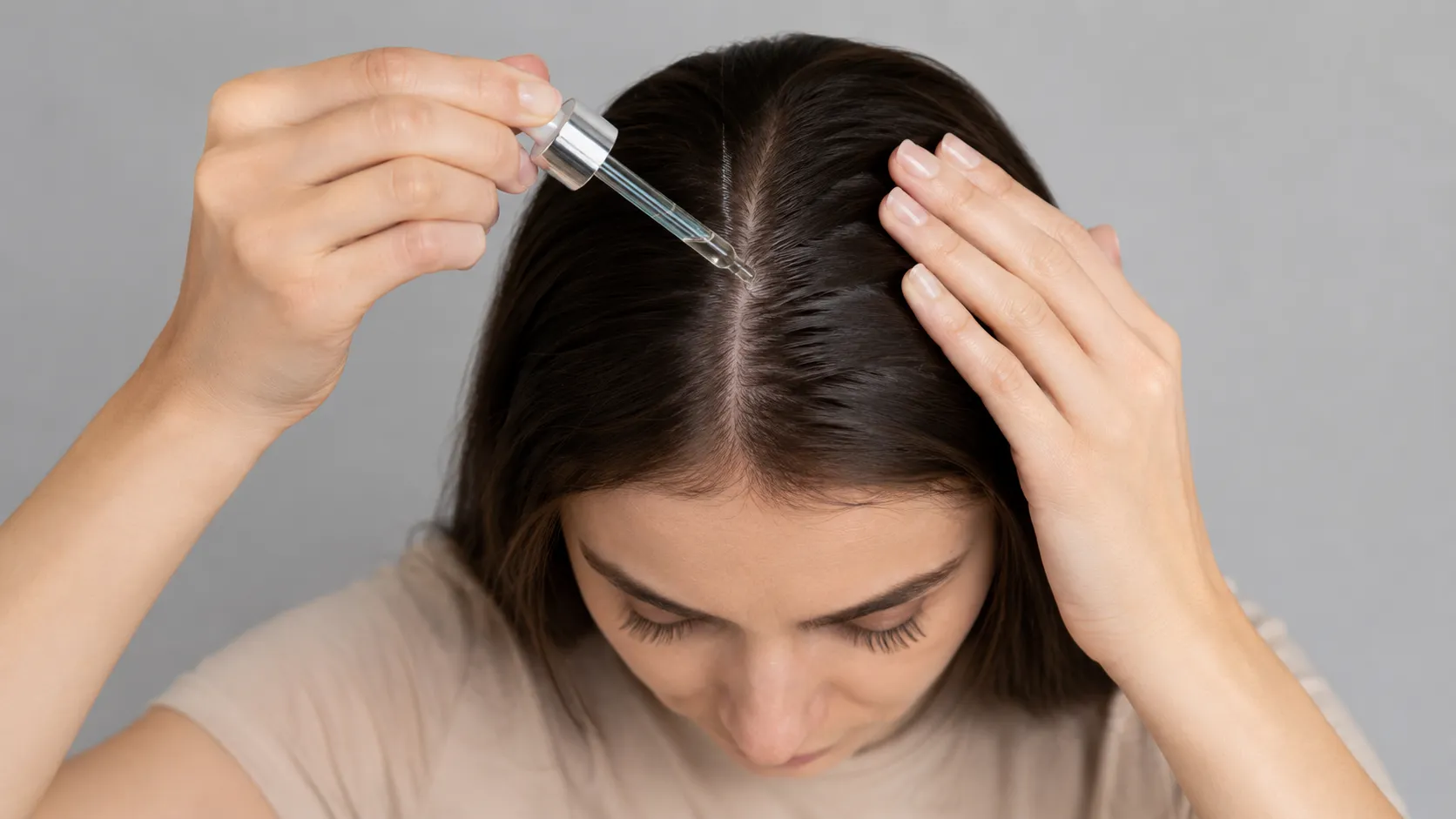
Navigating PCOS Hair Thinning: An Endocrinologist’s Guide to Regrowth and Management
Authored by Dr. Ali Aldibbiat, a leading Consultant Endocrinologist in Dubai, this article provides authoritative, experience-based insights into pcos hair thinning. Our expertise ensures you receive precise, actionable guidance for managing this challenging condition.
Experiencing pcos hair thinning can be distressing, but understanding its root causes and effective treatments offers hope for management and regrowth. As a leading endocrinologist, Dr. Ali Aldibbiat provides precise, personalized strategies for patients in Dubai and the UAE, focusing on hormonal balance and comprehensive care.
What is pcos hair thinning and why does it happen?
PCOS, or Polycystic Ovary Syndrome, is a complex endocrine disorder that affects millions of women worldwide. One of its most visible and distressing symptoms is pcos hair thinning, also known as androgenetic alopecia.
This condition arises primarily due to an imbalance of hormones, specifically elevated levels of androgens (male hormones like testosterone) in women with PCOS. Hair follicles are sensitive to these hormones, particularly dihydrotestosterone (DHT), a potent androgen.
High levels of DHT can shrink hair follicles, leading to shorter, finer, and weaker hair strands over time, eventually causing them to stop producing hair altogether. This process leads to the characteristic thinning pattern seen in PCOS.
What type of hair loss does PCOS cause?
PCOS typically causes androgenetic alopecia, which manifests as a distinct pattern of hair thinning. Unlike patchy hair loss, this usually involves a diffuse thinning across the scalp, often most noticeable along the part line and at the crown of the head.
The hairline usually remains intact, but the overall volume and density of hair decrease significantly. This pattern is similar to male-pattern baldness, but with a less severe recession of the frontal hairline.
What are the early signs of PCOS hair loss?
Early signs of pcos hair thinning can be subtle and progressive. Patients often first notice a widening of their hair part or an increased amount of hair shedding during brushing or showering.
Hair may appear less voluminous, feel thinner to the touch, and grow more slowly. Increased facial or body hair (hirsutism) can also accompany early scalp thinning, signaling underlying androgen excess.
Understanding the Hormonal Link: Androgens, DHT, and Insulin Resistance in pcos hair thinning
The intricate hormonal environment of PCOS plays a central role in driving pcos hair thinning. Elevated androgen levels are the primary culprits, but their interplay with other hormones, particularly insulin, is critical.
Androgens like testosterone are converted into the more potent DHT by an enzyme called 5-alpha-reductase within hair follicles. DHT then binds to receptors in the follicles, initiating a miniaturization process that leads to thinning.
Insulin resistance, a common feature of PCOS, significantly exacerbates this issue. High insulin levels can stimulate the ovaries to produce more androgens, further fueling the hair thinning process.
For patients in Dubai, understanding this complex hormonal feedback loop is vital for effective treatment. Our approach at Dr. Ali Aldibbiat’s clinic considers all these factors for a holistic diagnosis and management plan.
Why is my hair thinning so badly with PCOS?
The severity of pcos hair thinning often correlates with the degree of hormonal imbalance, particularly the level of circulating androgens and the extent of insulin resistance. Genetic predisposition also plays a significant role, as some individuals are more sensitive to androgen effects.
Chronic inflammation and nutrient deficiencies can further worsen hair health. A comprehensive assessment by an endocrinologist is essential to identify all contributing factors to severe thinning. You can learn more about understanding your fasting insulin level and its impact on your hormonal health.
How is pcos hair thinning diagnosed? (Tests and What They Mean)
Diagnosing pcos hair thinning requires a thorough approach that goes beyond simply observing hair loss. As an endocrinologist, Dr. Ali Aldibbiat focuses on identifying the underlying hormonal imbalances and ruling out other potential causes of hair loss.
A comprehensive diagnosis involves a detailed medical history, physical examination, and specific laboratory tests. This ensures a precise understanding of your condition and guides the most effective treatment strategy.
Key Diagnostic Steps
- Clinical Assessment: Dr. Aldibbiat will evaluate your hair loss pattern, look for other signs of androgen excess (like hirsutism or acne), and review your menstrual history.
- Blood Tests: These are crucial for measuring hormone levels.
- Ruling Out Other Causes: It’s important to exclude other conditions that can cause hair loss, such as thyroid disorders, iron deficiency, or autoimmune conditions. This ensures the treatment targets the correct underlying issue. You can explore more about seeking a thyroid specialist in Dubai if thyroid issues are suspected.
Diagnostic Tests for PCOS Hair Thinning
| Test | What it Measures | Significance for PCOS Hair Thinning |
| Total and Free Testosterone | Levels of male hormones | Elevated levels strongly indicate androgen excess, a primary driver of pcos hair thinning. |
| DHEA-S (Dehydroepiandrosterone Sulfate) | Adrenal androgen production | High levels can point to an adrenal source of androgen overproduction. |
| Sex Hormone Binding Globulin (SHBG) | Protein that binds sex hormones | Low SHBG means more free (active) testosterone, increasing its impact on hair follicles. |
| Fasting Insulin and Glucose | Insulin resistance indicators | High insulin levels can stimulate androgen production, worsening hair thinning. |
| Thyroid Function Tests (TSH, Free T3, Free T4) | Thyroid hormone levels | Rules out thyroid disorders, which can mimic PCOS hair loss symptoms. |
| Prolactin | Hormone involved in lactation | High levels can sometimes cause hair loss and menstrual irregularities, needing to be differentiated from PCOS. |
Understanding these test results is paramount. Our team ensures you comprehend what each marker means for your specific condition, guiding a truly personalized treatment plan in Dubai.
Effective Medical Treatments for pcos hair thinning in 2026
Managing pcos hair thinning effectively often requires a multi-pronged approach, with medical treatments playing a significant role in addressing the underlying hormonal imbalances. Recent advancements continue to refine these strategies, offering improved outcomes for patients.
As an endocrinologist, Dr. Ali Aldibbiat prioritizes treatments that target the hormonal roots of the problem, aiming to reduce androgen levels and improve hair follicle health.
What is the best treatment for PCOS hair thinning?
The “best” treatment for pcos hair thinning is highly individualized, depending on the severity of your symptoms, overall health, and specific hormonal profile. Often, a combination of therapies yields the most significant results.
Commonly prescribed medications include anti-androgens like spironolactone, which blocks androgen receptors, and oral contraceptive pills, which help regulate hormones and reduce ovarian androgen production. Minoxidil, a topical solution, can also stimulate hair growth directly on the scalp.
What is the newest treatment for PCOS hair loss?
While the core treatments remain effective, research in 2025-2026 continues to explore novel approaches. Emerging therapies focus on more targeted androgen receptor modulation, advanced insulin sensitizers, and potentially new topical agents.
Ongoing studies also investigate the efficacy of combination therapies that address multiple pathways simultaneously. Personalized medicine, guided by detailed genetic and hormonal profiling, is also gaining traction, offering more tailored interventions. Consulting with a top endocrinologist in Dubai ensures you have access to the most current and effective options.
Common Medical Treatments for PCOS Hair Thinning
| Treatment | Mechanism of Action | Benefits for Hair Thinning | Considerations |
| Spironolactone | Anti-androgen; blocks androgen receptors and reduces testosterone production. | Decreases hair shedding, promotes thicker hair growth. | Requires consistent use, potential side effects (e.g., increased urination, dizziness), not for pregnant women. |
| Oral Contraceptive Pills (OCPs) | Regulate menstrual cycles, reduce ovarian androgen production, increase SHBG. | Lowers circulating free testosterone, reduces hair thinning, may improve acne. | Requires careful selection, potential side effects (e.g., mood changes, weight fluctuations), not suitable for everyone. |
| Minoxidil (Topical) | Directly stimulates hair follicles, prolongs growth phase. | Promotes hair regrowth; effective for both men and women. | Applied topically, requires consistent use, may cause scalp irritation, does not address underlying hormonal cause. |
| Finasteride (Off-label for women) | Inhibits 5-alpha-reductase, reducing DHT conversion. | Can reduce hair thinning caused by DHT. | Usually prescribed off-label for women, strict contraindication in pregnancy, potential side effects. |
| Metformin (Insulin Sensitizer) | Improves insulin sensitivity, reducing insulin levels. | Indirectly lowers androgen production by improving insulin resistance. | Primarily for insulin resistance, may have a secondary benefit on hair. |
Lifestyle and Dietary Strategies to Manage pcos hair thinning
While medical treatments are often essential, lifestyle and dietary modifications form the cornerstone of effective, long-term management for pcos hair thinning. These strategies directly address insulin resistance and inflammation, which are key drivers of PCOS symptoms.
Implementing targeted changes can significantly improve hormonal balance, enhance the efficacy of medical therapies, and promote overall well-being. Dr. Ali Aldibbiat emphasizes personalized plans, recognizing that what works for one patient might not be ideal for another.
How do you stop hair thinning from PCOS naturally?
Stopping pcos hair thinning naturally involves a holistic approach focused on diet, exercise, and stress reduction. These interventions primarily aim to improve insulin sensitivity and reduce chronic inflammation, thereby lowering androgen levels. Consistent adherence is key to seeing results.
Are there any natural ways to balance hormones and reduce PCOS hair thinning?
Yes, several natural strategies can help balance hormones and mitigate pcos hair thinning:
- Low Glycemic Index (GI) Diet: Focus on whole, unprocessed foods, lean proteins, healthy fats, and complex carbohydrates. This helps stabilize blood sugar and insulin levels.
- Regular Exercise: Aim for a combination of cardio and strength training. Physical activity improves insulin sensitivity and can reduce androgen levels.
- Stress Management: Chronic stress can worsen hormonal imbalances. Techniques like mindfulness, yoga, or meditation can be beneficial.
- Adequate Sleep: Prioritize 7-9 hours of quality sleep per night, as poor sleep can negatively impact hormone regulation and insulin sensitivity.
- Anti-inflammatory Foods: Incorporate foods rich in omega-3 fatty acids (e.g., fatty fish, flaxseeds), berries, leafy greens, and nuts to reduce systemic inflammation.
For more insights into managing related conditions, you can explore our resources on metabolic disorders in Dubai, which often overlap with PCOS.
Natural Remedies and Supplements: Do They Help with pcos hair thinning?
Many individuals seek natural remedies and supplements to complement their conventional treatments for pcos hair thinning. While some show promise, it’s crucial to approach them with caution and always discuss their use with your endocrinologist.
The efficacy of natural remedies can vary, and not all have robust scientific backing. Our focus is on evidence-based strategies to ensure patient safety and optimal outcomes.
Common Natural Remedies and Supplements Explored for PCOS Hair Thinning
- Inositol (Myo-inositol and D-chiro-inositol): These sugar alcohols are widely studied for their role in improving insulin sensitivity and ovarian function in PCOS, potentially leading to reduced androgen levels and improved hair health.
- Saw Palmetto: This herbal extract is believed to inhibit 5-alpha-reductase, similar to some prescription medications, thereby reducing DHT conversion. Evidence is mixed, and more research is needed.
- Zinc: Zinc deficiency can contribute to hair loss. Supplementation may be beneficial if a deficiency is identified, and it also plays a role in hormone regulation.
- Biotin: While popular for hair health, biotin primarily helps if you have a biotin deficiency, which is rare. It doesn’t directly address the hormonal causes of pcos hair thinning.
- Spearmint Tea: Some studies suggest spearmint tea may have anti-androgenic effects, potentially lowering testosterone. Its impact on hair thinning needs further investigation.
It is vital to remember that “natural” does not always mean “safe” or “effective.” Always consult with Dr. Ali Aldibbiat before starting any new supplement regimen, especially if you are on other medications, to avoid potential interactions or adverse effects.
Is Hair Regrowth Possible with pcos hair thinning?
The question of hair regrowth is often at the forefront of concerns for those experiencing pcos hair thinning. The reassuring news is that, in many cases, hair regrowth is indeed possible, especially with early and consistent intervention. The key lies in effectively managing the underlying hormonal imbalances.
The success of regrowth depends on several factors, including the duration and severity of the thinning, individual response to treatment, and adherence to a comprehensive management plan. Dr. Ali Aldibbiat works closely with patients to set realistic expectations and monitor progress.
Can hair loss from PCOS grow back?
Yes, hair loss from PCOS can often grow back. When androgen levels are reduced and insulin sensitivity is improved through medical treatments and lifestyle changes, the miniaturized hair follicles can recover. They may start producing thicker, healthier hair again.
This process takes time and consistency, typically several months to a year, as hair growth cycles are slow. Persistence with your treatment plan is crucial for observing significant regrowth.
Is PCOS hair loss permanent?
PCOS hair loss is generally not considered permanent, especially if addressed early. While some follicles may become too miniaturized to fully recover after a very long period of neglect, most follicles retain the capacity for regrowth when the hormonal environment is optimized.
The goal of treatment is to halt further thinning and stimulate existing follicles to re-enter the active growth phase. Regular follow-ups with an endocrinologist are vital to adjust treatments as needed and maximize regrowth potential.
Coping with the Emotional Impact of pcos hair thinning
Beyond the physical symptoms, pcos hair thinning can have a profound emotional and psychological impact. Losing hair, particularly for women, can affect self-esteem, body image, and overall mental well-being.
It’s important to acknowledge these feelings and seek support. Addressing the emotional burden is as crucial as treating the physical symptoms, forming an integral part of holistic care at Dr. Ali Aldibbiat’s clinic.
Strategies for Emotional Well-being
- Acknowledge Your Feelings: It’s normal to feel frustrated, sad, or anxious about hair loss. Allow yourself to experience these emotions without judgment.
- Seek Support: Connect with support groups, either online or local, where you can share experiences with others facing similar challenges. Understanding you’re not alone can be incredibly empowering.
- Professional Counseling: A therapist or counselor can provide strategies for coping with body image issues and anxiety related to hair loss.
- Focus on What You Can Control: Dedicate your energy to adhering to your treatment plan and making positive lifestyle changes, which can instill a sense of agency.
- Self-Care Practices: Engage in activities that boost your confidence and promote relaxation, such as exercise, hobbies, or spending time in nature.
Remember, prioritizing your mental health is a vital component of managing PCOS. Our team understands this challenge and encourages open communication to support your comprehensive health journey. For additional patient resources and support, visit our Patient Connection Hub.
Recent Advancements in Treating pcos hair thinning
The field of endocrinology is continuously evolving, bringing new insights and treatment modalities for conditions like pcos hair thinning. In 2025-2026, research continues to refine our understanding of the complex interplay between hormones, genetics, and hair follicle health in PCOS.
These advancements offer promising avenues for more effective and personalized treatments, moving beyond conventional approaches to address the multifaceted nature of the condition.
Key Areas of Progress
- Targeted Androgen Receptor Modulation: Newer compounds are being investigated that more precisely target androgen receptors in hair follicles without systemic side effects.
- Advanced Insulin Sensitizers: Beyond metformin, research is exploring other insulin-sensitizing agents that may have a more direct impact on ovarian androgen production and, consequently, on pcos hair thinning.
- Combination Therapies: The trend is towards combining different classes of medications (e.g., anti-androgens with insulin sensitizers and topical agents) to achieve synergistic effects and better outcomes.
- Understanding the Microbiome: Emerging research is exploring the gut microbiome’s role in hormone regulation and inflammation in PCOS, potentially leading to probiotic or dietary interventions for hair health.
- Personalized Medicine: Advances in genetic testing and hormonal profiling allow for increasingly tailored treatment plans, optimizing efficacy based on an individual’s unique biological makeup.
Staying abreast of these developments is crucial. Dr. Ali Aldibbiat is committed to integrating the latest evidence-based practices into patient care, ensuring that those in Dubai and the UAE receive the most up-to-date and effective treatments for pcos hair thinning.
Frequently Asked Questions About pcos hair thinning
Can hair loss from PCOS grow back?
Yes, hair loss from PCOS can often grow back with consistent and appropriate treatment. By addressing the underlying hormonal imbalances and improving insulin sensitivity, miniaturized hair follicles can recover and produce healthier hair strands. This process requires patience and adherence to your personalized treatment plan, typically showing results over several months.
What is the best treatment for PCOS hair thinning?
The most effective treatment for pcos hair thinning is a personalized plan combining medical therapies with lifestyle modifications. This often includes anti-androgen medications like spironolactone, oral contraceptive pills, and topical minoxidil. Dietary changes and regular exercise are also crucial to address insulin resistance.
How do you stop hair thinning from PCOS naturally?
You can naturally manage pcos hair thinning by adopting a low glycemic index diet, engaging in regular exercise, and practicing stress reduction techniques. These strategies help improve insulin sensitivity and reduce androgen levels. Focusing on whole, unprocessed foods and ensuring adequate sleep also contributes to hormonal balance and better hair health.
What foods make PCOS hair loss worse?
Foods that can worsen PCOS hair loss are typically those that contribute to insulin resistance and inflammation. These include highly processed foods, sugary drinks, refined carbohydrates (white bread, pasta), and unhealthy fats. Limiting these can help stabilize blood sugar and reduce androgen production, supporting better hair health.
Is it possible to completely reverse pcos hair thinning?
Complete reversal of pcos hair thinning is often achievable, especially with early diagnosis and consistent, comprehensive treatment. While some severely miniaturized follicles may not fully recover, most can be stimulated to produce thicker hair. The goal is to halt progression, promote regrowth, and maintain results through ongoing management of PCOS. Regular consultations with an endocrinologist are key.
Resources and Further Reading
- Healthline: PCOS Hair Loss: Causes, Symptoms, and Treatments: Provides a comprehensive overview of PCOS hair loss, its causes, and various treatment options.
- Verywell Health: Managing Hair Loss in PCOS: Offers detailed strategies for managing hair loss associated with PCOS, including medical and lifestyle interventions.
- Medical News Today: PCOS and Hair Loss: What You Need to Know: Explains the link between PCOS and hair loss, covering symptoms, diagnosis, and treatment approaches from a medical perspective.
Conclusion
Navigating pcos hair thinning can be a challenging journey, but with the right expert guidance, significant improvements and even regrowth are well within reach. By understanding the intricate hormonal mechanisms and committing to a personalized treatment plan, patients can effectively manage this condition and regain confidence. Our comprehensive approach focuses on both medical interventions and crucial lifestyle adjustments, tailored to your unique needs.
Ready to Take the Next Step?
If you are experiencing pcos hair thinning and seeking specialized endocrinological care in Dubai or the UAE, Dr. Ali Aldibbiat is here to help. With a focus on precise diagnosis and personalized treatment strategies, we are dedicated to supporting your hormonal health journey. Don’t let hair thinning impact your quality of life any longer. Contact Dr. Ali Aldibbiat for expert endocrinology care and take the first step towards effective management and renewed confidence.
External Links Used
- Healthline: Referenced for causes, symptoms, and treatments of PCOS hair loss.
- Neofollics: Referenced for information on PCOS hair loss and treatment.
- RootMD: Cited for explanations on PCOS hair loss causes, treatment, and regrowth.
- Mira Fertility Tracker: Used for information on PCOS hair loss causes and treatments.
- PCOS Hair Loss Explained: Referenced for common patterns, triggers, and treatment options.
- Verywell Health: Cited for managing hair loss in PCOS.
- Medical News Today: Referenced for information on PCOS and hair loss.
- Flo Health : Cited for information on why PCOS hair loss happens and how to stop it.