
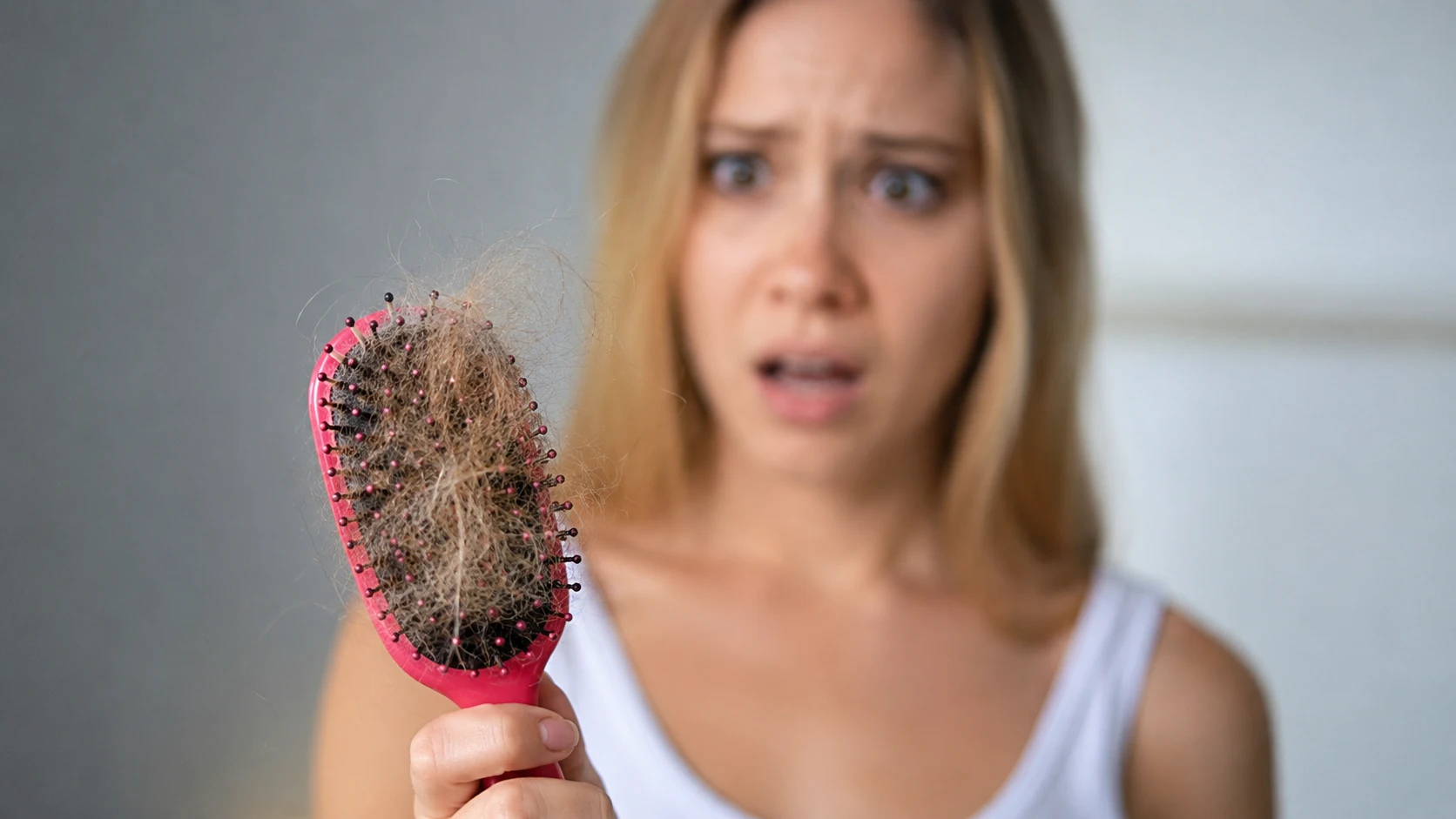
Hair is often considered a reflection of overall health, and for women, it holds both aesthetic and emotional significance. Experiencing hair loss can be distressing, especially when it is linked to underlying health conditions such as Polycystic Ovary Syndrome (PCOS). In this article, we explore the relationship between PCOS and hair loss, effective treatments, lifestyle strategies, and professional guidance to help women in Dubai and the UAE manage this condition.
What Does PCOS Refer To?
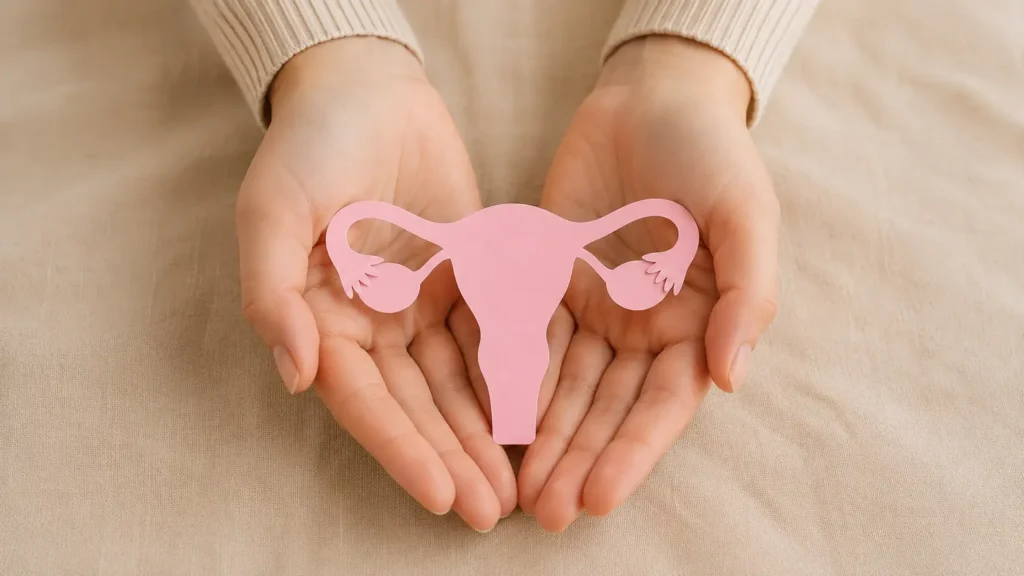
Polycystic Ovary Syndrome (PCOS) is a common endocrine disorder that affects women of reproductive age. It involves hormonal imbalances, particularly elevated levels of androgens (male hormones), which can disrupt menstrual cycles, fertility, and metabolic functions. The name “polycystic” comes from the presence of multiple small cysts on the ovaries, but not all women with PCOS develop these cysts.
PCOS is not only a reproductive issue—it is a systemic condition that can affect the skin, metabolism, mood, and hair growth.
Causes of PCOS
The exact cause of PCOS is not fully understood, but several factors contribute to its development:
- Hormonal Imbalance: Elevated androgen levels can lead to irregular periods, acne, and hair thinning.
- Insulin Resistance: Many women with PCOS have insulin resistance, which can increase androgen production.
- Genetic Factors: PCOS often runs in families, suggesting a hereditary link.
- Inflammation: Chronic low-grade inflammation may trigger hormonal imbalances.
Understanding these causes is essential because managing PCOS effectively often requires a combination of hormonal regulation, lifestyle modifications, and targeted treatments.
Read more about PCOS Hair Loss: 5 Proven Treatments by Dr. Ali in Dubai
Symptoms of PCOS
Symptoms of PCOS can vary widely but commonly include:
- Irregular or absent menstrual periods
- Excess facial or body hair (hirsutism)
- Weight gain, especially around the abdomen
- Acne and oily skin
- Hair thinning or hair loss on the scalp
- Fertility challenges
- Mood swings or anxiety
For women in Dubai experiencing PCOS and hair loss, recognizing these symptoms early is crucial for timely intervention.
Relationship Between PCOS and Hair Loss in Women
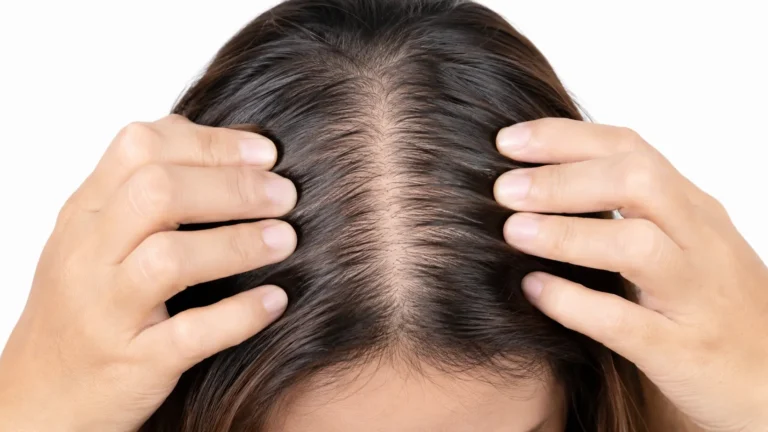
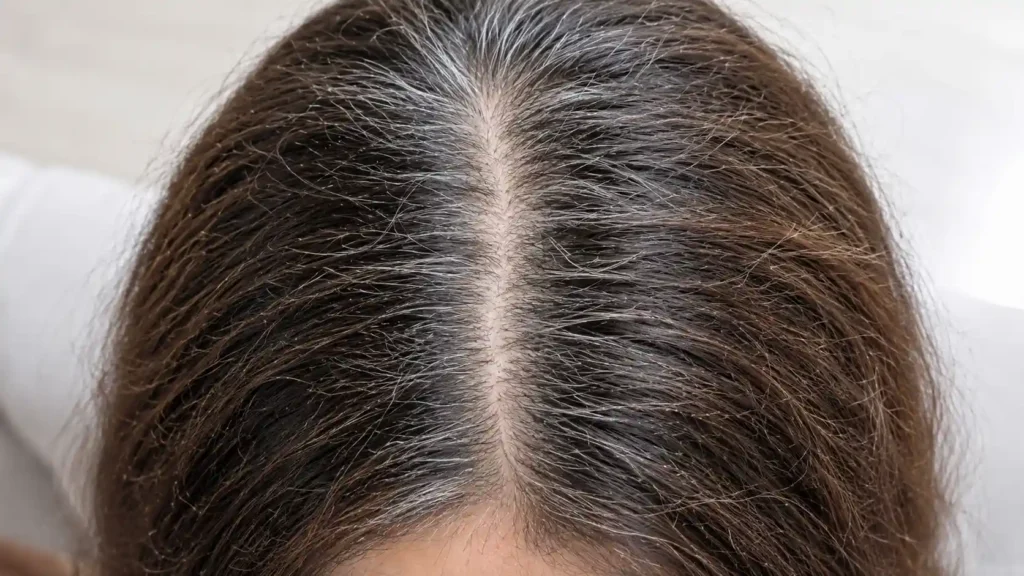
Hair loss linked to PCOS is typically due to androgenic alopecia, a type of hair thinning caused by high androgen levels. This condition often results in:
- Thinning at the crown and top of the scalp
- Receding hairline in some cases
- Overall reduced hair density
The mechanism behind this hair loss involves androgens shortening the hair growth phase (anagen) and causing hair follicles to shrink. While it can be distressing, it is important to note that PCOS-related hair loss is not always permanent, and with proper management, hair regrowth is possible.
Read more about Pregnancy Hair Loss: 4 Causes & Care by Dr. Ali in Dubai
Treatments for PCOS and Hair Loss on Head
Managing PCOS and hair loss requires a combination of medical interventions, lifestyle changes, and home remedies. Treatments typically focus on:
- Regulating hormones
- Reducing androgen levels
- Stimulating hair growth
- Improving overall health
Below are some of the most commonly used approaches.
Evaluating Most Popular Drugs for PCOS and Hair Loss
Medical treatments for PCOS-related hair loss often involve medications that target hormone regulation and hair growth.
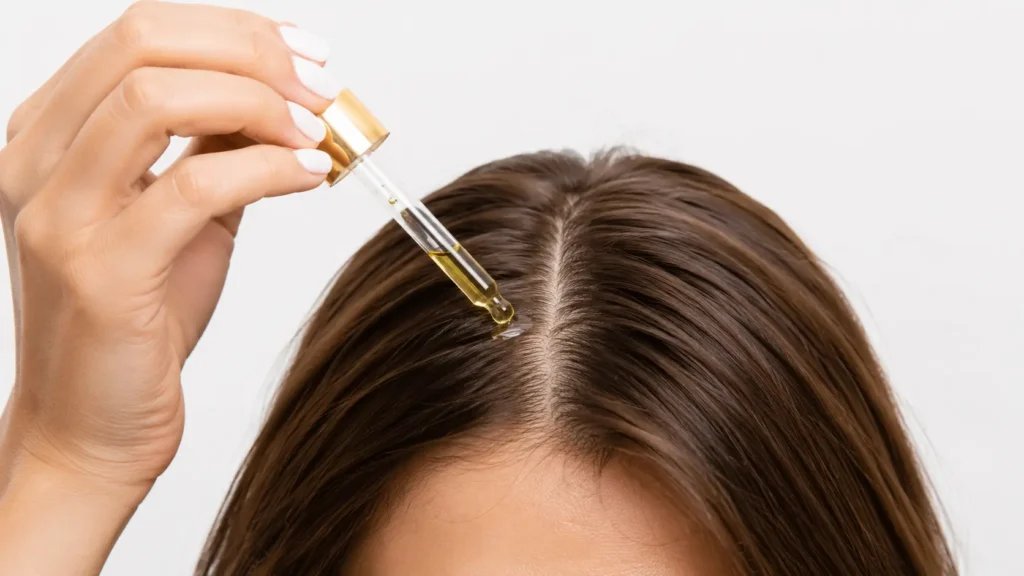
PCOS Hair Loss Minoxidil
Minoxidil is a topical solution widely used for hair regrowth. It works by:
- Increasing blood circulation to the scalp
- Stimulating hair follicles
- Extending the hair growth phase
Minoxidil is effective for many women, but results vary, and consistent application over several months is required to see visible improvement.
PCOS Hair Loss Spironolactone
Spironolactone is an oral medication that blocks androgen effects. Benefits include:
- Reducing excessive hair shedding
- Slowing the progression of androgenic hair loss
- Potentially improving acne and other androgen-related symptoms
It is essential to take spironolactone under medical supervision, as it can have side effects, including changes in blood pressure and electrolyte balance.
Useful Vitamins for PCOS and Hair Loss
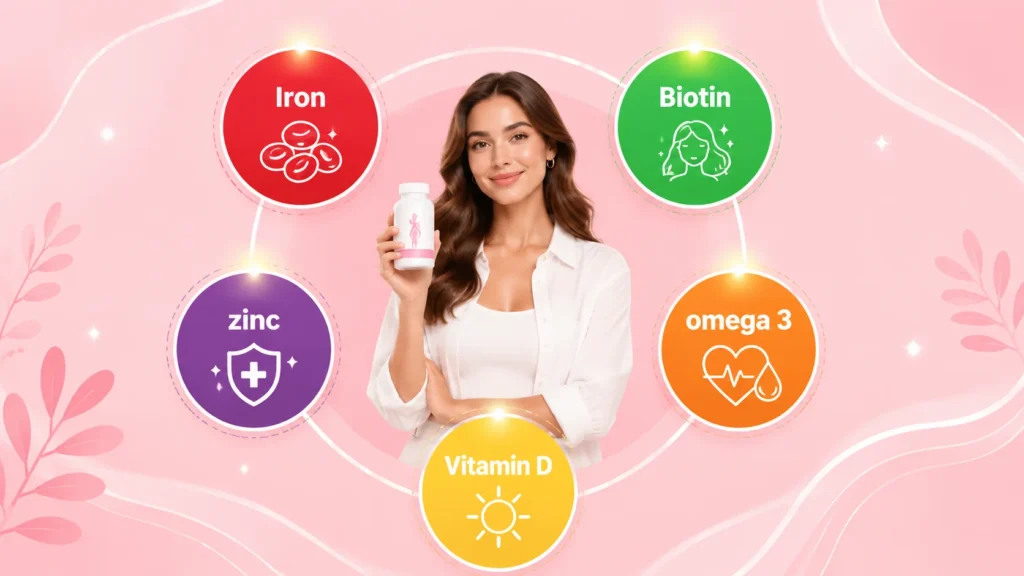
Certain vitamins and minerals play a supportive role in hair health and hormonal balance. Key nutrients for women dealing with PCOS hair loss include:
- Vitamin D: Supports hormone regulation and hair follicle function
- Biotin (Vitamin B7): Promotes hair strength and growth
- Zinc: Helps balance hormones and supports hair health
- Iron: Prevents hair thinning due to deficiency
- Omega-3 Fatty Acids: Reduce inflammation and support scalp health
Including these nutrients through diet or supplements can complement medical treatment for PCOS hair loss regrowth success.
What to Eat for PCOS Hair Loss
Dietary choices can significantly impact hormone balance and hair health. Recommendations include:
- Protein-Rich Foods: Eggs, fish, lean meats, legumes
- Low-Glycemic Carbohydrates: Whole grains, vegetables, and fruits to manage insulin levels
- Healthy Fats: Avocados, nuts, olive oil for hormone regulation
- Antioxidant-Rich Foods: Berries, leafy greens, and turmeric to reduce inflammation
Avoiding processed sugars, refined carbs, and excessive caffeine may help improve both PCOS symptoms and hair density.
PCOS and Hair Loss Remedies at Home
Some women achieve improvements in hair growth using natural home remedies alongside medical treatments:
- Scalp Massage: Stimulates blood flow and follicle activity
- Essential Oils: Rosemary, peppermint, and lavender may support hair growth
- Stress Management: Yoga, meditation, and adequate sleep reduce cortisol levels, which can worsen hair loss
- Gentle Hair Care: Avoid harsh chemicals, heat styling, and tight hairstyles
These remedies are most effective when combined with hormone regulation and nutritional support.
PCOS Hair Loss Before and After
Many women notice a gradual improvement in hair density after implementing a combination of treatments:
- Initial shedding may continue for a few months
- Minoxidil or spironolactone treatment often shows visible regrowth within 3–6 months
- Vitamins and dietary changes support sustainable results
- Consistent monitoring and adjustments by a healthcare provider improve long-term outcomes
Documenting before and after progress can help track treatment effectiveness and boost motivation.
When Should You See a Doctor
It is important to seek professional advice if you experience:
- Rapid or excessive hair loss
- Irregular periods or fertility issues
- Severe acne or skin changes
- Unexplained weight gain
A doctor specializing in endocrinology can evaluate hormone levels, recommend targeted treatments, and guide you on lifestyle modifications.
Book Your Consultation with Dr Ali Aldibbiat Now
For women in Dubai struggling with PCOS and hair loss, consulting an experienced endocrinologist is crucial. Dr Ali Aldibbiat provides personalized evaluations, advanced treatments, and comprehensive guidance to help restore hair and improve overall hormonal health. Visit Dr Ali Aldibbiat’s website to schedule your consultation today and start your journey toward hair regrowth and hormonal balance.
FAQs about pcos and hair loss
Can you regrow hair loss from PCOS?
Yes, hair regrowth is possible with proper treatment, including medications, lifestyle changes, and nutritional support.
How did I reverse my PCOS hair loss naturally?
How did I reverse my PCOS hair loss naturally?
Many women see improvements by combining a nutrient-rich diet, stress management, essential oils, and gentle hair care routines.
Is PCOS hair loss reversible?
Often, yes. While androgenic hair loss is challenging, early intervention and consistent treatment can lead to noticeable regrowth.
What is the best way to manage PCOS?
A combination of medical treatment, dietary modifications, exercise, and regular monitoring by an endocrinologist is most effective.
What vitamin helps with PCOS hair loss?
Vitamins such as D, B7 (biotin), zinc, and omega-3 fatty acids support hair growth and hormone balance.
What are the big 3 for hair regrowth?
The primary interventions include topical minoxidil, anti-androgen medications like spironolactone, and nutritional support through vitamins and minerals.
Final Thoughts about pcos and hair loss
Experiencing hair loss due to PCOS can be emotionally challenging, but understanding the underlying hormonal causes and implementing a structured treatment plan can make a significant difference. From medications and vitamins to dietary strategies and home remedies, a multi-faceted approach offers the best chance for PCOS hair loss regrowth success.
If you are in Dubai or the UAE and facing these challenges, take the first step toward recovery. Book your consultation with Dr Ali Aldibbiat to receive expert guidance tailored to your unique needs. Early intervention, consistent treatment, and healthy lifestyle choices can help you restore confidence and improve your hair health.