
What is a Diabetes Specialist Called? Meet Dr. Ali in Dubai
Wondering What is a Diabetes Specialist Called?? lets learn about the role of diabetes doctors and if they are the same as...
Living with a chronic condition like diabetes mellitus can often feel like navigating a complex maze. Between monitoring blood sugar levels, adjusting diets, and understanding long-term health risks, the journey is demanding. One of the most frequent questions patients ask when first diagnosed—or when their management becomes difficult—is: what is a diabetes specialist called?
Understanding the specific medical terminology and knowing which expert to consult is the first step toward regaining control over your health. In this comprehensive guide, we will explore the role of internal medicine doctor for diabetes, why specialized care is essential, and how the right medical partner in Dubai can transform your treatment journey.
What is Diabetes Mellitus?
Diabetes mellitus is not a single disease but a group of metabolic disorders characterized by high blood sugar (glucose) levels over a prolonged period. This occurs because the body either cannot produce enough insulin—the hormone responsible for moving sugar from the blood into the cells—or cannot effectively use the insulin it produces.
When glucose remains in the bloodstream instead of being used for energy, it leads to hyperglycemia. Over time, chronic high blood sugar can damage various organs, including the heart, kidneys, eyes, and nerves. There are three primary types:
- Type 1 Diabetes: An autoimmune condition where the body attacks insulin-producing cells.
- Type 2 Diabetes: The most common form, where the body becomes resistant to insulin or fails to make enough.
- Gestational Diabetes: High blood sugar that develops during pregnancy.
Causes of Diabetes Mellitus
The root causes of diabetes vary significantly depending on the type and the individual’s biological makeup. However, several overarching factors contribute to the development of the condition:
- Genetics and Family History: A significant risk factor is having a parent or sibling with the disease.
- Autoimmune Response: In Type 1, the immune system mistakenly destroys the beta cells in the pancreas.
- Insulin Resistance: This is often the precursor to Type 2, where cells in the muscles, fat, and liver don’t respond well to insulin.
- Lifestyle Factors: Sedentary behavior and a diet high in processed sugars and fats are major contributors to Type 2.
- Obesity: Excess weight, particularly around the abdomen, is closely linked to metabolic dysfunction.
- Hormonal Changes: During pregnancy, hormones produced by the placenta can cause insulin resistance, leading to gestational diabetes.
Read also about: Difference Between Type 1 and Type 2 Diabetes: Dr. Ali Dubai
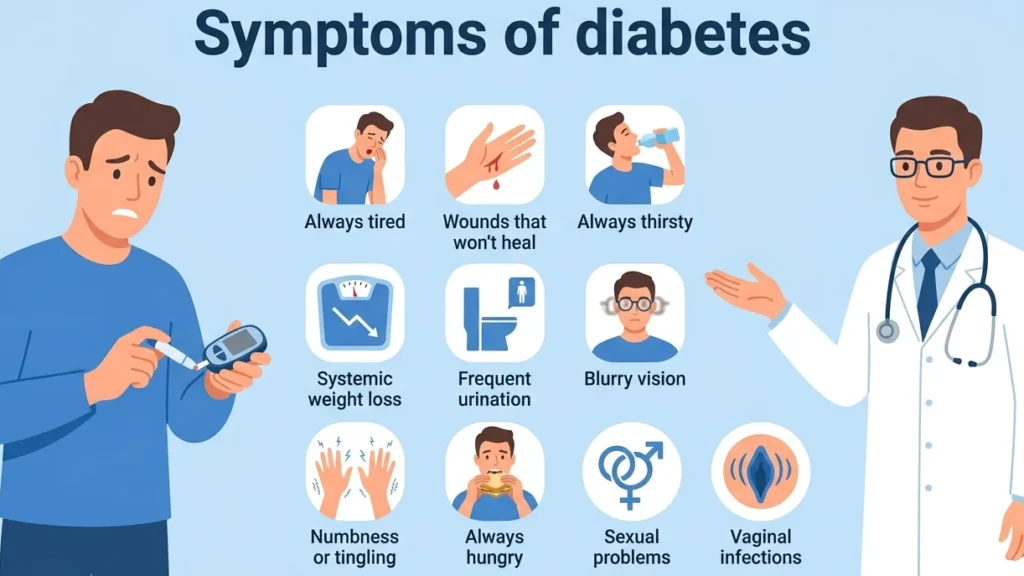
What Are the 7 Signs of Diabetes?
Recognizing the early warning signs can be life-saving. If you are in Dubai and experiencing these symptoms, searching for a internal medicine doctor for diabetes should be your immediate priority.
- Polyuria (Excessive Urination): Your kidneys work overtime to filter and absorb excess sugar, leading to frequent trips to the bathroom.
- Polydipsia (Unquenchable Thirst): As you lose more fluids through urination, your body demands more water to stay hydrated.
- Polyphagia (Extreme Hunger): Without enough insulin to move sugar into your cells, your muscles and organs are energy-depleted, triggering intense hunger.
- Unexplained Weight Loss: When your body can’t get energy from sugar, it starts burning fat and muscle for fuel.
- Blurred Vision: High blood sugar levels can cause the lenses in your eyes to swell, affecting your ability to focus.
- Slow-Healing Sores: Diabetes affects blood circulation and the body’s natural healing process, making small cuts or bruises take weeks to heal.
- Fatigue and Irritability: The lack of sugar entering the cells leaves you feeling chronically exhausted and drained.
If you notice any of these signs, don’t wait too long; go to a diabetes doctor for an examination and prompt guidance towards appropriate treatment.
Reasons to See a Diabetes Specialist in Dubai
While a general practitioner can manage early or mild cases of Type 2 diabetes, there are specific scenarios where a diabetes specialist in Dubai is required for optimal health outcomes:
- Difficulty Meeting Targets: If your HbA1c levels remain high despite following a standard treatment plan.
- Frequent Hypoglycemia: If you experience dangerous “lows” (low blood sugar) that interfere with daily life.
- Complexity of Treatment: Patients who require insulin pumps or advanced continuous glucose monitoring (CGM) systems.
- Development of Complications: If you begin to show signs of kidney disease, nerve damage, or vision changes.
- Starting an Insulin Regimen: Transitioning from oral medications to insulin requires expert calibration.
Which Doctor is Best to Treat Diabetes?
The “best” doctor depends on the complexity of your case. However, for specialized, long-term management, a diabetes specialist doctor in Dubai, is considered the gold standard.
Internal medicine doctor for diabetes has undergone years of additional training specifically focused on the endocrine system—the network of glands that produce hormones. Since diabetes is fundamentally a hormonal disorder (involving insulin and glucagon), these specialists possess a depth of knowledge that generalists may not have regarding the latest pharmacological advancements and technology.
Diabetes Specialist Called Endocrinologist
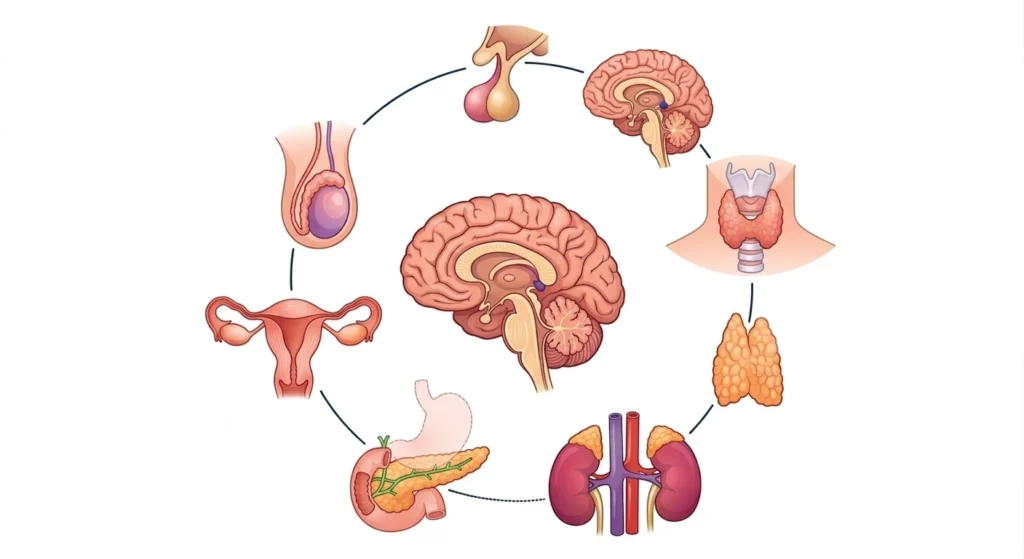
So, exactly what is a diabetes specialist called? The formal name is an endocrinologist, but may also called diabetes doctor or diabetes specialist in dubai. This medical professional treats all diseases related to the glands and the hormones they secrete.
A internal medicine doctor for diabetes focuses heavily on the pancreas and its ability to regulate blood sugar. In a city like Dubai, where lifestyle-related metabolic issues are prevalent, these diabetes doctors are essential for providing a roadmap that goes beyond just writing a prescription. They analyze how diabetes interacts with other hormones in your body, such as cortisol or thyroid hormones, to provide a holistic treatment plan.
Are Endocrinologist and diabetes doctor the Same?
This is a common point of confusion. While the terms are often used interchangeably, there is a subtle difference:
- Endocrinologist: A doctor who treats all endocrine system disorders, including thyroid issues, adrenal fatigue, and pituitary tumors, alongside diabetes.
- Diabetologist: This is a term used (more commonly in some regions than others) to describe a physician who focuses exclusively on diabetes mellitus.
In most cases, when you look for the name of a diabetes specialist in dubai, you will find that they are board-certified endocrinologists who may have a sub-specialization or a primary interest in diabetic care.
Other Endocrine Diseases That Endocrinologists Treat
An endocrinologist’s expertise extends far beyond blood sugar. They are the primary detectives for any hormonal imbalance. Other conditions they treat include:
- Thyroid Disorders: Hypothyroidism, Hyperthyroidism, and Hashimoto’s disease.
- Metabolic Disorders: High cholesterol and obesity management.
- Osteoporosis: Hormonal imbalances that lead to bone density loss.
- Polycystic Ovary Syndrome (PCOS): A common hormonal disorder among women of reproductive age.
- Adrenal Insufficiency: Conditions like Addison’s disease where the adrenal glands don’t produce enough cortisol.
Read also about: Home diabetes test: normal ranges & how to do it with Dr Ali
Advanced Diabetes Treatments That best doctors for diabetes offer
Medicine is evolving rapidly, and a diabetes specialist dr called to the task will often utilize cutting-edge technology to improve a patient’s quality of life. Modern treatments include:
- Continuous Glucose Monitors (CGM): Sensors that provide real-time blood sugar readings every few minutes.
- Smart Insulin Pens: Devices that track doses and provide reminders.
- Hybrid Closed-Loop Systems: Often called an “artificial pancreas,” these systems automate insulin delivery based on CGM data.
- GLP-1 Receptor Agonists: Newer classes of medications that not only lower blood sugar but also aid in weight loss and cardiovascular protection.
How diabetes specialist doctor in Dubai Helps Patients Make Lifestyle Changes
Medication is only one pillar of diabetes care. A true diabetes doctor understands that behavior modification is the foundation of success. A diabetes specialist doctor in Dubai
works with you to:
- Tailor Nutritional Plans: Moving away from “one size fits all” diets to carbohydrate counting or glycemic index management.
- Design Exercise Protocols: Identifying how different types of physical activity (aerobic vs. resistance) impact your specific blood sugar patterns.
- Stress Management: Educating patients on how stress hormones like cortisol can cause sudden spikes in glucose.
Read also about: Best diabetes 2 medications: newest oral & injectable drugs.
The Role of Monitoring and Complication Prevention by Diabetes Doctor
The primary goal of a diabetes specialist doctor in Dubai is “preventative maintenance.” By maintaining tight control over blood sugar, the specialist aims to prevent:
- Retinopathy: Damage to the blood vessels in the retina.
- Nephropathy: Progressive kidney damage that can lead to dialysis.
- Neuropathy: Nerve damage, typically starting in the feet, which can lead to infections or ulcers.
- Cardiovascular Disease: Reducing the significantly higher risk of heart attack and stroke associated with diabetes.
How diabetes specialist in dubai Works with Other Healthcare Providers
Diabetes care is a team sport. An endocrinologist acts as the “quarterback” of your medical team, coordinating with:
- Ophthalmologists: For annual dilated eye exams.
- Podiatrists: To ensure foot health and prevent ulcers.
- Registered Dietitians: To refine meal planning.
- Cardiologists: To monitor heart health and blood pressure.
- Mental Health Professionals: To address “diabetes distress” or burnout.
Why Should You Choose Dr. Ali Aldibbiat?
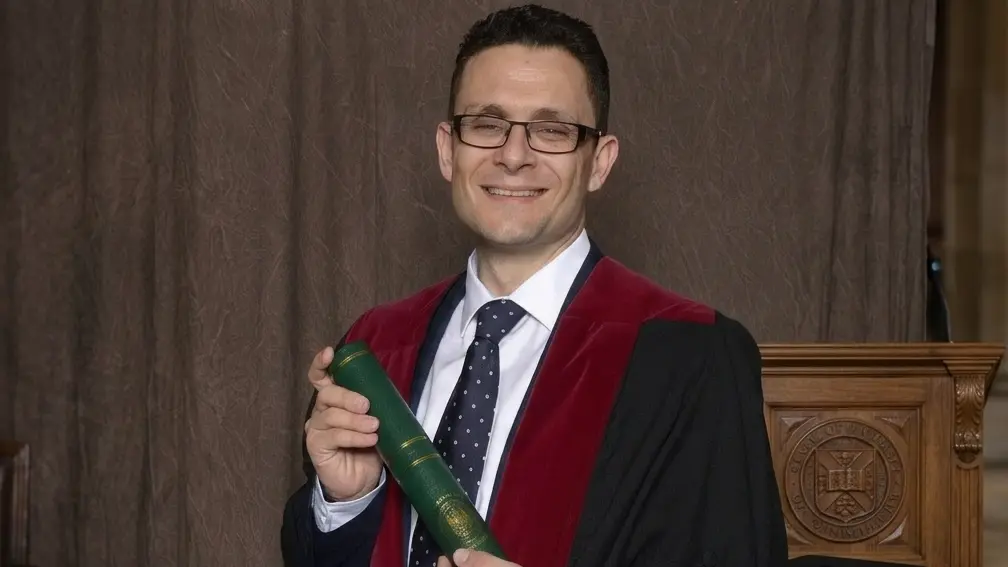
When looking for the diabetes specialist in dubai to manage your condition in Dubai, experience and empathy are the two most important factors. Dr. Ali Aldibbiat stands out as a leading expert in the field of endocrinology and diabetes management.
With a deep commitment to patient-centered care, Dr. Ali Aldibbiat utilizes the latest clinical evidence and advanced technologies to create bespoke treatment plans. Whether you are struggling with a new diagnosis or seeking to optimize a long-standing treatment regimen, his approach focuses on empowering the patient through education and precise medical intervention.
When looking for best doctors for diabetes, choosing a specialist who understands the local environment in Dubai—including the dietary habits and lifestyle challenges unique to the region—is vital. Visit Dr. Ali Aldibbiat’s website to learn more about his approach to metabolic health and to schedule a consultation.
FAQs about diabetes specialist doctor in dubai
Do diabetics need to see an endocrinologist?
While a general practitioner can manage stable Type 2 diabetes, seeing an endocrinologist is highly recommended for Type 1 diabetics, those using insulin pumps, women with gestational diabetes, or anyone struggling to reach their target HbA1c levels.
What is a diabetic professional called?
A medical doctor specializing in diabetes is called an endocrinologist. You may also work with a Certified Diabetes Care and Education Specialist (CDCES), who focuses on the practical, daily aspects of management.
What are the 4 endocrine disorders?
While there are many, four of the most common are Diabetes Mellitus, Hypothyroidism, Polycystic Ovary Syndrome (PCOS), and Adrenal Insufficiency.
What is the most common disease treated by an endocrinologist?
Diabetes mellitus is the most common condition treated by endocrinologists globally, followed closely by thyroid disorders.
What food is the number one enemy of diabetes?
Ultra-processed carbohydrates and sugar-sweetened beverages (like sodas and energy drinks) are generally considered the biggest “enemies” because they cause rapid, dangerous spikes in blood glucose levels.
Final thoughts about diabetes specialist in Dubai
Understanding that internal medicine doctor for diabetes is your best ally and the first step toward a healthier life. Dealing with diabetes requires more than just a prescription; it requires a partnership with a professional who understands the intricate dance of hormones within your body. By recognizing the signs, seeking specialized care, and utilizing modern treatments, you can live a full, active life without being defined by your diagnosis.
If you are looking for expert guidance with best doctors for diabetes in Dubai, remember that the right diabetes doctor can make all the difference. Take the time to find a specialist like Dr. Ali Aldibbiat who prioritizes your long-term well-being and offers the advanced care necessary for modern diabetes management.